

Ph-meter
We personally find you the right used, refurbished and new ph meter instruments & equipment from verified suppliers.
A pH meter is an electrochemical instrument that measures the hydrogen ion activity of a solution and reports it as a pH value, usually through a glass electrode paired with a reference electrode. New, used and refurbished units are listed across the Questpair catalogue, drawn from 751 listings offered by 18 verified suppliers and distributors in 10 countries. Of those, 88 percent are used, the remainder new. The instruments span laboratory benchtop models, handheld field units and bare electrodes, with prices that run from EUR 1 to EUR 34.436. Potentiometry of this kind underpins routine quality control, water analysis and buffer preparation in almost every laboratory discipline.
Updated:
pH meter product list
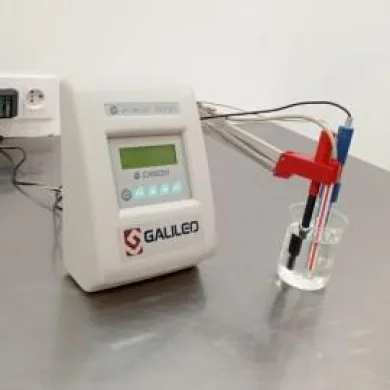
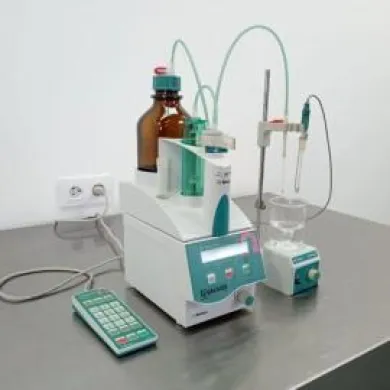
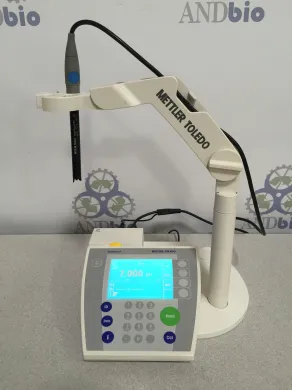
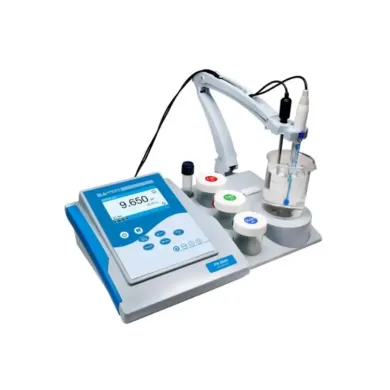
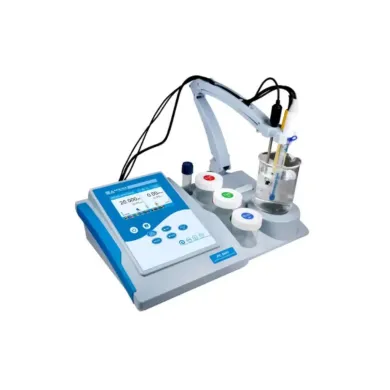


Not the exact instrument you need?
Tell our scientists what you are after. We track it down, including off-market supply.
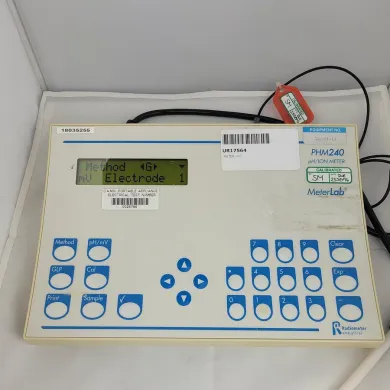
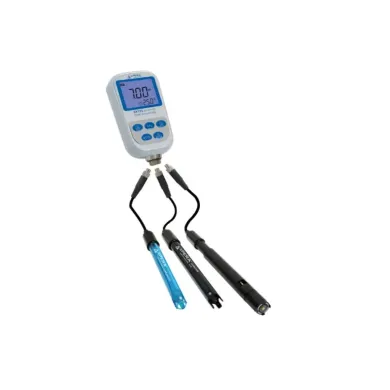
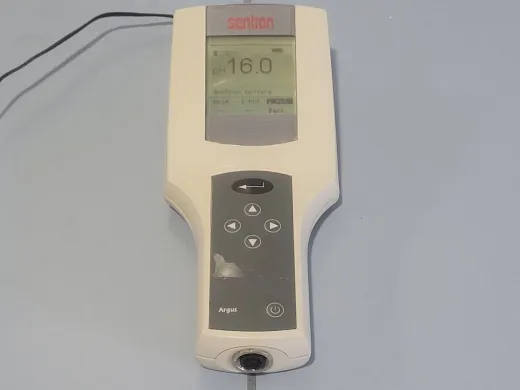
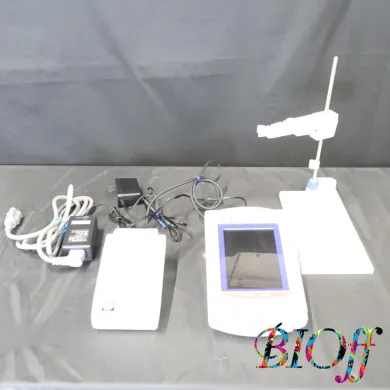
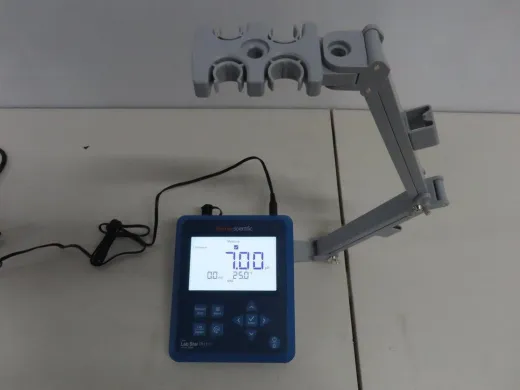
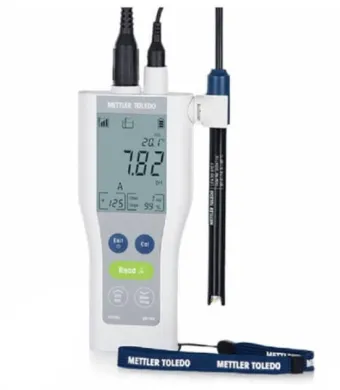
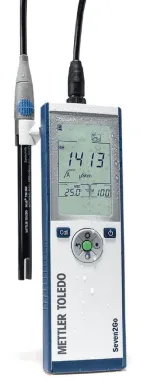

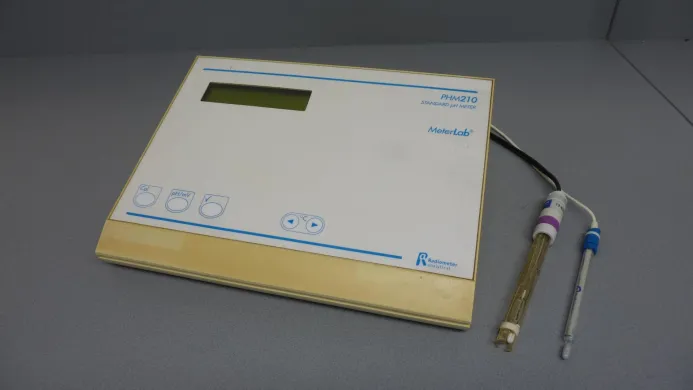
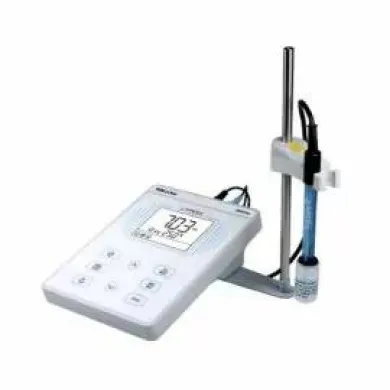
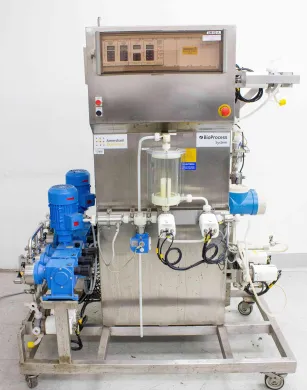
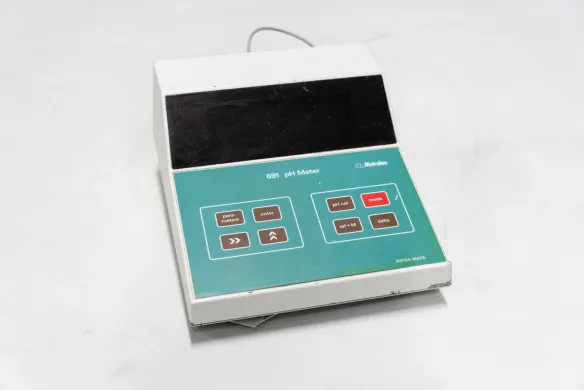
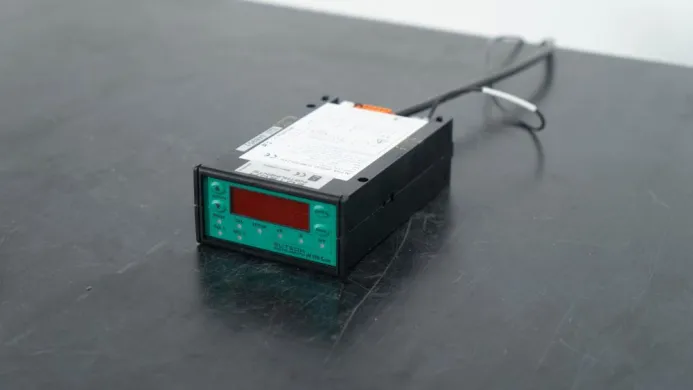
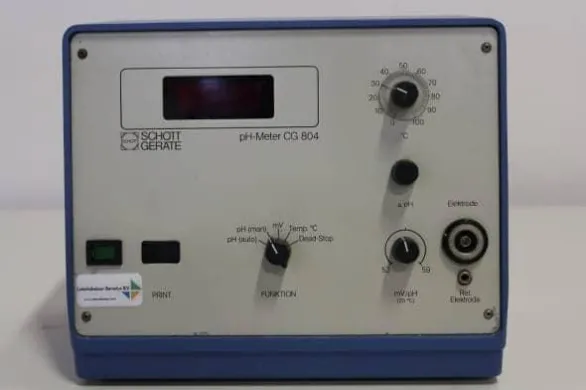
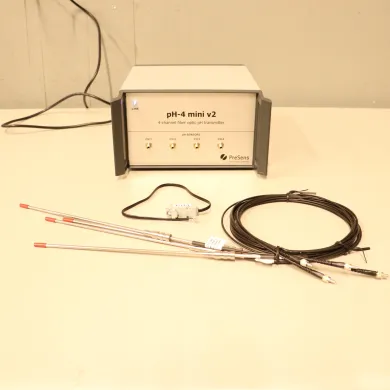
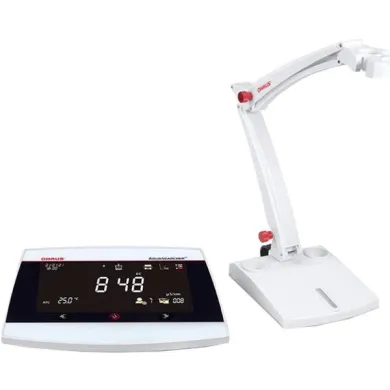
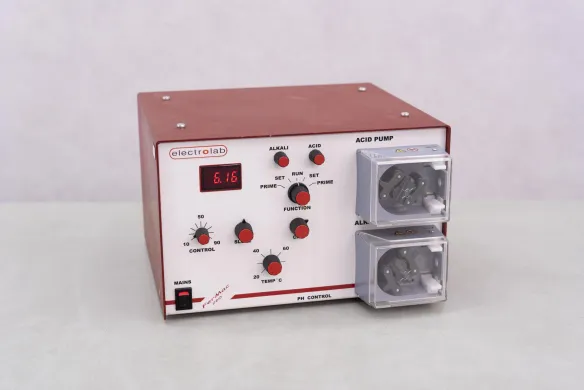
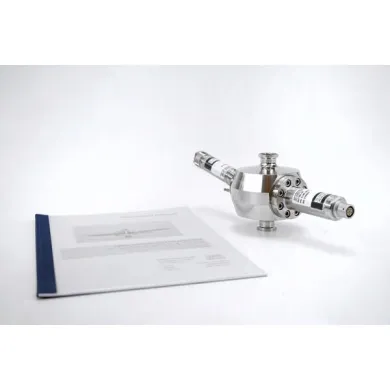
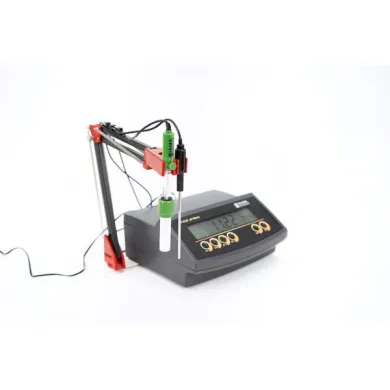
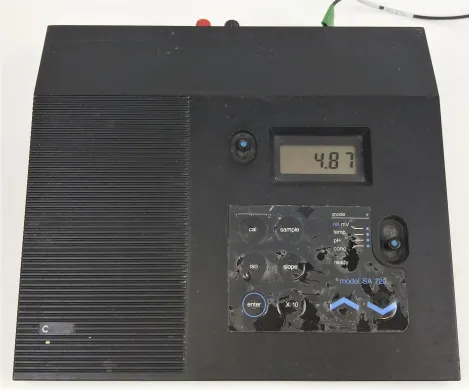
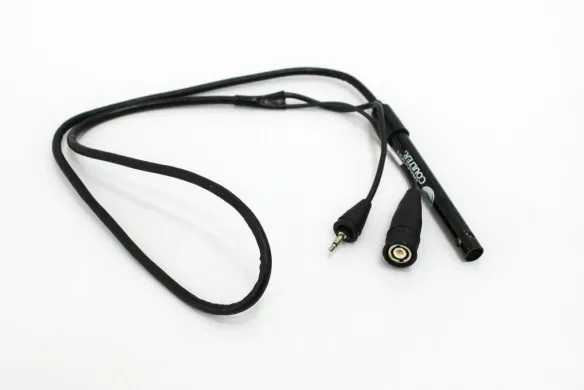
Not the exact instrument you need?
Tell our scientists what you are after. We track it down, including off-market supply.
Showing 1–40 of 402 listings
Show 40 more listingsBuying guide
What settles a pH meter purchase is rarely the headline resolution figure, because nearly every modern unit reads to 0.01 pH. The electrode decides far more. A sealed gel electrode suits aqueous samples and tolerates neglect; a refillable liquid-junction electrode holds accuracy longer in protein-rich, low-ionic-strength or non-aqueous media but demands upkeep. Match the electrode body to the sample before you compare meters: a spear tip for semi-solids, a flat surface for skin or paper, a micro shaft for NMR tubes and vials. A meter that cannot accept the electrode the work needs is the wrong meter however good its display.
Temperature handling comes next, because pH shifts with it. Automatic temperature compensation with a built-in or separate probe is standard on benchtop units and worth insisting on; a reading taken without it drifts with the room. Check the number of calibration points the meter accepts, three being the practical minimum for work spanning acidic and alkaline buffers, and confirm it stores calibration data you can audit.
On a used unit, the electrode is the part that ages, not the meter. Glass membranes degrade whether used or stored, reference junctions clog, and an electrode past its life gives a slow, drifting reading no recalibration fixes. Treat a used instrument as the meter plus a consumable, and budget for a fresh electrode unless the listing documents a recent one. The meter electronics themselves rarely fail; BNC and screw-cap connectors are the common standards, so verify the fitting matches any electrode you intend to carry over.
Price spans a wide band here. A used benchtop or portable meter is more affordable than a new equivalent, and what fits a budget depends on whether you need a calibrated multi-parameter system or a single-channel pocket tester. Units for sale run from EUR 1 to EUR 34.436, with an average around EUR 599. The lower reaches hold pocket and portable testers and bare electrodes; the upper reaches hold multi-channel benchtop analysers with ion-selective and conductivity inputs. Thermo Scientific, Mettler Toledo, Ohaus, Thermo Fisher Scientific, Fisher Scientific account for much of the mid and upper catalogue, where parts and replacement electrodes are easiest to source.
Types of pH meter
Which pH meter types are listed here?
Among the listings that specify a type, the catalogue divides into a handful of recognisable classes. Benchtop pH meters are the laboratory standard: mains-powered, multi-point calibration, often with inputs for a second parameter, and they anchor routine potentiometry at the lab bench. Portable and handheld pH meters trade some stability for field use, running on batteries for on-site water and soil work. Conductivity meters and broader electrochemical analysers appear alongside them because the same instrument platform frequently reads conductivity, ion-selective potentials and dissolved oxygen through interchangeable probes. Bare pH electrodes make up a large share of their own, sold as replacements for ageing sensors rather than as complete instruments.
Each class serves a distinct buyer. The benchtop analyser belongs in gravimetric and analytical workflows where buffer preparation, titration endpoints and quality-control checks demand logged, temperature-compensated readings. The portable unit belongs to the environmental sampler. The electrode belongs to anyone whose meter still works but whose sensor has drifted.
In the life sciences this instrumentation does quiet but constant work. pH control underpins cell culture, where medium buffered to physiological pH keeps cultures viable, and it governs buffer preparation across molecular biology, protein purification and electrophoresis, where running and transfer buffers must hold a defined pH. A pH electrode for protein purification is a routine fixture at the chromatography bench, and conductivity measurement runs beside it to monitor salt gradients during ion-exchange separations. In microbiology and fermentation monitoring, continuous pH reading tracks the acidification that signals microbial growth, which is why bioprocessing and biomanufacturing lines carry process-grade electrodes rated for sterilisation. Immunoassay and molecular diagnostics work rests on the same foundation, since assay reproducibility depends on reagents held at a known pH.
The brands behind the pH meter listings
The catalogue is led by Thermo Scientific, Mettler Toledo, Ohaus, Thermo Fisher Scientific, Fisher Scientific. For a buyer, that concentration matters in practical ways rather than as a mark of prestige. Replacement electrodes, calibration buffers and spare junctions for these makers are widely stocked, so a used meter from one of them is less likely to become an orphan. Their model lines are also well documented, which makes it straightforward to compare two listings on calibration points, input channels and electrode compatibility before committing. Where a listing names a maker outside this group, confirm the electrode connector standard and buffer availability before treating it as a like-for-like alternative.
What a used pH meter costs here
The condition split runs heavily to used stock: 88 percent of the listings are used against the remainder new. Prices for sale range from EUR 1 to EUR 34.436, averaging around EUR 599. That spread reflects the gap between a bare electrode or pocket tester at one end and a multi-parameter benchtop analyser at the other. Where a need falls outside this, manuals and documentation can be requested through Questpair, and replacement parts sourced the same way.
Frequently asked questions
What is a pH meter?
A pH meter is an electrochemical instrument that measures the hydrogen ion activity of a solution and reports it as a pH value. It typically uses a glass measuring electrode paired with a reference electrode.
What does pH meter mean?
The term refers to an instrument that reads the acidity or alkalinity of a solution on the pH scale. The meter translates the voltage generated at the electrode into a pH number.
How do pH meters work?
A glass electrode develops a small voltage proportional to the hydrogen ion activity of the sample, measured against a stable reference electrode. The meter converts that potential, corrected for temperature, into a pH reading.
What types of pH meter are there?
The catalogue covers benchtop pH meters, portable and handheld units, conductivity meters, electrochemical analysers and bare pH electrodes. Benchtop models anchor lab bench work, portable units handle field sampling, and electrodes sell as replacement sensors.
What is a pH meter used for?
It supports buffer preparation, water analysis, titration endpoints and routine quality control across laboratory disciplines. In the life sciences it underpins cell culture, protein purification, fermentation monitoring and reagent preparation where pH must be held at a defined value.
How do I choose a pH meter?
Start with the electrode rather than the meter: match the electrode body to the sample, a spear tip for semi-solids, a flat surface for skin or paper, a micro shaft for small vials. Then confirm automatic temperature compensation and at least three calibration points for work spanning acidic and alkaline buffers.
What is the difference between refurbished and used?
A used unit is sold as it was received, while a refurbished one has been checked and reconditioned before listing. On any secondhand pH meter the electrode is the part that ages, so check whether a recent electrode is documented regardless of the label.
How much does a pH meter cost?
Units listed here range from EUR 1 to EUR 34.436, with an average around EUR 599. The lower band holds pocket testers and bare electrodes, the upper band holds multi-parameter benchtop analysers with conductivity and ion-selective inputs.
What are the best pH meter brands?
The catalogue is led by Thermo Scientific, Mettler Toledo, Ohaus, Thermo Fisher Scientific and Fisher Scientific. Replacement electrodes, buffers and spare junctions for these makers are widely stocked, which matters more for a used purchase than any single brand reputation.
Is there a warranty on a refurbished pH meter?
A warranty is often possible and is arranged in consultation for the specific listing. Terms are tied to the individual unit rather than set across the whole catalogue.
Are replacement parts available?
Parts, including replacement electrodes and junctions, can be sourced via Questpair. For the named brands in this catalogue those consumables are also widely stocked in general.
How long does a pH meter last?
The meter electronics rarely fail, so a benchtop or portable unit can serve for many years. The electrode is the consumable: glass membranes degrade and reference junctions clog whether the sensor is used or stored, so budget for periodic replacement.
Should I buy new or used?
Used and refurbished pH meters are listed at lower prices than new equivalents, which is the clear difference between them. Treat a used instrument as the meter plus a consumable electrode, and check the listing for a documented recent electrode before comparing prices.
Where can I buy a pH meter?
Units are listed on Questpair through verified suppliers and distributors, drawn from 751 listings across 18 suppliers in 10 countries. The catalogue spans new, used and refurbished stock.
What are the lead time and shipping?
Lead time and shipping depend on the individual listing and the supplier handling it. Specifics can be confirmed through Questpair, where specialists respond within one hour.
How do I calibrate and maintain a pH meter?
Calibrate against standard buffers at a minimum of three points to cover acidic and alkaline ranges, using automatic temperature compensation. Keep the electrode hydrated in storage solution, refill liquid-junction types as needed, and replace an electrode that gives slow, drifting readings no recalibration corrects.
Which pH meter types are listed most, and who reaches for each?
Benchtop pH meters, portable and handheld units, conductivity meters, electrochemical analysers and bare electrodes all appear. The benchtop analyser suits analytical and quality-control workflows, the portable unit the environmental sampler, and the bare electrode anyone whose meter works but whose sensor has drifted.
Which brands dominate this category and what does that mean for a buyer?
Thermo Scientific, Mettler Toledo, Ohaus, Thermo Fisher Scientific and Fisher Scientific account for much of the catalogue. That concentration means electrodes, buffers and spare junctions are easier to source, so a used meter from one of them is less likely to become an orphan; where a listing names a maker outside this group, confirm the electrode connector standard and buffer availability first.
What separates the bottom of the price band here from the top?
At the lower end sit pocket and portable testers and bare electrodes, single-channel and often without multi-point calibration or logging. At the upper end sit multi-channel benchtop analysers with ion-selective and conductivity inputs, audit-ready calibration storage and temperature compensation.