

Electron microscopes
We personally find you the right used, refurbished and new electron microscopes instruments & equipment from verified suppliers.
Electron microscopes are imaging instruments that use a focused beam of electrons, rather than visible light, to resolve structures far smaller than an optical microscope can reach, down to the nanometre and below. On Questpair the catalogue runs to 337 listings from 9 verified suppliers and distributors across 5 countries, in new, used and refurbished condition. Of those, 85 percent of the listings are used. Prices span a wide range, from EUR 7 for small accessories and spare components to EUR 116.619 for a complete column with its vacuum and detector stack. The spread reflects how much a listing includes, from a bare consumable to a working laboratory instrument.
Updated:
Electron microscopes product list


Not the exact instrument you need?
Tell our scientists what you are after. We track it down, including off-market supply.
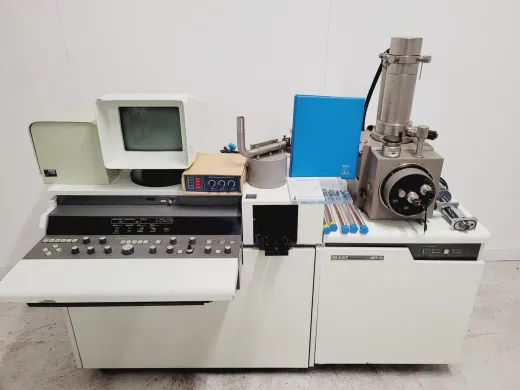
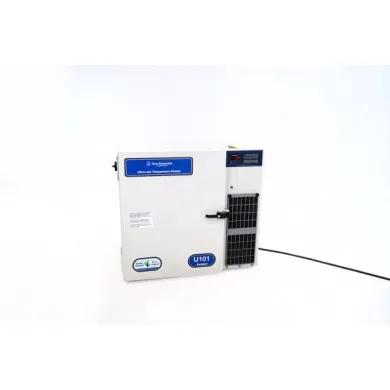
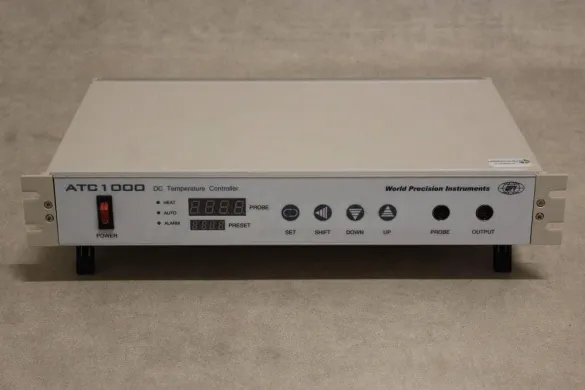
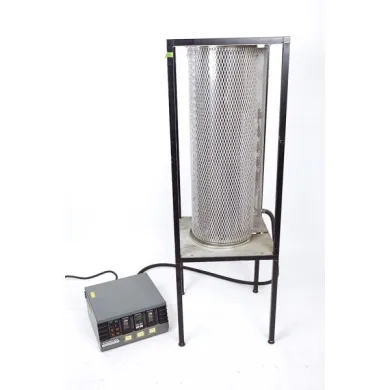
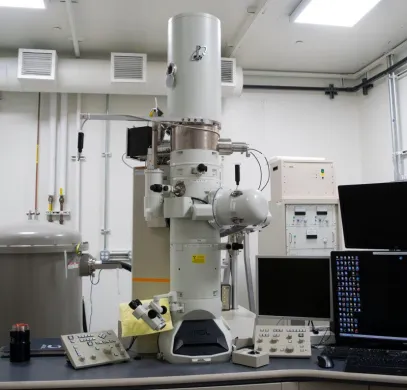
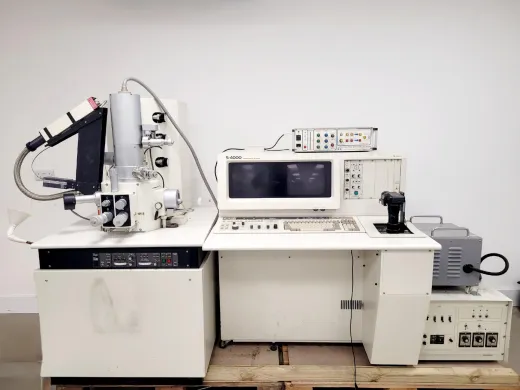
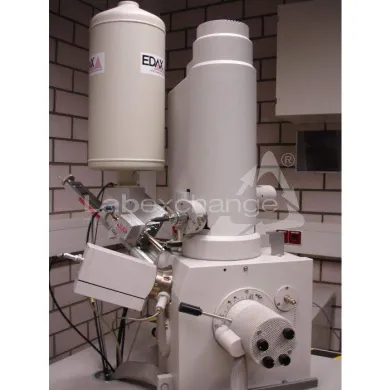
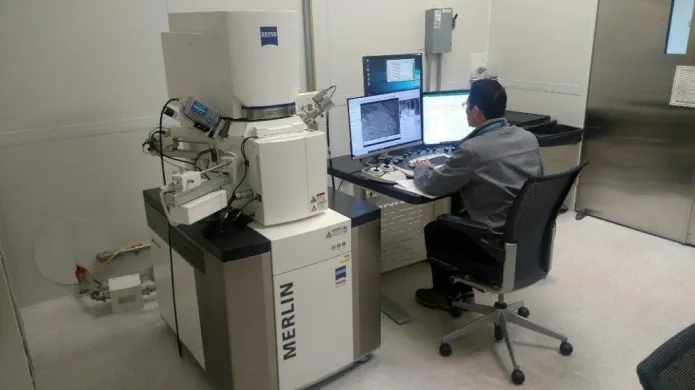
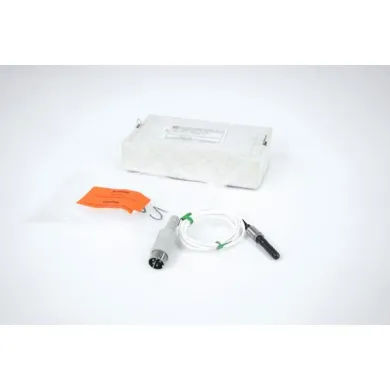
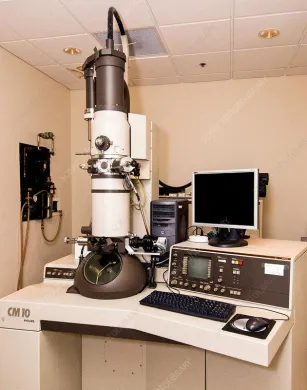
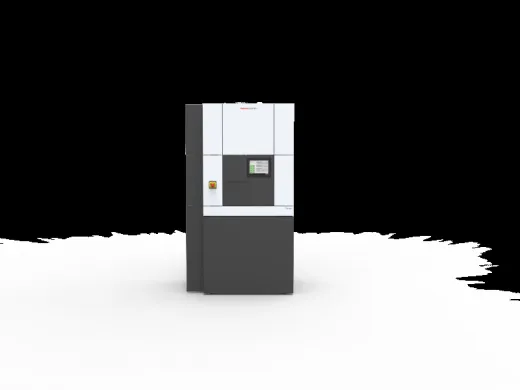
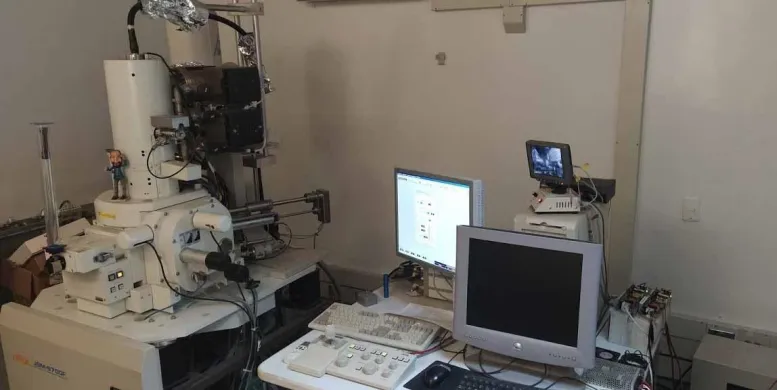
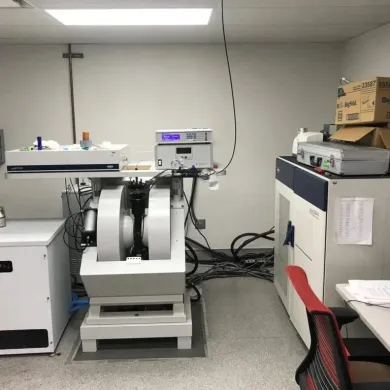
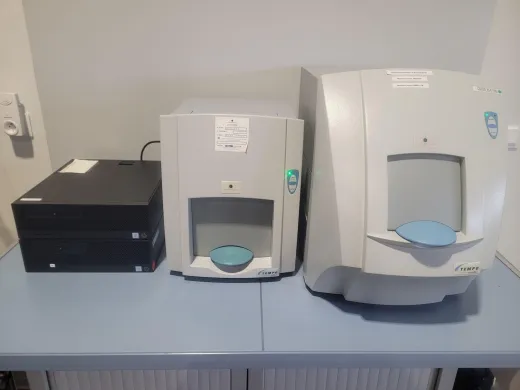
Not the exact instrument you need?
Tell our scientists what you are after. We track it down, including off-market supply.
Showing 1–40 of 145 listings
Show 40 more listingsBuying guide
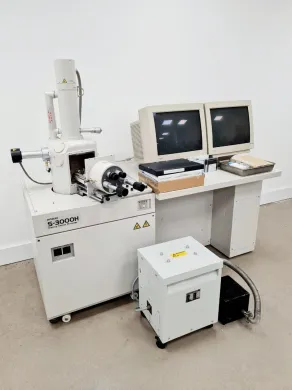
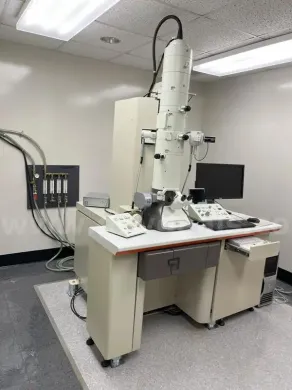
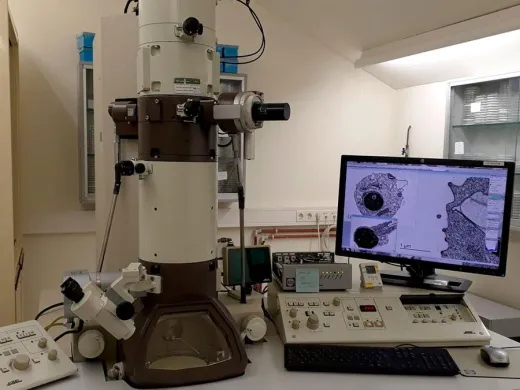
The specification that settles an electron microscope purchase is the imaging mode the work demands, because it divides the field before any other number matters. A scanning electron microscope reads electrons scattered off a specimen surface and builds a topographic image of it; a transmission instrument passes the beam through a thin section and resolves internal structure at far higher magnification. A buyer who needs surface morphology of a fracture or a coating is on one branch, a buyer resolving lattice planes or a cell ultrastructure on the other, and the two rarely substitute. Resolution figures, accelerating voltage and the detector complement all follow from that first split, so fix the mode before comparing anything else.
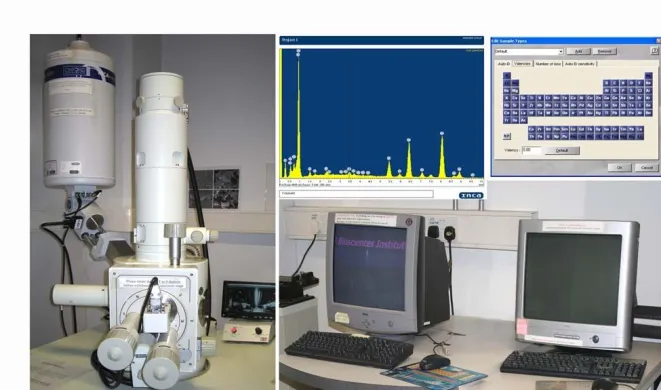
On a used column the condition questions are specific and they matter more than the datasheet, because an electron microscope is a vacuum instrument with wearing parts. Ask the age and history of the electron source, a tungsten filament is consumable and a field-emission gun is not but is costly to replace. Confirm the state of the vacuum system, that the pumps hold and that there is no record of a chamber leak. Ask whether the detectors are present and working, an SEM without its secondary-electron and backscatter detectors is a column, not a microscope, and a transmission instrument is defined by its camera. Where calibration or alignment records exist, they tell a buyer whether the instrument was maintained or parked. Recalibration and realignment on installation should be assumed on any used unit regardless.
The price band is as wide as any category on the site, and the brands populate it along fairly clear lines. At the low end sit EUR 7 accessories, filaments, apertures, sample holders and spare parts rather than instruments. Complete working columns climb from the mid-range into the high five figures and beyond, reaching EUR 116.619 for a current-generation instrument with a full detector stack. The names behind the listings are New Brunswick Scientific, JEOL, Sanyo, Hitachi, Labconco, and a buyer weighing cost against budget will find that an established maker with a wide installed base makes a unit easier to compare and its parts easier to source. Refurbished and used units listed for sale are more affordable than new, which is where most of this catalogue sits, and warranty on any individual listing is arranged in consultation for that specific item rather than fixed across the category.
Types of Electron microscopes
Which equipment types appear in the electron microscope listings?
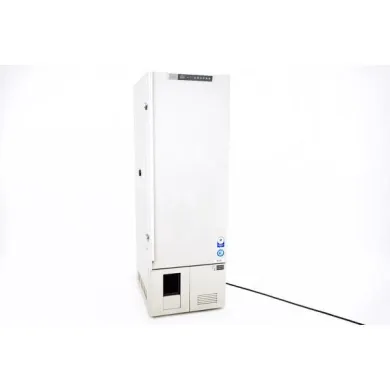
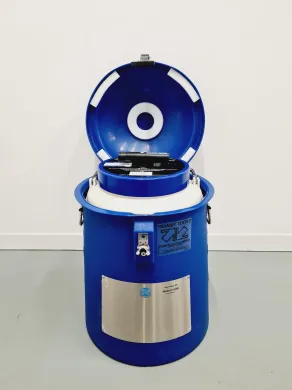
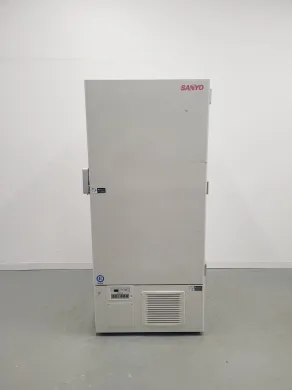
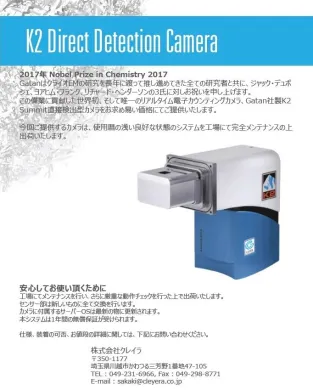
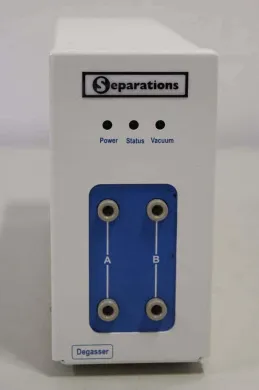
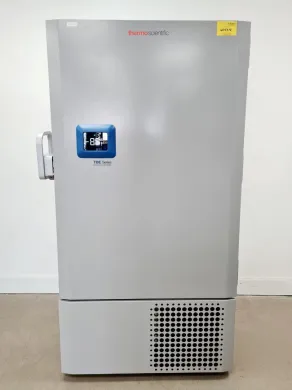
Among the listings that specify a type, the categories that recur are laboratory freezer, ultra-low temperature freezer, cryogenic storage, ultra low temperature freezer, cold storage equipment, analytical balance. The spread is worth reading carefully, because several of these describe the support environment an electron microscope depends on as much as the instrument itself. An electron column needs stable sample preparation and storage, which is why ultra-low temperature freezers and cryogenic storage appear alongside the microscopes: cryo-electron microscopy in structural biology and genomics freezes a specimen in vitreous ice, so the vitrified sample has to be held and transferred at cryogenic temperature from preparation to the column. Electron cryomicroscopy for protein structure and molecular biology is one of the fastest-growing uses of transmission instruments, and the cold-storage equipment in this catalogue is part of that workflow rather than incidental to it. Analytical balances occur because specimen and reagent preparation for electron microscopy in histology and microbiology begins with gravimetric work. Where a type serves life sciences it is also used for imaging fixed and stained tissue sections, and the biological specimen chain, from freezing through sectioning to the column, runs through most of these categories.
The brands behind the electron microscope listings
The makers that dominate the listings are New Brunswick Scientific, JEOL, Sanyo, Hitachi, Labconco. For a buyer this matters more than any company history, which belongs on the individual brand pages rather than here. An established imaging manufacturer with a large installed base, such as JEOL or Hitachi in electron optics, makes a given model far easier to compare across listings and its filaments, apertures and detectors easier to source as parts through Questpair. The presence of cold-chain and preparation makers alongside the microscope builders reflects the mixed nature of this catalogue, where a working electron microscopy setup is assembled from several suppliers rather than bought whole. Parts availability and the depth of the secondhand pool both track how common a brand is, so a widely sold column tends to cost less to keep running than a rare one.
What condition and price look like here?
The catalogue is weighted toward the secondhand market. Of the listings, 85 percent are used. Prices run from EUR 7 to EUR 116.619. That spread covers everything from a single consumable component at the bottom to a complete, current instrument with its full detector and vacuum stack at the top, which is why the average sits well below the maximum. Used and refurbished units are listed below new prices, and a warranty on any specific listing is arranged in consultation for that item.
Frequently asked questions
What is an electron microscope?
An electron microscope is an imaging instrument that uses a focused beam of electrons instead of visible light to resolve structures far smaller than an optical microscope can reach, down to the nanometre and below. This lets it image internal structure or surface detail at magnifications optical instruments cannot approach.
What does electron microscope actually mean?
The term refers to the imaging principle: electrons, which have a much shorter wavelength than visible light, are focused by electromagnetic lenses to probe a specimen. The shorter wavelength is what allows resolution at the nanometre scale and below.
How do electron microscopes work?
A heated or field-emission source releases electrons that are accelerated and focused by electromagnetic lenses onto a specimen inside a vacuum column. Detectors then capture electrons scattered off the surface or transmitted through a thin section, and those signals are built into an image.
What types of electron microscope are there?
The two main imaging modes are scanning (SEM), which reads electrons scattered off a surface to build a topographic image, and transmission (TEM), which passes the beam through a thin section to resolve internal structure at higher magnification. A buyer needing surface morphology is on one branch and a buyer resolving lattice planes or cell ultrastructure on the other, and the two rarely substitute.
What are electron microscopes used for?
Applications include surface morphology of fractures and coatings, imaging fixed and stained tissue in histology and microbiology, and structural biology work such as electron cryomicroscopy for protein structure. Each use maps onto an imaging mode, which is why fixing the mode comes before any other specification.
How do I choose an electron microscope?
Start with the imaging mode the work demands, scanning or transmission, because that divides the field before any other number matters. Resolution, accelerating voltage and the detector complement all follow from that first split, so settle the mode before comparing anything else.
What is the difference between refurbished and used units?
A used unit is sold in its existing condition, while a refurbished one has been checked and reconditioned before listing. For either, confirm the state of the electron source, the vacuum system and the detectors directly against the specific listing, since those wearing parts matter more than the label.
How much does an electron microscope cost?
Listings on Questpair range from EUR 7 to EUR 116.619, with the average at EUR 4.678. The low end is accessories, filaments, apertures and spare parts, while complete working columns with a full detector and vacuum stack sit at the top.
Which brands make electron microscopes?
The makers recurring in the listings are New Brunswick Scientific, JEOL, Sanyo, Hitachi and Labconco. JEOL and Hitachi build electron optics, while the cold-chain and preparation names appear because a working setup is assembled from several suppliers rather than bought whole.
Is there a warranty on refurbished units?
A warranty is often possible and is arranged in consultation for the specific listing rather than fixed across the category. Check the terms against the individual item you are considering.
Can I still get parts for these instruments?
Parts such as filaments, apertures, sample holders and detectors can be sourced via Questpair. Availability tracks how common a brand is, so a widely sold column tends to be easier to keep running than a rare one.
How long does an electron microscope last?
Lifespan depends on the wearing parts rather than the column itself: a tungsten filament is consumable and needs periodic replacement, while a field-emission gun lasts far longer but is costly to replace. A maintained vacuum system and detectors determine how long an instrument stays usable, which is why source and pump history matter on any used unit.
New versus refurbished, which should I buy?
Used and refurbished units are listed at lower prices than new, which is where most of this catalogue sits. Weigh that price difference against the condition questions for the specific listing, and note that warranty is arranged in consultation for each item regardless of condition.
Where can I buy an electron microscope?
Questpair lists electron microscopes and related equipment from verified suppliers and distributors. The catalogue runs to 337 listings from 9 suppliers across 5 countries, in new, used and refurbished condition.
What about lead time and shipping?
Lead time and shipping depend on the individual listing, its location and whether it is a consumable part or a complete column. For specifics on a given item, Questpair specialists respond within one hour.
What calibration and maintenance does a used unit need?
Recalibration and realignment on installation should be assumed on any used unit regardless of its records. Where calibration or alignment records exist, they indicate whether the instrument was maintained or parked, so ask for them before buying.
Which equipment types are listed most here, and who reaches for which?
Among listings that specify a type, the recurring categories are laboratory freezers, ultra-low temperature freezers, cryogenic storage, cold storage equipment and analytical balances alongside the microscopes themselves. Structural biology and genomics labs running cryo-electron microscopy reach for the cryogenic storage to hold vitrified specimens, while histology and microbiology work draws on analytical balances for gravimetric specimen and reagent preparation.
Which brands dominate this category, and what does that mean for a buyer?
The listings are led by New Brunswick Scientific, JEOL, Sanyo, Hitachi and Labconco, a mix of electron-optics builders and cold-chain makers. An imaging manufacturer with a large installed base, such as JEOL or Hitachi, makes a model easier to compare across listings and its filaments, apertures and detectors easier to source as parts through Questpair.
What separates the cheapest listings from the most expensive?
At the bottom of the band sit individual accessories, filaments, apertures and spare parts rather than instruments. The top is a complete, current-generation column with its full detector and vacuum stack, which is why the average at EUR 4.678 sits well below the maximum of EUR 116.619.