58k+ listingsShips to NLResponse within one hour+31 73 711 4717info@questpair.com
Procurable · sourced on request

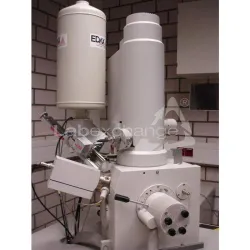
Philips XL30

UsedPhilipsElectron microscopesNetherlands
Procurable

Not in stock, available to order through our sourcing team

Not in stock, but we can get it for you

We source this model through our supplier network. Request a quote and we'll come back within one hour.

  1. Request a quote
  2. We confirm price and lead time
  3. You approve, we ship to you
Resolution at 30 kV
2 nm
Resolution at 1 kV
5 nm
Accelerating Voltage Range
0.2–30 kV
Beam Current Range
1 pA–25 nA
Specimen Stage Movement (X and Y axes)
50 mm
Availability
Procurable
Lead time
Confirmed with your quote
All 15 specifications
  • Ships to NL
  • Response within 1 hour
  • Warranty available. Buy without worry
  • Support from a scientist

Specifications 15

Brands
Philips
New/Used
Used
Resolution at 30 kV
2 nm
Resolution at 1 kV
5 nm
Accelerating Voltage Range
0.2–30 kV
Beam Current Range
1 pA–25 nA
Specimen Stage Movement (X and Y axes)
50 mm
Specimen Stage Movement (Z axis)
50 mm
Specimen Stage Rotation
360° continuous
Specimen Stage Tilt Range
-15° to +75°
Specimen Chamber Diameter
284 mm
Specimen Stage Type
Eucentric goniometer, 4-axis motorized with full manual override
Specimen Exchange Mechanism
Drawer type entry
Availability
Procurable
Lead time
Confirmed with your quote

Product description

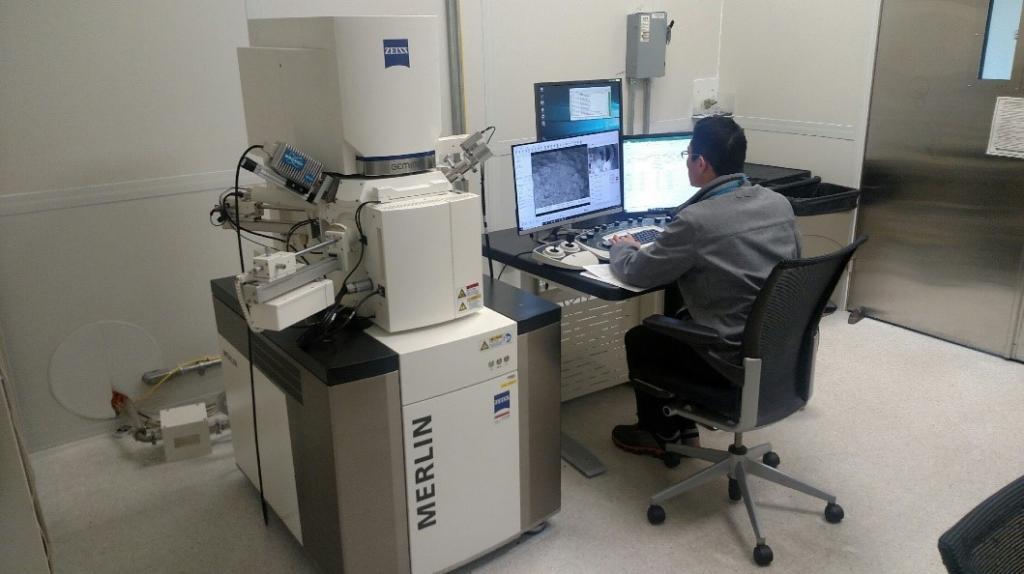
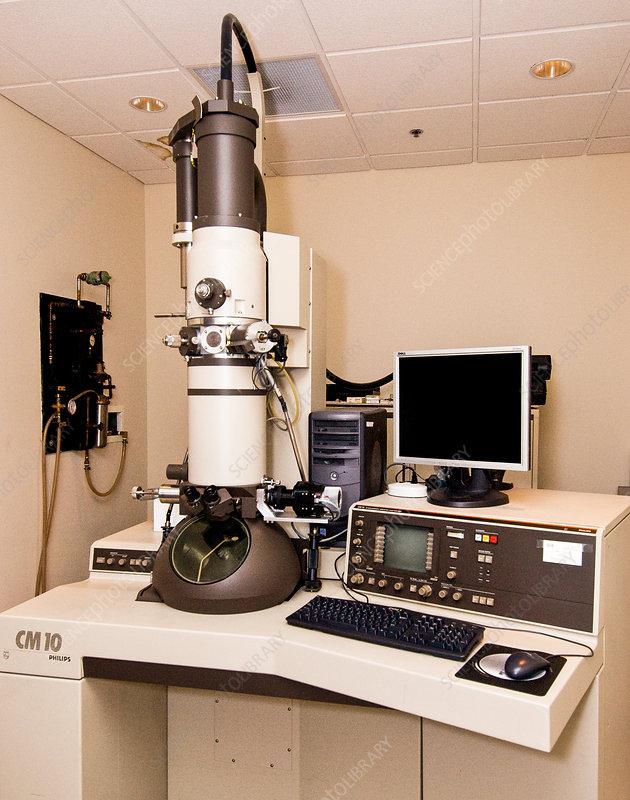
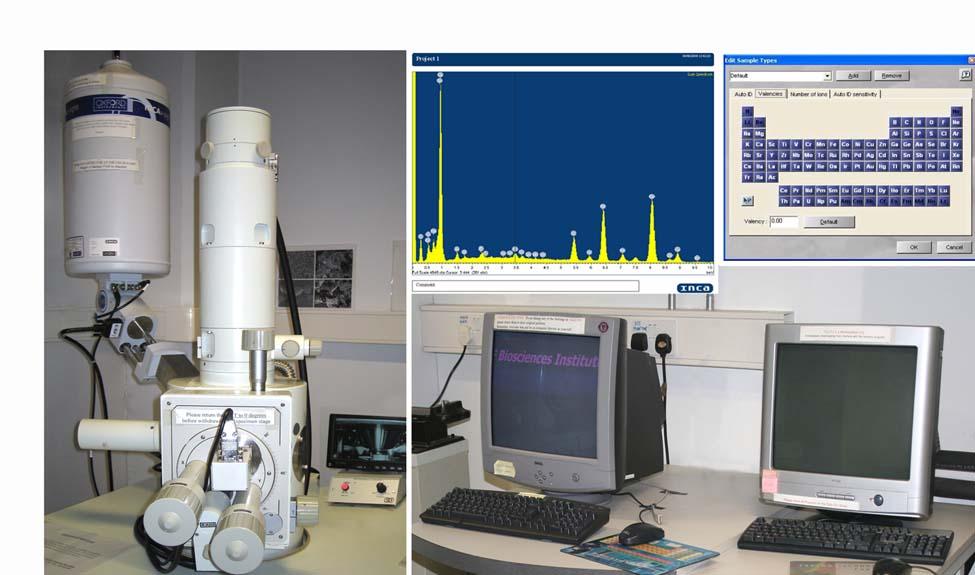
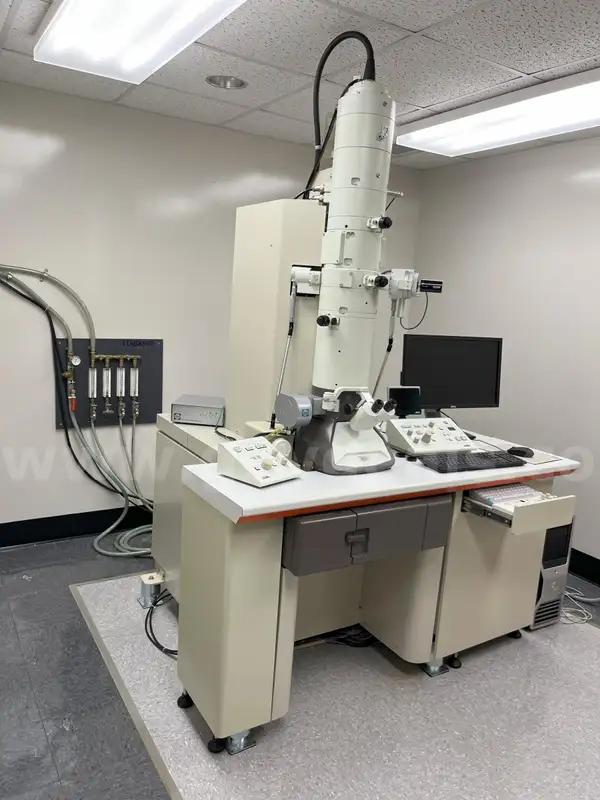
High-resolution SEM with up to 100,000x magnification, ESEM mode, EDS elemental analysis, and optional cryo stage.

The Philips XL30 is a versatile scanning electron microscope (SEM) designed for high-resolution imaging and analysis of a wide range of specimens. Introduced in the late 1990s, this instrument remains relevant in various research settings due to its robust performance and adaptability.

Key features include:

  • High-resolution imaging: Achieves magnifications up to 100,000x, enabling detailed examination of microstructures.
  • Environmental Scanning Electron Microscopy (ESEM) mode: Allows imaging of hydrated or non-conductive samples without extensive preparation, preserving their natural state.
  • Energy Dispersive X-ray Spectroscopy (EDS): Facilitates qualitative and quantitative elemental analysis, detecting elements as light as boron.
  • Versatile sample handling: Equipped with a large chamber and motorised stage, accommodating bulky samples and facilitating precise positioning.
  • Cryo-SEM capabilities: Optional cryogenic stages enable the examination of sensitive biological specimens at low temperatures, preventing dehydration and structural alterations.

The Philips XL30 is widely utilised in fields such as materials science, biology, geology, and engineering. Its applications range from analysing metallographic specimens and fractures to studying hydrated biological tissues and polymers.

Commonly found in university laboratories, research institutions, and industrial facilities, this SEM supports diverse analytical needs. Its enduring presence in these settings underscores its reliability and the manufacturer's commitment to quality and innovation.

Why Questpair exists

Lab equipment markets are fragmented. Buyers spend weeks calling distributors, comparing quotes, and verifying supplier reliability. Sellers struggle to reach global research labs.

We built Questpair to fix this. Every supplier on the platform is verified before listing. Every quote you receive comes from a real, vetted seller. AI prepares your case in minutes, then a real specialist takes over.

We're an independent team based in The Netherlands, working with research labs and procurement teams across Europe and worldwide.

Frequently asked questions

How long does laboratory equipment typically last?

With a service contract, ten to fifteen years is normal for most benchtop instruments. Detectors and pumps are the parts that wear first.

Can I get service for older equipment?

Yes. Every verified supplier states which service partners cover the instrument, and we list that alongside the offer.

Where can I buy parts?

Ask a scientist through the request button. Parts are often available even when the instrument itself is discontinued.

What is the typical lead time for refurbished equipment?

Two to six weeks, depending on refurbishment scope and whether calibration is included.

Does laboratory equipment ship internationally?

We ship to 38 countries. Crating and customs handling are quoted with the instrument.

Reply in one hour

Can't find the exact configuration?

Tell us what you need and a scientist finds it for you, usually within the hour.

Last updated 19 October 2026