

Moisture analysers
We personally find you the right used, refurbished and new moisture analysers instruments & equipment from verified suppliers.
Moisture analysers are laboratory instruments that measure the water content of a sample by weighing it, heating it until the moisture evaporates, and weighing it again, reporting the loss as a percentage. They combine a precision balance with a halogen, infrared or ceramic heating element, so a single unit does gravimetric weighing and thermal drying in one run. On Questpair, 199 moisture analysers are listed by 16 verified suppliers and distributors across 9 countries, in new, used and refurbished condition. Of those listings, 21 percent are used. Prices run from EUR 18 to EUR 16.196.
Updated:
Moisture analysers product list
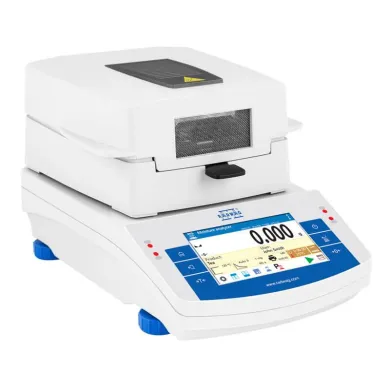
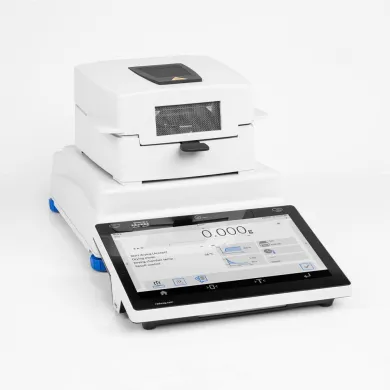
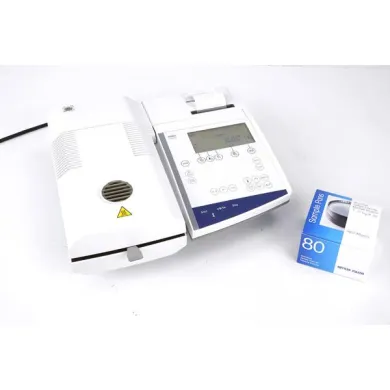
Radwag MA 50.X7.IC.A.NS Moisture Analyzer
- Category
- Balances
- Brand
- Radwag
- Suppliers
- 1 verified


Not the exact instrument you need?
Tell our scientists what you are after. We track it down, including off-market supply.
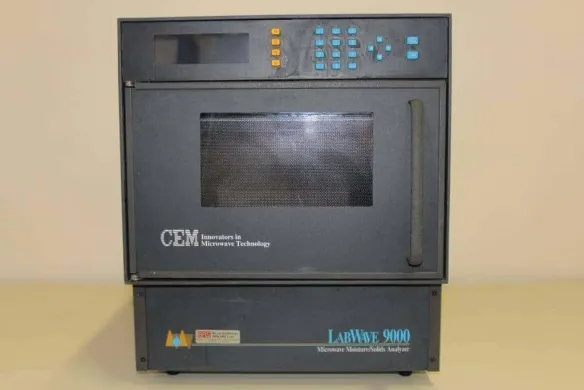
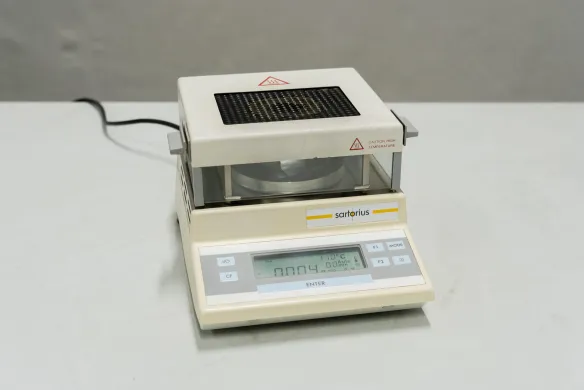
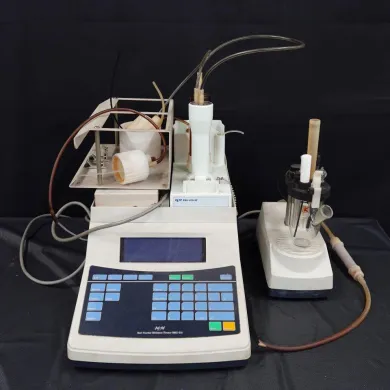
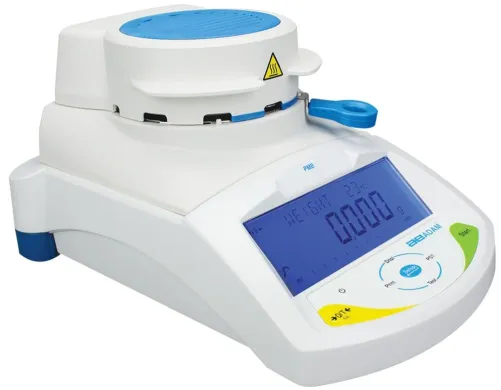
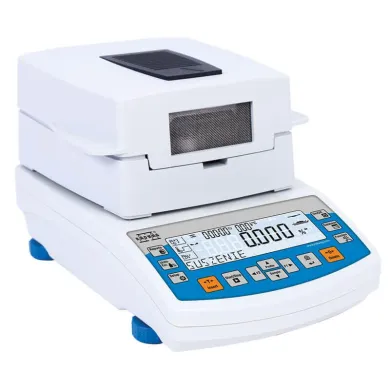
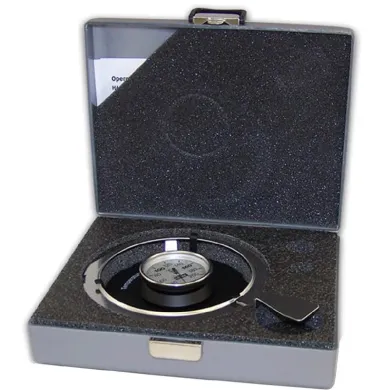
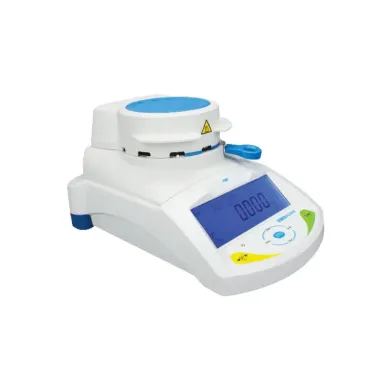
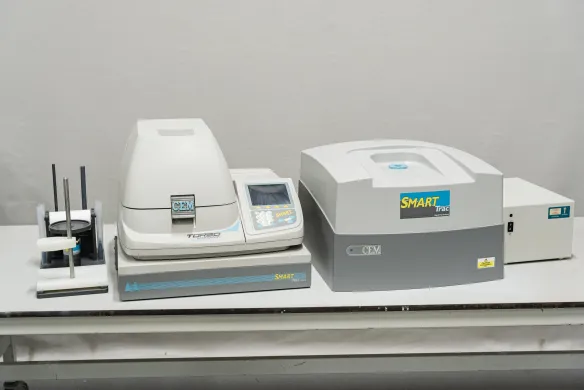
Not the exact instrument you need?
Tell our scientists what you are after. We track it down, including off-market supply.
Showing 1–40 of 171 listings
Show 40 more listingsBuying guide
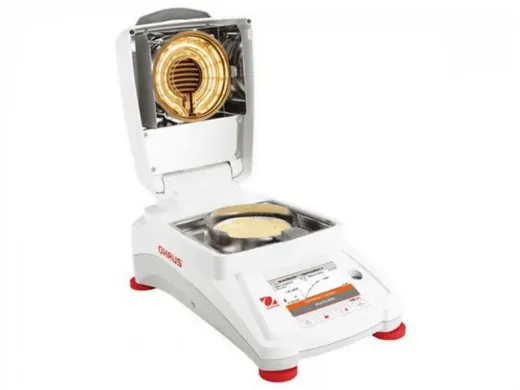
What decides a moisture analyser is the heating method set against the sample it has to dry. A halogen lamp reaches temperature fast and suits routine quality control on food, grain and plastics; an infrared or ceramic element heats more gently and holds a flatter profile, which matters for a sample that scorches or oxidises before its water is gone. Read the maximum temperature and the drying modes together, because a single-setpoint unit and a stepped or ramped profile behave differently on the same material, and a product that forms a skin will trap moisture under a hard surface unless the profile is tuned for it.
Readability is the second number to pin down, since a moisture analyser is a balance first. A 0.001 gram model measures to around 0.01 percent moisture, a 0.0001 gram model an order finer, and the finer reading only earns its price when the sample size and the required precision justify it. Check the weighing range as well, because a large pan takes a representative portion where a small one forces you to trust a few grams to stand for a batch.
On a used unit, the balance is where attention belongs. The load cell drifts, so a seller should show a recent calibration or the unit should accept external reference weights, and the heating element and its reflector degrade with hours of use, which shifts the drying endpoint quietly rather than failing outright. A data management system or a listing that mentions logging and result storage is worth more in a regulated lab, where the audit trail carries as much weight as the measurement.
Across the listings, price spans a wide band, from EUR 18 to EUR 16.196 with an average near EUR 2.319. What a unit costs tracks readability, heating control and build: a basic halogen model with coarse readability is affordable and sits near the bottom, while a fine-resolution instrument with programmable profiles and data handling sits at the top. Radwag, Ohaus, Mettler Toledo, CEM, Sartorius hold most of the listings, which keeps parts and reference data easy to find and lets a buyer on a budget compare like for like. Refurbished and used units are listed for sale below the new price, so a lab weighing cost against a current calibration record has real room to choose.
Types of Moisture analysers
Which instrument types appear in the moisture analyser listings?
Among the listings that specify a type, the field splits between dedicated moisture analysers and the balances they are built on. A moisture analyzer is a self-contained unit, a balance with a heater over the pan, and it reports percent moisture directly rather than a mass. Alongside it sit the laboratory balance, the precision balance and the laboratory scale, which measure mass alone and appear here because a moisture result is a weighing result at root; a buyer comparing the two is deciding whether the drying stage is worth paying for or whether a separate oven and balance already cover the work. An analytical instrument in this listing set is the finer-resolution end of that same range, and a data management system is the software and logging layer that captures runs for a quality record. The heating method separates the moisture analysers from each other more than any brand name does: halogen for speed, infrared and ceramic for gentler profiles.
What moisture analysers measure in biotechnology and life sciences?
Moisture content is a release specification across these fields, so the instrument earns its place well beyond food and materials testing. In biomanufacturing and bioprocessing, loss-on-drying checks confirm the residual moisture of a lyophilised cake, and a lyophilized biologic moisture content that runs too high shortens shelf life, which is why the measurement sits on the batch record. The same gravimetric analysis fixes the water activity feeding into cell culture media preparation, where a hygroscopic powder's true solids determine the final concentration. In molecular biology and genomics, moisture in a dried reagent or a buffer salt shifts its mass, so a laboratory balance moisture content check underpins accurate formulation, and pharmaceutical excipient moisture analysis is a routine step before protein purification and immunoassay reagents are made up. The work is the same each time, water driven off by heat and read as mass loss, applied to whatever the field needs kept dry.
Brands behind the moisture analyser listings
Radwag, Ohaus, Mettler Toledo, CEM, Sartorius account for most of what is listed. Their presence works in a buyer's favour: these are long-running product lines, so spare heaters, pans and calibration weights are straightforward to source via Questpair, and published specifications make it easy to line up readability and temperature range model against model before buying. A lab standardising on one maker can keep a consistent result across benches; a lab on a tighter budget can still compare a Radwag or Ohaus unit directly against a Mettler Toledo or Sartorius one on the numbers that matter.
What condition and price look like here?
Of the listings, 21 percent are used, the rest spanning new and refurbished stock. Prices run from EUR 18 to EUR 16.196, averaging around EUR 2.319. The spread covers everything from an entry halogen model to a fine-resolution instrument with programmable drying and data logging, and used and refurbished units are listed below their new equivalents, so condition and specification both move the figure.
Frequently asked questions
What is a moisture analyser?
A moisture analyser is an instrument that measures the water content of a sample by weighing it, heating it until the water evaporates, then weighing it again, with the loss in mass reported as a moisture percentage. The method is called loss-on-drying.
What does loss-on-drying mean on a moisture analyser?
Loss-on-drying is the drop in sample mass after heating has driven off the water, expressed as a percentage of the starting weight. The whole measurement is a mass difference, which makes a moisture analyzer a dedicated form of gravimetric analysis.
How do moisture analysers work?
A sample sits on a pan over a precision balance, a halogen or infrared element heats it until the water evaporates, and the balance tracks the weight loss in real time. When the mass stops dropping the unit reports the moisture figure.
What types of moisture analyser are there?
The core instrument splits on weighing resolution and heating source: a precision-balance unit resolves to around a milligram for bulk materials, an analytical-resolution unit resolves finer for small or tightly specified samples. Heating is either halogen, which reaches temperature fast, or infrared, which heats more gently for materials that scorch or spit.
What is a moisture analyser used for?
It gives a water figure faster than a drying oven, which is why food and feed laboratories use it for rapid moisture content analysis. In pharmaceutical and biotechnology production the loss-on-drying figure is a release test, used for powder characterisation and for checking freeze-dried material after cell culture harvest.
How do I choose a moisture analyser?
Match the weighing resolution to your sample: a precision-balance unit suits bulk solids where a tenth of a percent matters, an analytical-class unit suits small or tightly specified samples. Then pick the heating source for your material and decide whether you need data logging for traceable results.
What is the difference between a refurbished and a used moisture analyser?
A used unit is sold in its existing condition, while a refurbished one has been checked and brought back toward working specification before listing. Both appear on Questpair below new prices, and the specific listing states the condition.
How much does a moisture analyser cost?
Across the catalogue prices range from EUR 18 to EUR 16.196, with an average of EUR 2.319. The low end holds simple precision-balance units and accessories, the top end holds analytical-resolution instruments with full data management.
Which brands make moisture analysers?
The makers appearing most often in the Questpair listings are Radwag, Ohaus, Mettler Toledo, CEM and Sartorius. Mettler Toledo and Sartorius sit toward the higher end with data-logging and audit features, Radwag and Ohaus populate the middle and lower reaches, and CEM occupies the microwave-based niche.
Can I get a warranty on a refurbished moisture analyser?
A warranty is often possible and is arranged in consultation for the specific listing. Check the individual listing for its stated condition and terms.
Are spare parts available for moisture analysers?
Parts such as heating elements, pan supports and calibration weights can be sourced via Questpair. A brand with a large installed base, as these are, tends to make those parts easier to find.
How long does a moisture analyser last?
A unit from a well-supported brand can run for many years, with the heating element being the component most likely to need replacement over time. Keeping the balance calibrated and the chamber clean extends serviceable life.
Should I buy new or used?
Used and refurbished moisture analysers are listed at lower prices than new, which is where a tight budget can reach an analytical-class instrument it could not otherwise afford. Compare the specific listing and note that warranty is arranged in consultation rather than set centrally.
Where can I buy a moisture analyser?
Questpair lists 199 moisture analysers from 16 verified suppliers and distributors across 9 countries, in new, used and refurbished condition. You browse the listings and contact the supplier through the platform.
What is the lead time and shipping on a moisture analyser?
Lead time and shipping depend on the individual supplier and the unit's location, since listings come from suppliers across 9 countries. The specific listing and the supplier give the timeline for that purchase.
How do I calibrate and maintain a moisture analyser?
Calibration uses certified weights to check the balance and a temperature reference to verify the heating stage, done at intervals set by your quality process. Routine maintenance is mostly keeping the pan, pan support and heating chamber clean so residue does not skew the mass reading.
Which moisture analyser types show up most in the listings, and who buys which?
The labels run from moisture analyzer and precision balance through laboratory balance, analytical instrument, laboratory scale and data management system. A precision-balance unit goes to food and feed labs checking bulk material, an analytical-resolution unit with data logging goes to pharmaceutical and biotechnology quality control where the result has to be traceable.
Which brands dominate this category, and what does that mean for a buyer?
Radwag, Ohaus, Mettler Toledo, CEM and Sartorius appear most often. A large installed base means a model can be compared across several listings rather than taken on trust from one, and it means spare elements and calibration weights are easier to source.
What separates the cheapest moisture analysers from the most expensive?
The bottom of the price band holds simple precision-balance units and accessories that deliver a reliable loss-on-drying figure and little else. The top holds analytical-resolution instruments with finer weighing and full data management for traceable, auditable results.