

GC columns
We personally find you the right used, refurbished and new gc columns instruments & equipment from verified suppliers.
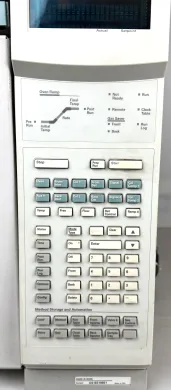
GC columns are the separation element inside a gas chromatograph, a length of fused silica or metal tubing whose inner wall carries a stationary phase that resolves a vaporised sample into its component compounds as a carrier gas sweeps it through. The Questpair catalogue lists 162 of them from 10 verified suppliers and distributors across 9 countries. New, used and refurbished columns are listed, and 92 percent of the listings are used. Prices run from EUR 32 to EUR 25.827. The range covers everything from a short replacement capillary to a complete column set paired with its instrument, which is why the spread in gas chromatography hardware is this wide.
Updated:
GC columns product list
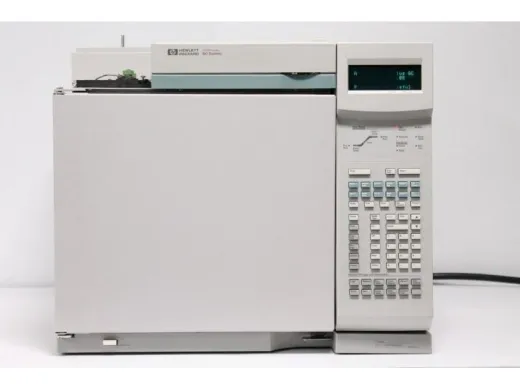
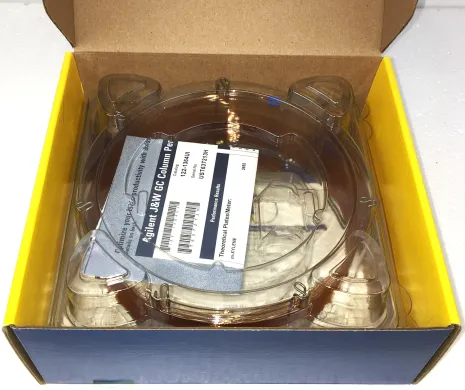
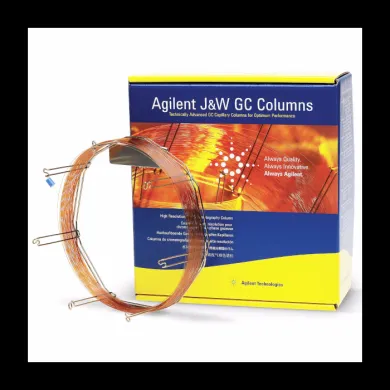
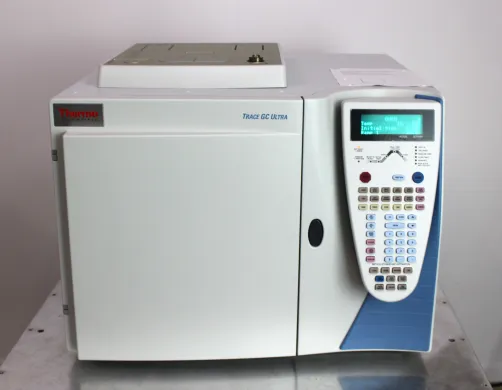


Not the exact instrument you need?
Tell our scientists what you are after. We track it down, including off-market supply.
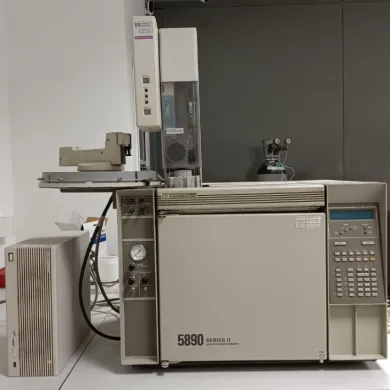
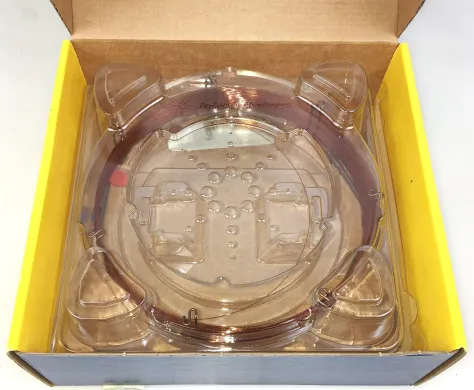
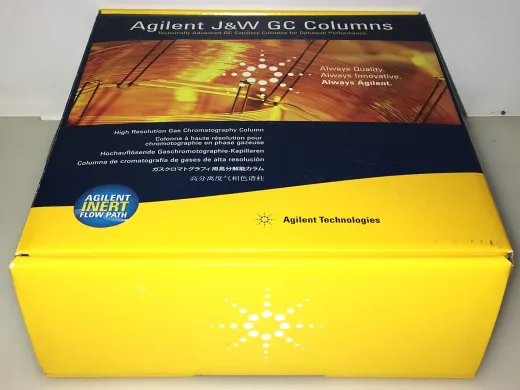
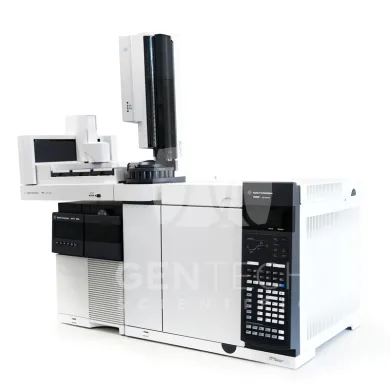
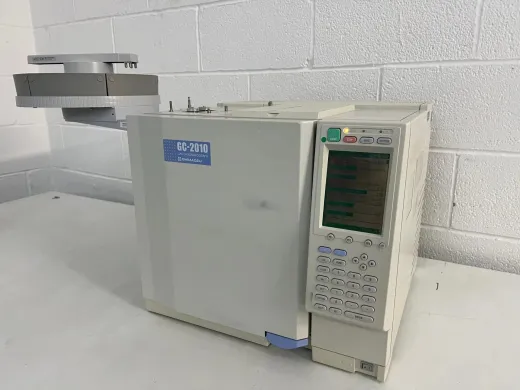
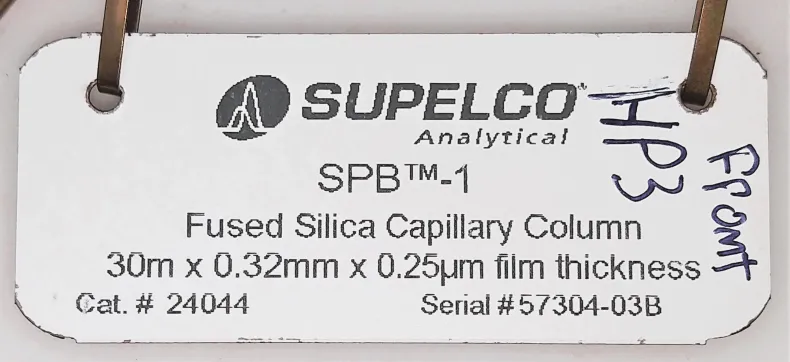
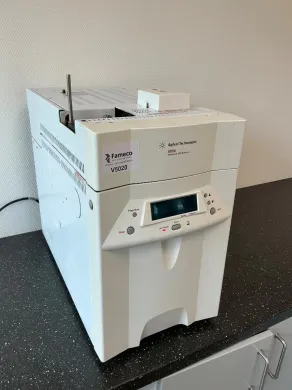
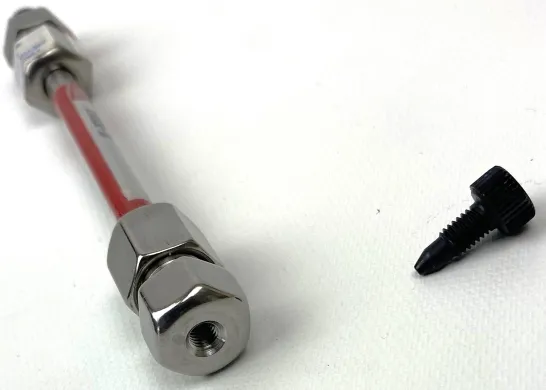
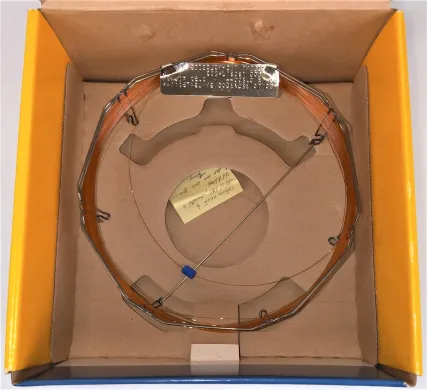
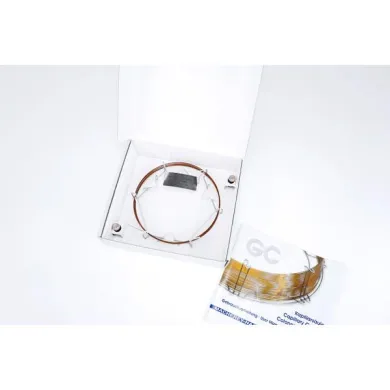
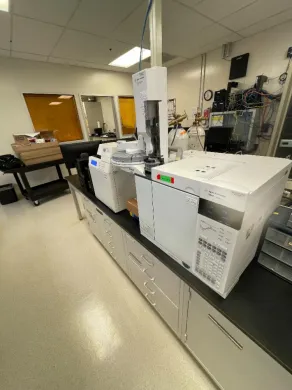
Not the exact instrument you need?
Tell our scientists what you are after. We track it down, including off-market supply.
Showing 1–40 of 138 listings
Show 40 more listingsBuying guide
The stationary phase decides a column before anything else does. A non-polar polydimethylsiloxane phase and a polar polyethylene glycol phase separate the same mixture into different orders, and a method written for one will not transfer to the other without redevelopment. So the first thing to settle is which phase your method specifies, because a column that is physically perfect but carries the wrong chemistry is useless for the analysis you intend to run. Phase thickness matters alongside it: thin films suit volatile analytes and give sharp, fast peaks, thicker films hold onto light compounds long enough to resolve them. Internal diameter and column length then set the trade between resolution and run time, a narrow-bore 0.25 mm column resolving more in a longer analysis, a wider bore moving faster at some cost to peak separation.
A used column carries a history the datasheet cannot show, so this is where verification matters most. The stationary phase degrades with every thermal cycle and with exposure to oxygen and reactive sample matrices, and a column that has been run near its upper temperature limit for years will bleed more and resolve less than its specification suggests. Ask what the column has analysed, how many injections it has seen, and whether the ends have been trimmed, because a shortened column no longer matches its stated length. A test chromatogram, if the seller can supply one, tells you more than any figure on a label. On columns that are effectively consumable, condition is not a detail that follows the specification, it is the specification.
Price here spans two orders of magnitude, which reflects what the single word "column" covers in this catalogue. A bare replacement capillary sits near the floor at EUR 32; a specialist column bundled with instrumentation reaches EUR 25.827. The average listing sits around EUR 2.804. What fits a given budget depends less on the headline figure than on whether you are buying a column alone or a column as part of a larger lot. Agilent, Agilent Technologies, HP, Supelco, Thermo Scientific account for most of what is listed, and a column from a widely stocked maker is easier to cross-reference against your existing method and easier to replace when it wears out. Refurbished and used columns listed for sale are more affordable than new, and for a part that is replaced on a schedule, that difference is where most of the saving on a GC bench comes from.
Types of GC columns
Which GC column types are listed?
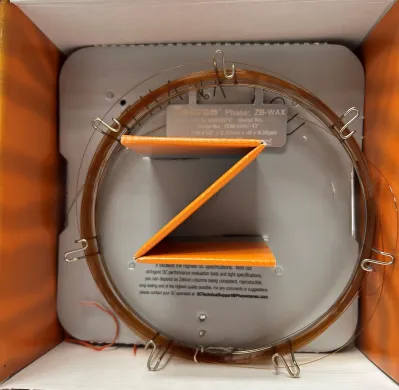
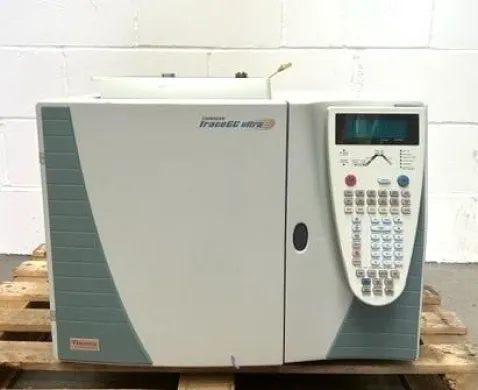
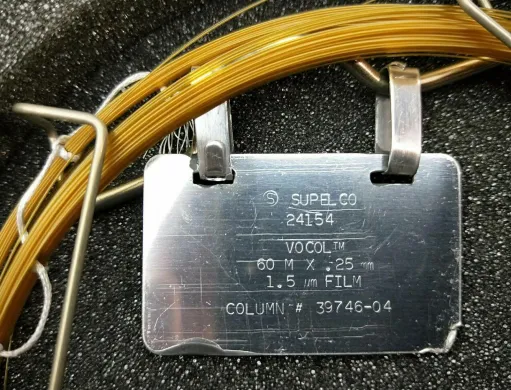
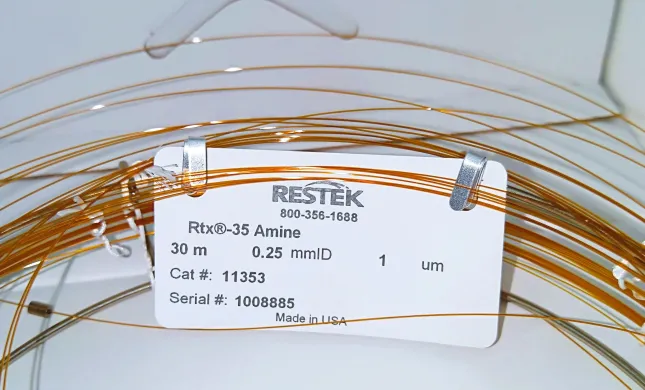
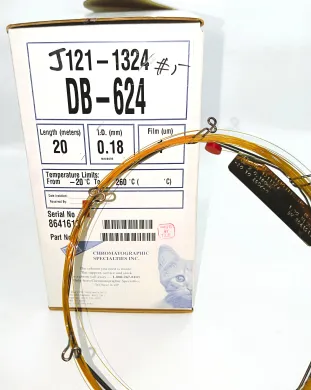
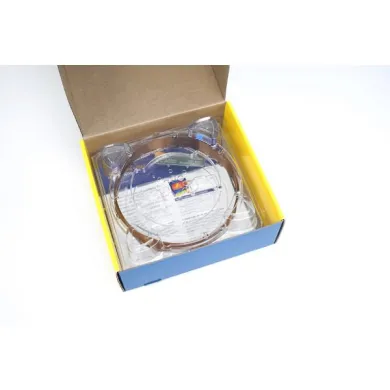
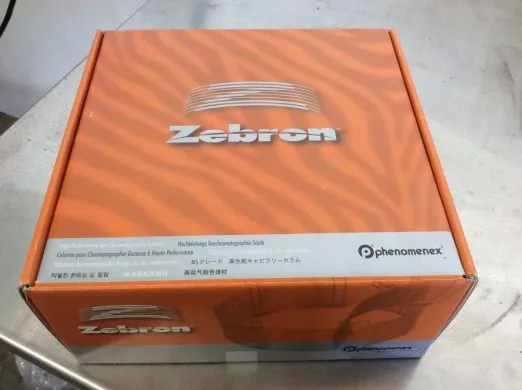
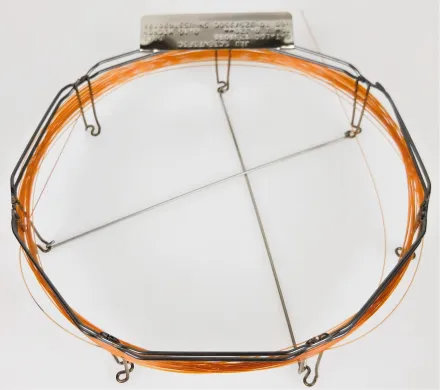
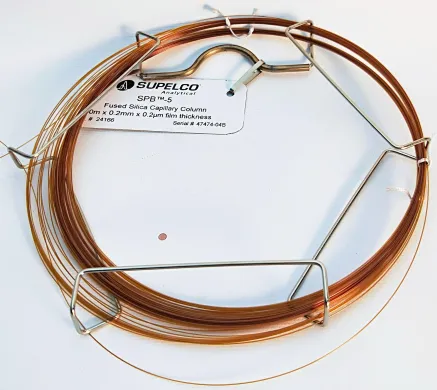
Among the listings that specify a type, the catalogue is dominated by capillary formats. A capillary gas chromatography column is a narrow fused-silica tube, typically 0.1 to 0.53 mm internal diameter, with the stationary phase coated as a thin film on the inner wall; it delivers the high efficiency that most modern gas chromatography relies on. Capillary GC columns and capillary columns appear under slightly varying labels but describe the same class of hardware, the small differences coming down to bore, film thickness and phase chemistry rather than construction. Some listings sit under the broader "analytical instrument" and "gas chromatograph" headings because the column arrives as part of a complete system rather than on its own. These are the same separation parts, bundled differently.
Gas chromatography is a workhorse of molecular diagnostics, metabolomics and environmental analysis, and the columns listed here do that work directly. Capillary GC columns run volatile-compound separations in proteomics sample workflows, headspace analysis of residual solvents in biomanufacturing, and the quantification of fatty acid methyl esters in lipidomics. In microbiology they underpin microbial identification by cellular fatty acid profiling, a long-established gas chromatography method. They also appear in pharmaceutical formulation and quality control, where residual solvent testing by gas chromatography is a routine release assay. The common thread is any analysis that depends on separating thermally stable, vaporisable compounds before detection.
The brands behind the GC column listings
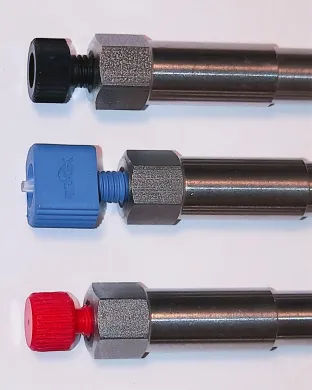
Agilent, Agilent Technologies, HP, Supelco, Thermo Scientific make up most of what is listed here. For a buyer, that concentration is an advantage. These are the makers whose phase chemistries method developers write against, so a column from one of them can be cross-referenced against a published method by part number rather than guesswork. Replacement parts, ferrules, guard columns and press-fit connectors, are easier to source for widely used formats, and a used column from a common maker is easier to compare against another listing because its specification is documented and familiar. Parts can be sourced via Questpair where a listing needs completing.
What a used GC column costs here
149 of the 162 listings are used and 13 are new; 92 percent of the listings are used. Prices range from EUR 32 to EUR 25.827. That spread is the gap between a single replacement capillary and a column supplied as part of an instrument package, not a reflection of quality. Used and refurbished columns are listed below new prices, which for a part replaced on a schedule is where the saving sits. Where warranty matters on a higher-value listing, it is arranged in consultation for the specific listing.
Frequently asked questions
What is a GC column?
A GC column is the separation element inside a gas chromatograph: a length of fused silica or metal tubing whose inner wall carries a stationary phase. As a carrier gas sweeps a vaporised sample through it, the column resolves that sample into its component compounds before they reach the detector.
What does GC column mean?
GC stands for gas chromatography, so a GC column is the tube where the actual chromatographic separation happens. The name refers to the separation hardware specifically, not the whole instrument, though some listings bundle the column with a complete system.
How do GC columns work?
A vaporised sample is carried through the column by an inert carrier gas, and each compound in the sample interacts with the stationary phase coated on the inner wall to a different degree. Compounds that interact more strongly move slower, so they separate out and reach the detector at different times, which is how the chromatogram is produced.
What types of GC columns are there?
The catalogue is dominated by capillary formats, listed under labels such as capillary gas chromatography column, capillary GC column and capillary column. These describe the same class of narrow fused-silica tubing, with differences coming down to bore, film thickness and phase chemistry; some columns also appear under broader headings like gas chromatograph or analytical instrument because they arrive as part of a complete system.
What are GC columns used for?
They separate thermally stable, vaporisable compounds before detection, which covers residual solvent testing in pharmaceutical quality control, headspace analysis in biomanufacturing, fatty acid methyl ester quantification in lipidomics, and microbial identification by cellular fatty acid profiling. Any analysis that depends on resolving a vaporised mixture into its components can use one.
How do I choose a GC column?
Start with the stationary phase your method specifies, because a non-polar and a polar phase separate the same mixture in different orders and a method will not transfer between them without redevelopment. After phase, settle film thickness for your analyte volatility, then internal diameter and length, which trade resolution against run time.
What is the difference between a refurbished and a used GC column?
Both are listed below new prices, and for a column, condition matters more than the label. The stationary phase degrades with thermal cycling and exposure to oxygen, so ask what the column has analysed, how many injections it has seen, and whether the ends have been trimmed, since a trimmed column no longer matches its stated length.
How much does a GC column cost?
Prices in the catalogue range from EUR 32 to EUR 25.827, with the average listing around EUR 2.804. That spread reflects the difference between a bare replacement capillary near the floor and a specialist column bundled with instrumentation at the top, rather than a difference in quality.
What are the best brands for GC columns?
The listings here are dominated by Agilent, Agilent Technologies, HP, Supelco and Thermo Scientific. These are makers whose phase chemistries are widely documented, so a column can be cross-referenced against a published method by part number rather than by guesswork.
Is there a warranty on a refurbished GC column?
A warranty is often possible and is arranged in consultation for the specific listing, which matters more on higher-value column packages than on a single consumable capillary. Check the individual listing for what applies to it.
Can I get parts for a GC column?
Parts such as ferrules, guard columns and press-fit connectors can be sourced via Questpair where a listing needs completing. Widely used formats from common makers are generally easier to complete than obscure ones.
How long does a GC column last?
A GC column is effectively a consumable, and its working life depends on how it has been used rather than its age. Running near the upper temperature limit, exposure to oxygen, and reactive sample matrices all degrade the stationary phase, so a column that has been run hard for years will bleed more and resolve less than its specification suggests.
New versus refurbished GC column, which should I buy?
Used and refurbished columns are listed at lower prices than new, and for a part that is replaced on a schedule, that difference is where most of the saving comes from. If you buy used, weigh the price against the column's history and ask for a test chromatogram; warranty terms are set per listing in consultation, not centrally.
Where can I buy a GC column?
The Questpair catalogue lists 162 GC columns from 10 verified suppliers and distributors across 9 countries. You can compare listings there by brand, type and condition.
What are the lead time and shipping on a GC column?
Lead time and shipping depend on the individual listing and the supplier offering it, since the catalogue spans 10 suppliers across 9 countries. Check the specific listing for its terms, or contact Questpair, where specialists respond within an hour.
How do I handle calibration and maintenance on a GC column?
A column is not calibrated in the instrument sense; instead you condition it before use and verify its performance with a test chromatogram against your method. Trimming damaged ends and keeping the column within its temperature limit are the main ways to extend its working life, and note that Questpair does not offer servicing.
Which GC column types are most listed here, and who reaches for which?
Capillary formats dominate the listings, labelled as capillary gas chromatography column, capillary GC column and capillary column, because they deliver the efficiency modern gas chromatography relies on. Method developers in proteomics, lipidomics, environmental analysis and pharmaceutical QC all reach for capillary columns, choosing bore, film thickness and phase to match their specific analytes.
Which brands dominate the GC column listings, and what does that mean for a buyer?
Agilent, Agilent Technologies, HP, Supelco and Thermo Scientific make up most of what is listed. For a buyer, that concentration helps: a column from one of these makers can be matched to a published method by part number, its specification is documented and familiar for comparing used listings, and replacement parts for common formats are easier to source.
What separates the cheapest GC columns from the most expensive here?
The price band spans two orders of magnitude, from EUR 32 to EUR 25.827, and the gap is mostly about what you are buying rather than quality. A bare replacement capillary sits near the floor, while a specialist column supplied as part of an instrument package reaches the top; condition and brand familiarity shift price within that range too.