53k+ listingsShips to NLResponse within one hour+31 73 711 4717info@questpair.com
Procurable · sourced on request

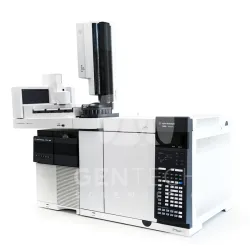
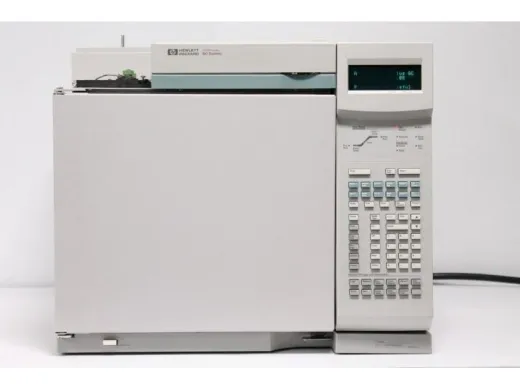
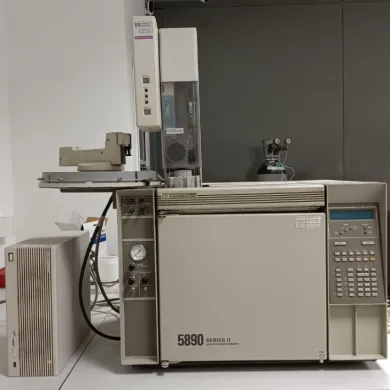
Agilent 7890B

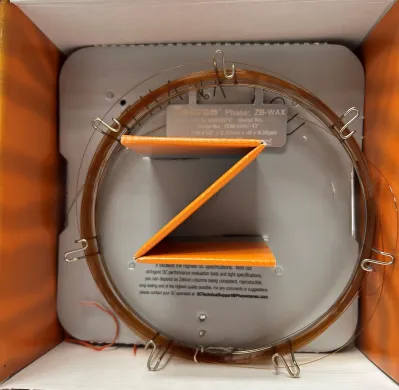
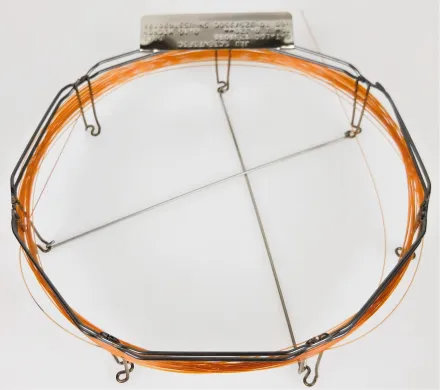
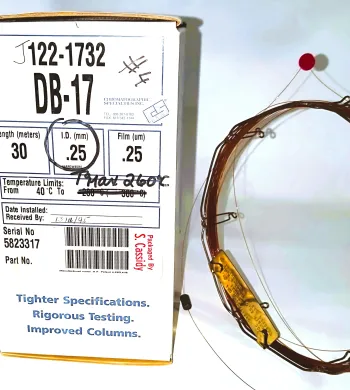
UsedAgilentGC columnsNetherlands
Procurable

Not in stock, available to order through our sourcing team

Not in stock, but we can get it for you

We source this model through our supplier network. Request a quote and we'll come back within one hour.

  1. Request a quote
  2. We confirm price and lead time
  3. You approve, we ship to you
Temperature Range
50 to 450 °C
Humidity Range
5% to 95% (non-condensing)
Detector Temperature
Up to 300 °C
Oven Temperature Range
Ambient +4 °C to 450 °C
Oven Temperature Setpoint Resolution
0.1 °C
Availability
Procurable
Lead time
Confirmed with your quote
All 25 specifications
  • Ships to NL
  • Response within 1 hour
  • Warranty available. Buy without worry
  • Support from a scientist

Specifications 25

Brands
Agilent
New/Used
Used
Dimensions
660 x 508 x 432 mm
Weight
22.68 kg
Temperature Range
50 to 450 °C
Humidity Range
5% to 95% (non-condensing)
Detector Temperature
Up to 300 °C
Oven Temperature Range
Ambient +4 °C to 450 °C
Oven Temperature Setpoint Resolution
0.1 °C
Oven Cooldown Time
4 min (from 450 °C to 50 °C at 22 °C ambient)
Oven Ramp Rate
75 °C/min
Power Supply
100–240 VAC, 50/60 Hz
Detector Gas Flow Rates
Air: 0 to 800 ml/min; H2: 0 to 100 ml/min; Make-up gas: 0 to 100 ml/min
Carrier Gas Flow Rates
He: 0 to 12 ml/min; Reference gas: 0 to 100 ml/min
Make-up Gas Flow Rate
0 to 12 ml/min
Reference Gas Flow Rate
0 to 100 ml/min
Carrier Gas Options
Helium, Hydrogen, Nitrogen
Detector Types
FID, TCD, Micro-ECD, NPD, FPD, SCD, NCD
Retention Time Repeatability
< 0.008% or < 0.0008 min
Area Repeatability
< 1% RSD
Pressure Setpoint Precision
0.001 psi
Column Oven Temperature Ramp Rate
75 °C/min
Column Oven Cooldown Time
4 min (from 450 °C to 50 °C at 22 °C ambient)
Availability
Procurable
Lead time
Confirmed with your quote

Product description

High-performance GC with Capillary Flow Tech, Retention Time Locking, and Electronic Pneumatic Control for precise analysis.

The Agilent 7890B Gas Chromatograph (GC), introduced in 2013, is a high-performance analytical instrument designed for precise separation and analysis of complex chemical mixtures. Renowned for its reliability and versatility, this GC system is widely utilised across various scientific disciplines, including biotechnology, pharmaceuticals, environmental science, and food safety.

Key features of this system include:

  • Capillary Flow Technology (CFT): Enables advanced chromatographic techniques such as multi-dimensional gas chromatography (GC-GC/Deans Switch) and comprehensive two-dimensional gas chromatography (GCxGC) with flow modulation, enhancing analytical capabilities.
  • Retention Time Locking (RTL): Ensures consistent retention times across injections, columns, and instruments, facilitating method transfer and data comparability.
  • Electronic Pneumatic Control (EPC): Provides precise control over carrier and detector gases, improving retention time and area count repeatability.
  • Inert Flow Path: Enhances sensitivity for active compounds, ensuring accurate detection from injection to detection.
  • Carrier Gas Options: Features a Helium Conservation Module and Hydrogen Sensors, offering flexibility and reducing operational costs.

In the biotechnology sector, the Agilent 7890B GC is instrumental in applications such as metabolomics, bioprocess monitoring, and quality control of biopharmaceuticals. Its precise analytical capabilities are essential for detecting and quantifying volatile and semi-volatile compounds in complex biological matrices, supporting research and development in synthetic biology and molecular diagnostics.

This system is commonly employed in university laboratories, biomedical research centres, pharmaceutical companies, and environmental testing facilities. Its robust design and advanced features make it a preferred choice for laboratories seeking reliable and efficient gas chromatographic analysis.

Why Questpair exists

Lab equipment markets are fragmented. Buyers spend weeks calling distributors, comparing quotes, and verifying supplier reliability. Sellers struggle to reach global research labs.

We built Questpair to fix this. Every supplier on the platform is verified before listing. Every quote you receive comes from a real, vetted seller. AI prepares your case in minutes, then a real specialist takes over.

We're an independent team based in The Netherlands, working with research labs and procurement teams across Europe and worldwide.

Frequently asked questions

How long does laboratory equipment typically last?

With a service contract, ten to fifteen years is normal for most benchtop instruments. Detectors and pumps are the parts that wear first.

Can I get service for older equipment?

Often, yes. Verified suppliers frequently work with service partners converting the instrument. If applicable, we can list servicing options alongside the offer.

Where can I buy parts?

Ask a scientist through the request button. Parts are often available even when the instrument itself is discontinued.

What is the typical lead time for refurbished equipment?

Two to six weeks, depending on refurbishment scope and whether calibration is included.

Does laboratory equipment ship internationally?

We ship to 38 countries. Crating and customs handling are quoted with the instrument.

Reply in one hour

Can't find the exact configuration?

Tell us what you need and a scientist finds it for you, usually within the hour.

Last updated 4 November 2026