

Conductivity meters
We personally find you the right used, refurbished and new conductivity meters instruments & equipment from verified suppliers.
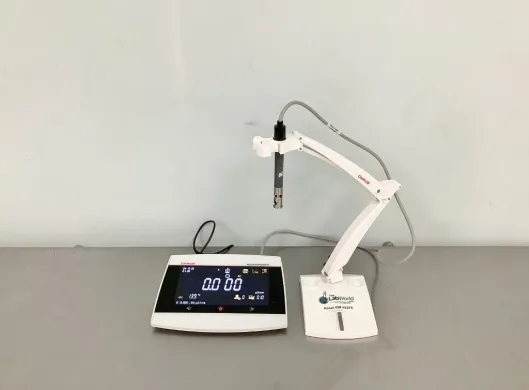
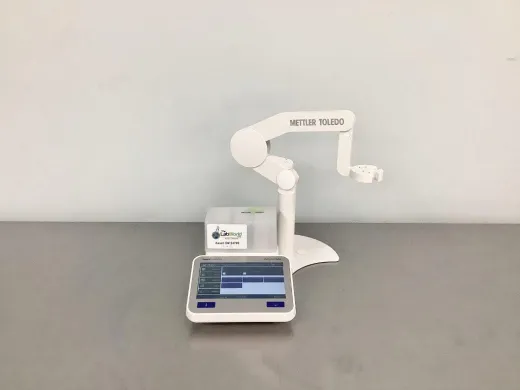
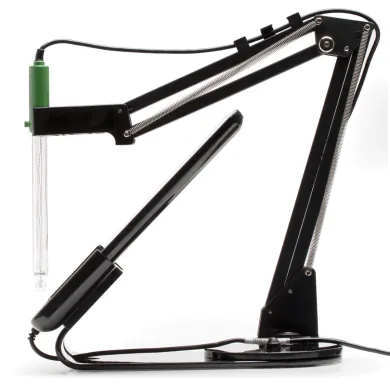
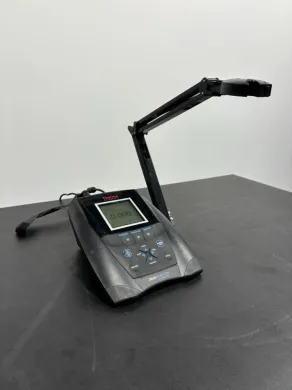
Conductivity meters are instruments that measure the electrical conductivity of a solution, reporting how readily it carries current as a proxy for dissolved ion concentration. The reading is taken with a probe that applies a small alternating voltage across two or more electrodes and tracks the resulting current. Of the 249 conductivity meters in the Questpair catalogue, 90 percent of the listings are used, drawn from 17 verified suppliers and distributors across 9 countries. Prices run from EUR 26 to EUR 18.989. New, used and refurbished units all appear, from handheld field probes to benchtop laboratory models that combine conductivity with a pH channel.
Updated:
Conductivity meters product list
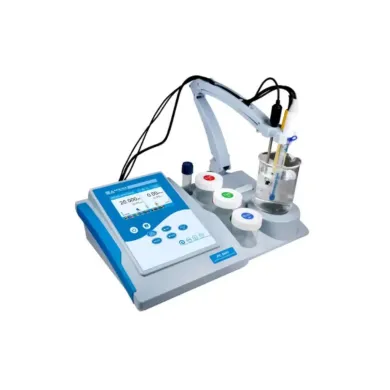
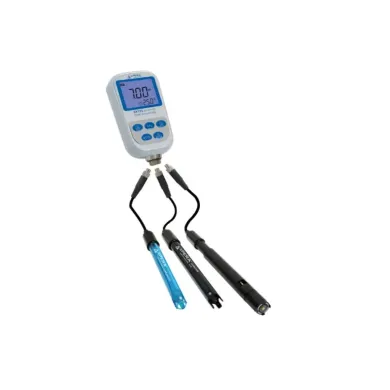
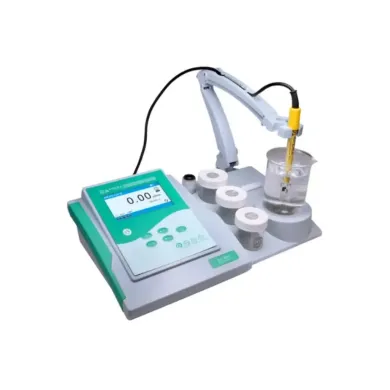
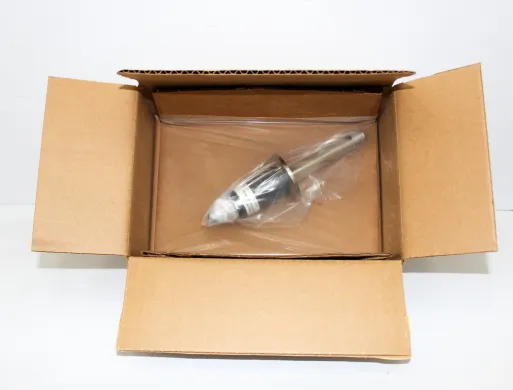


Not the exact instrument you need?
Tell our scientists what you are after. We track it down, including off-market supply.
Not the exact instrument you need?
Tell our scientists what you are after. We track it down, including off-market supply.
Showing 1–40 of 140 listings
Show 40 more listingsBuying guide
The specification that settles most purchases is measurement range paired with cell constant. A conductivity meter does not read conductivity directly; it reads resistance across the cell and converts it using the cell constant of the probe, typically 0.1, 1.0 or 10 per centimetre. A low cell constant suits pure water and trace ionic work, a high one suits concentrated brines and process streams. A meter quoted for a wide range on paper still depends on matching the right probe to the sample, so the first thing to confirm is which cell constants a given unit supports and whether the probe you need is included or sold separately. Temperature compensation is the second half of this: conductivity rises with temperature, and a meter without automatic compensation to a reference temperature returns numbers that drift with the room.
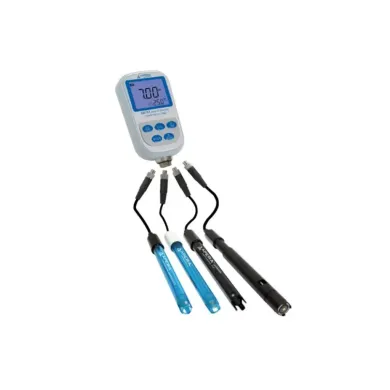
On a used unit the electrode is where cost hides. A conductivity probe degrades as its electrode surface fouls or its platinum black coating wears, and a meter can read perfectly while its sensor is at the end of its life. Ask whether the probe is original, how it has been stored, and whether the seller has a recent calibration record against a standard solution. The meter body itself ages slowly; the sensor does not. Recalibration against a traceable KCl standard is routine and inexpensive, so a used electrochemical analyser or benchtop meter that arrives uncalibrated is not a problem, but a worn electrode is a replacement cost to factor into what you pay.
Price spans a wide band here, which reflects the gap between a pocket conductivity tester and a laboratory electrochemical analyser that logs data and runs multiple parameters. The current catalogue runs from EUR 26 to EUR 18.989, averaging EUR 713. A buyer working to a tight budget will find portable meters and simpler benchtop units at the low end, where a used instrument costs well below a new one. The brands occupying the middle and upper bands, names such as Thermo Scientific, Mettler Toledo, Ohaus, Thermo Fisher Scientific, Apera, hold their value because parts and standard probes remain available, which also makes their models easier to compare like for like. Refurbished meters listed for sale sit below new pricing across the range, and the cheaper the model, the smaller the absolute saving, so on an entry-level unit the condition matters more than the discount.
Types of Conductivity meters
Which conductivity meter types are listed?
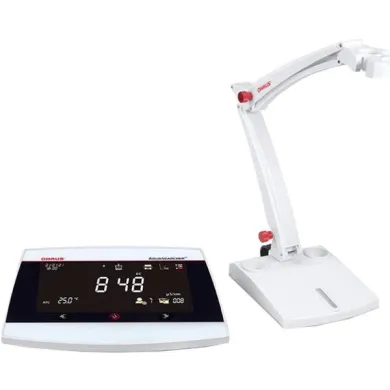
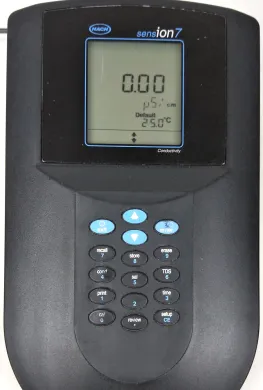
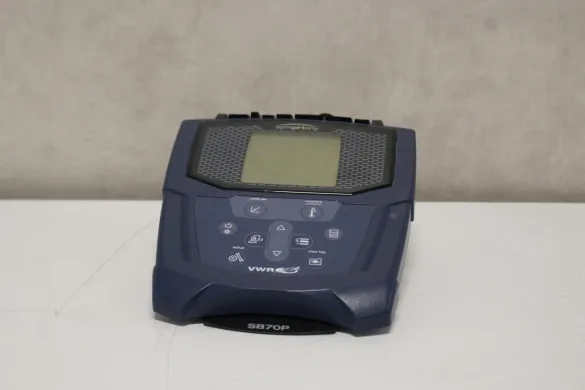
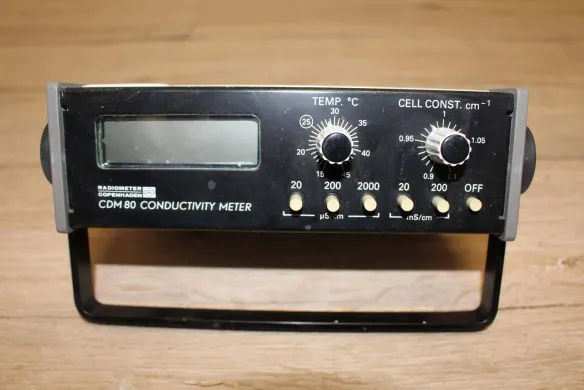
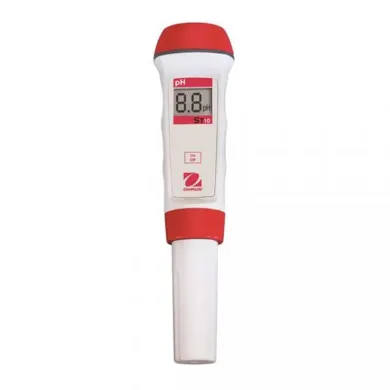
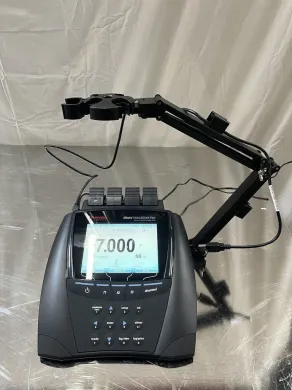
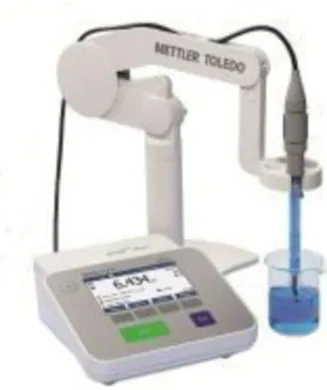
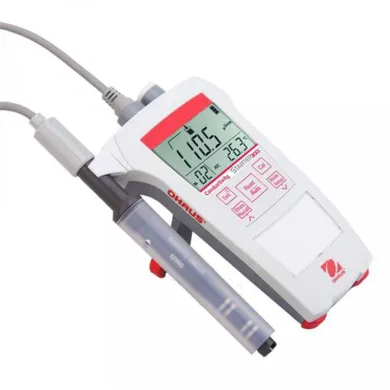
Among the listings that specify a type, the range splits along two lines: what the meter measures and where it is used. A straight conductivity meter reads only conductivity and its derived values, total dissolved solids and salinity. Many of the instruments here are dual-parameter, combining a conductivity channel with a pH channel in one body, which is why pH meters and benchtop pH meters appear alongside them in the catalogue. The electrochemical analyser sits at the capable end, handling conductivity, pH and often ion-selective or redox measurement from a single platform with data logging. The portable conductivity meter is built for field and production-floor use, battery-powered and sealed against splashes, while the benchtop conductivity meter trades mobility for a stable stand, a larger display and tighter resolution. These instruments do gravimetric-free water analysis in environmental monitoring, where conductivity is a fast screen for ionic load, and conductivity measurement is a standard check in cell culture media preparation and in buffer formulation for protein purification, so laboratory meters also serve molecular biology and bioprocessing workflows. In microbiology and water-quality work, a benchtop conductivity meter is also used for verifying the purity of reagent-grade water before it enters an assay.
The brands behind the conductivity meter listings
The meters here come mostly from Thermo Scientific, Mettler Toledo, Ohaus, Thermo Fisher Scientific, Apera. For a buyer, that concentration is useful: these makers keep standard KCl calibration solutions and replacement probes in wide circulation, so a used unit from one of them can be recalibrated and re-electroded without hunting for discontinued parts. Their model lines are also well documented, which makes it straightforward to compare specifications across two listings and to know what a given cell constant or resolution figure means on each. Parts for these instruments can be sourced via Questpair, and where a buyer needs the manual for an older model, specialists respond within one hour.
What a used conductivity meter costs here
The catalogue holds 249 meters, and 90 percent of the listings are used. Prices run from EUR 26 to EUR 18.989, with an average of EUR 713. That spread covers everything from a basic handheld tester to a multi-parameter benchtop analyser with logging, so the position of any single meter within the band tracks its capability rather than its condition. Used and refurbished units are listed below new pricing throughout. Across spellings, whether you search the Questpair catalogue or catalog, the condition and brand are stated on each individual listing, and warranty is arranged in consultation for that specific unit.
Frequently asked questions
What is a conductivity meter?
A conductivity meter is an instrument that measures the electrical conductivity of a solution, which reflects how readily it carries current and serves as a proxy for dissolved ion concentration. The measurement is made with a probe that applies a small alternating voltage across two or more electrodes and tracks the resulting current.
What does conductivity actually mean on these meters?
Conductivity is the ability of a solution to conduct electrical current, expressed in units such as siemens per centimetre. Most meters also derive total dissolved solids and salinity from the same reading.
How do conductivity meters work?
The meter does not read conductivity directly; it reads resistance across the measuring cell and converts it using the cell constant of the probe, typically 0.1, 1.0 or 10 per centimetre. A small alternating voltage is applied to avoid polarising the electrodes, and temperature is factored in because conductivity rises as the sample warms.
What types of conductivity meters are there?
The catalogue covers straight conductivity meters, dual-parameter units that add a pH channel, electrochemical analysers that handle conductivity, pH and often ion-selective or redox measurement, portable conductivity meters for field use, and benchtop conductivity meters built for stable lab work. Benchtop pH meters and electrochemical analysers appear alongside them because many instruments combine channels in one body.
What is a conductivity meter used for?
Conductivity is a fast screen for ionic load in environmental and water-quality monitoring, and a standard check in cell culture media preparation and buffer formulation for protein purification. A benchtop unit is also used to verify the purity of reagent-grade water before it enters an assay.
How do I choose a conductivity meter?
Start with the measurement range paired with the cell constant you need: a low cell constant suits pure water and trace ionic work, a high one suits concentrated brines and process streams. Confirm which cell constants a unit supports, whether the probe is included or sold separately, and whether the meter offers automatic temperature compensation.
What is the difference between refurbished and used?
A used meter is sold in its existing condition, while a refurbished unit has been checked and brought back toward working order before listing. Both are listed below new pricing, and the condition and any work done are stated on each individual listing.
How much does a conductivity meter cost?
Prices in the catalogue range from EUR 26 to EUR 18.989, with an average of EUR 713. Where a given meter sits in that band tracks its capability, from a pocket tester to a multi-parameter benchtop analyser with logging, rather than its condition.
Which brands make the conductivity meters listed here?
The meters come mostly from Thermo Scientific, Mettler Toledo, Ohaus, Thermo Fisher Scientific and Apera. These makers keep standard KCl calibration solutions and replacement probes in wide circulation, which makes recalibrating and re-electroding a used unit practical.
Is there a warranty on a refurbished conductivity meter?
A warranty is often possible and is arranged in consultation for the specific listing. Check the condition and details stated on that listing before purchase.
Can I get replacement probes and parts?
Parts, including replacement probes, can be sourced via Questpair. Because the common brands here keep standard probes and KCl solutions in circulation, a worn electrode on a used unit is usually a replacement cost rather than a dead end.
How long does a conductivity meter last?
The meter body ages slowly, but the probe is the wearing part: its electrode surface fouls and any platinum black coating degrades over time. A meter can read correctly while its sensor is at the end of its life, so the probe condition matters more to longevity than the body.
Should I buy new or used?
Used and refurbished meters are listed at lower prices than new across the range. On a cheaper model the absolute saving is smaller, so the condition of the probe matters more than the discount; weigh each case on the specific listing, where warranty is arranged in consultation.
Where can I buy a conductivity meter?
They are listed on Questpair from 17 verified suppliers and distributors across 9 countries, with 249 meters in the catalogue. Each listing states its condition, brand and price.
What are the lead time and shipping like?
Lead time and shipping depend on the individual supplier and the unit's location, so they are confirmed per listing. With suppliers across 9 countries, the origin point varies between listings.
How do I calibrate and maintain a conductivity meter?
Recalibration against a traceable KCl standard solution is routine and inexpensive, so a unit that arrives uncalibrated is not a problem. Maintenance centres on the probe: keep the electrode clean and stored correctly, and ask a seller for a recent calibration record when buying used.
Which types are most listed, and who reaches for which?
Straight conductivity meters, dual-parameter conductivity-and-pH units, electrochemical analysers, portable meters and benchtop meters all appear. Field and production-floor users reach for the portable, battery-powered, sealed models, while labs doing media preparation, buffer work or reagent-water checks tend toward benchtop units with tighter resolution.
Which brands dominate this category and what does that mean for me?
Listings concentrate around Thermo Scientific, Mettler Toledo, Ohaus, Thermo Fisher Scientific and Apera. That concentration means calibration solutions and replacement probes stay in wide circulation and the model lines are well documented, so you can recalibrate a used unit and compare cell constant or resolution figures across two listings.
What separates the cheap end of the price band from the top?
The low end holds pocket testers and simpler portable or benchtop units with a single conductivity channel, where a used instrument costs well below new. The top end covers benchtop electrochemical analysers that run multiple parameters and log data, so the spread from EUR 26 to EUR 18.989 reflects capability rather than condition.