

Spectroscopy
We personally find you the right used, refurbished and new spectroscopy instruments & equipment from verified suppliers.
Spectroscopy is the set of analytical techniques that measure how matter absorbs, emits or scatters electromagnetic radiation, used to identify substances and quantify their concentrations. Instruments in this class span elemental analysis, molecular identification and optical rotation, each reading a different part of the spectrum. On Questpair, 777 spectroscopy listings are available from 19 verified suppliers and distributors across 12 countries. New, used and refurbished laboratory units are listed side by side, and 95 percent of the listings are used. Prices run from EUR 45 to EUR 201.000, a spread that reflects the gap between a bench polarimeter and a full ICP-MS platform. Spectroscopy underpins work in environmental testing, pharmaceutical quality control and materials characterisation.
Updated:
Spectroscopy product list
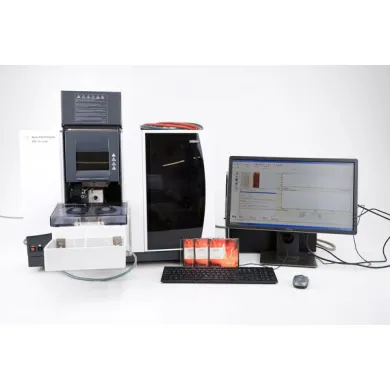
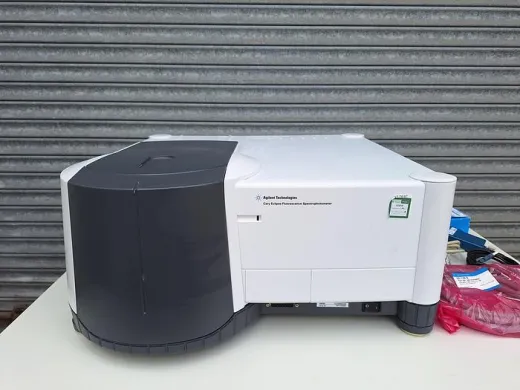
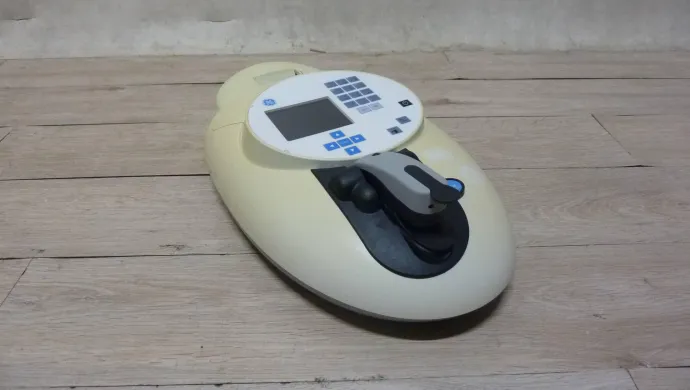


Not the exact instrument you need?
Tell our scientists what you are after. We track it down, including off-market supply.
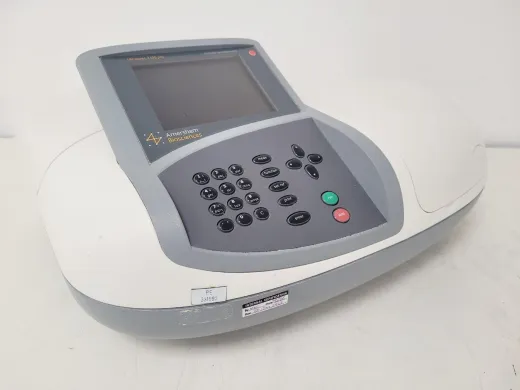
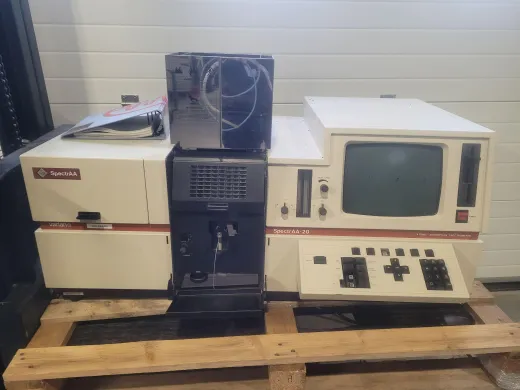
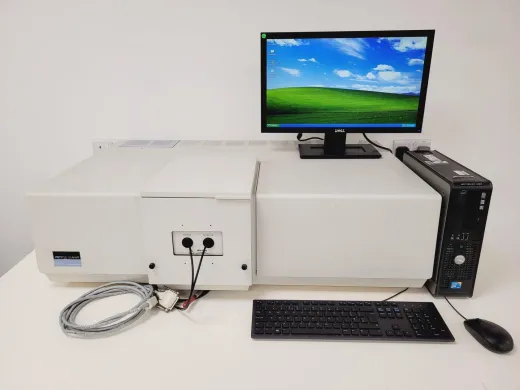
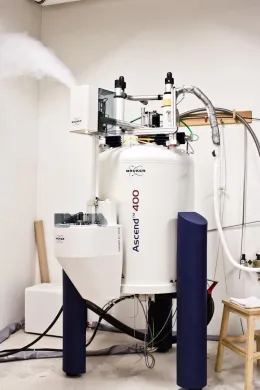
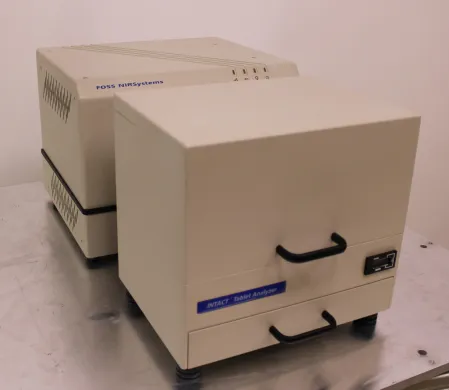
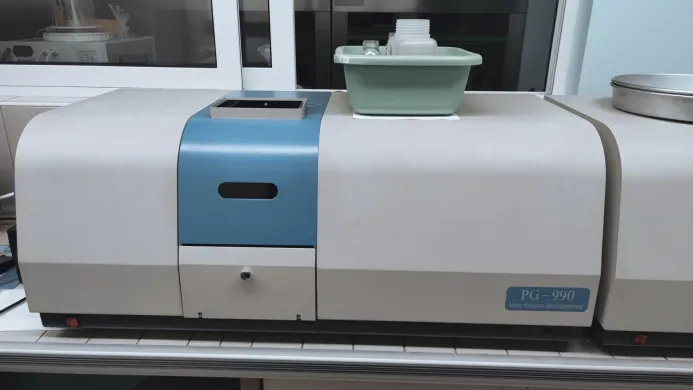
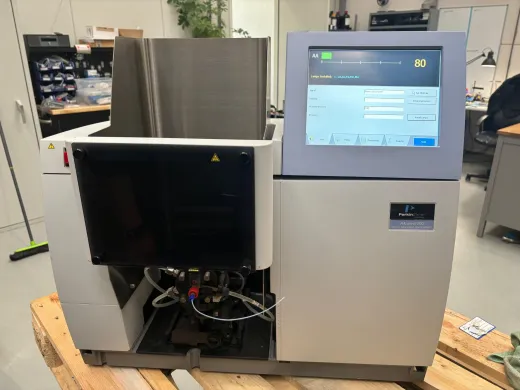
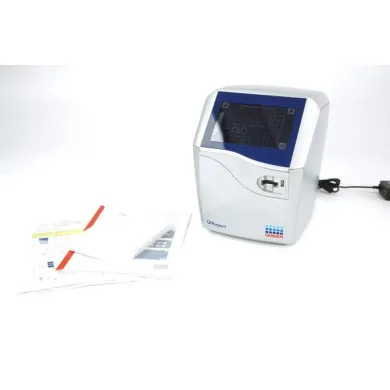
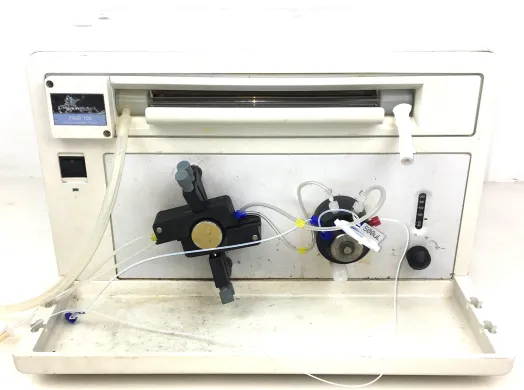
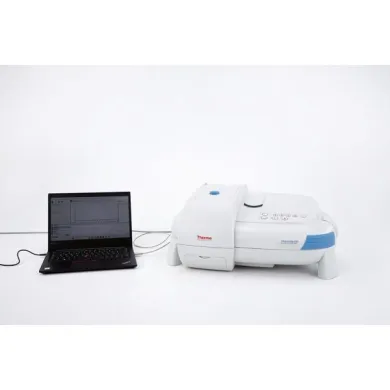
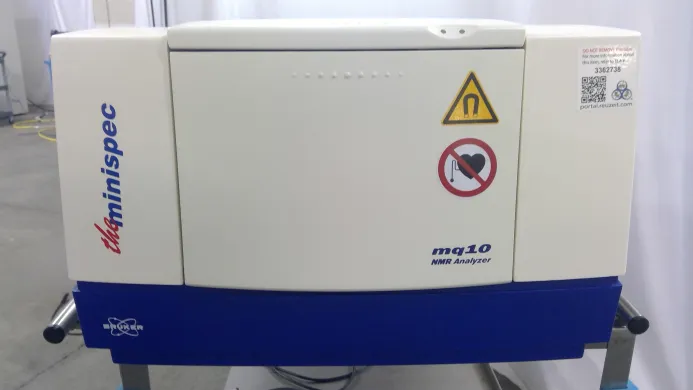
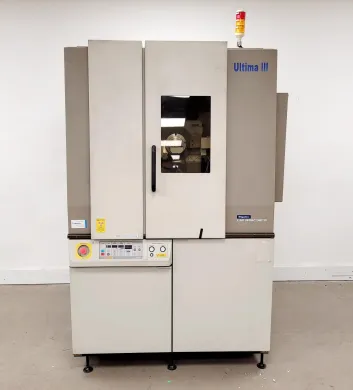
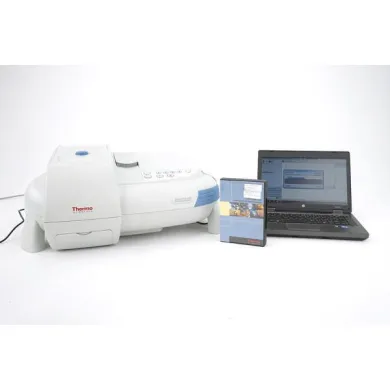
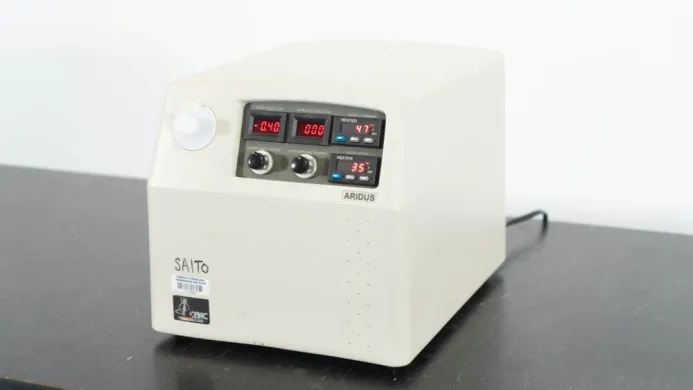
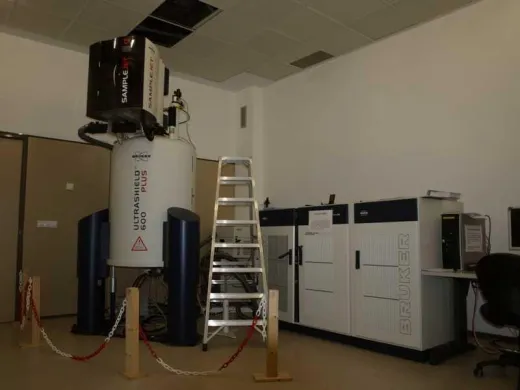
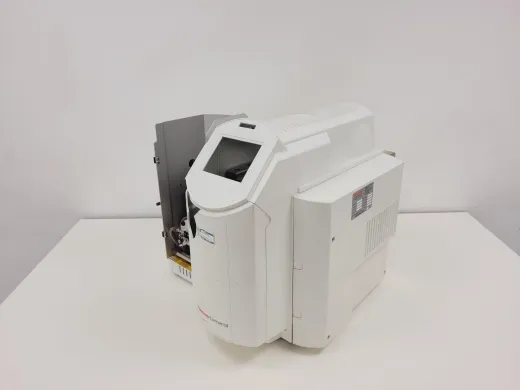
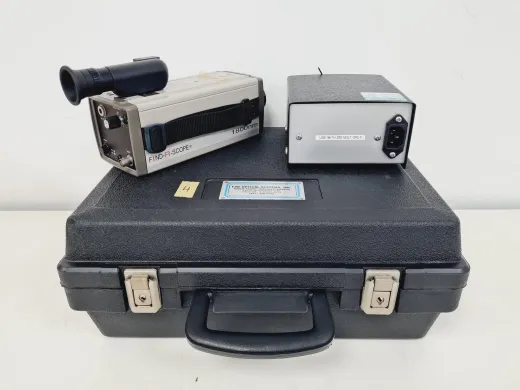
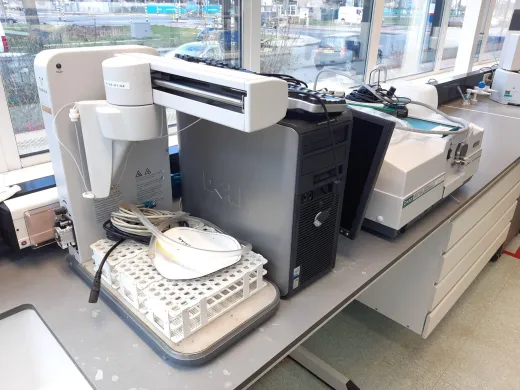
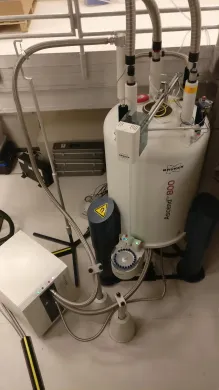
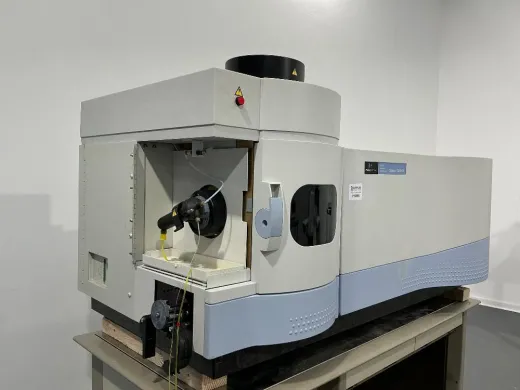
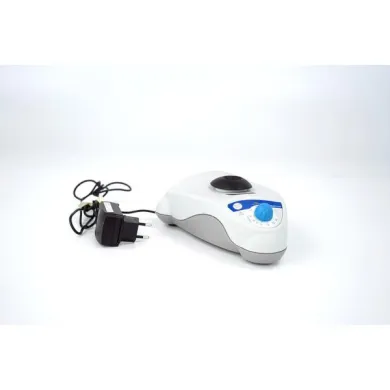
Not the exact instrument you need?
Tell our scientists what you are after. We track it down, including off-market supply.
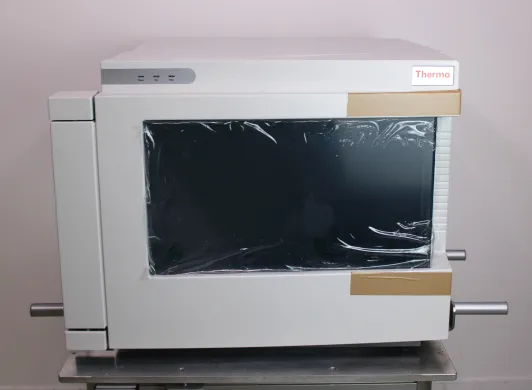
Showing 1–40 of 460 listings
Show 40 more listingsBuying guide
Which part of the spectrum your method needs?
What settles a spectroscopy purchase first is not price or condition but the physics the method requires, because that decides the whole instrument class before any other factor comes into play. Elemental analysis at trace levels points to inductively coupled plasma, either optical emission or mass spectrometry, where detection limits reach parts per trillion. Molecular identification of organic compounds points to infrared or near-infrared. Concentration of a single element at higher levels is often adequate on an atomic absorption instrument, which costs far less than ICP. Optical rotation of chiral compounds needs a polarimeter and nothing else. A buyer who fixes the technique first can read every later specification, sample throughput, wavelength range, detector type, against a shortlist of instruments that can actually do the work, rather than comparing machines that answer different questions.
Once the technique is set, a used unit carries risks the datasheet does not show. Plasma-based instruments have torches, nebulisers and cones that wear and that a buyer should confirm are present and serviceable. Detector performance drifts over an instrument's life, so ask when the unit was last calibrated and against what standards. Optical benches can fall out of alignment in transit. For any used spectrometer, confirm that the control software runs on a current operating system, since legacy instruments are frequently tied to a computer the seller cannot replace. These checks matter more here than headline specifications, because a correctly specified instrument that arrives out of calibration still costs weeks before it produces usable data.
Price on this marketplace spans a wide band, and knowing where a technique sits in it helps a buyer set a realistic budget. A simple polarimeter occupies the low end; a research-grade ICP-MS occupies the high end near EUR 201.000. Across all listings the average sits at EUR 4.966, with the range running from EUR 45 to EUR 201.000. Refurbished units listed for sale are more affordable than new, which is why used instruments dominate this catalogue. The brands that recur most, Thermo, Thermo Scientific, Bruker, Thermo Fisher, Perkin Elmer, set the reference points: their instruments are widely documented, parts are easier to source, and a given model is simpler to compare across sellers than a rarely listed make. What a unit costs therefore tracks both the technique and the brand, and a buyer comparing two listings of the same model from different suppliers is comparing like with like, which the thinner end of the catalogue does not always allow.
Types of Spectroscopy
ICP and ICP-MS instruments
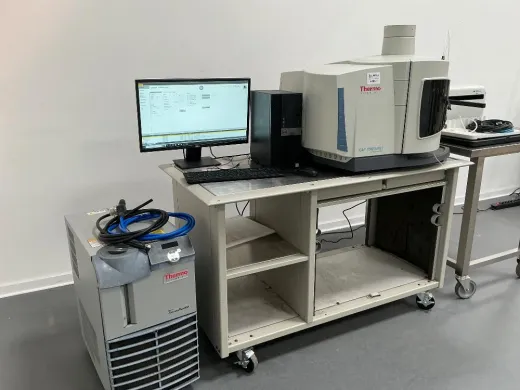
Inductively coupled plasma instruments ionise a sample in an argon plasma that reaches temperatures around 10,000 kelvin, then measure the light emitted (ICP-OES) or the ions themselves (ICP-MS). This is the largest spectroscopy subtype listed here and the technique of choice for multi-element analysis at trace and ultratrace levels. ICP-MS in particular reaches detection limits other elemental techniques cannot, which is why it anchors environmental testing, clinical toxicology and materials work. In the life sciences it does metallomics and trace-metal analysis of biological samples, and it is also used for quantifying metal-based labels in bioanalytical assays. Buyers of these units should weigh running costs alongside purchase price, since argon consumption and consumable cones add to the total.
Atomic absorption spectrometers
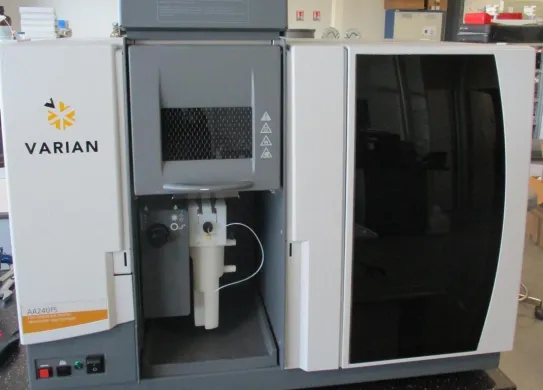
Atomic absorption spectrometry measures the light a free atom absorbs at a characteristic wavelength, giving the concentration of a single element per reading. It is older and narrower than ICP but considerably cheaper, and remains the practical choice where a laboratory needs one or a few elements rather than a full panel. Flame and graphite-furnace variants cover different concentration ranges, the furnace reaching lower levels at the cost of slower throughput. Atomic absorption instruments serve routine work in water testing, food analysis and clinical chemistry, and in the life sciences they support trace-element determination in biological fluids and nutritional analysis of cell culture media.
Infrared and FT-IR spectrometers
Infrared spectroscopy identifies molecules from the way their bonds absorb infrared light, producing a spectrum that acts as a chemical fingerprint. Fourier-transform infrared (FT-IR) instruments collect the whole spectrum at once and dominate the modern form of the technique. They identify organic compounds and polymers, verify raw materials and detect contaminants without destroying the sample. In molecular biology and biomanufacturing, FT-IR is used for protein secondary structure analysis and for monitoring bioprocessing in real time, and it also supports formulation work where the composition of a mixture has to be confirmed.
Polarimeters
A polarimeter measures optical rotation, the angle by which a chiral substance rotates the plane of polarised light. It is a specialised, lower-cost instrument with a narrow purpose: determining the concentration or optical purity of chiral compounds, which matters wherever a molecule's handedness affects its behaviour. Sugar analysis, essential-oil characterisation and pharmaceutical quality control are the common uses. In molecular diagnostics and pharmaceutical development, polarimetry confirms the enantiomeric purity of active ingredients, since the wrong enantiomer can be inactive or harmful.
NIR spectrometers
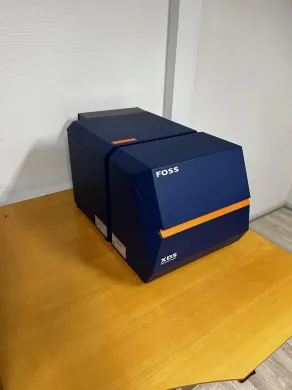
Near-infrared spectroscopy works in the spectral region between visible and mid-infrared light, where overtone and combination bands of molecular vibrations appear. Its strength is speed and minimal sample preparation, which makes it suited to rapid, non-destructive measurement of moisture, protein and fat content across large numbers of samples. NIR is widely applied in agriculture, food testing and pharmaceutical process control. In biomanufacturing it also supports at-line monitoring of cell culture and fermentation, where concentration of substrates and metabolites has to be followed without interrupting the run.
Across these subtypes the catalogue leans heavily toward used instrumentation. New, used and refurbished units are all listed, and 95 percent of the listings are used, with Thermo, Thermo Scientific, Bruker, Thermo Fisher, Perkin Elmer the makes that appear most often. Prices range from EUR 45 to EUR 201.000 depending on the technique and the instrument's capability.
Frequently asked questions
What is spectroscopy?
Spectroscopy is a set of analytical techniques that measure how matter absorbs, emits or scatters electromagnetic radiation. The result is used to identify substances and measure their concentrations.
What does spectroscopy mean?
The term refers to reading the interaction between light and matter across a part of the electromagnetic spectrum. Each technique targets a different region, from elemental emission lines to the molecular vibrations that produce an infrared fingerprint.
How does spectroscopy work?
An instrument exposes a sample to radiation and records how the sample responds at specific wavelengths. In elemental techniques a plasma or flame excites atoms that emit or absorb characteristic light, while in molecular techniques the bonds themselves absorb at wavelengths tied to their structure.
What types of spectroscopy instruments are there?
The listings here cover ICP and ICP-MS instruments, atomic absorption spectrometers, infrared and FT-IR spectrometers, polarimeters and NIR spectrometers. They also include supporting items such as ICP-MS accessories, optical instruments and mass spectrometry accessories.
What is spectroscopy used for?
It identifies substances and quantifies their concentrations in fields such as environmental testing, pharmaceutical quality control and materials characterisation. Specific applications range from trace-metal analysis to confirming the composition of a mixture or the purity of a chiral compound.
How do I choose the right spectroscopy instrument?
Start with the physics your method needs, since that fixes the instrument class before any other factor. Trace elemental analysis points to ICP or ICP-MS, single-element work at higher levels suits atomic absorption, molecular identification needs infrared or near-infrared, and optical rotation needs a polarimeter.
What is the difference between refurbished and used spectroscopy instruments?
A used unit is sold in its existing condition, while a refurbished unit has been checked and brought back toward working order before listing. For either, confirm calibration status, the condition of wear parts such as torches and cones, and that the control software runs on a current operating system.
How much does a spectroscopy instrument cost?
Prices on Questpair run from EUR 45 to EUR 201.000, with the average at EUR 4.966. A bench polarimeter sits at the low end and a research-grade ICP-MS platform at the high end.
Which brands make spectroscopy instruments?
The makes that appear most often in these listings are Thermo, Thermo Scientific, Bruker, Thermo Fisher and Perkin Elmer. Their instruments are widely documented, which makes a given model easier to compare across sellers and parts easier to source.
Can I get a warranty on a refurbished spectroscopy instrument?
A warranty is often possible and is arranged in consultation for the specific listing. Terms are not set centrally, so the individual listing is where you confirm what applies.
Are parts available for these instruments?
Parts can be sourced via Questpair. For plasma-based units in particular, confirm that wear items such as nebulisers, torches and sampling cones are present and serviceable before buying.
How long does a spectroscopy instrument last?
A well-maintained instrument can run for many years, but detector performance drifts over its life and optical benches can fall out of alignment. The practical limit is often the control software, since legacy units are frequently tied to an operating system that is hard to replace.
Should I buy a new or refurbished spectroscopy instrument?
Used and refurbished units are listed at lower prices than new, which is why they make up 95 percent of the listings here. Compare the specific listing on calibration and wear-part condition, and note that warranty is arranged in consultation rather than assumed from the condition.
Where can I buy a spectroscopy instrument?
Questpair lists 777 spectroscopy listings from 19 verified suppliers and distributors across 12 countries. New, used and refurbished units appear side by side so you can compare condition and price in one place.
What are the lead time and shipping like?
Lead time and shipping depend on the individual supplier and the instrument, and they are stated or arranged per listing. Larger platforms such as ICP-MS systems usually need more handling than a bench polarimeter.
What calibration and maintenance does a spectroscopy instrument need?
For any used instrument, confirm when it was last calibrated and against what standards, since an out-of-calibration unit costs weeks before it produces usable data. Plasma-based instruments also need their torches, nebulisers and cones checked, and optical benches may need realignment after transit.
Which spectroscopy types are listed most, and who buys which?
Inductively coupled plasma instruments are the largest subtype here, reached for by environmental, clinical toxicology and materials laboratories doing trace multi-element work. Atomic absorption serves labs needing one or a few elements, infrared and FT-IR serve molecular identification, polarimeters serve chiral purity checks, and NIR serves rapid moisture, protein and fat measurement.
Which brands dominate this category, and what does that mean for a buyer?
Thermo, Thermo Scientific, Bruker, Thermo Fisher and Perkin Elmer recur most across these listings. A buyer comparing two listings of the same model from different suppliers is comparing like with like, and documentation and parts are easier to find than for a rarely listed make.
What separates the cheapest spectroscopy listings from the most expensive?
The technique sets the floor and ceiling: a simple polarimeter occupies the low end near EUR 45, while a research-grade ICP-MS occupies the high end near EUR 201.000. Within a technique, capability, detector type and condition move a unit up or down the band, and new units are priced above used or refurbished ones.