
Academic Research
We personally find you the right new, used and refurbished academic research instruments & equipment from verified suppliers.
Academic research rarely settles on one technique for long. A lab characterising a new compound this term may be counting cells the next, so the equipment has to cover breadth rather than depth, and budgets fixed by grant cycles push hard on cost per instrument. That is why so much of what sits in a university lab is second-hand: across the Questpair catalogue, 88 percent of the listings are used. The work spans measurement, separation, imaging and sample handling, and a single project often touches all four. What follows is how those stages fit together, and which equipment each one leans on.
Updated:
Academic Research product list



Not the exact instrument you need?
Tell our scientists what you are after. We track it down, including off-market supply.
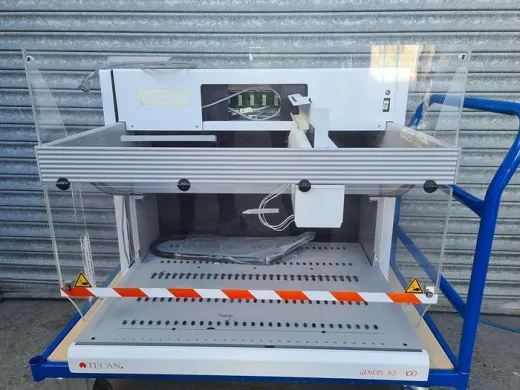
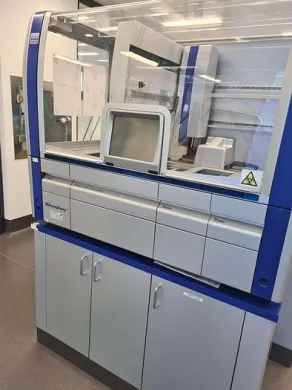
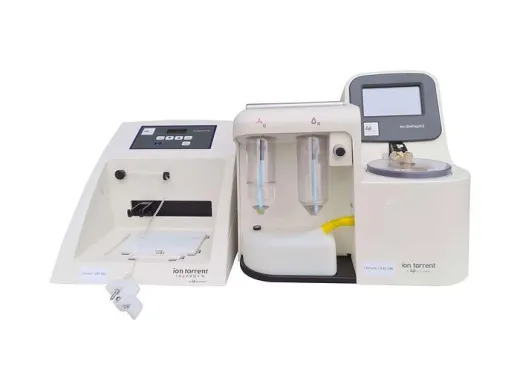
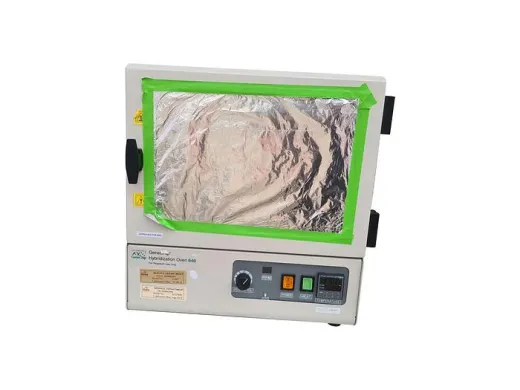
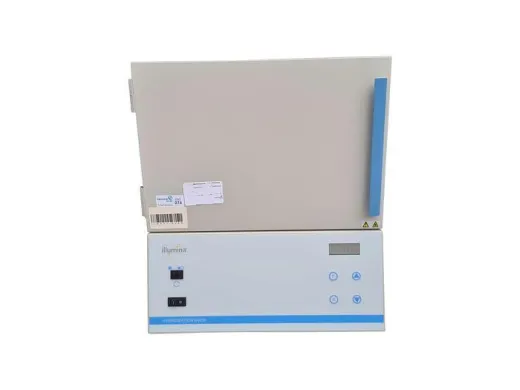
Illumina Boekel 230401 - 21LL Hybridization Oven
- Category
- Furnaces
- Brand
- Illumina
- Suppliers
- 1 verified
Not the exact instrument you need?
Tell our scientists what you are after. We track it down, including off-market supply.
Showing 1–40 of 48,363 listings
Show 40 more listingsBuying guide
This set spans far more than any single category page, so the price range is correspondingly wide: listings run from EUR 0 to EUR 1.601.827. The bottom of that range is consumables and simple handling tools, pipettes and basic balances, where a well-equipped teaching lab can be fitted for very little. The top is the analytical instrumentation, the high-resolution spectrometers and dedicated separation systems that a department buys once and shares. Between those ends sit the microscopes, centrifuges and spectrophotometers that form the working core of most groups.
Condition is where academic buying differs from industrial. 88 percent of the listings are used, which reflects how grant budgets actually work: a one-off capital line rarely stretches to new instruments, and an inherited or pre-owned unit frees money for the work itself. Used and refurbished units are listed below new prices, and for an instrument that will be shared across projects and students, that difference often decides whether a second one can be bought at all.
Supply runs across 308 verified suppliers and distributors in 194 countries, which matters for the breadth this work demands: a group assembling a bench from scratch is rarely sourcing from one place. Where a warranty is wanted, it is arranged in consultation for the specific listing, so the weighing between a new and a used unit comes down to the individual offer rather than a blanket rule. Parts can be sourced via Questpair when an older instrument needs them.
Types of Academic Research
The equipment behind academic work divides roughly into instruments that measure, apparatus that separates or prepares a sample, and the tools that handle it in between: analytical instrumentation, spectroscopy, chromatography, centrifugation, microscopes, balances and pipettes. A project does not use these in isolation. It runs a sample through a sequence, and the output of one stage sets the demands on the next. The classes of work below describe that sequence as a bench actually meets it.
How is a sample prepared before it is measured?
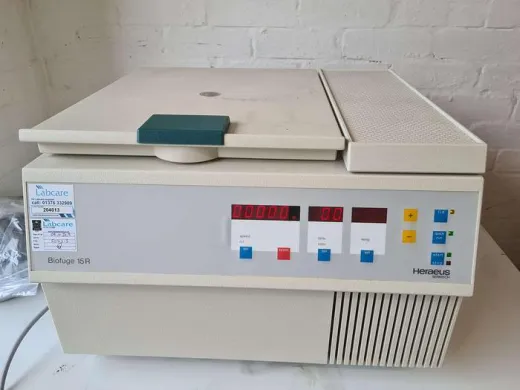
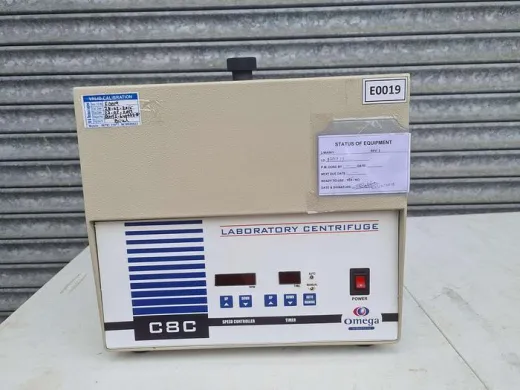
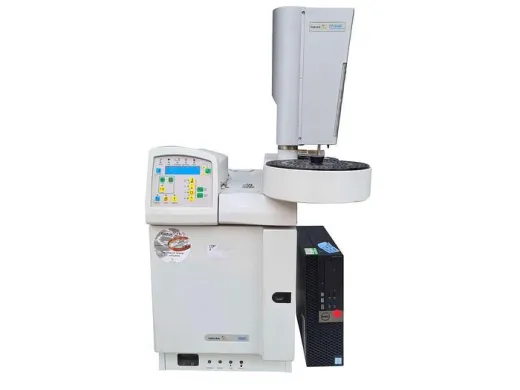
Almost nothing goes straight from flask to instrument. A sample is weighed, diluted, separated from the matrix it sits in, and often concentrated before any reading is taken. Balances do the weighing, and the precision needed here propagates downstream: a gravimetric error at this stage shows up as a quantification error three steps later. Pipettes move the small volumes, and the aliquots they produce feed the separation steps. Centrifugation pulls solids from liquids or spins down a pellet, and the speed and rotor it needs depend on what is being separated, cells, precipitate or subcellular fraction. Where a mixture has to be resolved into components rather than just cleared, chromatography takes over, and its output is itself the input to a detector. The constraint that binds this stage to the next is volume: an analytical instrument expects a certain sample size, and the preparation has to deliver it clean and at that scale.
Measurement and imaging: what reads the result?
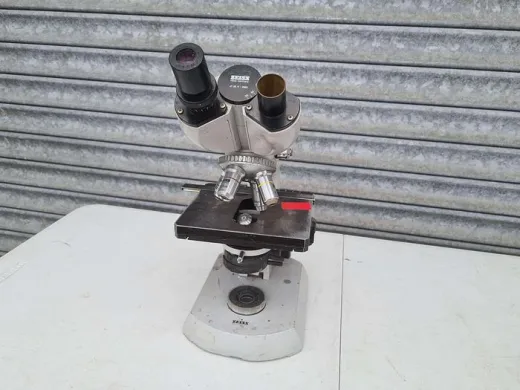
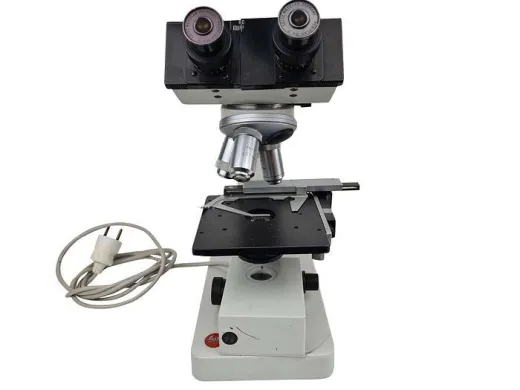
Once a sample is ready, the question is what to read from it. Spectrophotometers in the UV, visible and fluorescence range handle concentration and simple identity, and for teaching labs and routine assay they carry much of the load. Analytical instruments go further, resolving composition and structure where a single absorbance figure will not do. These are the instruments that sit at the expensive end of the catalogue, and a lab often shares one across several groups rather than buying per project. Imaging runs in parallel to measurement rather than after it. A microscope answers a different question, what the sample looks like, where spectroscopy answers what it contains, and many projects need both. The two do not constrain each other directly, but they compete for the same grant line, which is why an incoming group so often inherits one and buys the other used.
Where do the non-instrument categories fit?
Not all of academic work is benchwork. The catalogue also carries computational science, datasets, software and software development, alongside scientific consultancy and patents and licensing. These belong to the same projects: a measurement produces data, the data needs analysis, and the output may end in a dataset others cite or a patent the institution files. A group running instrumentation often needs the software to process what it records, and treating these as separate from the equipment misreads how a project actually proceeds. The equipment generates; the computational and advisory categories turn what it generates into a result.
Frequently asked questions
What is the minimum equipment you need to start a research lab?
At the bare minimum you need a balance to weigh, pipettes to move small volumes, and one instrument to read a result, usually a spectrophotometer for concentration or identity work. That covers weighing, handling and a basic measurement; separation and imaging are added as the project demands them.
Which step is the most expensive to set up?
Measurement is where the cost concentrates, specifically the analytical instrumentation and high-resolution spectrometers that sit at the top of the price range. These are the units a department usually buys once and shares across several groups rather than purchasing per project.
What can be bought used and what is better new?
Instruments that get shared and run for years, microscopes, centrifuges and spectrophotometers, are commonly bought used or refurbished, and across the Questpair catalogue 88 percent of listings are used. Used and refurbished units are listed below new prices; where a warranty matters it is arranged in consultation for the specific listing, so the new versus used decision comes down to the individual offer.
What has to match between the sample prep and the measurement steps?
Volume is the binding constraint: an analytical instrument expects a certain sample size, and the preparation stage has to deliver it clean and at that scale. Precision also carries downstream, since a weighing error on the balance shows up as a quantification error at the detector several steps later.
Roughly what does a complete setup cost?
Listings run from EUR 0 to EUR 1.601.827, so the total depends heavily on which stages you equip. A teaching lab fitted with pipettes and basic balances sits at the low end, while adding analytical instrumentation moves a bench toward the top of that range.
Where does cutting the budget cost you later?
Underspending on the balance and pipettes is the trap, because a gravimetric or volumetric error at sample prep propagates through separation and ends as a quantification error at measurement. Saving on the precision of the first stage makes every downstream reading less reliable, which is harder to correct than paying for it once.
Which equipment gets shared with other work or other groups?
Analytical instrumentation and high-resolution spectrometers are the units a department typically shares across several groups, since the cost rarely justifies one per project. Balances, pipettes and routine spectrophotometers tend to stay with a single bench because they are used constantly and cost far less.
What should you check on used equipment before buying for research?
For centrifuges, confirm the rotor matches the speeds and sample types you need, since the rotor determines what can be separated. For spectrometers and microscopes, check the condition of the optics and detector against the measurements you intend to run; if documentation is missing you can contact Questpair and specialists respond within an hour, and parts for older instruments can be sourced via Questpair.
About Questpair
Questpair is the European marketplace for lab equipment, where AI-prepared cases and personal specialists guide every purchase. We work with 247 verified suppliers across 38 countries to find buyers the right new, used or refurbished instruments, with response within 1 hour and significant savings vs buying new.
Personal · Fast · Reliable · Affordable