
Pharmaceutical QC
We personally find you the right new, used and refurbished pharmaceutical qc instruments & equipment from verified suppliers.
Releasing a batch means proving, on paper, that what left the line matches what the specification says it should be. That demand sets the equipment: every reading has to survive an audit, which means instruments that can be qualified, calibrated and traced, not just operated. The Questpair catalogue holds 23549 listings across the categories this work draws on, from 284 verified suppliers and distributors. The spread is wide because the testing is: an assay bench and a tablet press answer different parts of the same release decision. What binds them is the record each one has to leave behind, and whether a used unit arrives with the qualification history an inspector will ask for.
Updated:
Pharmaceutical QC product list
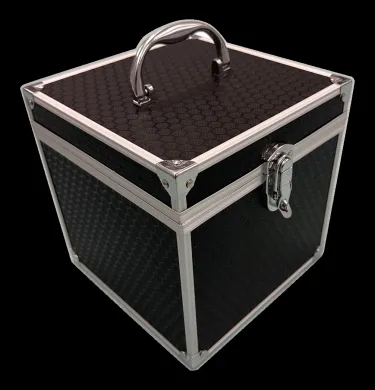
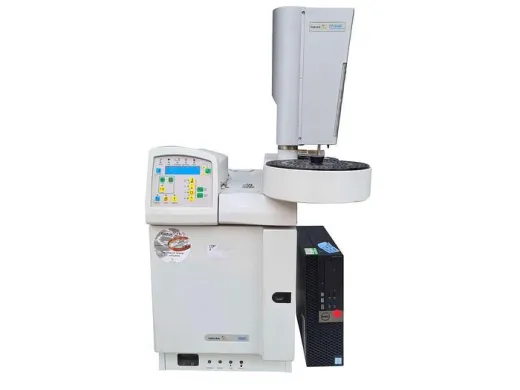
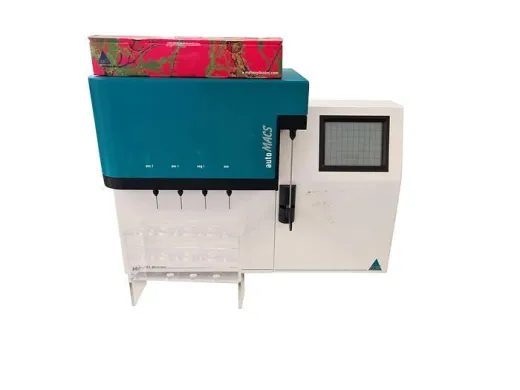
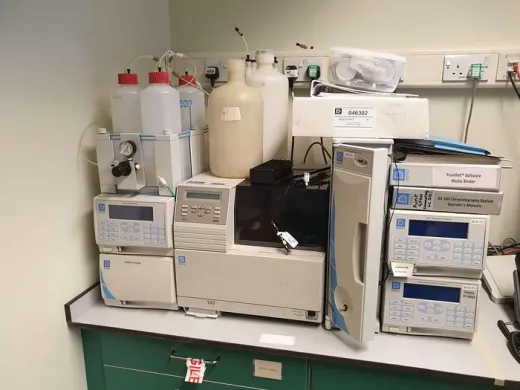
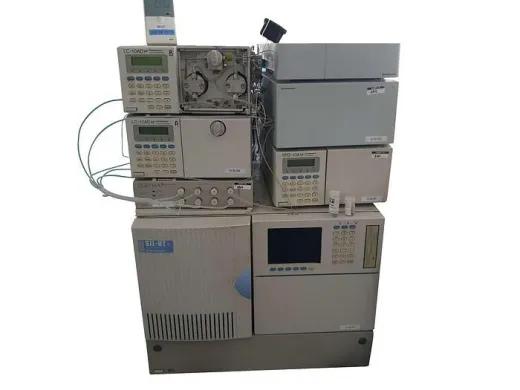
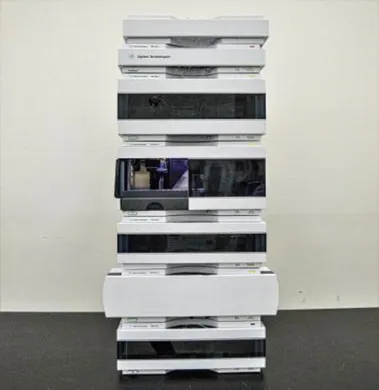
Shimadzu SIL-HT HPLC System with Accessories
- Category
- Hplc systems
- Brand
- Shimadzu
- Suppliers
- 1 verified


Not the exact instrument you need?
Tell our scientists what you are after. We track it down, including off-market supply.
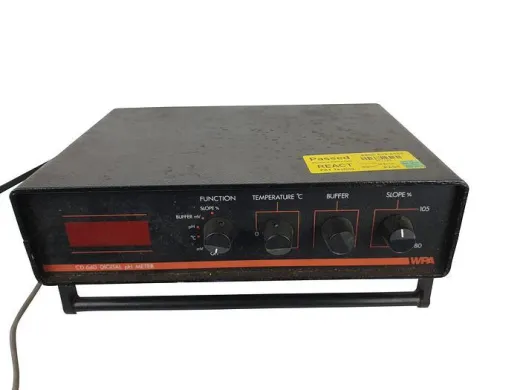
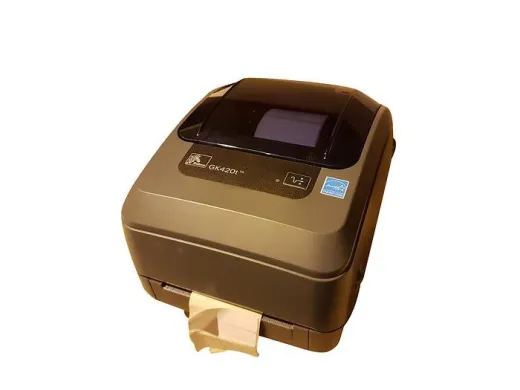
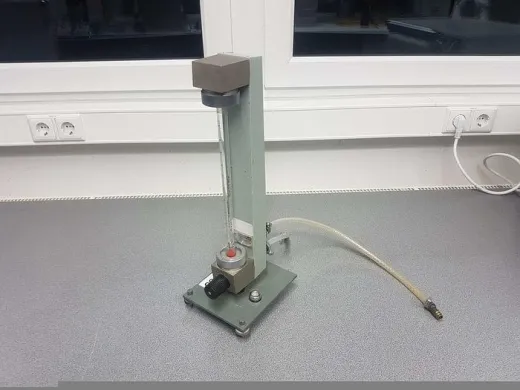
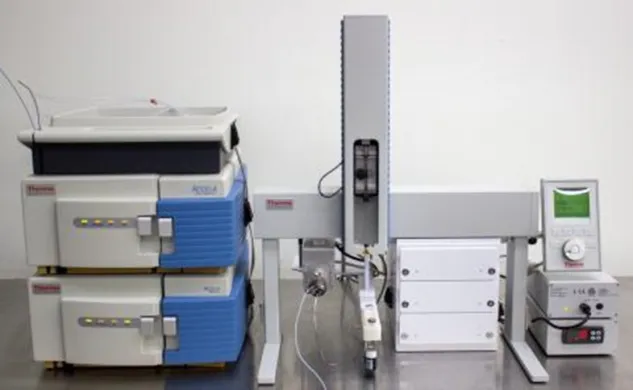

Not the exact instrument you need?
Tell our scientists what you are after. We track it down, including off-market supply.
Showing 1–40 of 11,132 listings
Show 40 more listingsBuying guide
The price spread here is the widest of any single page on the site, because the work runs from a benchtop melting point check to a floor-standing analytical suite. Listings start at EUR 0 and reach EUR 667.428. The low end is accessories, counters and simple optical instruments; the high end is chromatography, where a complete system with detectors and software sits at the top of the range. If one part of QC commands the budget it is identity and assay, because that is where the method validation and the instrument cost both concentrate.
Condition follows the same logic. 81 percent of the listings are used. For much of this equipment that is an easy choice, a refractometer or a tablet counter does not change, and a used one priced below new does the same job. For chromatography it is a closer call, and the question is not the instrument's age but its paper trail: a used HPLC without a qualification history costs more to bring into a regulated lab than its purchase price suggests.
Across the categories the maker matters less than what travels with the unit. Warranty is often possible and is arranged in consultation for the specific listing, so read the listing before assuming the terms. Where a used analyser needs parts, those can be sourced via Questpair. The practical rule for this work is to weigh the saving on a used unit against the documentation it arrives with, and to treat that documentation as part of the price.
Types of Pharmaceutical QC
The categories behind this page cover pharmaceutical quality control, the testing that stands between a finished batch and its release. That testing is not one activity but a sequence, run on the instruments listed here, and the order matters because a failure early on stops everything downstream. These are the stages.
What does identity and assay testing actually measure?
The first question on any batch is whether the active ingredient is the right one and present at the stated amount. Identity confirms the molecule; assay quantifies it. The workhorse here is the HPLC system, which separates a sample into its components and measures each against a reference standard. Titrators handle assays where a chemical endpoint gives the answer more directly, and polarimeters and refractometers confirm identity through optical properties that are specific to a compound. A melting point analyser gives a fast purity check: an impure substance melts across a range rather than at a point.
Chromatography dominates this stage because it does identity and assay in one run, which is why these systems carry the heaviest validation burden on the bench. A used instrument here is only as good as the qualification record that comes with it.
How is physical performance of the dosage form tested?
A tablet can contain the right drug at the right strength and still fail, because how it behaves in the body depends on how it was made. Dissolution testing measures the rate at which the dosage form releases its active ingredient, which predicts absorption. This step constrains the one before it: an assay can pass while dissolution fails, and both have to clear before release.
Moisture analysers matter here too, since water content affects both stability and the dissolution profile. Density meters and densitometers check that the physical form sits within spec. Where the page lists tablet presses, capsule fillers and tablet coatings, those belong to manufacturing rather than release, but they appear in a QC context because process equipment is qualified against the same tests it feeds. Particle size analysers close the loop: particle size governs dissolution, so a drift upstream shows up as a failed release downstream.
Counting, finishing and specialised testing
The last categories cover the edges of the work. Tablet and capsule counters verify fill against the stated count. Capsule banders and sealers finish the dosage form before it is tested as a sealed unit. Osmometers measure solution concentration for injectables and other liquids, where tonicity is part of the spec rather than an afterthought. Environmental chambers sit alongside all of this, holding samples at controlled temperature and humidity for stability studies that run long after the batch has shipped.
Each of these answers a narrow question, and a lab assembling a QC bench rarely needs the whole set. The spine of the work is identity, assay and dissolution; the rest attaches to a particular dosage form or a particular claim on the label. What the categories share is that every result is a record, and every instrument that produces one has to be qualified to do so.
Frequently asked questions
What equipment do you need at minimum to start pharmaceutical QC?
The core of release testing is identity, assay and dissolution, so a minimum bench is an HPLC system for identity and assay plus a dissolution tester for physical performance. Everything else, counters, optical instruments, osmometers, attaches to a specific dosage form or label claim rather than every batch.
Which step is the most expensive to set up?
Identity and assay testing carries the heaviest cost, because that is where both the instrument price and the method validation concentrate. A complete chromatography system with detectors and software sits at the top of the range, which reaches EUR 667.428.
What QC equipment can I buy used and what is better new?
A refractometer, polarimeter or tablet counter does not change by design, so a used unit does the same job for less. Chromatography is a closer call, not because of the instrument's age but because the qualification history is what makes it usable in a regulated lab, and 81 percent of the listings here are used.
What has to match between the testing steps?
The steps are a sequence where a failure early stops everything downstream, so an assay result and a dissolution result have to clear against the same batch and the same specification. Particle size governs dissolution, so a drift measured upstream has to reconcile with the dissolution profile measured later.
Roughly what does a complete QC setup cost?
The spread on this page is wide, with listings from EUR 0 to EUR 667.428, because the work runs from a benchtop melting point check to a floor-standing analytical suite. A bench built around HPLC and dissolution sits well above one assembled from counters and optical instruments.
Where does cutting the budget cost you later?
The hidden cost is documentation, not hardware. A used HPLC bought cheap without a qualification history can cost more to bring into a regulated lab than its purchase price suggests, because the paper trail an inspector asks for has to be rebuilt.
Which QC equipment is shared with manufacturing?
Tablet presses, capsule fillers and tablet coatings belong to manufacturing rather than release, but they appear in a QC context because process equipment is qualified against the same tests it feeds. Environmental chambers are also shared, holding samples for stability studies that run long after the batch ships.
What should I check on used QC equipment before buying?
For chromatography and other instruments that produce a release record, check the qualification and calibration history, since an instrument is only as good as the paper trail that arrives with it. Where a used analyzer needs parts those can be sourced via Questpair, and warranty is arranged in consultation for the specific listing, so read the listing before assuming the terms.
About Questpair
Questpair is the European marketplace for lab equipment, where AI-prepared cases and personal specialists guide every purchase. We work with 247 verified suppliers across 38 countries to find buyers the right new, used or refurbished instruments, with response within 1 hour and significant savings vs buying new.
Personal · Fast · Reliable · Affordable