

Capsule fillers
We personally find you the right used, refurbished and new capsule fillers instruments & equipment from verified suppliers.
Capsule fillers are machines and tooling that meter powder, pellet or liquid formulation into empty two-piece capsules and close them to a set dose. The equipment spans bench units that fill a single plate of capsules by hand up to fully automatic lines that run continuous production, along with the change parts and dosing tooling that adapt a machine to a given capsule size. On Questpair, 99 percent of the listings are used, and the catalogue holds new, used and refurbished laboratory capsule filling equipment from 8 verified suppliers and distributors across 4 countries. Prices run from EUR 22 to EUR 150.656.
Updated:
Capsule fillers product list
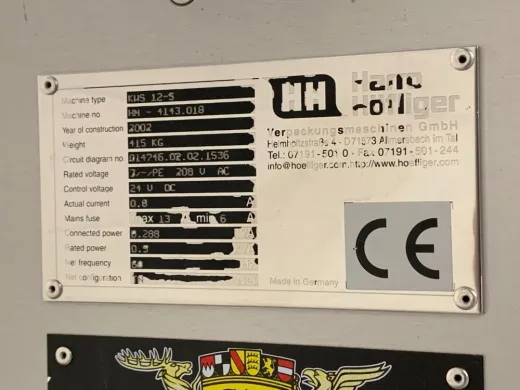


Not the exact instrument you need?
Tell our scientists what you are after. We track it down, including off-market supply.
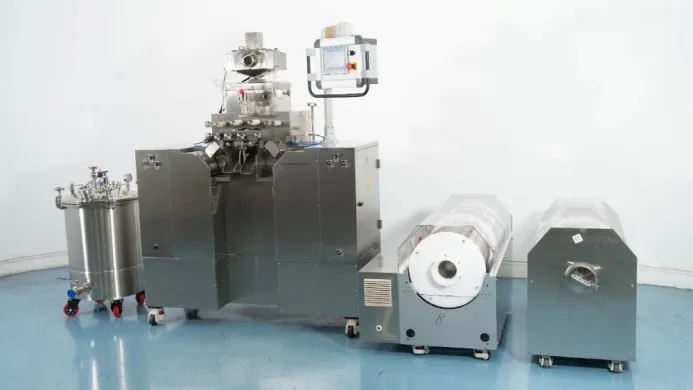
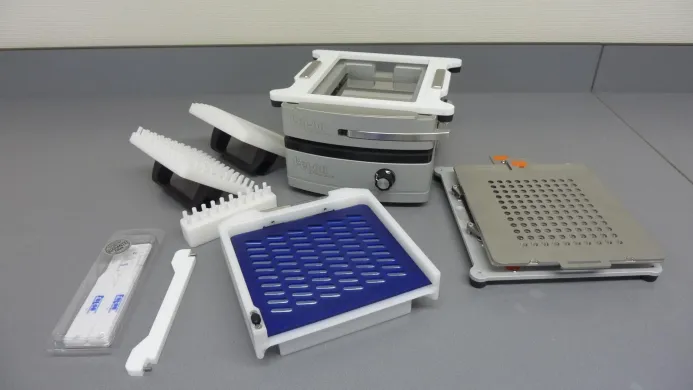
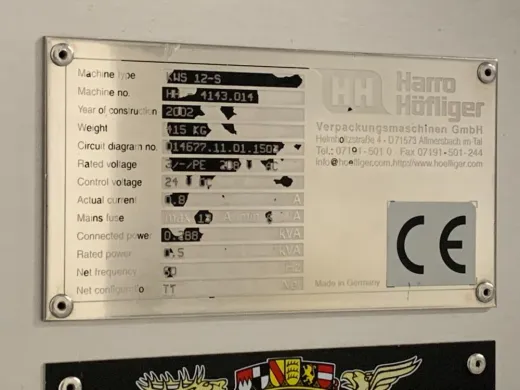
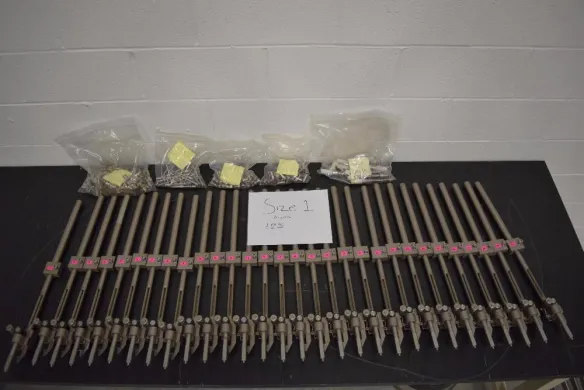
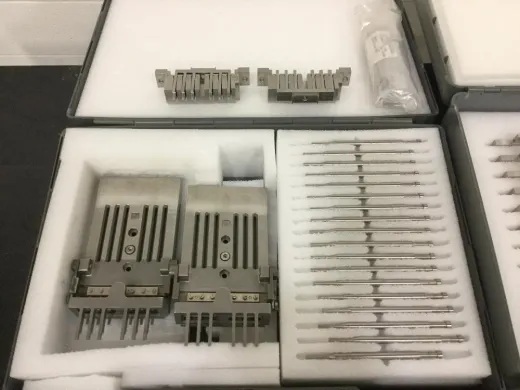
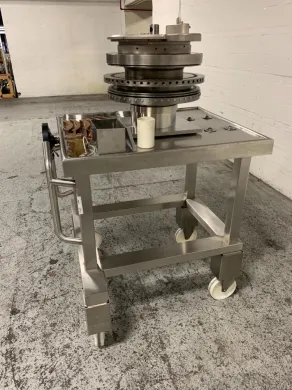
Not the exact instrument you need?
Tell our scientists what you are after. We track it down, including off-market supply.
Showing 1–40 of 100 listings
Show 40 more listingsBuying guide
What a capsule filler has to match before anything else
The capsule size and the dosing principle together settle most of the purchase, because a machine built around one does not quietly accept the other. A unit configured for size 0 fills size 0; moving to size 00 or size 3 means a change-part set, and whether that set exists for the model in front of you decides how far the machine can stretch across a formulation range. The dosing method matters just as much. A dosing-disc machine compacts powder into a fixed cavity and suits free-flowing or lightly compressible blends; a tamping or dosator mechanism handles poorer-flowing material; a liquid or pellet filler is a different machine entirely. Fix the size range and the material behaviour first, and the rest of the specification follows from them.
Throughput is where a buyer sizes the machine to the work rather than the other way round. A manual plate filler producing a few hundred capsules at a time belongs in a development lab or a compounding setting; a semi-automatic unit lifts that into the thousands per hour; a fully automatic filler with an integrated checkweigher runs continuous batches and is bought for production, not for trials. Buying well above the batch size you actually run ties up capital in capacity that sits idle, and buying below it turns every batch into several runs.
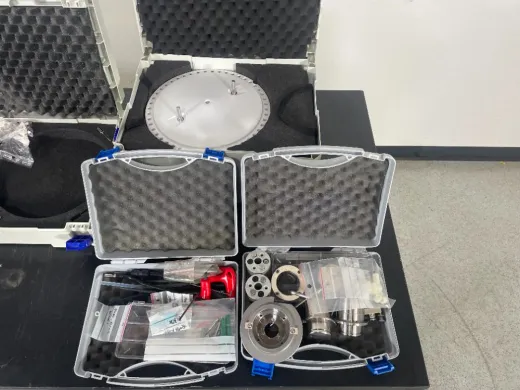
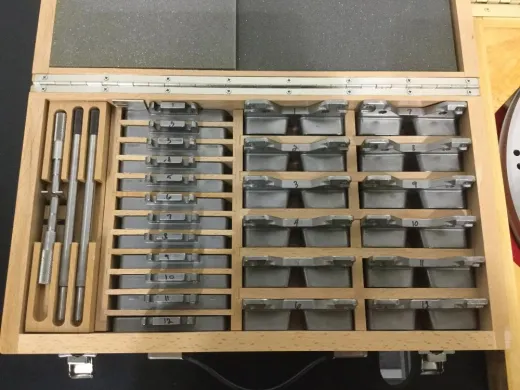
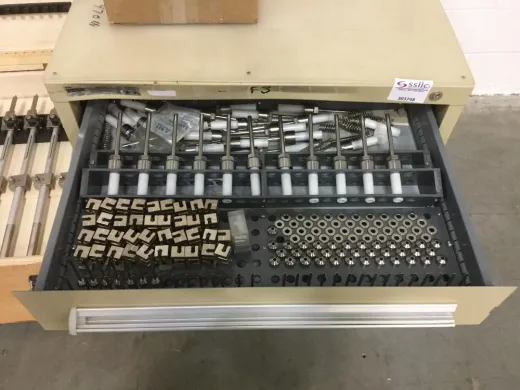
On a used machine the question shifts from the datasheet to the condition of the contact parts and the tooling. Dosing discs, tamping pins, segment blocks and the capsule-handling bushes wear, and a filler sold without its change parts is cheaper for a reason: the parts are a meaningful fraction of the rebuild cost. Confirm which capsule sizes the included tooling covers, look at the state of the powder-contact surfaces, and ask what calibration the dosing and any checkweigher last had. For a machine that reaches the budget range here, the tooling it comes with is as much the purchase as the frame.
Price spans a wide band, and the band reflects what the listing is. A single dosing disc or a set of change parts sits at the low end; a complete semi-automatic filler sits in the middle; an automatic line with checkweigher and full tooling reaches the top. Prices run from EUR 22 to EUR 150.656, with an average of EUR 19.214. Refurbished and used units are listed for sale below the cost of new equipment, which is what keeps a production-grade filler within a development budget. Read any figure against the listing rather than the category, because a change part and a complete line are both counted here and sit at opposite ends of the affordable-to-capital range.
Types of Capsule fillers
Which capsule filler types are listed here?
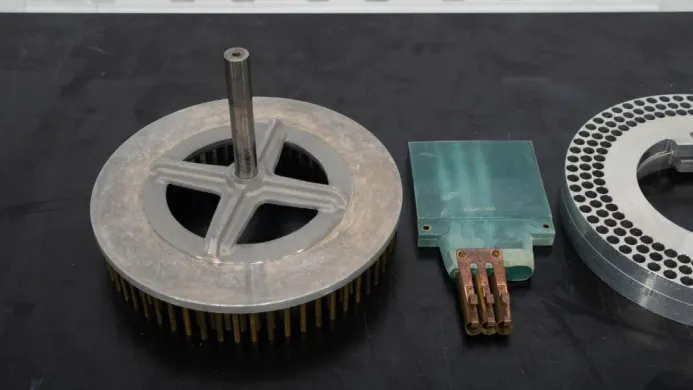
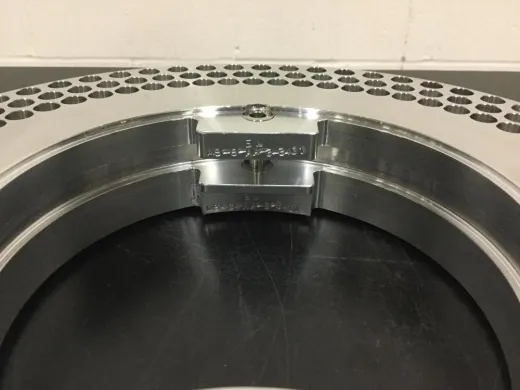
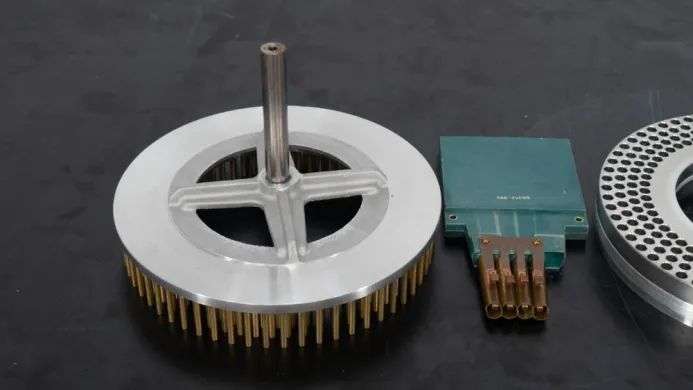
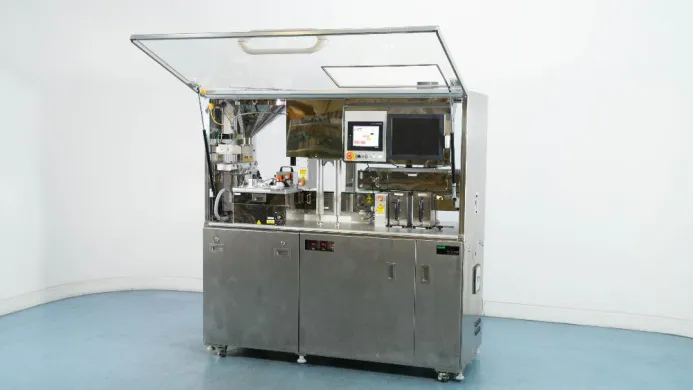
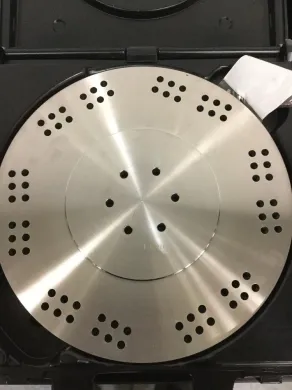
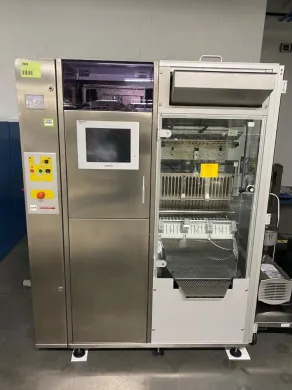
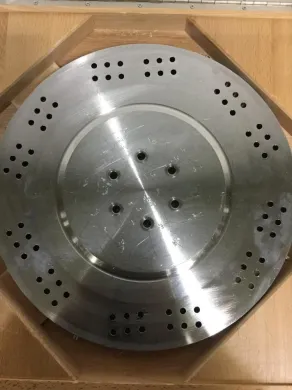
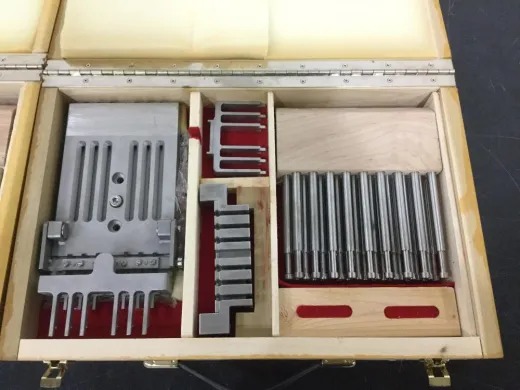
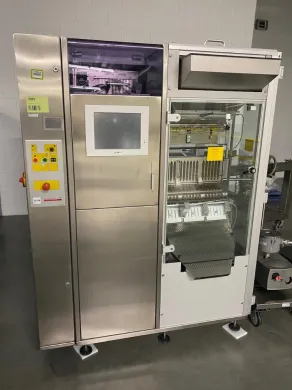
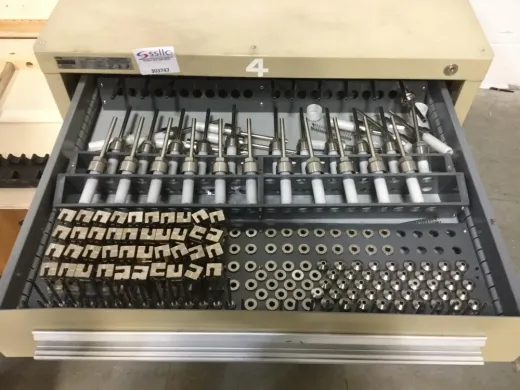
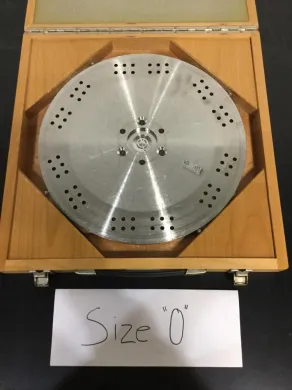
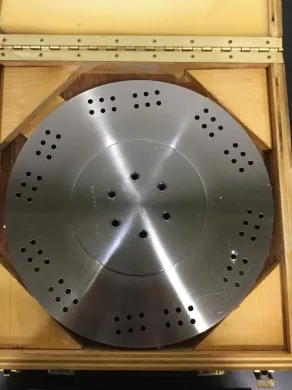
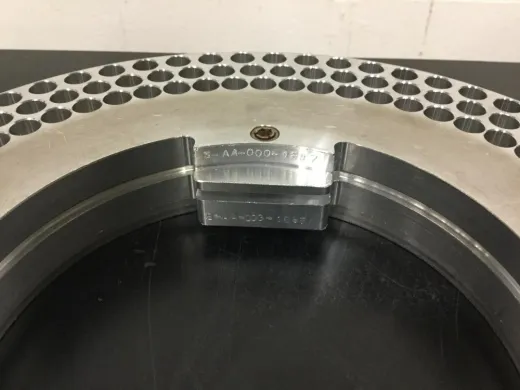
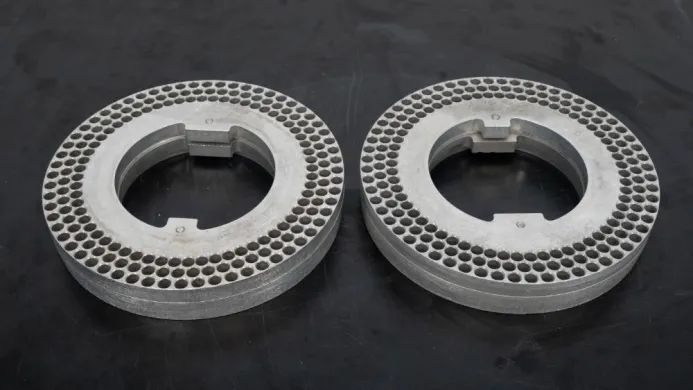
Among the listings that specify a type, the catalogue divides into complete machines and the tooling that serves them. Capsule filling machines are the machines themselves, from semi-automatic benchtop units through to automatic lines, and they are what a buyer setting up or replacing a fill station comes for. Around them sit the parts. Dosing discs are the perforated plates that set the powder cavity and the fill weight, and they are the single most common listing here because they are size-specific and consumable. Capsule filling machine change parts are the segment blocks, bushes and tamping tooling that reconfigure a machine for a different capsule size. Capsule filling machine accessories and liquid handling accessories cover the feed, transfer and liquid-dosing attachments. Capsule checkweighers are the in-line or offline balances that verify fill weight capsule by capsule, which is where fill accuracy stops being a claim and becomes a measured record.
Capsule filling is pharmaceutical and nutraceutical formulation work, the stage where a powder or pellet blend becomes a dosed oral product. The machines run encapsulation in formulation development and in biomanufacturing of oral dose forms, filling live cultures and probiotics in microbiology, lyophilised biologics, and enzyme or protein preparations where a dry powder is the stable form. A development lab uses a benchtop pharmaceutical capsule filling machine to trial a new blend before it reaches scale; a checkweigher turns that trial into a weight-controlled process; a dosing disc for probiotic capsule filling is what matches the cavity to a specific colony-forming-unit dose. Liquid handling accessories extend the same frame to liquid-fill encapsulation, the route used for oils and for poorly soluble drug substances.
The brands behind the capsule filler listings
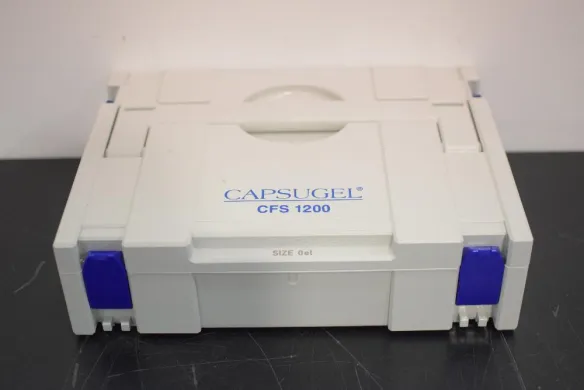
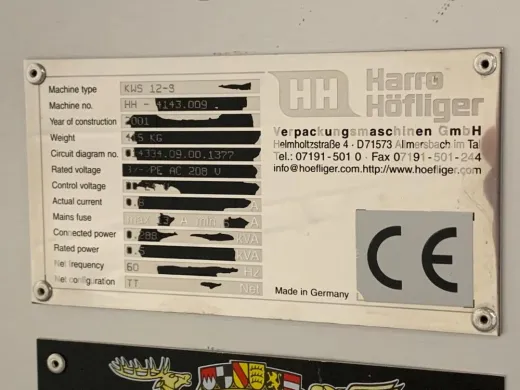
The brands that recur here are Index, Bosch, Capsugel, Schaefer, Harro Hofliger. For a buyer that mix matters in practical ways. The presence of several Bosch and Harro Hofliger machines means change parts and tooling for those platforms turn up as separate listings, so a filler bought without a full size range can often be completed later rather than written off. A spread of makers also makes models easier to compare on dosing principle and throughput, because the same job appears in more than one build. Where a brand is well represented, parts availability and resale both improve; where only one unit of a maker is listed, treat its tooling as part of that single purchase rather than something to source afterwards.
What a used capsule filler costs here
The condition mix is almost entirely used: 99 percent of the listings are used. Prices run from EUR 22 to EUR 150.656, and that spread covers everything from a single consumable disc to a complete automatic line, which is why the average of EUR 19.214 sits well above the floor. Parts for these machines can be sourced via Questpair, and where a listing supports it a warranty is arranged in consultation for that specific machine.
Frequently asked questions
What is a capsule filler?
A capsule filler is a machine or set of tooling that meters powder, pellet or liquid formulation into empty two-piece capsules and closes them to a set dose. The category spans hand-operated bench plates, semi-automatic units and fully automatic lines, along with the dosing discs and change parts that adapt a machine to a capsule size.
What does capsule filler mean?
The term covers both the complete machines that encapsulate a dose and the consumable tooling that serves them. On Questpair that includes capsule filling machines themselves plus dosing discs, change parts, accessories and checkweighers listed separately.
How do capsule fillers work?
Empty capsule bodies are opened and held in a plate or segment block, the dosing mechanism meters a fixed quantity of formulation into each body, and the caps are then placed and locked to close the capsule. The dosing method varies: a dosing disc compacts powder into a fixed cavity, while a tamping or dosator mechanism handles poorer-flowing material.
What types of capsule fillers are there?
The listings split into complete machines and the tooling around them. Capsule filling machines range from semi-automatic benchtop units to automatic lines, while dosing discs, change parts, accessories, liquid handling accessories and capsule checkweighers cover the consumable and adaptation side.
What are capsule fillers used for?
They are used in pharmaceutical and nutraceutical formulation to turn a powder or pellet blend into a dosed oral product. Applications include trialling new blends in development, filling probiotics and live cultures, encapsulating lyophilised biologics, and liquid-fill encapsulation of oils or poorly soluble drug substances.
How do I choose a capsule filler?
Fix the capsule size range and the material behaviour first, since a machine built around one dosing principle does not accept another and change parts tie the machine to specific sizes. Then size the throughput to your batch: a manual plate filler suits development, a semi-automatic unit handles thousands per hour, and an automatic line with a checkweigher is for continuous production.
Refurbished or used, what is the difference?
A used unit is sold in its existing condition, while a refurbished unit has been reconditioned before listing. Both are listed below the price of new equipment, and the specific condition and any warranty are detailed per listing.
How much does a capsule filler cost?
Prices range from EUR 22 to EUR 150.656, with an average of EUR 19.214. The spread is wide because a single dosing disc and a complete automatic line are both counted here and sit at opposite ends of the band.
Which brands make capsule fillers?
The brands that recur in the listings are Index, Bosch, Capsugel, Schaefer and Harro Hofliger. Where a maker is well represented, its change parts and tooling appear as separate listings, so a machine bought without a full size range can often be completed later.
Is there a warranty on a refurbished capsule filler?
A warranty is often possible and is arranged in consultation for the specific listing. Check the individual listing for what applies to that machine.
Can I get parts for a capsule filler?
Parts can be sourced via Questpair. Because dosing discs, change parts and handling bushes are size-specific and wear with use, confirm which capsule sizes the included tooling covers before buying.
How long does a capsule filler last?
The frame of a filler can run for many years, but the contact parts, dosing discs, tamping pins, segment blocks and handling bushes, wear and need replacement over time. On a used machine the state of these parts matters more than the age of the frame.
New or used capsule filler, which should I buy?
Used and refurbished units are listed at lower prices than new, which is what keeps a production-grade filler within a development budget. Weigh the two against the individual listing, and note that warranty is arranged in consultation for the specific machine.
Where can I buy a capsule filler?
Questpair lists new, used and refurbished capsule filling equipment from 8 verified suppliers and distributors across 4 countries. Listings cover complete machines as well as dosing discs and change parts.
What is the lead time and shipping on a capsule filler?
Lead time and shipping depend on the individual listing and the supplier handling it. Contact Questpair for a specific listing and specialists respond within one hour.
What calibration and maintenance does a capsule filler need?
Dosing and any integrated checkweigher need calibration to hold fill weight within specification, and the powder-contact surfaces need cleaning and inspection between batches. On a used machine, ask what calibration the dosing and checkweigher last had before purchase.
Which capsule filler types are listed most, and who buys which?
Dosing discs are the single most common listing because they are size-specific and consumable, while complete capsule filling machines are what a buyer setting up or replacing a fill station comes for. A development lab reaches for a benchtop machine to trial a blend, and a production operation reaches for an automatic line with a checkweigher.
Which brands dominate this category and what does that mean for a buyer?
Index, Bosch, Capsugel, Schaefer and Harro Hofliger recur across the listings. A spread of makers makes models easier to compare on dosing principle and throughput, and where a brand is well represented, parts availability and resale both improve; where only one unit of a maker is listed, treat its tooling as part of that single purchase.
What separates the cheapest capsule fillers here from the most expensive?
At the low end sit single dosing discs and change-part sets; a complete semi-automatic filler sits in the middle; an automatic line with checkweigher and full tooling reaches the top. On a used machine the included tooling is as much the purchase as the frame, because a filler sold without its change parts costs less for that reason.