

Pharmaceutical test equipment
We personally find you the right used, refurbished and new pharmaceutical test equipment from verified suppliers.
Pharmaceutical test equipment is the class of instruments and cold-storage units a pharmacy, pharmaceutical laboratory or drug manufacturer uses to keep medicines within specification and to verify that a formulation performs as it should. The category spans pharmaceutical and laboratory refrigerators, medical and pharmacy refrigerators, and dissolution testers, listed new, used and refurbished across the Questpair catalogue. Of the current listings, 98 percent are used. Pricing runs the full width of the field, from a single consumable to a complete validated system, and 17 verified suppliers and distributors in 9 countries hold the stock.
Updated:
Pharmaceutical test equipment product list


Not the exact instrument you need?
Tell our scientists what you are after. We track it down, including off-market supply.
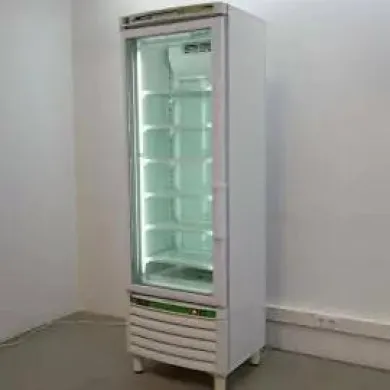
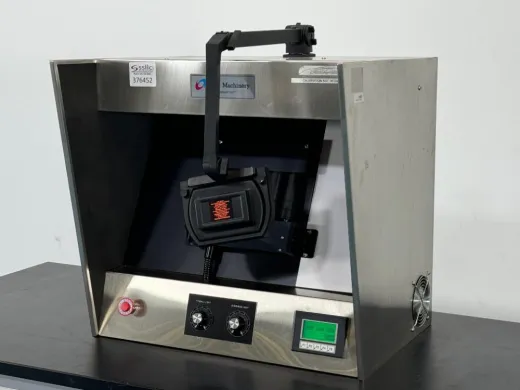
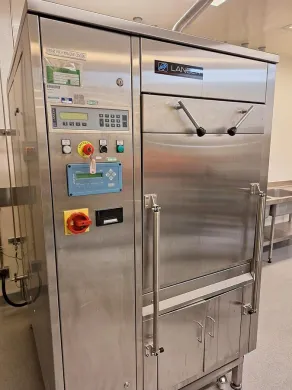
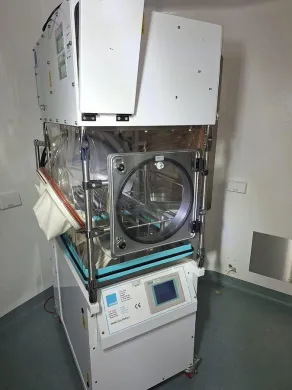
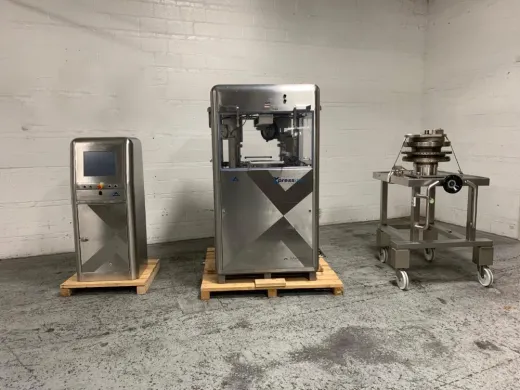
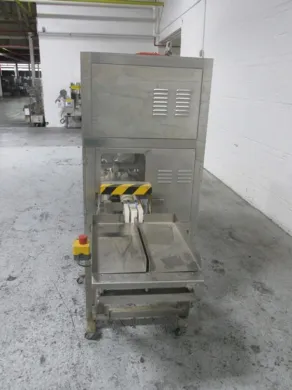
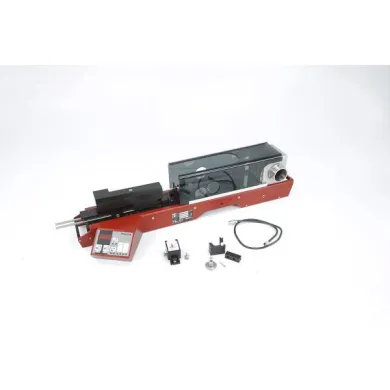

Not the exact instrument you need?
Tell our scientists what you are after. We track it down, including off-market supply.
Showing 1–40 of 265 listings
Show 40 more listingsBuying guide
What decides a pharmaceutical refrigerator purchase?
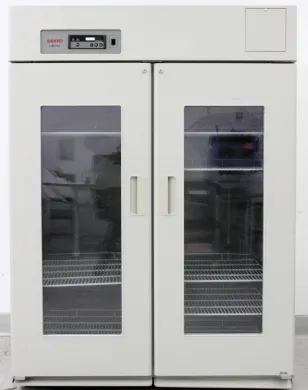
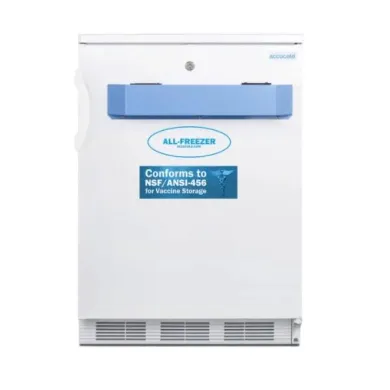
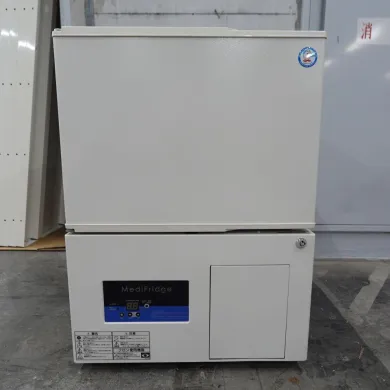
For most of what sits in this category, temperature control settles the choice before anything else. A pharmaceutical refrigerator is not a laboratory refrigerator with a different label: it holds a tight band, usually two to eight degrees, and holds it under door openings and ambient swings that would let a general unit drift. Look first at the controlled range and the recovery behaviour, then at whether the unit logs and alarms on excursions, because a stability record is what an inspector asks for. Forced-air circulation, calibrated sensors and an independent alarm separate a true pharmacy refrigerator from a repurposed medical one, and the two are listed side by side here under similar names.
Condition matters more on cold-storage equipment than the datasheet suggests, so a used unit needs its own checks. The compressor and door gaskets are the parts that age, and a seal that no longer holds the band quietly undoes everything the controller promises. Ask for a recent temperature-mapping record, confirm the sensor calibration is current, and establish that the alarm and logging functions were working when the unit was last in service. On a dissolution tester the equivalent questions concern the paddle and basket geometry, the bath temperature uniformity and whether the vessels and shafts are complete, since a missing or worn part is cheaper to spot before purchase than after. Across both equipment classes, warranty on a listed unit is arranged in consultation for that specific listing, so raise it against the model you intend to buy rather than assuming a blanket term.
Where the price band sits tells its own story. The cheapest listings cost almost nothing and cover accessories, racking and consumables, while a complete validated dissolution system or a large walk-in pharmaceutical refrigerator reaches well into six figures, so prices range from EUR 0 to EUR 645.667 with an average near EUR 12.402. That spread is driven by the equipment type rather than by condition. Accucold and American BioTech Supply tend to occupy the benchtop and undercounter refrigeration end, PHC Corporation the larger clinical and pharmaceutical units, and Distek the dissolution-testing instruments, which is worth knowing when a budget has to stretch across a mixed order. Used and refurbished units are listed for sale below the price of new, so where a specification allows either, the second-hand route is the more affordable one and the saving is largest on the instruments whose new cost is highest.
Types of Pharmaceutical test equipment
Which equipment types are listed here?
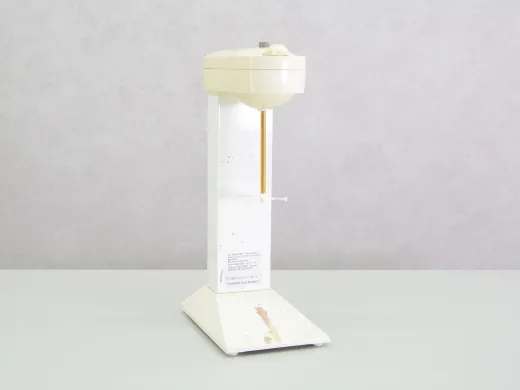
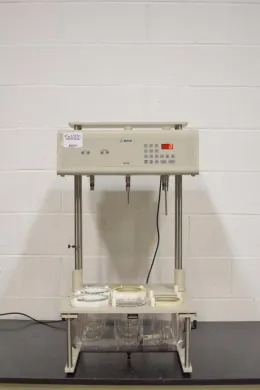
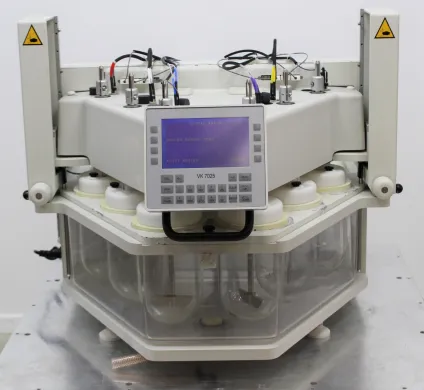
Among the listings that specify a type, cold storage dominates and dissolution testing follows. Pharmaceutical refrigerators and laboratory refrigerators are the most common, and the distinction is real: a laboratory refrigerator stores reagents and samples at a general cold temperature, while a pharmaceutical refrigerator holds the narrow validated band that regulated drug storage requires, with the logging and alarms to prove it. Medical refrigerators and pharmacy refrigerators sit between the two, built for clinics and dispensaries where vaccines and dispensed medicines need a documented chain. Dissolution testers are a different instrument altogether: rather than storing a product they measure how a solid dosage form releases its active ingredient over time, the test that underpins batch release and formulation work.
These instruments do real work in molecular biology and pharmaceutical science. Dissolution testing is central to drug formulation and quality control, and the same cold-storage units preserve the biological material behind that work, holding reagents and reference standards for immunoassay and protein purification at a stable temperature. A pharmaceutical refrigerator for vaccine storage keeps attenuated and recombinant products viable, a laboratory refrigerator for reagent storage protects the enzymes and buffers that molecular diagnostics and electrophoresis depend on, and a dissolution tester for drug release testing feeds the data that bioprocessing and biomanufacturing teams use to confirm a batch. Cold storage is also used for cell culture media and the temperature-sensitive kits that proteomics and genomics laboratories run through daily.
The brands behind the listings
The names that recur are Accucold, PHC Corporation, Index, American BioTech Supply, Distek. For a buyer, a concentrated brand list is useful rather than limiting: parts and gaskets for a widely listed refrigerator are easier to source, and a model that appears often is one you can compare across sellers instead of judging in isolation. Accucold and American BioTech Supply carry the undercounter and benchtop refrigeration that fits a pharmacy or a small lab, PHC Corporation the larger clinical units, and Distek the dissolution instrumentation. Parts for any of them can be sourced via Questpair.
What a used unit costs here
Of the current listings, 98 percent are used, and prices range from EUR 0 to EUR 645.667, averaging near EUR 12.402. That range covers everything from a replacement rack to a full validated system, so the figure at either end reflects the type of equipment far more than its age. The catalogue is held by 17 verified suppliers and distributors across 9 countries.
Frequently asked questions
What is pharmaceutical test equipment?
It is the group of instruments used to confirm that drug products, their ingredients and their storage conditions meet defined quality criteria. The category spans cold-storage units that protect sample integrity and instruments that measure how a dosage form behaves.
What does pharmaceutical test equipment mean?
The term covers two distinct functions: holding materials at a verified temperature so they do not degrade, and testing finished product for release and stability. A refrigerator protecting reference materials and a dissolution tester measuring tablet release both fall under it.
How does pharmaceutical test equipment work?
Cold-storage units use forced-air circulation and continuous monitoring to keep an entire chamber inside a validated temperature window rather than only the centre. A dissolution tester places a tablet or capsule in a medium and measures the rate at which the active ingredient is released over time.
What types of pharmaceutical test equipment are there?
The listed types include pharmaceutical refrigerator, laboratory refrigerator, pharmaceutical testing equipment, medical refrigerator, pharmacy refrigerator and dissolution tester. The first five are cold-storage variants that differ on tightness of control and documentation, while the dissolution tester performs release testing.
What is pharmaceutical test equipment used for?
Cold-storage units support cell culture, sample banking and reagent holding for molecular biology and diagnostics work where material degrades outside a held range. Dissolution testing characterises how a solid dose releases its active ingredient, which supports formulation and quality control.
How do I choose the right pharmaceutical test equipment?
Start from the function you need: a validated narrow temperature band with alarms and logging points to a pharmaceutical or medical refrigerator, while a wider, less strict specification suits a laboratory refrigerator. If you need to measure drug release rather than store material, a dissolution tester is the separate instrument for that.
What is the difference between refurbished and used equipment?
Used equipment is sold in its existing condition, while refurbished units have been reconditioned before resale. Both are listed below the price of comparable new equipment, and condition details are stated on the individual listing.
How much does pharmaceutical test equipment cost?
Across 451 listings prices range from EUR 0 to EUR 645.667, with an average around EUR 12.402. The spread is wide because a benchtop refrigerator and a fully instrumented dissolution system sit at opposite ends of the category.
Which brands are listed in this category?
The recurring names are Accucold, PHC Corporation, Index, American BioTech Supply and Distek. These cover both the cold-storage units and the dissolution instrumentation found here.
Is a warranty available on refurbished units?
A warranty is often possible and is arranged in consultation for the specific listing. Terms are tied to the individual unit rather than set across the whole category.
Can I get parts for these instruments?
Parts can be sourced via Questpair. Cold-storage units from recurring brands make shelving and components easier to match because a given model appears often across sellers.
How long does pharmaceutical test equipment last?
Lifespan depends on the type and how heavily a unit has been used, and cold-storage chambers and dissolution systems age differently. Condition and history for a specific unit are described on its listing.
Should I buy new or refurbished?
Used and refurbished units are listed at lower prices than new equipment, which is the clearest difference between them. Where warranty or support matters, check the individual listing, since a warranty is arranged in consultation for that specific unit.
Where can I buy pharmaceutical test equipment?
Questpair lists these instruments from 17 verified suppliers and distributors across 9 countries. You can compare units within the catalogue and contact specialists, who respond within an hour.
What is the lead time and shipping on these units?
Lead time and shipping depend on the seller and the destination among the 9 countries represented. The specific terms are set by the supplier of each listing.
How are these instruments calibrated and maintained?
Cold-storage units rely on continuous monitoring and periodic verification of the temperature window, while a dissolution tester is verified against its release-testing specification. Questpair does not carry out servicing, but parts can be sourced through it and documentation requests reach specialists within an hour.
Which equipment types are most listed, and who reaches for which?
Cold storage dominates the catalogue, with pharmaceutical, laboratory, medical and pharmacy refrigerators covering holding needs from strict validated bands to wider sample storage. Labs doing sample banking and reagent holding reach for the refrigerators, while formulation and quality control teams reach for the dissolution tester.
Which brands dominate the category, and what does that mean for a buyer?
Accucold, PHC Corporation, Index, American BioTech Supply and Distek recur across the listings. Where a few makers account for most cold-storage units, parts and shelving are easier to source and a model turns up often enough to compare against another seller's, while dissolution instruments from a recognised maker are simpler to match against their original specification.
What separates the cheapest listings from the most expensive?
At the low end sit small benchtop refrigerators with simpler control and less documentation, which is why prices start at EUR 0. At the high end sit fully instrumented dissolution systems and tightly controlled validated cold-storage units, which carry the category up to EUR 645.667.