

Chromatography data processing systems
We personally find you the right used, refurbished and new chromatography data processing systems from verified suppliers.
Chromatography data processing systems are the hardware and software that run a chromatographic separation and capture its output, from the pumps and valves that move sample through a column to the detectors and controllers that record and quantify what elutes. The category on Questpair spans 355 listings in total, of which 97 percent are listed as used. New, used and refurbished laboratory units appear side by side, from standalone autosamplers and fraction collectors to complete liquid chromatography and protein purification platforms. Prices run from EUR 10 to EUR 107.611, a spread that reflects how much of a separation train a single listing covers. The field here is chromatography in its broadest sense, preparative as well as analytical.
Updated:
Chromatography data processing systems product list
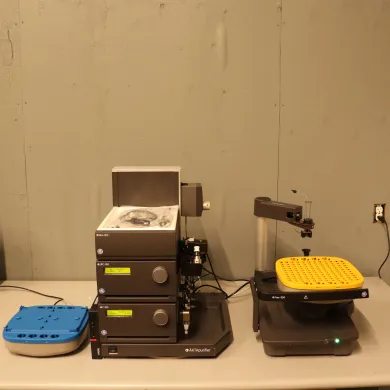
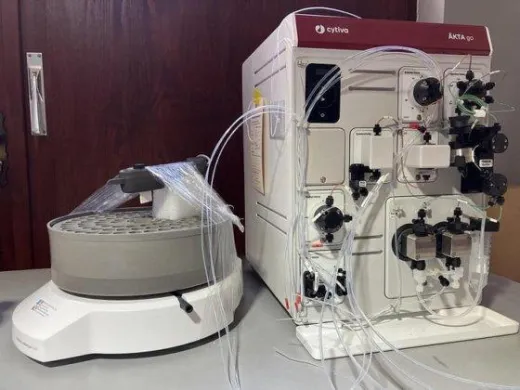
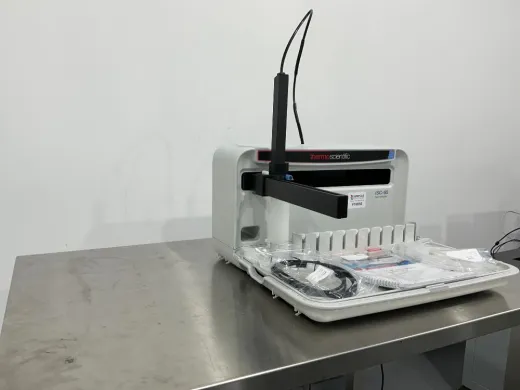


Not the exact instrument you need?
Tell our scientists what you are after. We track it down, including off-market supply.
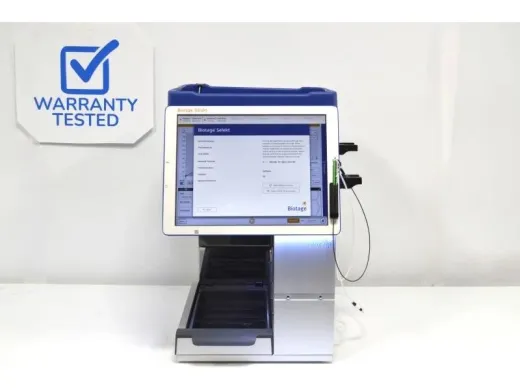
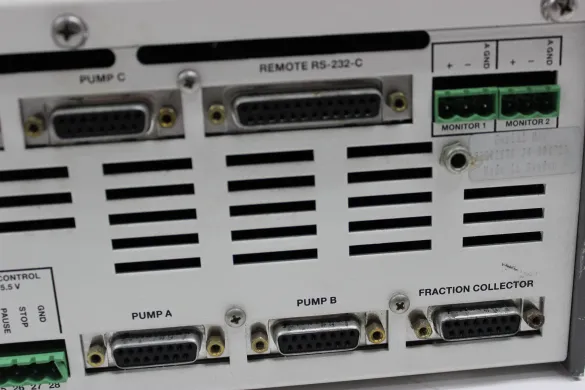
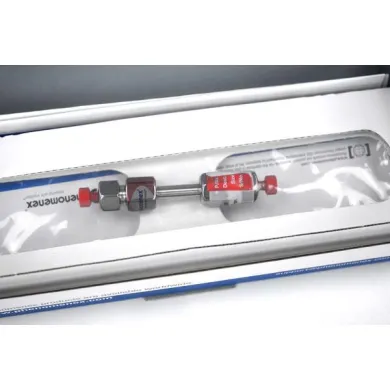
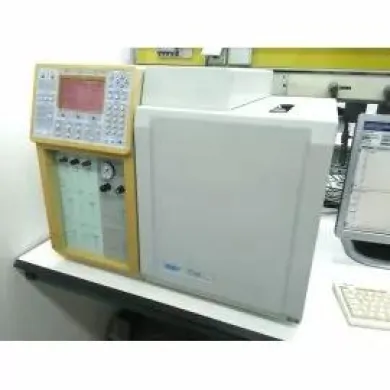
Not the exact instrument you need?
Tell our scientists what you are after. We track it down, including off-market supply.
Showing 1–40 of 158 listings
Show 40 more listingsBuying guide
What decides the choice: analytical or preparative chromatography?
The first fork in this category is not a specification, it is the question of what the separation is for. An analytical liquid chromatography system measures and identifies, running small injections through a narrow column into a detector; a preparative or FPLC platform collects, pushing larger volumes through a resin to recover purified protein or compound downstream. The two share a vocabulary and almost nothing else in practice. An autosampler built for microlitre analytical injections will not feed a purification run, and a fraction collector sized for preparative work is dead weight on an analytical bench. Settle which of the two the lab does before reading any datasheet, because that decision governs flow rate, pressure rating, detector type and whether a fraction collector belongs on the list at all. A general chromatography system listing that specifies neither is worth a direct question to the seller before anything else.
Once the application is fixed, the condition of a used unit matters more here than on most equipment, because these are modular systems that wear unevenly. Pump seals, injector rotor seals and detector lamps are consumables with finite lives, and a system that looks complete can still need a service kit before its first run. Verify that the pump, detector, autosampler and any fraction collector are the parts that were originally paired, that control software and the right licence are included, and that the detector flow cell is intact. Ask what the lamp hours are on a UV detector and whether the system was stored wet or flushed. On a protein purification system, confirm the resin columns are not part of the quoted price unless stated, since those are separate consumables.
Price in this category covers an unusually wide band, and a buyer needs to know where in it a given configuration sits. A single autosampler or fraction collector occupies the low end; a complete FPLC or analytical platform with pump, detector and software sits far higher, which is what pulls the range up to EUR 107.611. What a system costs tracks the number of modules and the presence of a current software licence more than it tracks the brand. The named instruments here, Cytiva, Thermo Scientific, GE Healthcare, Agilent, Amersham Biosciences, hold much of the catalogue and set the comparison points: units from these makers are easier to value and to find parts for, which matters when a budget has to stretch across a multi-module purchase. Refurbished systems listed for sale are more affordable than their new equivalents, and with 343 used units against 12 new, the second-hand market is where most of this catalogue actually lives.
Types of Chromatography data processing systems
Which chromatography system types are listed?
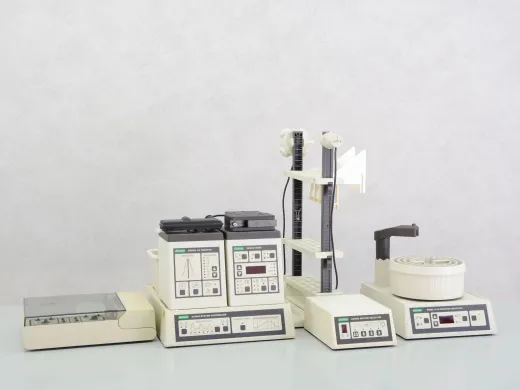
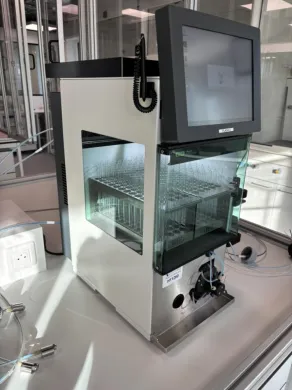
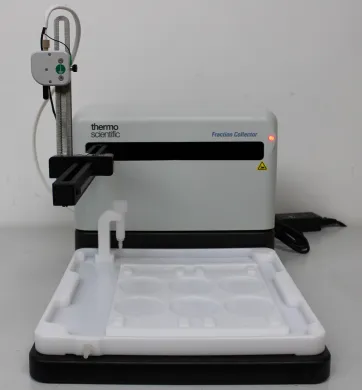
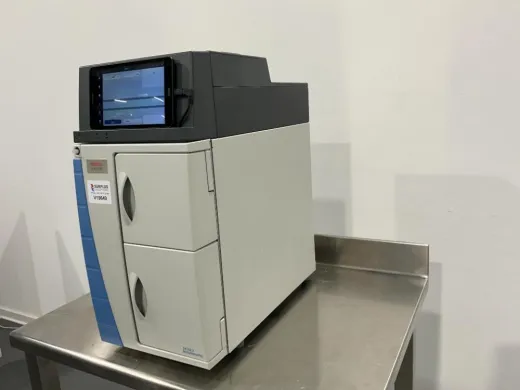
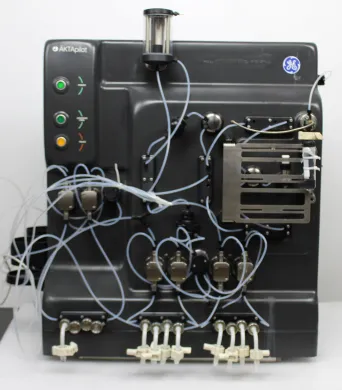
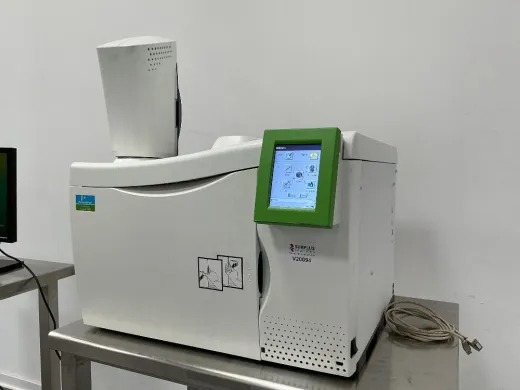
Among the listings that specify a type, the catalogue splits into standalone modules and complete platforms. Autosamplers handle timed, repeatable injection and are the component an analytical lab replaces most often; they feed liquid chromatography systems, the general analytical workhorses that separate and quantify compounds across pharmaceutical, environmental and food testing. Fraction collectors sit at the opposite end of the run, dividing the column output into timed or peak-triggered fractions, and belong to preparative rather than analytical work. Fast protein liquid chromatography (FPLC) systems and the broader protein purification systems are the preparative backbone of life sciences work: they run biological buffers at moderate pressure through affinity, ion-exchange and size-exclusion resins to isolate a target. This is purification chromatography applied to protein purification and downstream proteomics, the step that delivers clean material for structural study, enzymatic assay or a bioprocessing pipeline. FPLC platforms are also used for antibody and enzyme recovery in biomanufacturing and for preparing samples ahead of molecular biology experiments. The general "chromatography system" entries are complete trains whose exact configuration varies, and are worth a type query before purchase.
The brands behind these listings
The catalogue is led by Cytiva, Thermo Scientific, GE Healthcare, Agilent, Amersham Biosciences. For a buyer this concentration is useful: it means consumables, columns and replacement modules for these lines are relatively easy to source, and that two listings from the same maker can be compared on configuration rather than guessed at. Cytiva and the Amersham and GE Healthcare heritage lines dominate the protein purification and FPLC end, where their resin chemistries and control software are long established; the analytical liquid chromatography listings lean on Agilent and Thermo Scientific, whose instruments are widely documented and widely serviced. A system from a named maker also holds its value more predictably, which matters across the broad price band here.
What a used chromatography system costs here
Of the listings, 97 percent are used. Prices range from EUR 10 to EUR 107.611. That spread covers everything from a single catalogue component to a complete preparative or analytical platform with software, and the position within it is set mostly by how many modules a listing includes. The equipment comes from 15 verified suppliers and distributors across 10 countries, and refurbished units are listed below the cost of new.
Frequently asked questions
What is a chromatography data processing system?
It is the combination of hardware and software that runs a chromatographic separation and records its output, covering pumps, valves, detectors, controllers and the software that quantifies what elutes from the column. A listing may be a single module such as an autosampler or a complete analytical or preparative platform.
What does chromatography data processing mean in practice?
It means capturing the detector signal as a sample moves through a column and turning that signal into identified, quantified peaks. The processing side is the software and controller that log the run, integrate peaks and manage fraction collection or injection timing.
How do these systems work?
Sample is injected, carried by a pump through a column that separates compounds by their chemistry, and the eluting components pass a detector that records a signal over time. The controller and software convert that signal into a chromatogram and, on preparative systems, trigger a fraction collector to divide the output.
What types are listed in this category?
The catalogue covers fraction collectors, protein purification systems, fast protein liquid chromatography (FPLC) systems, general chromatography systems, autosamplers and liquid chromatography systems. These split into standalone modules and complete analytical or preparative platforms.
What are chromatography systems used for?
Analytical liquid chromatography systems separate and quantify compounds in pharmaceutical, environmental and food testing. Preparative platforms and FPLC systems isolate and recover purified protein or compound for structural study, assays, antibody and enzyme recovery or a bioprocessing pipeline.
How do I choose between an analytical and a preparative system?
Decide what the separation is for: an analytical system measures and identifies using small injections and a narrow column, while a preparative or FPLC platform collects purified material by pushing larger volumes through a resin. That decision sets flow rate, pressure rating, detector type and whether a fraction collector belongs on the list.
What is the difference between refurbished and used units?
Used describes a unit sold in its working condition as it came from service, while refurbished means it has been checked and brought back toward working order before listing. Both are listed below the price of new, and the specific condition of modules such as pump seals and detector lamps should be confirmed per listing.
How much does a chromatography system cost here?
Prices range from EUR 10 to EUR 107.611, with the average around EUR 9.901. Where a listing sits in that band depends mostly on how many modules it includes and whether a current software licence is part of the sale.
Which brands appear most in this category?
The catalogue is led by Cytiva, Thermo Scientific, GE Healthcare, Agilent and Amersham Biosciences. Cytiva and the Amersham and GE Healthcare heritage lines concentrate at the protein purification and FPLC end, while Agilent and Thermo Scientific carry much of the analytical liquid chromatography side.
Is a warranty available on a refurbished system?
A warranty is often possible and is arranged in consultation for the specific listing. Check the listing itself for condition details and ask before purchase.
Can I get parts for these systems?
Parts can be sourced via Questpair. The concentration of named brands here also means consumables, columns and replacement modules for those lines are relatively easy to find.
How long does a chromatography system last?
The instrument frame and major modules can run for many years, but these are modular systems that wear unevenly. Pump seals, injector rotor seals and detector lamps are consumables with finite lives and are replaced on a schedule regardless of overall system age.
Should I buy new or refurbished?
The clearest difference is price: used and refurbished units are listed below new. With 343 used units against 12 new in this category, the second-hand market holds most of the stock, so weigh the individual listing and arrange warranty in consultation.
Where can I buy these systems?
They are listed on Questpair from 15 verified suppliers and distributors across 10 countries. The category spans 355 listings in total.
What are the lead time and shipping like?
Lead time and shipping depend on the individual seller and the system's location among the 10 countries represented. Confirm both with the listing before purchase, since a multi-module platform ships differently from a single autosampler.
What calibration and maintenance do these systems need?
Routine upkeep covers replacing pump and injector seals, UV detector lamps and flow cell checks, plus flushing the system to prevent residue buildup. Questpair does not provide servicing, so plan maintenance around the consumables a given configuration uses.
Which types are most listed and who reaches for which?
Autosamplers and liquid chromatography systems serve analytical labs that measure and quantify compounds, with autosamplers being the component those labs replace most often. Fraction collectors, FPLC systems and protein purification systems serve preparative and life sciences work where the goal is recovering purified material.
What does the brand concentration mean for a buyer?
Because Cytiva, Thermo Scientific, GE Healthcare, Agilent and Amersham Biosciences hold much of the catalogue, two listings from the same maker can be compared on configuration rather than guessed at, and parts and columns are easier to source. A system from a named maker also tends to hold its value more predictably across the wide price band.
What separates the cheapest listings from the most expensive?
The low end is a single standalone module such as an autosampler or fraction collector, while the top is a complete FPLC or analytical platform with pump, detector and a current software licence. The number of modules and the software licence drive the price more than the brand does.