
Flow Cytometry
We personally find you the right new, used and refurbished flow cytometry instruments & equipment from verified suppliers.
Flow cytometry measures individual cells as they pass single-file through a laser, so the work stands or falls on fluidics that keep the sample stream stable and detectors that resolve weak signals against background. A clogged nozzle or drifting alignment turns a clean population into noise, which is why the instrument at the centre of this work carries most of the cost and most of the scrutiny. The surrounding steps bind it: samples arrive as a suspension of single cells, stained with the right fluorophores, counted and normalised before they ever reach the flow cell. The Questpair catalogue holds 20803 listings across these stages, from reagents to the analysers themselves.
Updated:
Flow Cytometry product list
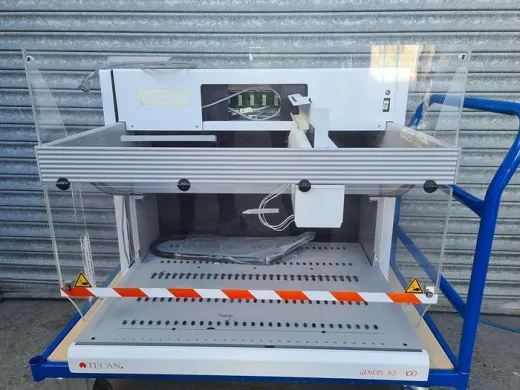
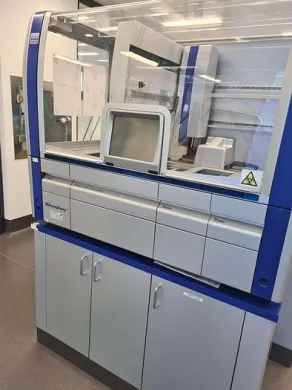


Not the exact instrument you need?
Tell our scientists what you are after. We track it down, including off-market supply.
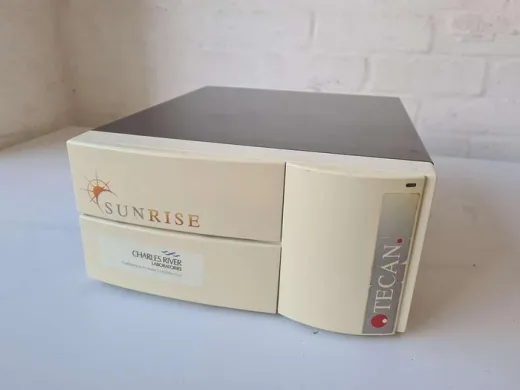
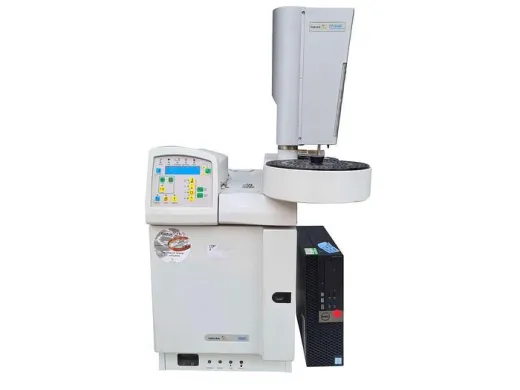
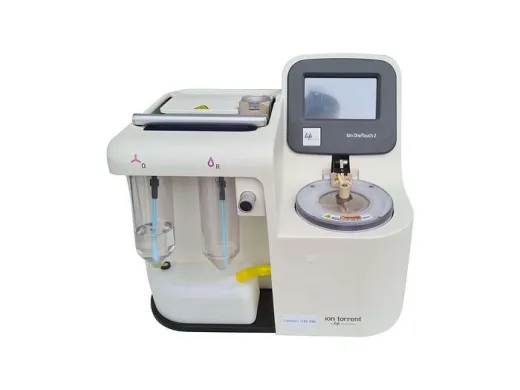
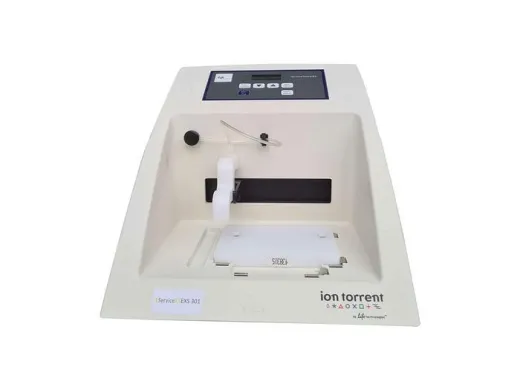
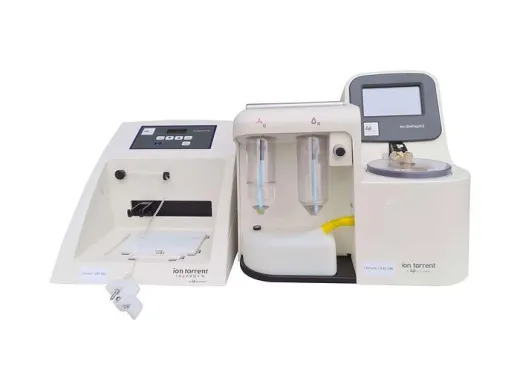
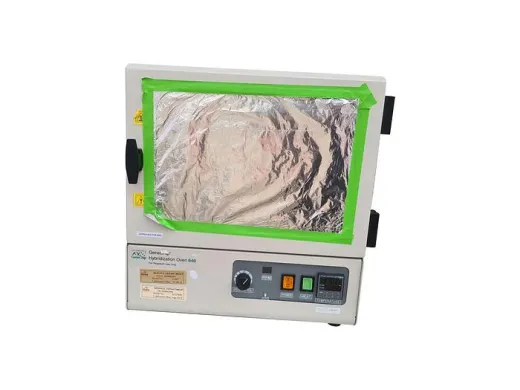
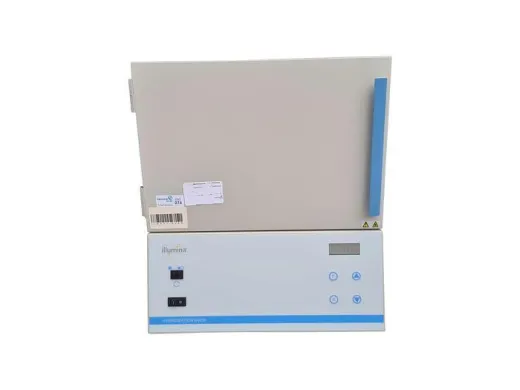
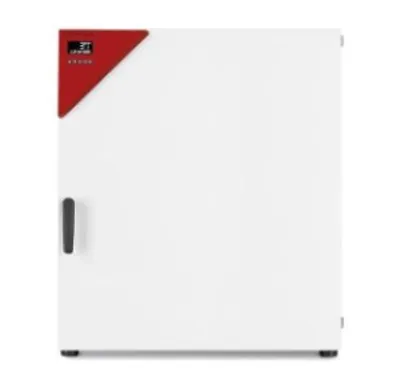
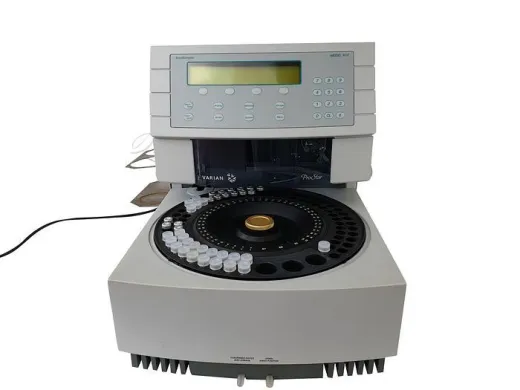
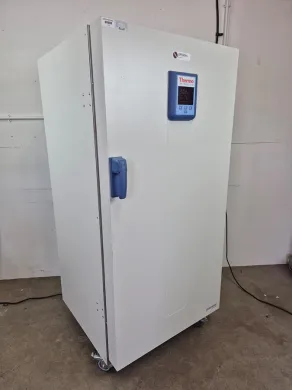
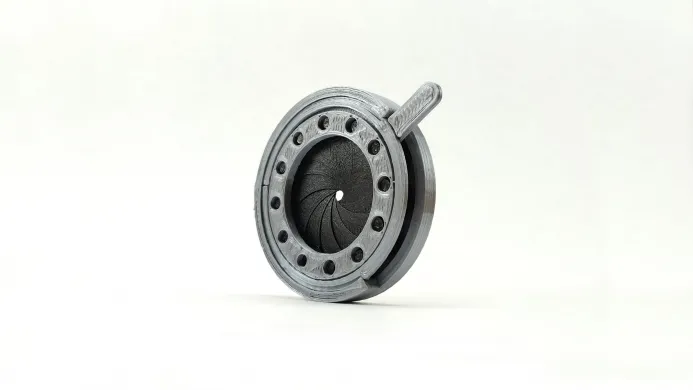
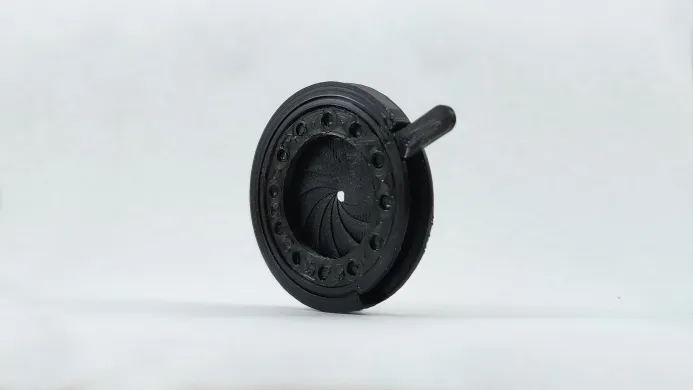
Illumina Boekel 230401 - 21LL Hybridization Oven
- Category
- Furnaces
- Brand
- Illumina
- Suppliers
- 1 verified
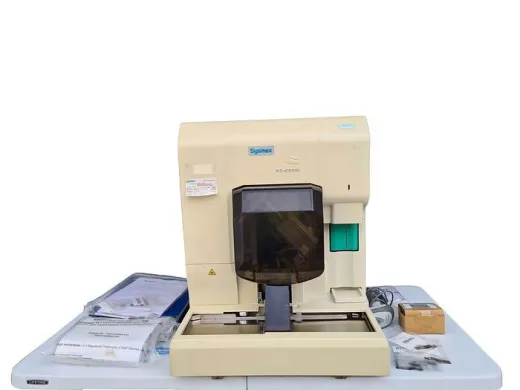
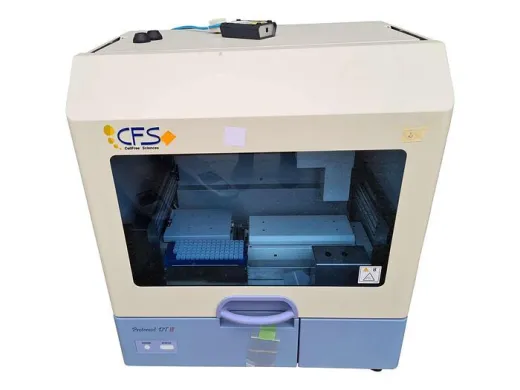
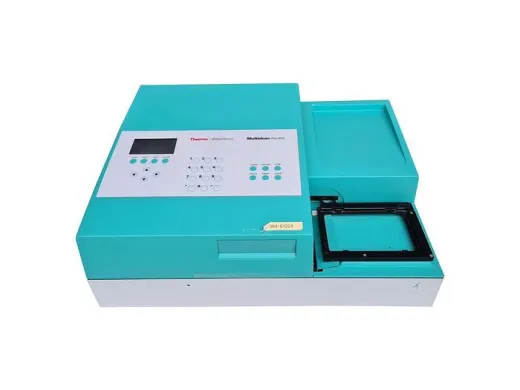
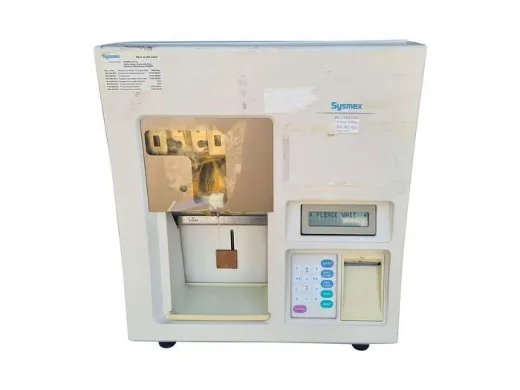
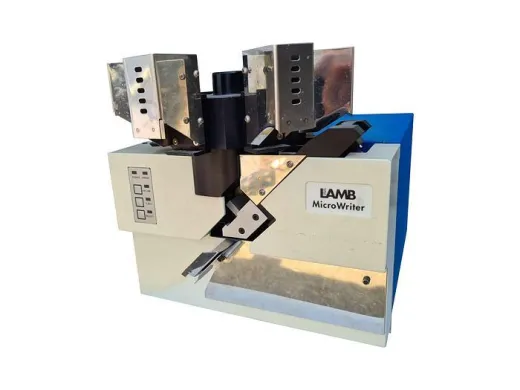
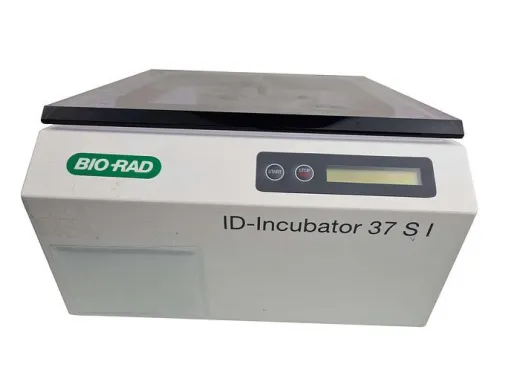
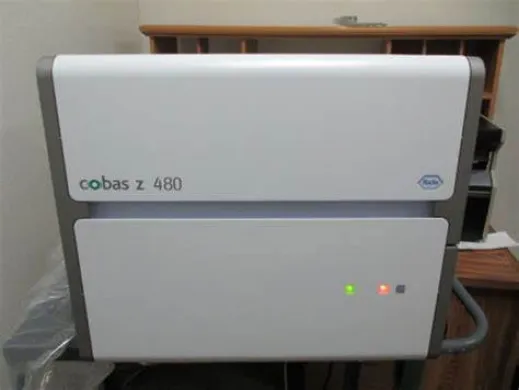
Roche Cobas Z 480 real time PCR
- Category
- Life science equipment other
- Brand
- Roche
- Suppliers
- 1 verified
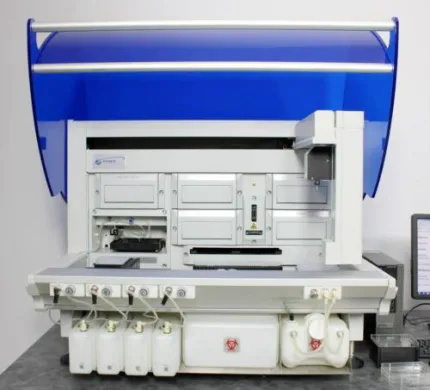
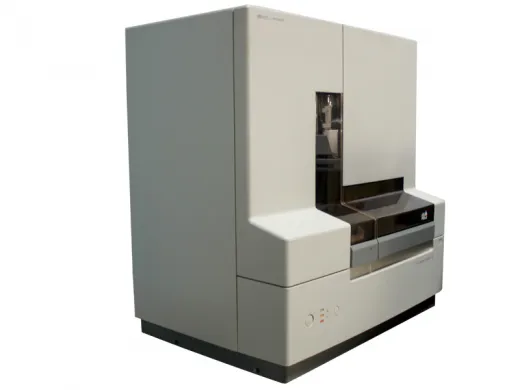
ABI 3100 prism Genetic analyzer
- Category
- Electrophoresis
- Brand
- Applied biosystems
- Suppliers
- 1 verified
Not the exact instrument you need?
Tell our scientists what you are after. We track it down, including off-market supply.
Showing 1–40 of 9,790 listings
Show 40 more listingsBuying guide
Prices run from EUR 1 to EUR 533.942. That is the widest spread of any assay on the site, because this page covers both the reagents a run consumes and the instrument it runs on. At the low end sit antibodies, counting supplies and consumables, items bought by the box and replaced often. At the high end sits a cell sorter, where the fluidics, the laser configuration and the droplet deflection hardware account for most of the cost of setting up this work. An analyser falls between the two, cheaper than a sorter because it reads without separating.
Condition is where this set differs from a general catalog. 95 percent of the listings are used. For a reagent that ceiling matters less, since antibodies turn over quickly and are bought for the current run. For an instrument it is the whole question: a used analyser or sorter needs its fluidics and optical alignment verified before it earns trust on a panel, and warranty on any individual unit is arranged in consultation for that specific listing. The catalogue spans 176 verified suppliers and distributors across 93 countries, so the same class of instrument often appears at several price points and conditions at once. Where a used unit lists well below a new one, that price difference is the clearest reason to consider it; weigh it against the specific listing and what the seller states about the instrument's history.
Types of Flow Cytometry
Flow cytometry runs as a sequence, not a single instrument, and the equipment it draws on spans several categories: the cytometer itself, the antibodies that label the cells, the counters and isolation tools that prepare the sample, and the liquid handling that moves it. What follows is the work in the order a lab does it, with the equipment each step needs and the places where one step constrains the next.
Preparing a single-cell suspension
Nothing downstream works on a clump. The flow cell admits one cell at a time, so a tissue or a confluent culture has to become a suspension of separated cells first, and the quality of that separation sets a ceiling on everything that follows. Cell isolation equipment does this work, whether by enzymatic dissociation, mechanical disaggregation, or magnetic selection of a target type. Where a run needs a pure starting population rather than a mixed one, isolation at this stage saves gating effort later. The listings for primary and cultured cells sit beside this step, because many protocols start from a known line rather than fresh tissue.
Once the cells are loose they are counted. A cell counter gives the concentration needed to normalise the sample to the density the cytometer expects, too dilute and a run takes forever, too dense and coincidence errors rise as two cells cross the laser together. Automated liquid handling enters here for any lab running plates rather than tubes, pipetting and diluting at a scale a technician cannot match by hand.
Which fluorophores can a given instrument read?
Staining is where the biology meets the optics. Flow cytometry antibodies carry the fluorophores that mark surface and intracellular targets, and the choice is not free: each fluorophore emits in a particular band, and the cytometer can only separate colours its lasers excite and its detectors resolve. A panel of a dozen markers needs an instrument with the laser lines and filter sets to match, which is the first constraint that reaches back from the hardware into the experiment design. The antibody listings here cover the conjugated reagents this step consumes.
Running the sample and sorting the output
The flow cytometer itself is the centre of the work. Sheath fluid focuses the stained suspension into a narrow stream, the laser interrogates each cell, and detectors read scatter and fluorescence to build a profile of the population. Analysers stop there, reading and recording. Sorters go further, deflecting droplets to physically separate cells by their profile, which is what a lab needs when the output of this step feeds a culture or a sequencing run rather than a chart. That distinction drives much of the price spread in the listings.
Where do the supporting categories fit?
Two sets of listings sit around the sequence rather than inside one step. Clinical laboratory equipment and the broader biotech and life sciences category carry instruments used in diagnostic and research settings where cytometry is one assay among many, and laboratory supplies cover the tubes, sheath fluid, and consumables every run depends on. They are not stages of the work, but no setup runs without them.
Frequently asked questions
What equipment do you need at minimum to start flow cytometry?
At minimum you need a way to make a single-cell suspension, a cell counter to normalise concentration, the conjugated antibodies that label your targets, and a cytometer to read them. An analyser covers reading alone; a sorter is only needed if the run has to physically separate cells for downstream culture or sequencing.
Which step is the most expensive to set up?
The instrument at the centre of the work carries most of the cost, and a cell sorter sits at the top because its fluidics, laser configuration and droplet deflection hardware all add to the price. An analyser costs less than a sorter because it reads without separating, and reagents and consumables sit at the low end of the spread, which runs from EUR 1 to EUR 533.942.
What can be bought used and what is better new?
Reagents like antibodies turn over quickly and are bought for the current run, so condition matters less there. For a cytometer the choice is substantive: used and refurbished analysers and sorters are listed below new prices, and a used instrument needs its fluidics and optical alignment verified before it is trusted on a panel.
What has to match between the staining step and the instrument?
Each fluorophore emits in a particular band, and the cytometer can only separate colours its lasers excite and its detectors resolve. A panel of a dozen markers requires an instrument with the laser lines and filter sets to read them, so the hardware's optical configuration constrains which antibody panel you can run.
Roughly what does a complete flow cytometry setup cost?
Prices across the catalogue run from EUR 1 to EUR 533.942, the widest spread on the site because this page covers both the reagents a run consumes and the instrument it runs on. A full setup combines the recurring cost of antibodies, counting supplies and consumables with the one-time cost of the cytometer, which dominates the total.
Where does cutting the budget cost you later?
Skimping on cell isolation and counting sets a low ceiling on everything downstream, since the flow cell admits one cell at a time and a poor suspension turns a clean population into noise. Choosing an instrument whose lasers and detectors cannot resolve your intended panel limits the experiments you can run without reaching back into the hardware.
Which equipment is shared with other lab work?
Cell counters, automated liquid handling and the broader clinical and biotech instruments are used across many assays, not just cytometry. Isolation tools, laboratory supplies, tubes and sheath fluid also serve other protocols, so these categories rarely stand idle between cytometry runs.
What should I check on a used cytometer before buying it for this work?
Verify the fluidics and optical alignment, since a clogged nozzle or drifting alignment is what turns a resolved population into background. Confirm the laser lines and filter sets match the panel you intend to run, and review what the seller states about the instrument's history; warranty is arranged in consultation for the specific listing, and parts can be sourced via Questpair.
About Questpair
Questpair is the European marketplace for lab equipment, where AI-prepared cases and personal specialists guide every purchase. We work with 247 verified suppliers across 38 countries to find buyers the right new, used or refurbished instruments, with response within 1 hour and significant savings vs buying new.
Personal · Fast · Reliable · Affordable