

Electron Microscopy
We personally find you the right new, used and refurbished electron microscopy instruments & equipment from verified suppliers.
Electron microscopy resolves structure at the nanometre scale, and the work binds on three things at once: the vacuum column that keeps the beam clean, the detector that turns electrons into an image, and the sample preparation that decides whether anything is visible at all. A transmission instrument looks through a thin section; a scanning instrument reads the surface. Each sets different demands on specimen thickness, coating and stage stability. The catalogue carries 13634 listings across 143 verified suppliers and distributors in 74 countries, spanning complete columns, cameras and the ancillary imaging systems that sit around them. Where the two microscope types diverge is where most of the equipment decisions get made.
Updated:
Electron Microscopy product list
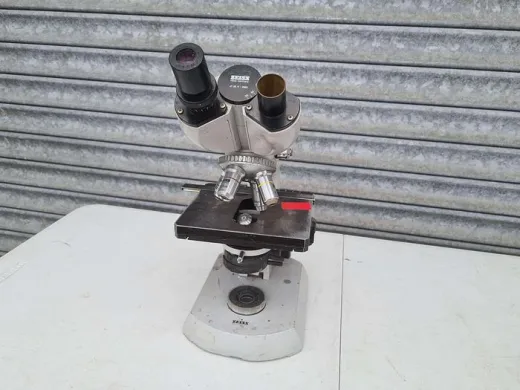
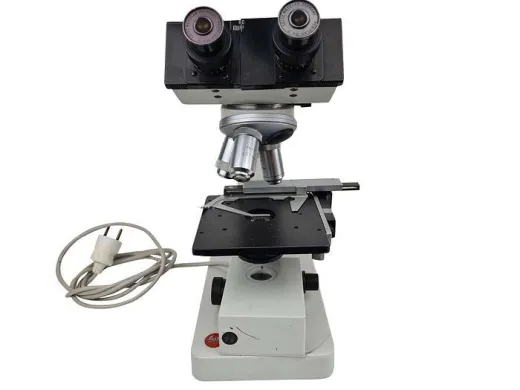


Not the exact instrument you need?
Tell our scientists what you are after. We track it down, including off-market supply.
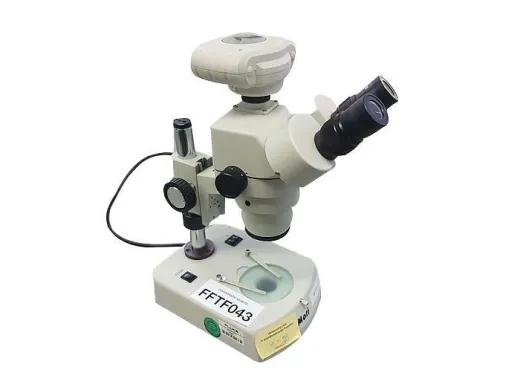
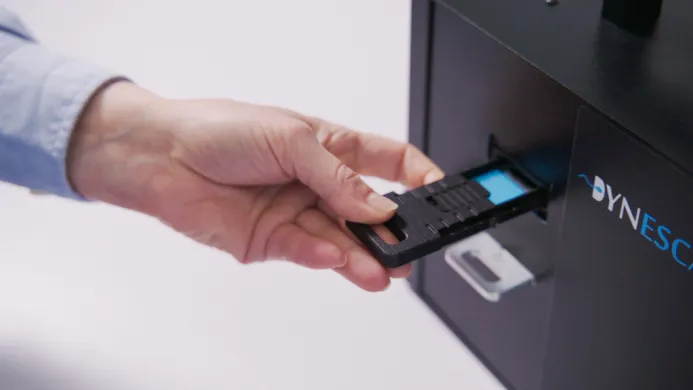
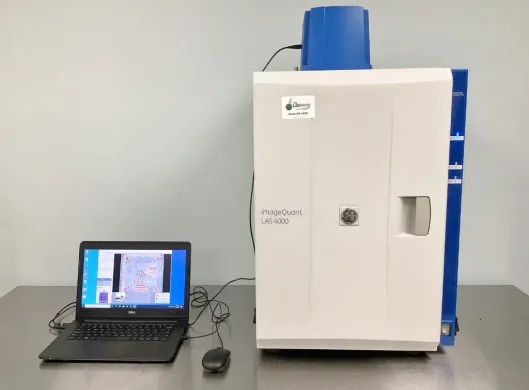
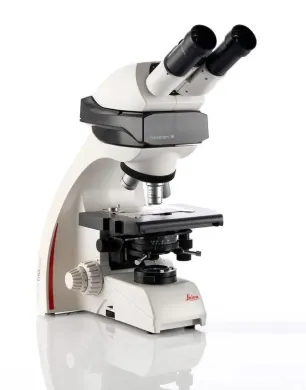
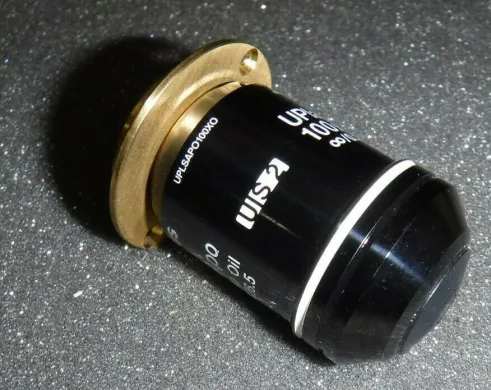
Not the exact instrument you need?
Tell our scientists what you are after. We track it down, including off-market supply.
Showing 1–40 of 7,181 listings
Show 40 more listingsBuying guide
Price across this set is unusually wide because it spans everything from a single consumable to a complete column. Listings run from EUR 4 to EUR 244.724. The low end is accessories and spares, cameras, detector parts, sample holders and preparation consumables. The high end is a complete scanning or transmission instrument, where the column, vacuum system, stage and detectors arrive as one working unit. A camera or an imaging system sits in the middle, often bought on its own to modernise a column that still performs.
Condition matters more here than price alone. 94 percent of the listings are used. For a field where new instruments reach well into six figures, a used column in sound working order is how most labs enter electron microscopy at all, and the secondary market is deep enough that specific configurations turn up regularly. A used instrument carries questions a new one does not, chiefly vacuum integrity, detector age and the state of the stage, so the individual listing is where those details live.
Warranty is often possible and is arranged in consultation for the specific listing rather than set across the catalogue. Where a buyer is weighing a used column against a new one, the price difference is the clear distinction, and the terms attached to either sit with the listing itself. Parts, from detector components to consumable holders, can be sourced via Questpair, which matters on older columns where a single worn part can otherwise sideline an otherwise sound instrument.
Types of Electron Microscopy
The equipment this work draws on falls into a few groups: the microscopes themselves, split between transmission and scanning columns, the cameras and detectors that record the image, and the imaging and preparation systems that stand around the column. Electron microscopy runs as a sequence rather than a single purchase, and the sections below follow that sequence from specimen to saved image.
Which column does the work need, transmission or scanning?
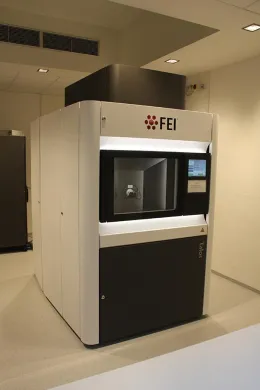
The first decision is the column itself, because it sets everything downstream. A transmission electron microscope passes the beam through a specimen thin enough for electrons to cross, typically under a hundred nanometres, and reads the structure that survives the passage. This is the instrument for internal detail: cell ultrastructure, crystal lattices, thin-film cross sections. A scanning electron microscope rasters a focused beam across a surface and collects the electrons that scatter back, building a topographic image with depth of field a light microscope cannot reach.
The two are not interchangeable, and the choice is driven by what you need to see. Surface morphology and fracture faces go to a scanning column; anything requiring a view through the material goes to a transmission one. The marketplace lists both as separate categories, alongside a broader group of microscopes and microscopy equipment that covers hybrids and specialised configurations. Where a lab handles both surface and internal work, that usually means two instruments rather than one, and the column choice then becomes a question of which work dominates.
Preparing a specimen the beam can read
No column produces an image from a specimen it cannot penetrate or cannot hold still. Transmission work demands sectioning down to the thickness the beam will cross, which pulls in ultramicrotomy and, for biological material, staining with heavy metals to generate contrast. Scanning work demands the opposite kind of preparation: a conductive surface, often a sputtered coating of gold or carbon, so the sample does not charge under the beam and distort the image.
This is where two steps constrain each other. A specimen prepared for transmission is useless for scanning and the reverse holds, so the preparation route is fixed the moment the column is chosen. The imaging systems and microscopy equipment categories carry much of the ancillary apparatus this stage relies on, though the preparation instruments themselves vary widely by application.
Recording the image: cameras and detectors
The column forms the image but something has to capture it. On a transmission instrument that means a camera, historically film and now almost entirely digital sensors mounted below the column or on a side port. The cameras category in the catalogue reflects this: detector choice governs resolution, frame rate and sensitivity, and on older instruments a camera upgrade is a common way to extend a working column rather than replace it.
Scanning instruments build their image from detectors rather than a single camera, reading secondary and backscattered electrons separately to carry surface and compositional information. The imaging systems categories cover the recording and processing hardware that turns detector output into a usable image.
How do the pieces connect across a working setup?
A functioning setup is the column, its detectors or camera, the preparation route feeding it, and the imaging system storing the result, and a gap at any step stalls the others. A high-resolution column paired with an undersized sensor throws away resolution; a capable detector fed poorly prepared specimens records noise. Reading the catalogue as a connected set rather than a shelf of separate instruments is what keeps those mismatches out of a purchase.
Frequently asked questions
What equipment do you need at minimum to start electron microscopy?
At minimum you need a column, either scanning or transmission, with its vacuum system and stage, a camera or detectors to record the image, and a preparation route that matches the column type. Without the preparation step the column has nothing it can read, so a working entry point is the column plus whichever sectioning, coating or staining apparatus its specimens require.
Which step is the most expensive to set up?
The column itself is the single largest cost, since a complete scanning or transmission instrument arrives as the vacuum system, stage and detectors in one unit. Preparation apparatus and cameras sit well below that, which is why camera and detector upgrades are a common alternative to replacing a column.
What can be bought used and what is better bought new?
Columns, cameras, detectors and preparation apparatus all appear used, and used and refurbished units are listed at lower prices than new ones. The practical split is less about the item type than its condition: a used column in sound vacuum and stage order serves well, while a part subject to wear or ageing, such as a detector, is where condition detail on the listing matters most.
What has to match between the steps in a setup?
The preparation route must match the column type, because a specimen thinned for transmission cannot be imaged in a scanning instrument and a coated surface sample is wrong for transmission. The detector or camera also has to match the column's resolution, since an undersized sensor under a high-resolution column discards resolution the column produced.
Roughly what does a complete electron microscopy setup cost?
Listings across this category range from EUR 4 to EUR 244.724, with the low end being consumables, holders, detector parts and cameras, and the high end a complete column delivered as one working unit. A standalone camera or imaging system sits between the two, since those are often bought alone to update a column that still performs.
Where does cutting the budget cost you later?
Underspending on the detector or camera relative to the column throws away resolution the column was built to deliver, and skimping on preparation apparatus means a capable detector records noise from poorly thinned or poorly coated specimens. The cost resurfaces as images that do not resolve what the column could have shown.
Which equipment is shared with other work?
Sputter coaters, ultramicrotomes and staining apparatus from the preparation stage overlap with sample preparation used in other microscopy and histology work. Imaging and processing systems that store and handle the recorded image can also serve beyond the electron column.
What should I check on a used electron microscope before buying?
The main questions on a used column are vacuum integrity, the age of the detector or camera, and the condition of the stage, and those details sit on the individual listing. Where a single worn component is the issue, parts can be sourced via Questpair, which can keep an otherwise sound older column in service.
About Questpair
Questpair is the European marketplace for lab equipment, where AI-prepared cases and personal specialists guide every purchase. We work with 247 verified suppliers across 38 countries to find buyers the right new, used or refurbished instruments, with response within 1 hour and significant savings vs buying new.
Personal · Fast · Reliable · Affordable