

Imaging systems - other
We personally find you the right used, refurbished and new imaging systems - other instruments & equipment from verified suppliers.
Imaging systems are laboratory instruments that capture, record and quantify visual data from samples, from stained protein gels to fluorescently labelled cells to internal surfaces reached by an endoscope. This catalogue covers the instruments that sit outside the named imaging categories, and across the listings that specify a type, gel documentation system, imaging system, fluorescence imaging system, flexible endoscope, gel imaging system, laboratory imaging equipment are the common forms. New, used and refurbished units are listed, and 100 percent of the listings are used. Prices run from EUR 31 to EUR 111.911. The 275 items here come from 15 verified suppliers and distributors across 8 countries, which gives a buyer several makers to compare within one class of equipment rather than one line at a fixed price.
Updated:
Imaging systems - other product list


Not the exact instrument you need?
Tell our scientists what you are after. We track it down, including off-market supply.
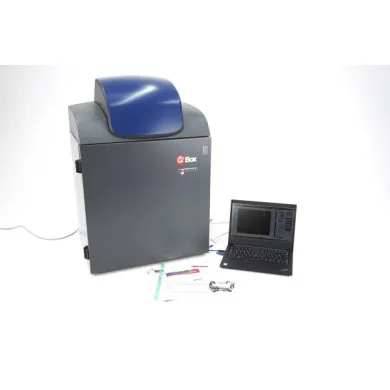
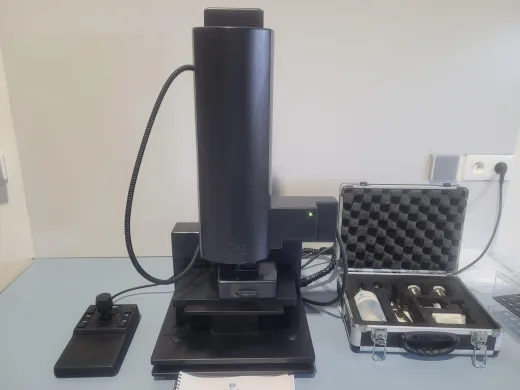
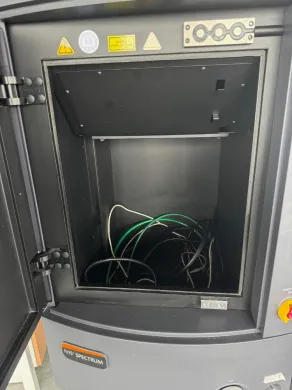
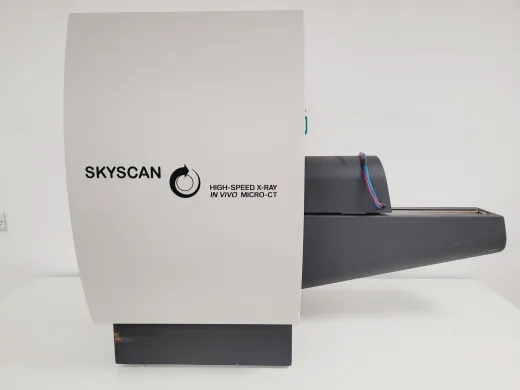
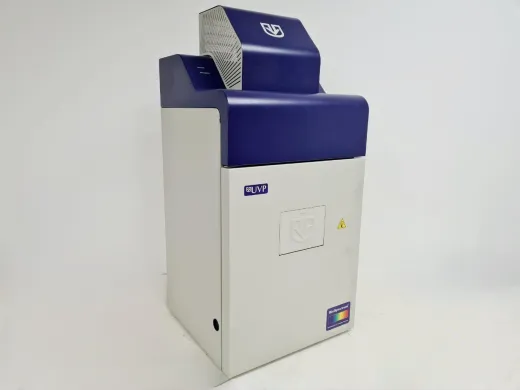
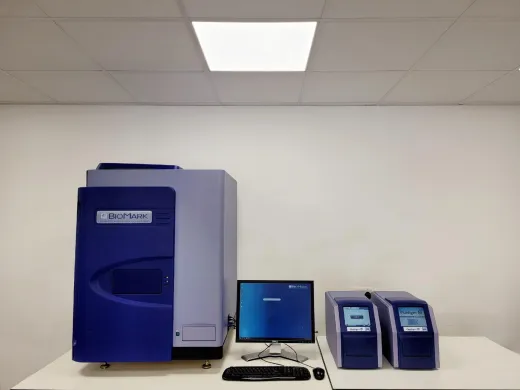
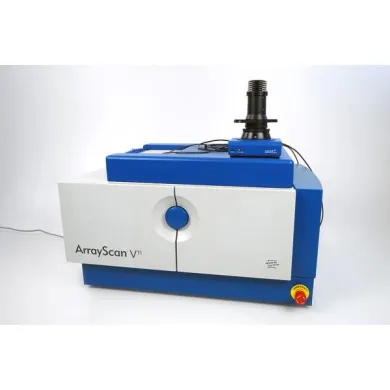
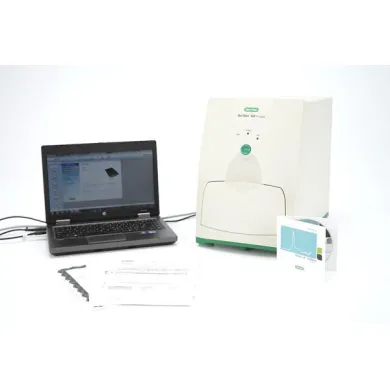
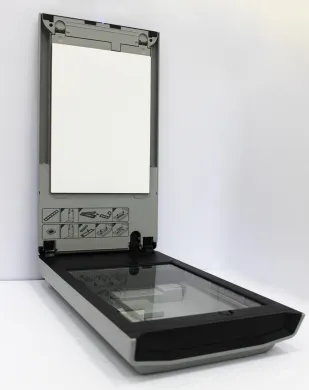
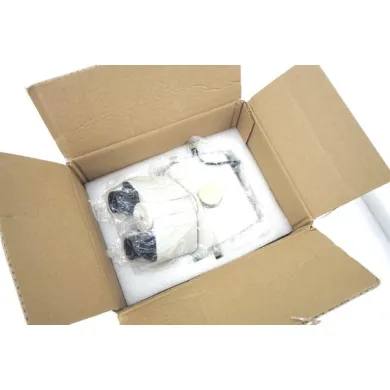
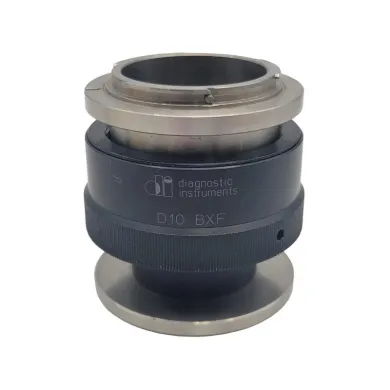
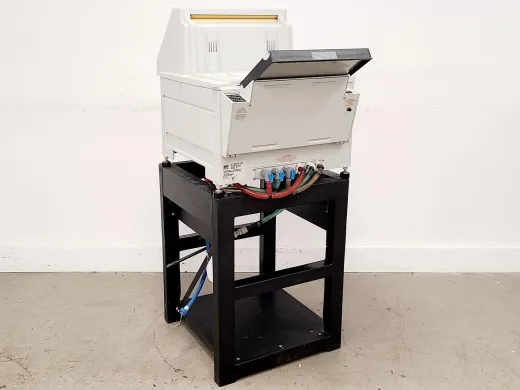
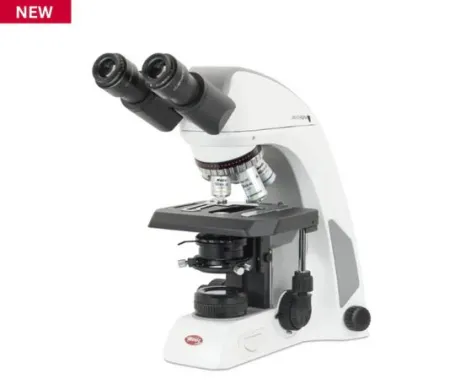
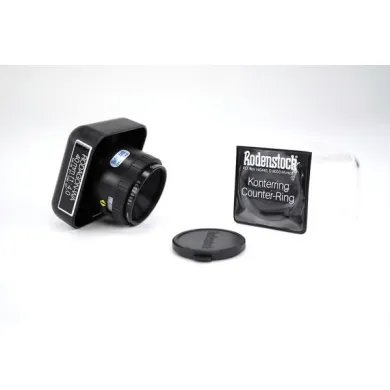
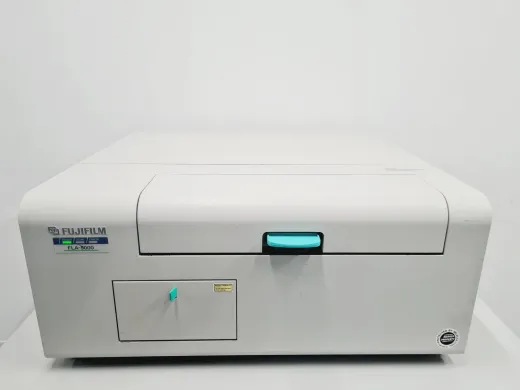
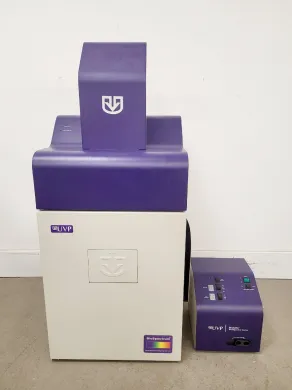
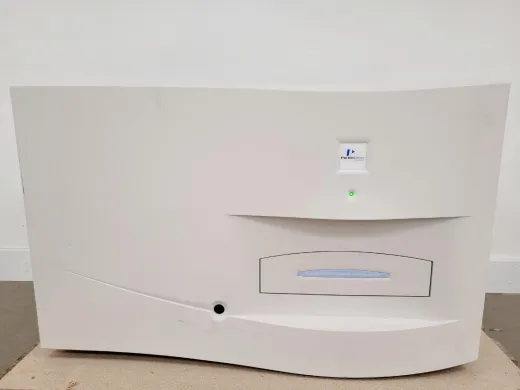
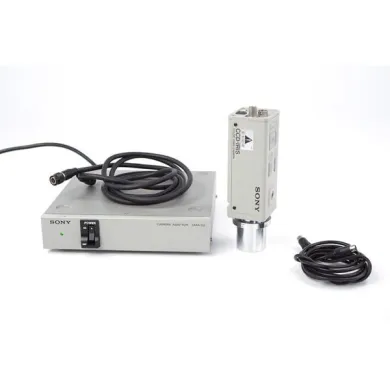

Not the exact instrument you need?
Tell our scientists what you are after. We track it down, including off-market supply.
Showing 1–40 of 95 listings
Show 40 more listingsBuying guide
What settles a purchase here is the detection method, because it decides what the instrument can see at all. A gel documentation system built around a monochrome camera and white or UV transillumination reads ethidium bromide and Coomassie bands; it will not resolve a fluorophore that emits at a wavelength its filters do not pass. A fluorescence imaging system carries excitation sources and emission filters matched to specific dyes, and the dye set in your protocol has to match the filter set in the instrument before anything else matters. An endoscope is a different problem again, defined by the diameter and working length of its insertion tube and by whether its optics are rigid or flexible. Decide which detection method your work needs, then read every other specification through it.
On a used unit the parts that age are not the chassis but the light source and the sensor. A UV transilluminator loses output as its tubes age, and a lamp at the end of its life dims a gel image in a way that looks like a staining problem. LED illuminators last longer but are not immune. A cooled CCD or sCMOS sensor degrades slowly, so ask when it was last used and whether dark frames are clean. For a flexible endoscope, check the fibre bundle for broken fibres, which show as black points in the image, and confirm the articulation still holds position. These are physical conditions a datasheet cannot report, so they are what to verify before buying.
Price here spans a wide range, and the band tells you which instrument you are looking at. A bare transilluminator or a basic gel reader sits near the bottom; a research fluorescence imager with cooled detection and motorised filters sits near the top. Prices run from EUR 31 to EUR 111.911, with an average around EUR 5.509, so what a given unit costs depends almost entirely on its detection class. A buyer working to a fixed budget can usually find a documentation-grade system well within reach, since used and refurbished units listed for sale are more affordable than new. The brands occupying this catalogue, Olympus, Syngene, Bio-Rad, Invitrogen, UVP, cover both ends of that spread, which makes a like-for-like comparison possible within one search rather than across several vendor sites.
Types of Imaging systems - other
Which imaging systems are listed here?
Among the listings that specify a type, the catalogue splits into a few recognisable classes. Gel documentation systems and gel imaging systems capture stained nucleic acid and protein gels under UV or white light, and they are the workhorse of a molecular biology bench running electrophoresis day to day. Fluorescence imaging systems add tuned excitation and emission optics so that fluorescently labelled samples, from western blots to cell imaging preparations, can be quantified rather than merely photographed; this is the form reached for in proteomics and in multiplexed immunoassay readouts. General laboratory imaging equipment covers the broader instruments that document samples without fitting the gel or fluorescence description. Flexible endoscopes stand apart, built to inspect internal surfaces through a narrow articulating tube; in a life sciences setting they are also used for in vivo imaging and small-animal procedures. Each class answers a different question about a sample, so the type a buyer needs follows directly from the work, whether that is histology documentation, microbiology plate reading, or electrophoresis gel capture.
The brands behind the imaging listings
The makers that dominate this catalogue are Olympus, Syngene, Bio-Rad, Invitrogen, UVP, and their presence shapes what a buyer can actually do. Syngene and UVP are specialists in gel documentation, so their systems turn up with transilluminators, hoods and the software that reads band intensity; parts and consumables for them are comparatively easy to find. Bio-Rad and Invitrogen appear across both gel and fluorescence imaging, which makes their models straightforward to compare against each other on detection class and price. Olympus brings the optical and endoscopic side. A catalogue weighted toward established names means a used model can usually be matched against its original specification and against a sibling listing, rather than bought blind.
What a used imaging system costs here
The condition mix is one-sided: 100 percent of the listings are used. Prices run from EUR 31 to EUR 111.911, a spread that covers everything from a standalone transilluminator to a fully configured research fluorescence imager with cooled detection. The average, around EUR 5.509, sits well below the top of the range, which reflects how many documentation-grade systems populate the lower end. A buyer weighing a used unit against new should look at the individual listing, since price is the one difference the catalogue can state plainly and warranty is arranged in consultation for the specific item.
Frequently asked questions
What is an imaging system in this category?
It is an instrument that captures, records and quantifies visual data from samples, gels or specimens, turning light, fluorescence or digital signals into measurable images. This catch-all group holds the imaging equipment that does not fall under a dedicated subcategory.
What does 'Imaging systems - other' mean?
It is a heading for imaging instruments that share optics or image capture but do not fit one named subcategory, such as gel documentation units, fluorescence platforms and endoscopes. They are grouped by what they do rather than by a single workflow.
How do imaging systems work?
They illuminate or excite a sample, then a camera or optical path reads the reflected, emitted or transmitted light and converts it into a digital image. A gel documentation unit records stained bands after electrophoresis, while a fluorescence system excites a labelled sample and reads the emitted light.
What types are listed in this category?
The recurring types are gel documentation systems, general imaging systems, fluorescence imaging systems, flexible endoscopes, gel imaging systems and broader laboratory imaging equipment. They differ in the signal they read and the sample they are built for.
What are imaging systems used for?
Gel documentation and gel imaging systems record DNA, RNA and protein gels for genomics and proteomics work. Fluorescence imaging supports cell imaging, immunoassay readout and the quantification of fluorescently labelled samples, while flexible endoscopes carry an optical path into a cavity or channel.
How do I choose an imaging system?
Start from the signal you need to read: stained gels call for a documentation or gel imaging unit, labelled samples call for a fluorescence platform. Then match the camera, filters and software to your samples, and check that consumables and parts for the model are available.
What is the difference between refurbished and used?
A used unit is sold in its existing condition, while a refurbished unit has been checked and brought back to working order before listing. Both are listed below the price of a new equivalent, and the exact condition is stated in the individual listing.
How much does an imaging system cost?
Listings here range from EUR 31 to EUR 111.911, with an average near EUR 5.509. The spread reflects the difference between a basic transilluminator or documentation hood and a configured fluorescence platform with a cooled camera and software.
Which brands appear most in this category?
The names that recur are Olympus, Syngene, Bio-Rad, Invitrogen and UVP. Syngene, Bio-Rad and UVP are established in gel documentation, Invitrogen appears on the fluorescence side, and Olympus on the optical and endoscopic side.
Is a warranty available on a refurbished unit?
A warranty is often possible and is arranged in consultation for the specific listing. The terms depend on the condition and the seller of that unit.
Can I get parts for these systems?
Parts can be sourced via Questpair. Established gel documentation brands such as Syngene, Bio-Rad and UVP have a broad installed base, which tends to keep filters, consumables and software comparatively easy to find.
How long does an imaging system last?
Service life depends on the camera, light source and how heavily the unit is used, and a cooled camera or light source will wear before the chassis does. A model with wide parts availability can keep running longer because components can still be sourced.
New versus refurbished, which should I buy?
Used and refurbished units are listed at lower prices than new, which is the clearest difference between them. Where support or warranty matters, weigh the specific listing, since warranty is arranged in consultation for that unit rather than set centrally.
Where can I buy an imaging system?
The Questpair catalogue holds 275 listings in this category from 15 verified suppliers and distributors across 8 countries. New, used and refurbished units appear together.
What is the lead time and shipping?
Lead time and shipping depend on the individual listing, the supplier and the country it ships from, so they vary across the 8 countries represented. The specific terms are tied to each listing.
What calibration and maintenance do these systems need?
Routine care includes keeping optics and filters clean, checking light source output and verifying that image capture is consistent. Questpair does not provide servicing, but parts for maintenance can be sourced through it.
Which types are listed most, and who reaches for which?
Gel documentation and gel imaging systems serve molecular biology and microbiology labs recording electrophoresis results, while fluorescence imaging platforms go to labs localising tagged proteins or quantifying reporters. Flexible endoscopes sit apart, chosen where an optical path into a cavity or channel is needed.
Which brands dominate this category and what does that mean for a buyer?
Olympus, Syngene, Bio-Rad, Invitrogen and UVP recur across the listings. A brand with a broad installed base tends to hold resale value and keep parts available, both of which bear on the cost of owning a used unit, and it lets you compare one model against another on known terms.
What separates the cheapest listings from the most expensive?
At the lower end sit basic transilluminators and documentation hoods with simple capture, while the upper end holds fully configured fluorescence platforms with cooled cameras and analysis software. Read the price band as a map of configurations rather than a single market level.