

Molecular imagers
We personally find you the right used, refurbished and new molecular imagers instruments & equipment from verified suppliers.
Molecular imagers are benchtop detection systems that capture images of nucleic acids, proteins and labelled molecules separated on gels, blots or microplates. They read three kinds of signal: colorimetric stains under white or UV light, chemiluminescent output from enzyme-linked assays, and fluorescence from tagged probes. On Questpair the catalogue holds 204 molecular imager listings from 13 verified suppliers and distributors across 6 countries, offered new, used and refurbished. Among those listings, 100 percent are used. Prices run from EUR 86 to EUR 172.178, spanning simple UV transilluminators through to cooled-CCD chemiluminescence platforms. The term covers gel documentation systems, fluorescence imagers and dedicated molecular diagnostics instruments.
Updated:
Molecular imagers product list


Not the exact instrument you need?
Tell our scientists what you are after. We track it down, including off-market supply.
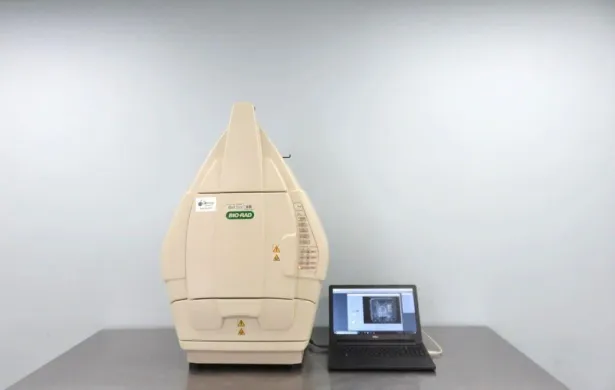
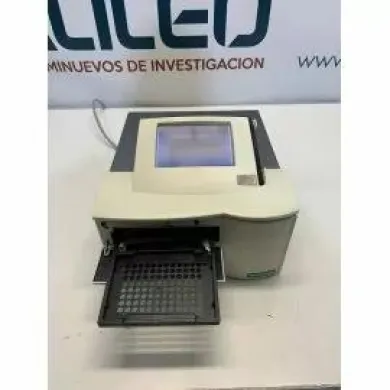
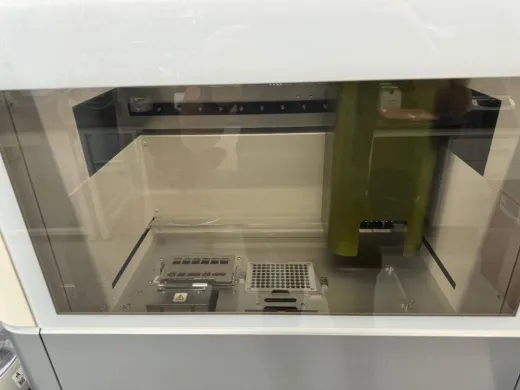
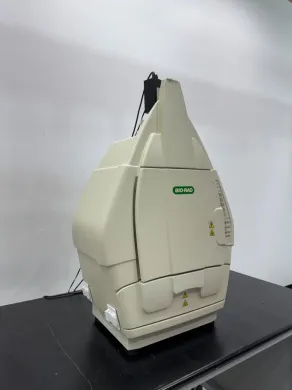
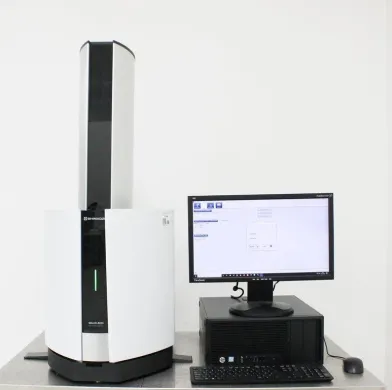
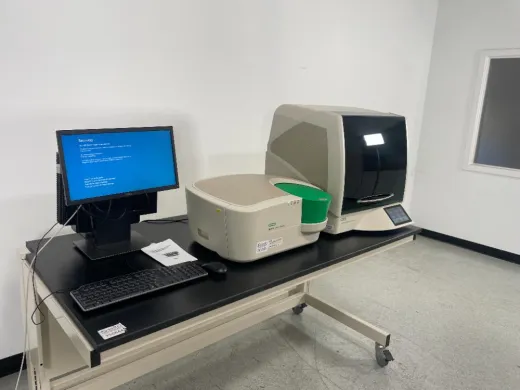
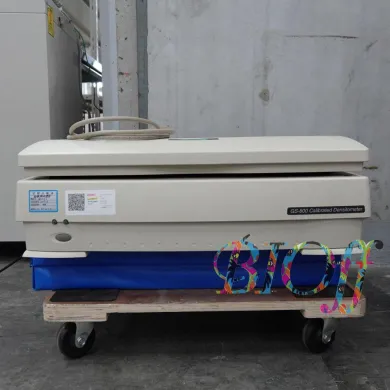
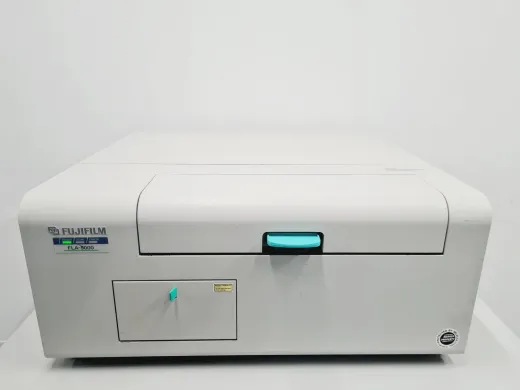
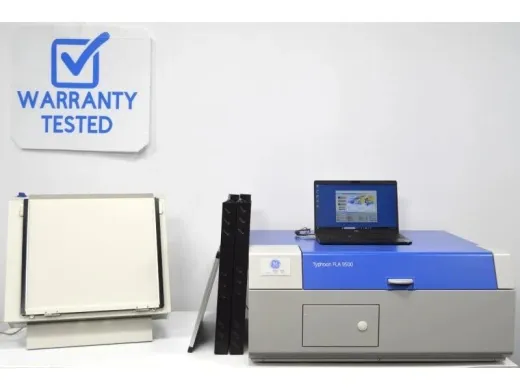
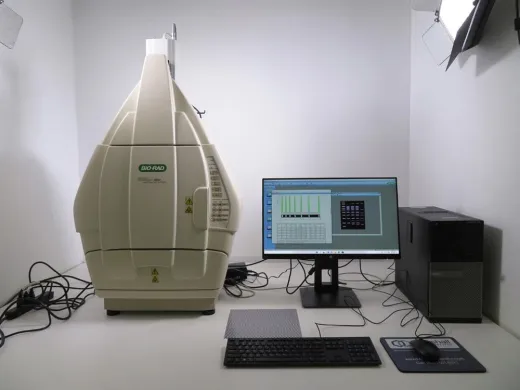
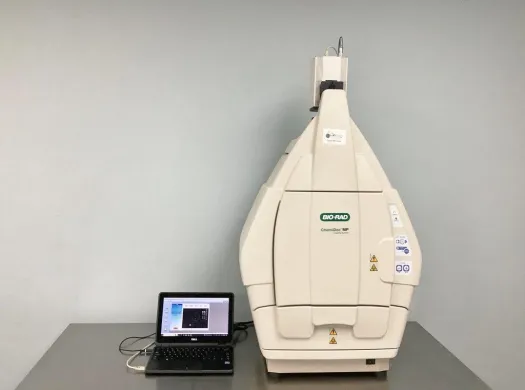
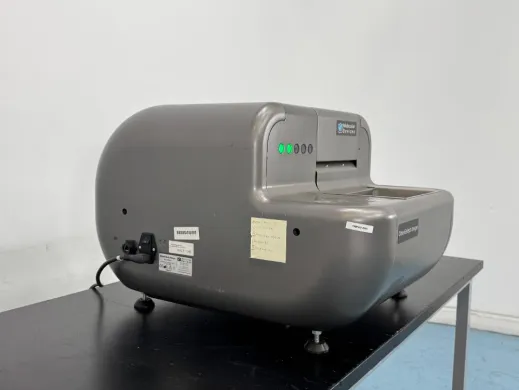
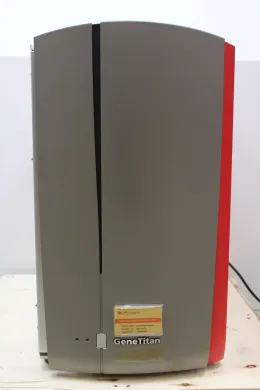
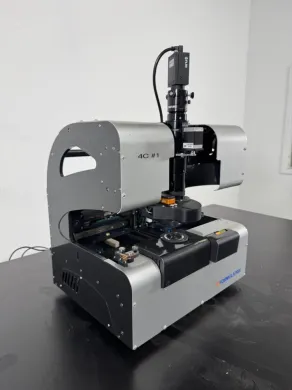
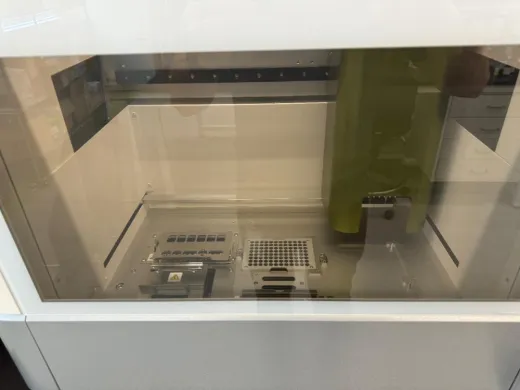
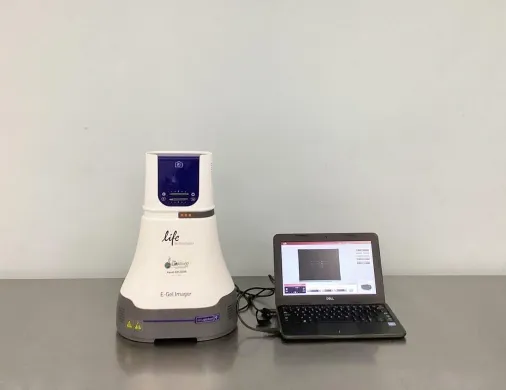
Not the exact instrument you need?
Tell our scientists what you are after. We track it down, including off-market supply.
Showing 1–40 of 142 listings
Show 40 more listingsBuying guide
What settles a molecular imager purchase is the signal you need to detect, because the detection chemistry dictates the hardware and nothing downstream recovers a sensor that was never built for the job. A gel documentation system reading ethidium bromide or SYBR stains needs only a UV transilluminator and a modest camera. Chemiluminescence is the demanding case: the light output is faint and decays, so it calls for a cooled, high quantum efficiency CCD and a light-tight enclosure, and a camera chosen for bright gels will see nothing from a Western blot. Fluorescence imaging adds a third axis, the excitation sources and emission filters, and the spectral range of those optics decides which dyes an instrument can read. Decide the assay first, then read the camera specification and the filter set against it.
On a used unit the camera is where value is won or lost. CCD and CMOS sensors degrade, and cooled detectors depend on a working thermoelectric or fan assembly whose failure raises dark noise exactly where chemiluminescence is weakest, so a sensor's dark current and cooling performance matter more than any headline resolution figure. Verify that excitation sources function, since LED arrays dim and laser diodes fail, and confirm that the emission filters are present and the correct set for the intended dyes, as filter wheels are frequently sold incomplete. Ask whether the acquisition software and its licence transfer, because a current operating system often cannot drive a legacy controller board. Calibration against a known standard, rather than a datasheet, tells you what the optics actually resolve now.
The spread here is wide. Prices run from EUR 86 to EUR 172.178, and that range separates bare transilluminators and entry gel docs at the low end from cooled-CCD chemiluminescence and multiplex fluorescence platforms at the top. The average listing sits at EUR 9.419. A refurbished imager listed for sale is more affordable than the new equivalent, which is what brings a chemiluminescence-capable system within reach of a smaller budget. The brands occupying these bands are familiar: Bio-Rad, Invitrogen, Illumina, Thermo Fisher Scientific, Cytiva. Knowing what a comparable unit from one of those makers costs new gives a reference point for judging whether a listing is fairly priced.
Types of Molecular imagers
Which molecular imager types are listed?
Among the listings that specify a type, the catalogue holds gel documentation systems, chemiluminescence imagers, fluorescence imaging systems, fluorometers and dedicated molecular diagnostics instruments. A gel documentation system images stained agarose or polyacrylamide gels under UV or white light and is the general tool for electrophoresis, the workhorse of molecular biology benches running nucleic acid and protein separations. A chemiluminescence imager detects the light emitted by enzyme-linked reactions and is built around a cooled, sensitive camera for Western blot imaging and immunoassay readout. A fluorescence imaging system excites tagged probes and reads their emission, serving multiplex blots, cell imaging and nucleic acid quantitation in genomics and proteomics workflows. A fluorometer measures fluorescence intensity in solution rather than imaging it, widely used for nucleic acid and protein quantitation in sample preparation for library construction and sequencing. The molecular diagnostics instruments listed here support clinical and research assays, including the amplification and detection steps behind molecular diagnostics and electrophoresis-based genotyping. Buyers reach for each according to signal type: stain brightness favours the gel doc, faint enzymatic light demands the chemiluminescence platform, and spectral discrimination calls for the fluorescence imager.
The brands behind the molecular imager listings
The imagers listed here come from Bio-Rad, Invitrogen, Illumina, Thermo Fisher Scientific, Cytiva. For a buyer, that concentration works in your favour. These are established detection platforms, so consumables, filter sets and replacement lamps are generally available through the wider market, and a model from one of these makers is easy to compare against its successor or against a competing line on specification alone. Parts can be sourced via Questpair where a listing needs one. The presence of several large instrument makers also means the price band at any given capability level has more than one option in it, so a chemiluminescence-capable system is not tied to a single brand's pricing.
What a used molecular imager costs here
The condition mix is unambiguous: 100 percent of the listings are used. Prices run from EUR 86 to EUR 172.178, with the average at EUR 9.419. That spread covers the full range of the category, from a standalone transilluminator or a basic gel documentation unit at the bottom to a cooled-CCD chemiluminescence or multiplex fluorescence system at the top. Used and refurbished imagers are listed below the price of new equipment, and warranty, where a buyer wants one, is arranged in consultation for the specific listing rather than set across the catalogue.
Frequently asked questions
What is a molecular imager?
A molecular imager is a laboratory instrument that detects and quantifies labelled biomolecules on gels, blots and plates by capturing the light a sample emits or reflects. The signal can be chemiluminescent, fluorescent or colorimetric depending on the detection chemistry.
What does molecular imager mean?
The term describes an instrument that converts a stained or luminescing sample into a measurable image, sitting at the readout end of molecular biology and genomics workflows. It covers everything from a simple gel camera to a cooled multi-laser fluorescence platform.
How do molecular imagers work?
A camera or detector captures light coming from a sample, either reflected under illumination, emitted by an enzyme reaction, or fluorescence triggered by excitation at a defined wavelength. Software then turns that captured light into an image a researcher can quantify, band by band or spot by spot.
What types of molecular imagers are there?
The main types are gel documentation systems, chemiluminescence imagers, fluorescence imaging systems and fluorometers, with molecular diagnostics equipment and instruments also appearing. Each is tied to a different label chemistry, from UV-stained DNA gels to multiplexed fluorophores to in-solution concentration measurement.
What are molecular imagers used for?
They cover electrophoresis documentation, Western blot quantification, nucleic acid quantitation and multiplexed fluorescence detection in molecular biology and proteomics. In practice a researcher uses one to turn a membrane, gel or sample into a number.
How do I choose a molecular imager?
Start from the label chemistry your protocol uses: a UV gel needs a documentation cabinet, a faint Western blot needs a cooled chemiluminescence camera, and multiplex work needs defined excitation and matched emission filters. Match the detection type first, then check parts and consumable availability for the specific model.
What is the difference between refurbished and used molecular imagers?
Used units are sold in their existing condition, while refurbished units have been reconditioned before resale. Both are listed below the price of new, and the specific condition of any unit is stated in its individual listing.
How much does a molecular imager cost?
Prices in the catalogue range from EUR 86 to EUR 172.178, with an average of EUR 9.419. The spread reflects the gap between a basic gel documentation cabinet and a cooled multi-laser fluorescence platform, so read the price against the detection chemistry rather than the average.
Which are the best brands of molecular imager?
The names that recur in the listings are Bio-Rad, Invitrogen, Illumina, Thermo Fisher Scientific and Cytiva. They span the different detection types, so the practical question is which maker builds for the chemistry your protocol needs rather than which name ranks highest.
Is a warranty available on a refurbished molecular imager?
A warranty is often possible and is arranged in consultation for the specific listing. Terms are not set centrally, so check what the individual listing offers.
Are parts available for molecular imagers?
Parts such as replacement filters, lamps and camera components can be sourced via Questpair. Widely sold platforms tend to have easier access to compatible consumables and software second-hand.
How long does a molecular imager last?
Lifespan depends on the detector type and how heavily the unit is run, with cameras, lamps and lasers being the components that age. A cooled high-sensitivity camera system and a simple white-light cabinet wear differently, so the detection chemistry shapes what maintenance a unit needs over time.
New versus refurbished, which should I buy?
Used and refurbished units are listed at lower prices than new, which is the clearest difference between them in this catalogue. Where you have to weigh the two, read the individual listing and note that warranty is arranged in consultation for that specific unit.
Where can I buy a molecular imager?
The Questpair catalogue lists 204 molecular imagers from 13 verified suppliers and distributors across 6 countries. Each listing names its condition, brand and detection type.
What are the lead time and shipping for a molecular imager?
Lead time and shipping depend on the individual supplier and the country the unit ships from, since listings come from 6 countries. The specific listing or the supplier handling it gives the applicable timing.
How are molecular imagers calibrated and maintained?
Routine maintenance centres on the light source, filters and camera, with fluorescence and chemiluminescence systems needing attention to laser or LED output and detector sensitivity. Questpair does not carry out servicing, but parts for upkeep can be sourced through the platform.
Which molecular imager types are listed most, and who reaches for each?
Gel documentation systems are the broadest group and suit any lab running routine nucleic acid work. Chemiluminescence imagers are reached for by Western blot users, fluorescence systems by labs running multiplex experiments, and fluorometers by genomics workers quantifying samples before library preparation.
Which brands dominate this category and what does that mean for a buyer?
Bio-Rad, Invitrogen, Illumina, Thermo Fisher Scientific and Cytiva recur most across the listings. A widely sold platform means consumables, filters and compatible software are easier to find second-hand, and a model can be compared against several listings rather than judged alone.
What separates the cheapest molecular imagers from the most expensive?
At the lower end sit basic gel documentation cabinets with a camera and transillumination for stained DNA and protein gels. At the top sit cooled multi-laser fluorescence platforms with high-sensitivity detectors and multiplex capability, which is why prices run from EUR 86 to EUR 172.178.