58k+ listingsShips to NLResponse within one hour+31 73 711 4717info@questpair.com

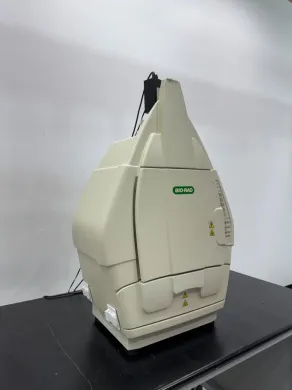
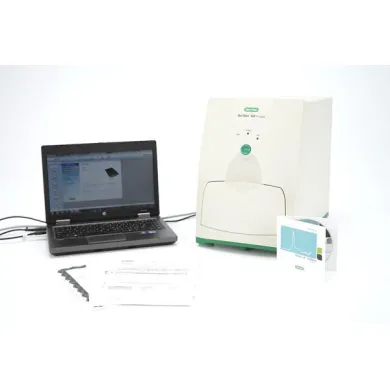
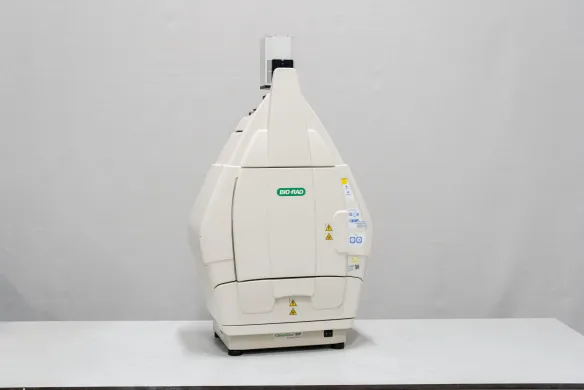
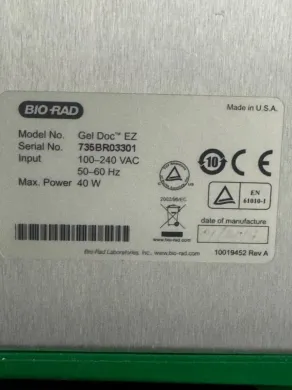
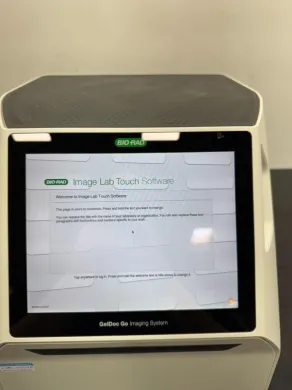
Bio-Rad Gel Doc XR and XR+ CCD-Based Gel Documentation Imaging Systems

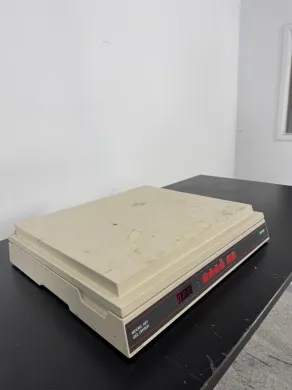
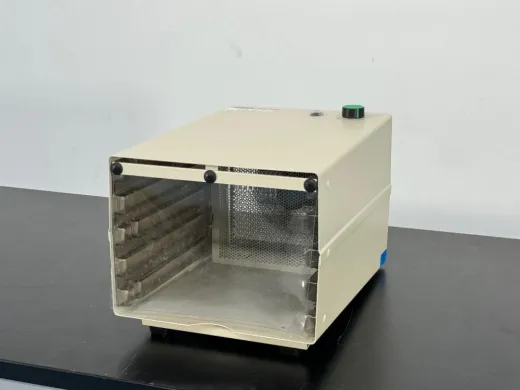
UsedBio-RadGel dryerUnited States

Price on request

In stock

Can't find what you're looking for?

Fluorescence capable
Yes (xcitablue screen required for SYBR Safe DNA applications to protect against UV damage)
Colorimetry/densitometry
Yes
Gel documentation
Yes
Maximum sample size
28 x 36 cm
Maximum image area
19.4 x 26 cm
All 29 specifications
  • Ships to NL
  • Response within 1 hour
  • Warranty available. Buy without worry
  • Support from a scientist

Specifications 29

Brands
Bio-Rad
New/Used
Used
Fluorescence capable
Yes (xcitablue screen required for SYBR Safe DNA applications to protect against UV damage)
Colorimetry/densitometry
Yes
Gel documentation
Yes
Maximum sample size
28 x 36 cm
Maximum image area
19.4 x 26 cm
Interior Hood Dimensions
9 x 10 x 11”
Excitation source
Epi-white light and trans-UV (302 nm)
Illumination control
3 modes (trans-UV, trans white if installed, epi-white)
Detector
CCD
Image resolution
4 megapixels
Pixel size (H x V)
4.65 x 4.65 µm
Filter holder
3 positions (2 for filters, 1 without filter)
Emission filters
1 included (standard), 3 optional
Dynamic range
3.0 orders of magnitude
Pixel density (gray levels)
4,096
Dynamic flat fielding
Application specific, for all applications
Environmental Tolerances
10–28°C (21°C recommended), <70% non-condensing rH
Workflow automated selection
Application driven: user selected or recalled by a protocol
Workflow automated execution
Controlled by a protocol via application-specific setup for image area, illumination source, filter, analysis, and reporting
Workflow reproducibility
100% repeatability via recallable protocols, from image capture to quantitative analysis and reports
Autofocus
Precalibrated focus for any zoom setting or sample height
Image flat fielding
Dynamic; precalibrated and optimized per application
Auto-exposure
2 user-defined modes (intense or faint bands)
Internal Dimensions
12 x 12 x 12”
External Dimensions
17x25x39”
Weight
90lbs
Power
100/115/230V, 50/60HZ, 200VA

Product description

High-resolution CCD gel documentation systems for protein and nucleic acid imaging, supporting fluorescence and colorimetry.

The Bio-Rad Gel Doc XR and Gel Doc XR+ imaging systems are advanced CCD-based gel documentation platforms designed for precise visualization and quantitative analysis of protein and nucleic acid gels, blots, and macroarrays. These systems are widely adopted in molecular biology, biotechnology, and clinical diagnostics, essential for workflows involving PCR product analysis, electrophoresis, genetic fingerprinting, RFLP, and protein characterization.

Key technical specifications include:

  • High-resolution imaging with a 4-megapixel CCD detector and 4.65 µm pixel size for detailed band visualization.
  • Support for fluorescence imaging using an optional XcitaBlue conversion screen, enabling detection of blue-light excitable stains such as SYBR Safe while protecting DNA from UV damage.
  • Multiple illumination modes: epi-white light and trans-UV (302 nm) sources suited for diverse gel types and staining protocols.
  • Capacity to image samples up to 28 x 36 cm with a maximum image area of 19.4 x 26 cm.
  • Software-driven automation with motorized zoom, focus, and iris controls (XR+ model) enhancing repeatability and reproducibility for bioprocessing and molecular diagnostics applications.
  • Flat field correction and dynamic artifact compensation improve quantitative accuracy across repeated experiments and custom protocols.
  • Environmental tolerance suitable for typical laboratory conditions (10–28°C, <70% RH non-condensing).

The Gel Doc XR series supports crucial biotechnology applications such as molecular cloning workflows, gene editing validation, protein purification assays, and biopharmaceutical production monitoring. The integration of software tools for image capture, analysis, and reporting makes it a robust solution for researchers in synthetic biology, neurobiology, and cell biology requiring reliable gel documentation and fluorescence analysis.

Both XR and XR+ models include a darkroom hood, filter slider with standard and optional emission filters, and comprehensive software environments (Quantity One for XR, Image Lab for XR+) engineered for workflow automation and data reproducibility critical in molecular diagnostics and biomanufacturing research pipelines. The XR+ enhances user efficiency with its software-controlled motorized lens adjustments and compatibility with fluorescence protection screens, thereby optimizing DNA visualization protocols for sensitive sample preservation.

In summary, the Bio-Rad Gel Doc XR and XR+ systems provide precise, reproducible imaging solutions that are widely used by molecular biology researchers and biotechnologists conducting live-cell imaging analysis, fluorescence gel documentation, and quantitative protein assays in both academic and industrial laboratory settings.

Why Questpair exists

Lab equipment markets are fragmented. Buyers spend weeks calling distributors, comparing quotes, and verifying supplier reliability. Sellers struggle to reach global research labs.

We built Questpair to fix this. Every supplier on the platform is verified before listing. Every quote you receive comes from a real, vetted seller. AI prepares your case in minutes, then a real specialist takes over.

We're an independent team based in The Netherlands, working with research labs and procurement teams across Europe and worldwide.

Frequently asked questions

How long does laboratory equipment typically last?

With a service contract, ten to fifteen years is normal for most benchtop instruments. Detectors and pumps are the parts that wear first.

Can I get service for older equipment?

Often, yes. Verified suppliers frequently work with service partners converting the instrument. If applicable, we can list servicing options alongside the offer.

Where can I buy parts?

Ask a scientist through the request button. Parts are often available even when the instrument itself is discontinued.

What is the typical lead time for refurbished equipment?

Two to six weeks, depending on refurbishment scope and whether calibration is included.

Does laboratory equipment ship internationally?

We ship to 38 countries. Crating and customs handling are quoted with the instrument.

Reply in one hour

Can't find the exact configuration?

Tell us what you need and a scientist finds it for you, usually within the hour.

Last updated 22 October 2026