
Electrophoresis
We personally find you the right new, used and refurbished electrophoresis instruments & equipment from verified suppliers.
Separating nucleic acids or proteins by charge demands equipment that holds a voltage steady and reads a faint band without guesswork, because a run that drifts in current or a gel that images unevenly is a result you cannot trust. The work pulls together a chamber and power supply to run the separation, a transfer and detection setup where proteins are involved, and an imaging system to record what the gel shows. Questpair lists 20112 items across the categories this work draws on, from 172 verified suppliers and distributors. The spread is wide, because a single tank and a molecular imager sit at opposite ends of the same bench.
Updated:
Electrophoresis product list



Not the exact instrument you need?
Tell our scientists what you are after. We track it down, including off-market supply.
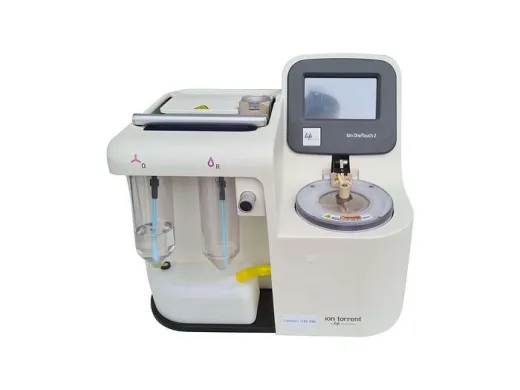
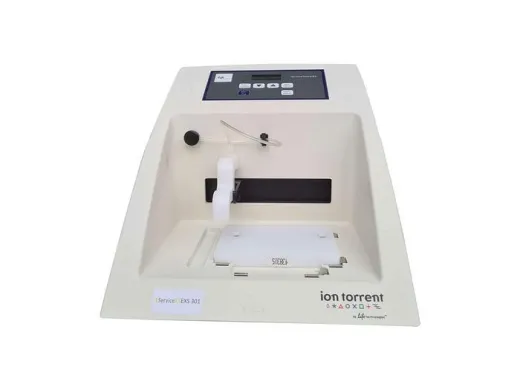
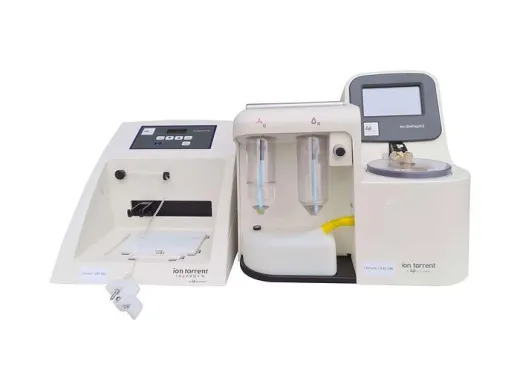
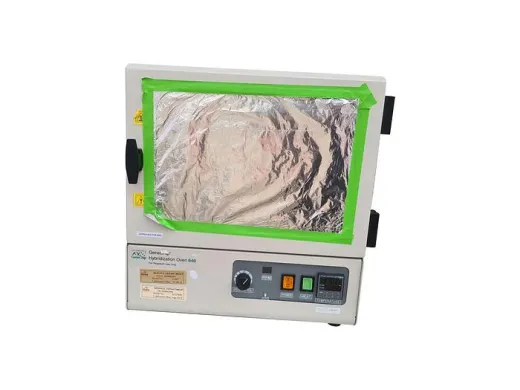
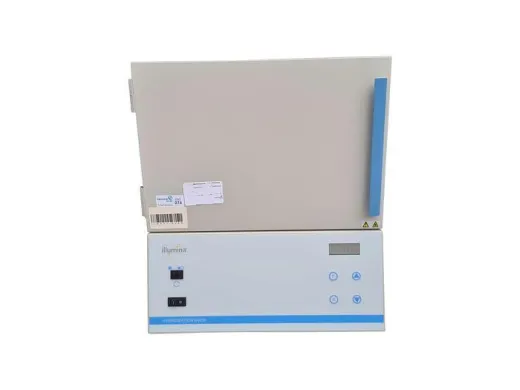
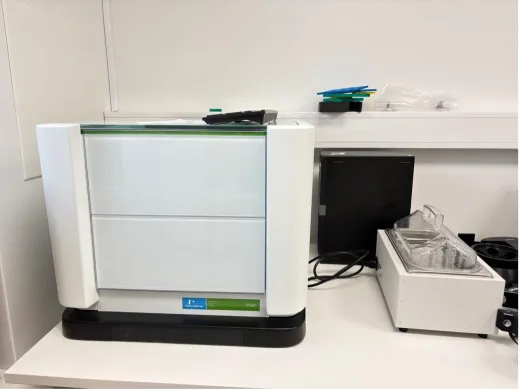
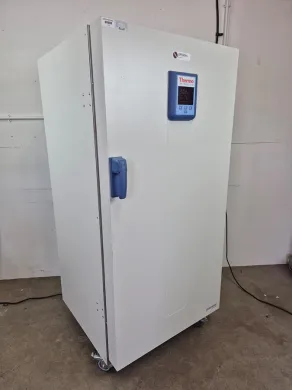
Illumina Boekel 230401 - 21LL Hybridization Oven
- Category
- Furnaces
- Brand
- Illumina
- Suppliers
- 1 verified
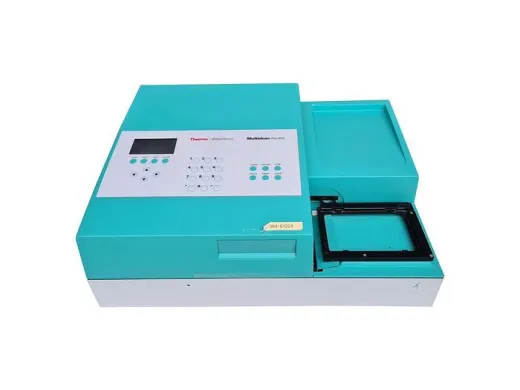
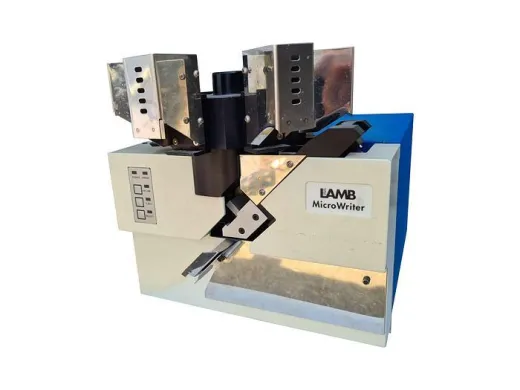
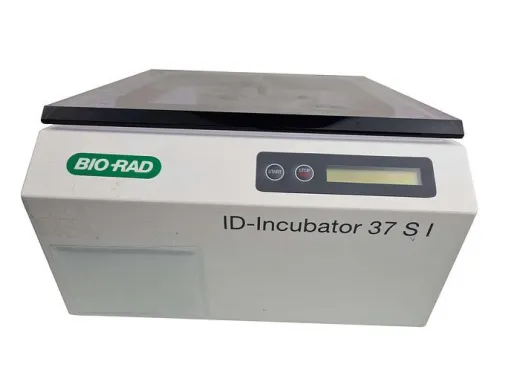
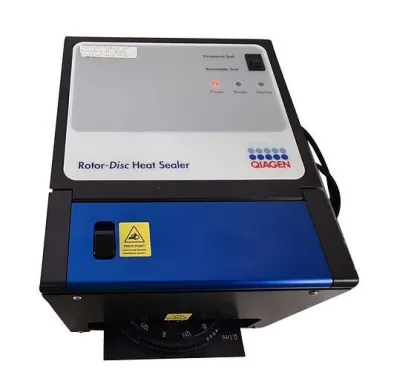
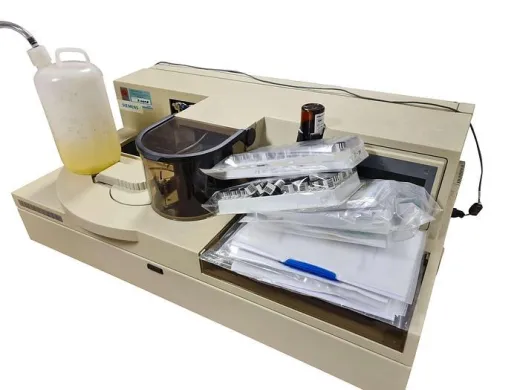
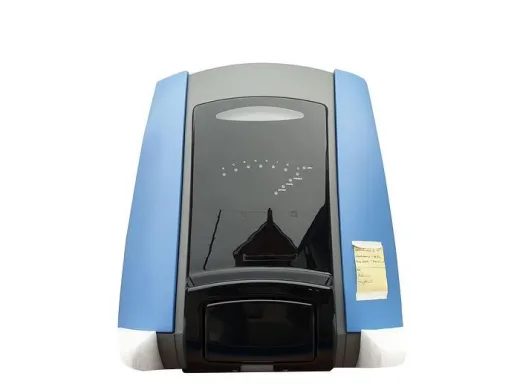
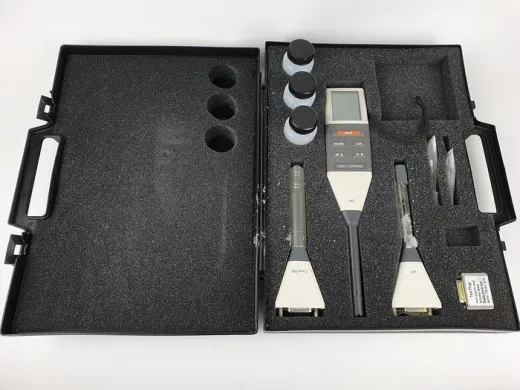
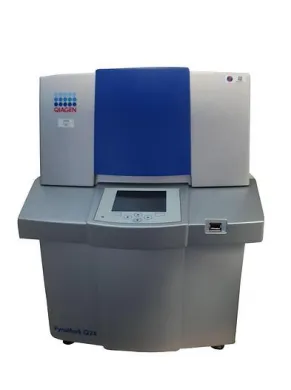
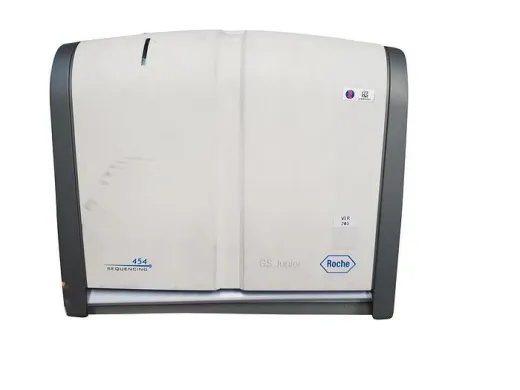
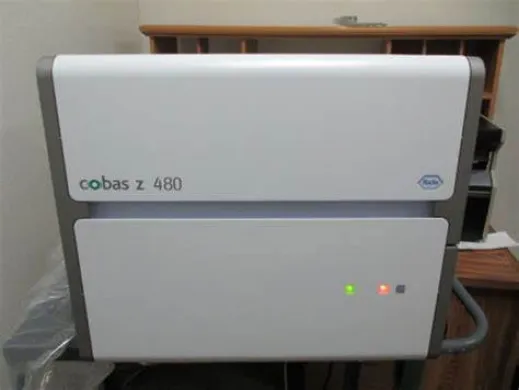
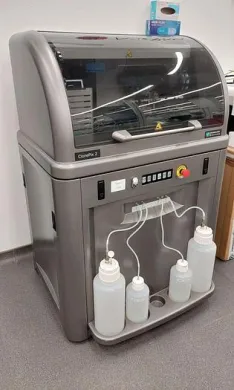
Roche Cobas Z 480 real time PCR
- Category
- Life science equipment other
- Brand
- Roche
- Suppliers
- 1 verified
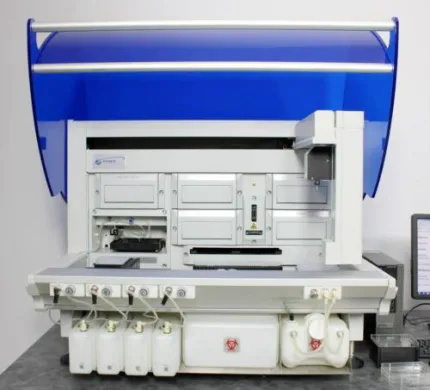
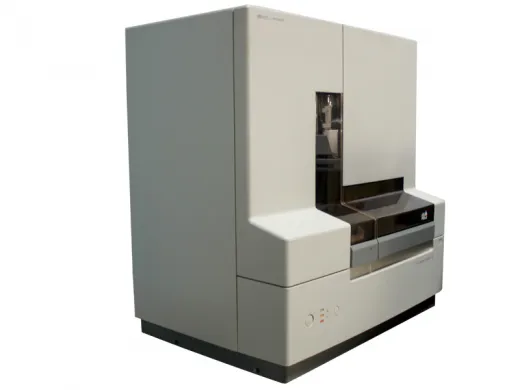
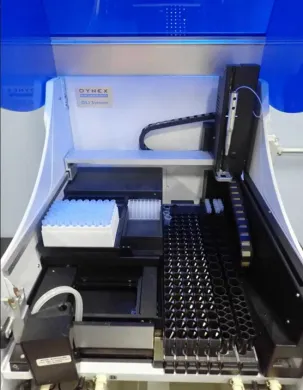
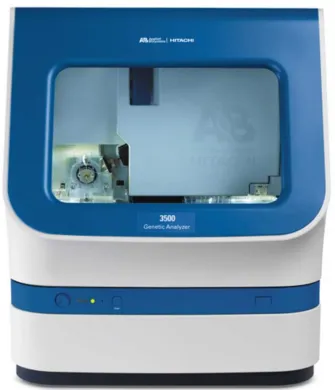
ABI 3100 prism Genetic analyzer
- Category
- Electrophoresis
- Brand
- Applied biosystems
- Suppliers
- 1 verified
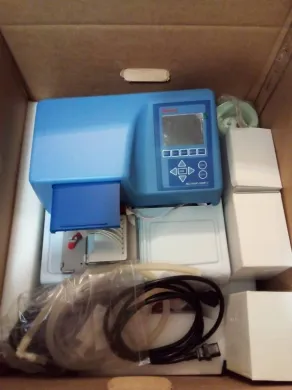
Not the exact instrument you need?
Tell our scientists what you are after. We track it down, including off-market supply.
Showing 1–40 of 8,876 listings
Show 40 more listingsBuying guide
Because this spans the whole bench rather than one device, the price range is far wider than any single category shows. Across these listings prices run from EUR 1 to EUR 533.942. The figure at the bottom is a consumable: a single buffer sachet, a membrane, a reagent vial, the kind of item a lab reorders without a second thought. The figure at the top belongs to the instrument end, a molecular imager or a capillary system, where the detection optics and the enclosed hardware carry the cost. A tank and power supply sit well below that, which is why a basic separation setup can be assembled for a fraction of what the imaging step alone costs.
Condition is the other axis. 94 percent of the listings are used. For a tank, a power supply, or a transfer cell that is often a straightforward buy, since the mechanics are simple and a working unit works. For an imager or a capillary instrument the detection hardware is what matters, so a buyer weighs the saving against the listing's stated state and age. Used and refurbished units are listed below new prices, and where that trade-off has to be judged it is judged on the individual listing. A warranty is often possible and is arranged in consultation for the specific listing, so the terms on the imaging instrument that holds most of the budget are worth settling before the purchase rather than after.
Types of Electrophoresis
Electrophoresis is the subject here, and the apparatus it leans on falls into a few groups: tanks and power supplies for the separation, blotting and detection gear where proteins are involved, molecular imagers to record the result, and the consumables and reagents that every run consumes. The work itself is not one machine but a sequence, and the sections below walk it in the order a bench actually runs it.
Running the separation
The core step is the separation, and it needs two pieces that have to match. A tank or chamber holds the gel and the buffer, and a power supply drives a constant voltage or current through it. The pairing matters more than either piece alone: a supply rated for a small vertical mini-gel will not hold a steady field across a large horizontal submarine tank, and a run that sags in voltage halfway through smears the bands it was meant to resolve. Among the listings that specify a type, both vertical and horizontal formats appear, and the power supplies range from simple fixed-output units to programmable models that ramp and hold.
Capillary systems sit apart from this. Instead of a slab gel, the separation runs inside a narrow fused-silica capillary, with detection built into the instrument rather than a separate imaging step. They are their own class of apparatus and are listed as such, so a lab choosing between slab and capillary is choosing between two different benches, not two sizes of the same one.
What changes when proteins are involved?
A nucleic-acid run can often end at the gel, read directly under a transilluminator. A protein run usually does not. The proteins are transferred out of the gel onto a membrane, then probed with antibodies to find the one target among many, which is the western blotting step. This adds equipment the DNA bench never touches: a transfer cell, and the antibodies and reagents that make a single band visible.
This is where two steps constrain each other. The transfer has to move protein off the gel cleanly before any detection can work, so a weak or uneven transfer limits what the best imager can later show. The categories behind this step, western blotting gear and antibodies and reagents, are carried here alongside the separation equipment, because the two halves of a protein workflow are bought for the same bench.
Recording the result
A separation that no one can read has produced nothing, so the last step is imaging. Molecular imagers and imaging systems capture the gel or the blot, whether that is fluorescence, chemiluminescence from a western, or a stained DNA gel. This is the step that turns a physical band into a measurable signal, and the detection method the imager supports has to match the label the run used: a chemiluminescent blot and a fluorescent stain do not read on the same hardware.
What keeps a run going day to day?
Beyond the instruments, the work consumes a steady stream of consumables and reagents, and these are the categories a lab reorders rather than buys once. Buffers, precast or hand-poured gels, membranes, and the general laboratory supplies a bench runs through all sit here. They are listed because the work cannot run without them, not because they define it, so a lab stocking up treats this part of the catalogue differently from the instrument side.
Frequently asked questions
What is the minimum equipment I need to start running electrophoresis?
For a basic separation you need a tank or chamber to hold the gel and buffer, and a power supply to drive the voltage or current through it. A nucleic-acid run can then be read directly under a transilluminator, so those two pieces plus a way to view the gel are the floor. A protein workflow adds a transfer cell and an imager on top of that.
Which step is the most expensive to set up?
The imaging step carries the most cost, because a molecular imager's detection optics and enclosed hardware sit at the top of the range. A capillary system is in the same bracket, with detection built into the instrument. A tank and power supply sit well below that, which is why a basic separation setup costs a fraction of what imaging alone does.
What can I buy used and what is better bought new?
A tank, a power supply, or a transfer cell is often a straightforward used buy, since the mechanics are simple and a working unit works. For an imager or a capillary instrument the detection hardware is what matters, so the saving is weighed against the listing's stated condition and age. Used and refurbished units are listed below new prices, and that price difference is the main distinction to judge.
What has to match between the steps?
The power supply has to match the tank: a unit rated for a small vertical mini-gel will not hold a steady field across a large horizontal submarine tank. In a protein workflow the transfer has to move protein off the gel cleanly before detection works. And the imager's detection method has to match the label used, since a chemiluminescent blot and a fluorescent stain do not read on the same hardware.
Roughly what does a complete electrophoresis setup cost?
Across the listings here prices run from EUR 1 to EUR 533.942, with the low end being consumables like a buffer sachet or reagent vial and the high end being a molecular imager or capillary system. A separation-only bench of tank and power supply sits at the lower instrument end. A full protein workflow with transfer and imaging pushes toward the top, where the imaging instrument holds most of the budget.
Where does cutting the budget cost you later?
Cutting on the power supply shows up in the run itself: a supply that sags in voltage halfway through smears the bands it was meant to resolve, so the separation you paid for is not trustworthy. On the protein side, a weak or uneven transfer limits what even a capable imager can show afterward. The pairing of tank and supply, and the transfer quality, constrain every step downstream of them.
Which of this equipment gets shared with other lab work?
The consumables and reagents overlap most: buffers, membranes, and general laboratory supplies are reordered across many benches rather than tied to one. A molecular imager used for fluorescence or chemiluminescence can also serve work beyond electrophoresis depending on its detection modes. Antibodies and reagents bought for western blotting are specific to the targets they probe, so those are less shared.
What should I check on used electrophoresis equipment before buying?
On a tank or transfer cell, check that the chamber and electrodes are intact and the mechanics work. On a power supply, confirm it holds a steady output across its rated range rather than drifting. On an imager or capillary instrument, the detection hardware and its stated condition and age matter most; check what the listing states, and settle any warranty terms in consultation for that specific listing before purchase.
About Questpair
Questpair is the European marketplace for lab equipment, where AI-prepared cases and personal specialists guide every purchase. We work with 247 verified suppliers across 38 countries to find buyers the right new, used or refurbished instruments, with response within 1 hour and significant savings vs buying new.
Personal · Fast · Reliable · Affordable