
PCR & Nucleic Acid Analysis
We personally find you the right new, used and refurbished pcr & nucleic acid analysis instruments & equipment from verified suppliers.
Amplifying and reading DNA or RNA ties a chain of instruments to one specification: the thermal cycler that runs the reaction, the detection chemistry that reads it, and the separation or sequencing step that resolves the product. A cycler that holds its block temperature within a fraction of a degree matters more here than raw throughput, because a failed anneal wastes the sample, not just the run. The Questpair catalogue carries 19542 listings for this work, from thermal cyclers through real-time and digital platforms to sequencers and electrophoresis rigs. Where two steps share a format, the plate on the cycler and the plate in the reader, that shared format quietly constrains every choice downstream.
Updated:
PCR & Nucleic Acid Analysis product list


Not the exact instrument you need?
Tell our scientists what you are after. We track it down, including off-market supply.
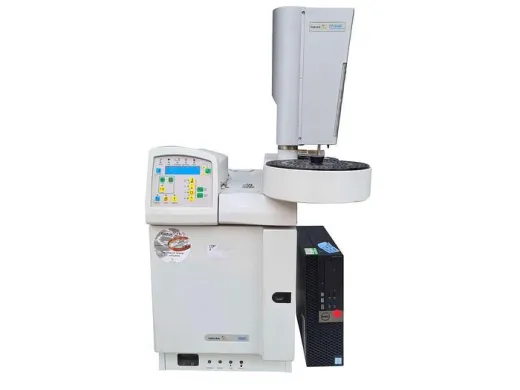
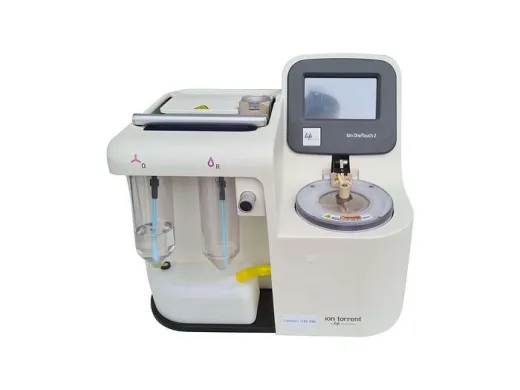
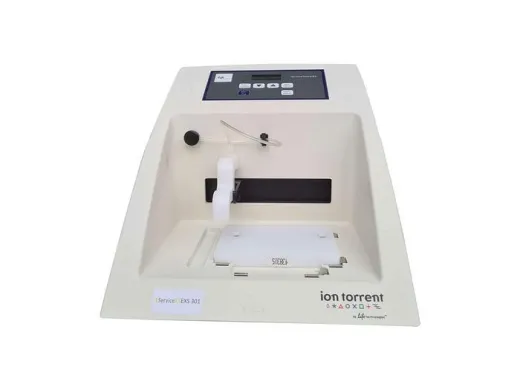
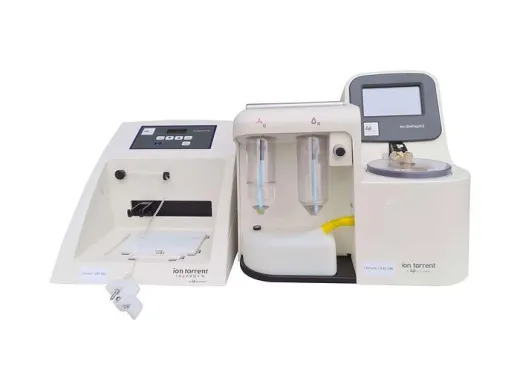
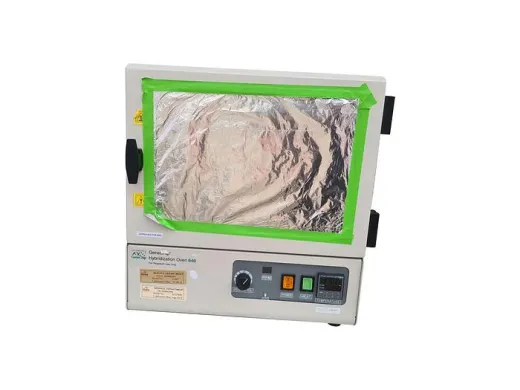
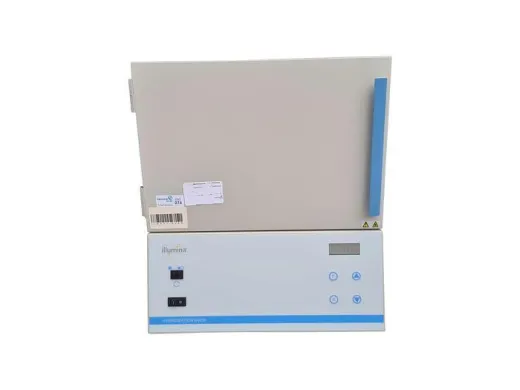
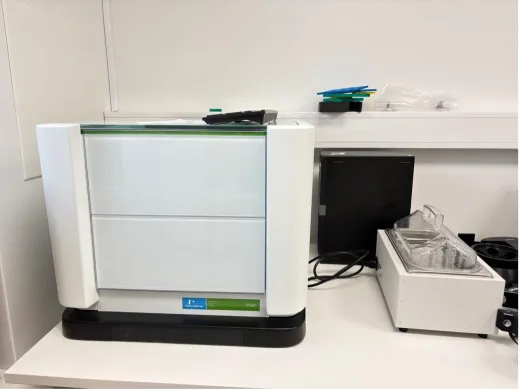
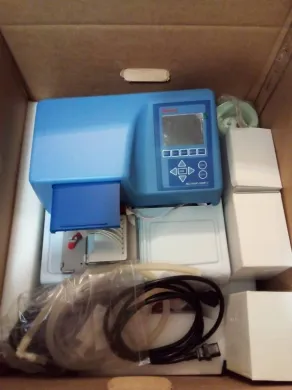
Illumina Boekel 230401 - 21LL Hybridization Oven
- Category
- Furnaces
- Brand
- Illumina
- Suppliers
- 1 verified
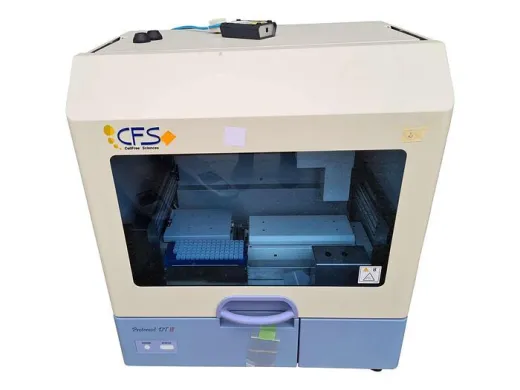
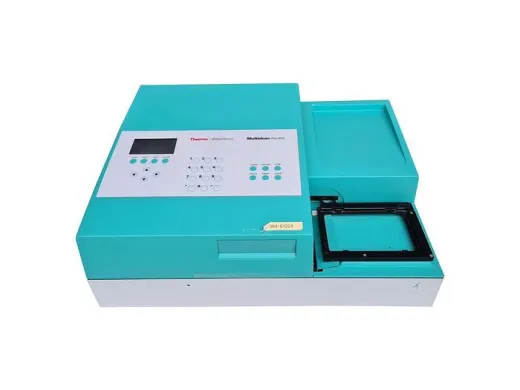
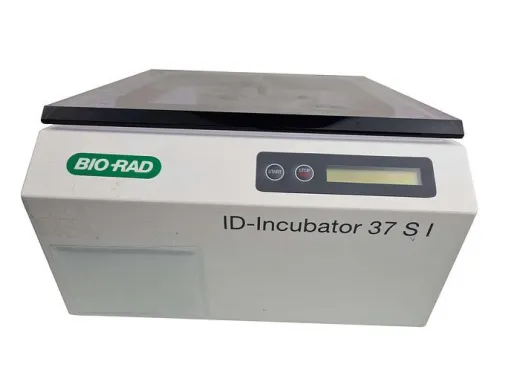
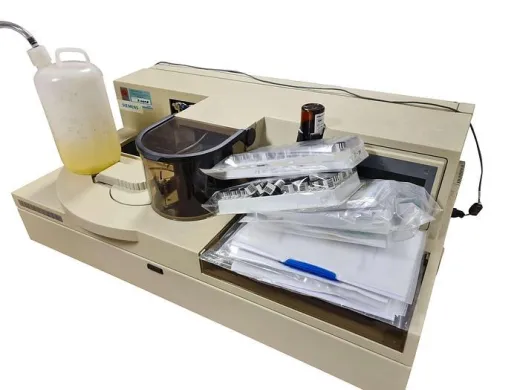
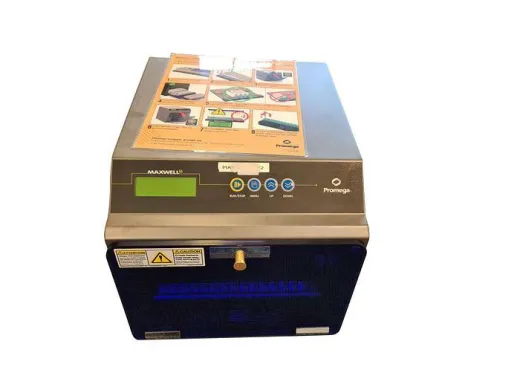
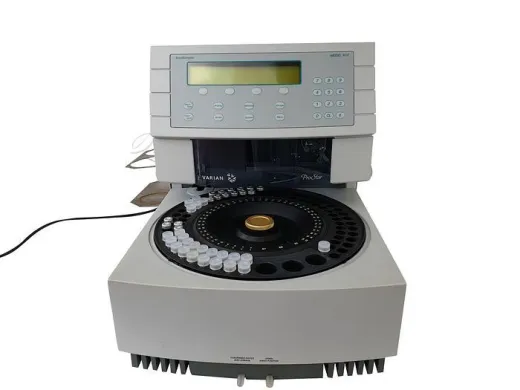
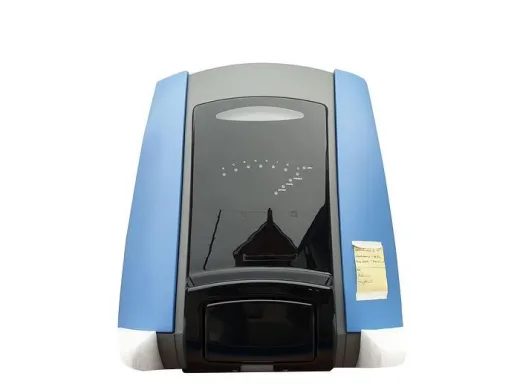
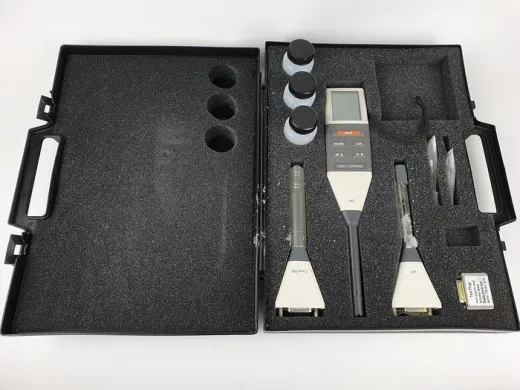
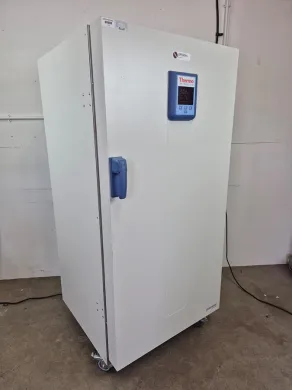
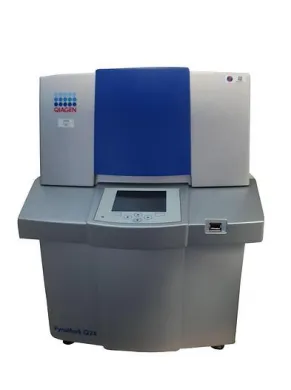
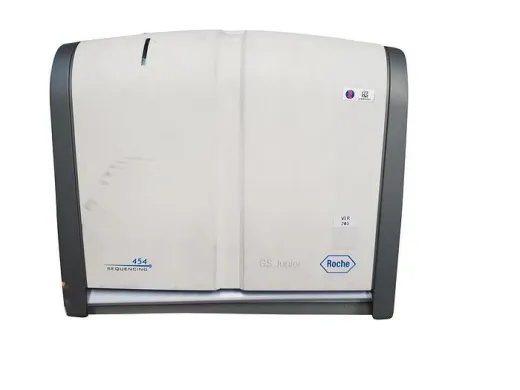
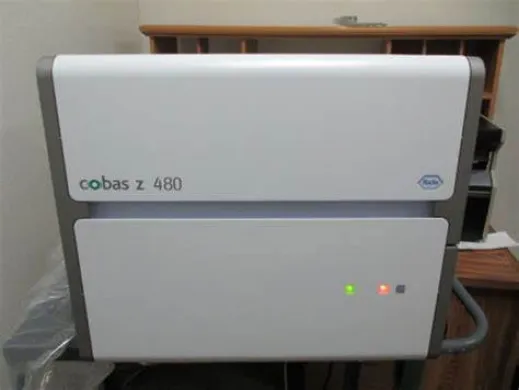
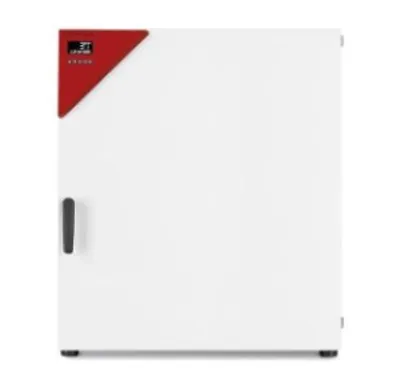
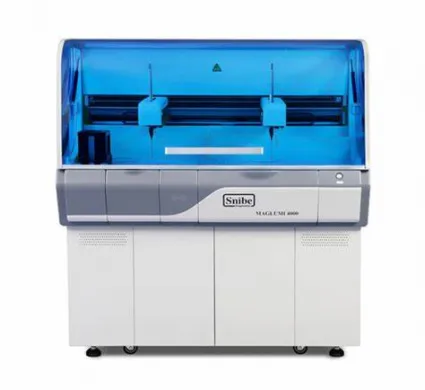
Roche Cobas Z 480 real time PCR
- Category
- Life science equipment other
- Brand
- Roche
- Suppliers
- 1 verified
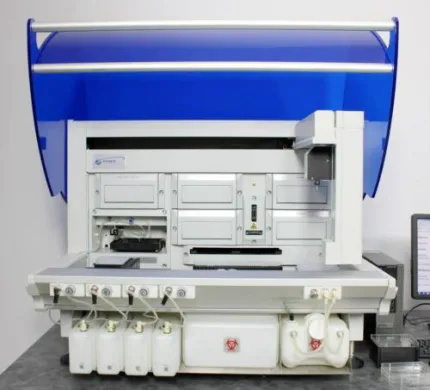
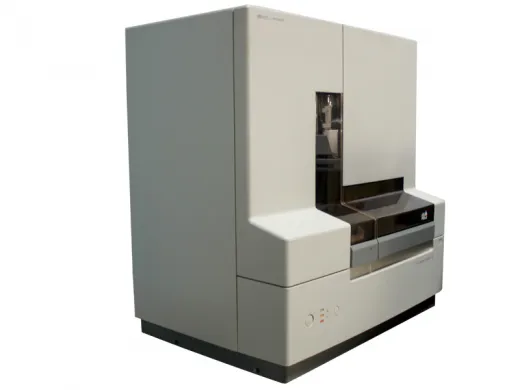
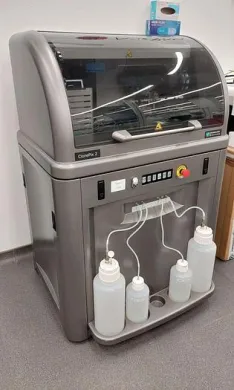
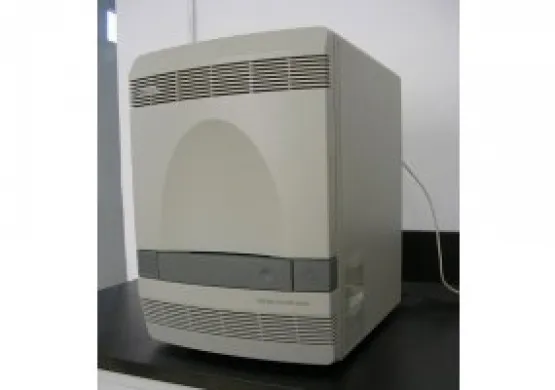
ABI 3100 prism Genetic analyzer
- Category
- Electrophoresis
- Brand
- Applied biosystems
- Suppliers
- 1 verified
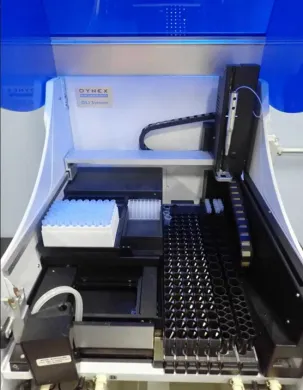
Not the exact instrument you need?
Tell our scientists what you are after. We track it down, including off-market supply.
Showing 1–40 of 7,607 listings
Show 40 more listingsBuying guide
Prices here span a wider range than any single category, because the set runs from a strip of consumable plasticware to a full sequencing platform. At the low end, prices start from EUR 1, which is the territory of plates, tube strips, and small accessories rather than instruments. At the top, listings reach EUR 533.942, and that end belongs to the reading and sequencing step: sequencers and high-throughput real-time or digital platforms, not the thermal cycler that does the amplification. A standard benchtop cycler sits well below the ceiling; the expensive hardware is almost always what resolves the product, not what makes it.
Condition shapes the field as much as price. 96 percent of the listings are used. For a thermal cycler that is a well-understood second-hand purchase, since the block and the lid are the parts that matter and both are checkable. For a sequencer or a real-time instrument, where the optics and the fluidics age, the individual listing is where the detail lives, so read it rather than the category.
Across the whole set, 193 verified suppliers and distributors list equipment for this work, reaching buyers in 108 countries. Where a warranty matters on a given unit, it is often possible and arranged in consultation for that specific listing, and parts can be sourced via Questpair when a used instrument needs them.
Types of PCR & Nucleic Acid Analysis
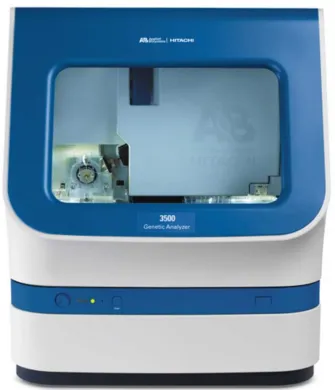
PCR and nucleic acid analysis runs as a sequence, from a reaction set up on the bench to a result read off a gel, a fluorescence curve, or a base call. The equipment this draws on splits into a few groups: thermal cyclers and their real-time and digital variants, detection and imaging instruments, separation by electrophoresis, sequencers and synthesizers, and the liquid handling and plate hardware that feeds them all. The stages below follow that order, from preparing the reaction to resolving what came out of it.
Preparing and dispensing the reaction
Before anything amplifies, the reaction has to be built: template, primers, polymerase, and buffer, measured into tubes or a plate. At low volumes this is manual pipetting, and the dominant error is not the cycler but the person filling the wells. Automated liquid handling takes over once plate counts rise, dispensing a master mix across 96 or 384 wells with a repeatability a hand cannot match, which is where the microplate format first starts to dictate the rest of the setup. A PCR enclosure, a dead-air or filtered cabinet, gives this step a clean space when contamination carryover between runs is the risk being managed. The format chosen here, tube strip or microplate, is not reversible later: it fixes the block the cycler needs and the carrier the reader expects.
Running the amplification
This is the step the field is named for, and it splits three ways. A standard thermal cycler drives the reaction through its denature, anneal, and extend cycles and hands back a tube to be read separately. Real-time PCR folds detection into the run, reading fluorescence after every cycle so the result is a curve rather than an endpoint, which is what lets it quantify rather than just confirm. Digital PCR partitions the reaction into thousands of tiny volumes and counts the positive ones, trading throughput for an absolute count that needs no standard curve. All three live under this heading in the catalogue as separate category lines, and the choice between them is set by the question being asked, presence, relative amount, or exact copy number, not by preference.
How is the product read out?
Once amplification is done, the work shifts to resolving what was made. Gel and capillary electrophoresis separate fragments by size and remain the plainest check that the reaction produced the band it should. Molecular imagers capture the stained or fluorescent output of a gel or blot, turning a physical result into a measured one. For sequence rather than size, DNA sequencers read the base order directly, and DNA synthesizers run the inverse, building defined oligonucleotides to order for use as primers or probes back at the preparation step. Genome editing and molecular tools sit alongside these where the aim is not to read a sequence but to alter one.
Where do the steps constrain each other?
The binding points are the ones a single-category page cannot show. The plate format set at preparation fixes the cycler block and the reader carrier, so a 384-well decision made for throughput follows the sample all the way to detection. A real-time platform merges two steps that are otherwise separate instruments, which changes what the downstream bench needs. Microplate equipment and liquid handling feed every stage, so their capacity, not the cycler's, often sets the true ceiling on how many samples a setup can carry in a day.
Frequently asked questions
What's the minimum equipment I need to start running PCR?
At a minimum you need a thermal cycler to drive the reaction and a way to read the product, which for the plainest check is a gel or capillary electrophoresis rig. Add pipettes and the plate or tube strips to build the reaction, and you can run a basic amplification and confirm the band it produced.
Which step is the most expensive to set up?
The reading and sequencing step, not the amplification. Across this work listings reach EUR 533.942 at the top, and that end belongs to sequencers and high-throughput real-time or digital platforms, while a standard benchtop cycler sits well below the ceiling.
What can I buy used and what is better bought new?
A thermal cycler is a well-understood second-hand purchase, since the block and the lid are the parts that matter and both are checkable. For a sequencer or a real-time instrument the optics and fluidics age, so the detail lives in the individual listing rather than the category; used and refurbished units across this work are listed below new prices, and warranty is arranged in consultation for the specific listing.
What has to match between the steps?
The plate format set at preparation fixes the cycler block and the reader carrier, so a 96 or 384-well decision follows the sample all the way to detection. A real-time platform also merges amplification and detection into one instrument, which changes what the downstream bench needs to hold.
Roughly what does a complete setup cost?
The range is wide because the set runs from consumable plasticware to a full sequencing platform: prices start from EUR 1 for plates, tube strips and small accessories, and reach EUR 533.942 at the sequencing end. A bench setup built around a standard cycler and an electrophoresis rig sits far below that ceiling, since the expensive hardware is what resolves the product, not what makes it.
Where does cutting the budget cost you later?
Underbuying on liquid handling and plate capacity, since their throughput, not the cycler's, often sets the real ceiling on how many samples a setup can carry in a day. Skimping on temperature uniformity in the cycler also costs you, because a failed anneal wastes the sample rather than just the run.
Which of this equipment gets shared with other work?
Microplate hardware and automated liquid handling feed every stage here and are the same instruments used across other plate-based assays, so they rarely sit idle. Molecular imagers and electrophoresis rigs also carry over to blot and gel work beyond PCR.
What should I check on a used instrument for this work?
On a thermal cycler, check the block and the lid, since those are the parts that determine whether it holds temperature. On a sequencer or real-time platform, the optics and fluidics are what age, so read the individual listing for their condition; if a unit needs components, parts can be sourced via Questpair.
About Questpair
Questpair is the European marketplace for lab equipment, where AI-prepared cases and personal specialists guide every purchase. We work with 247 verified suppliers across 38 countries to find buyers the right new, used or refurbished instruments, with response within 1 hour and significant savings vs buying new.
Personal · Fast · Reliable · Affordable