

PCR enclosures
We personally find you the right used, refurbished and new pcr enclosures instruments & equipment from verified suppliers.
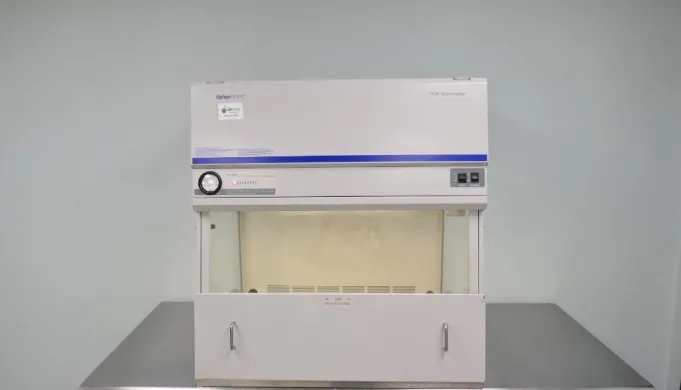
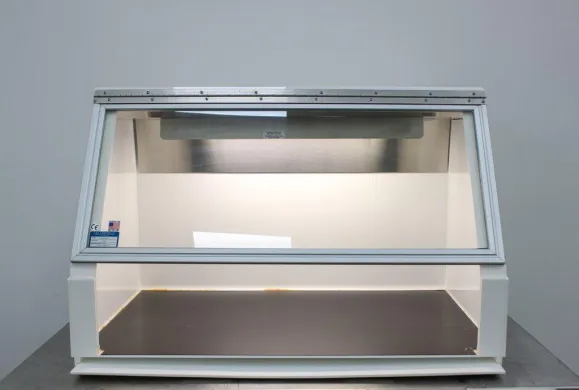
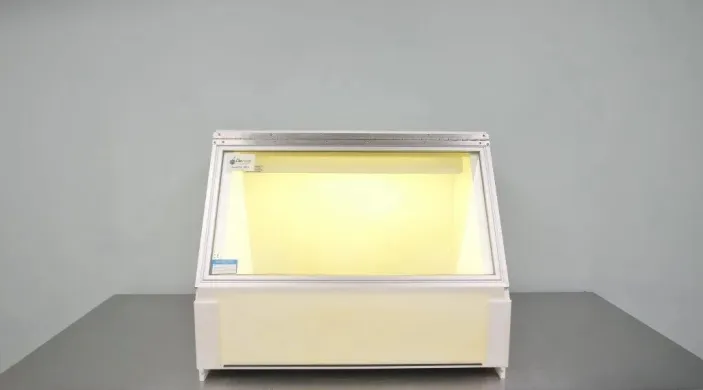
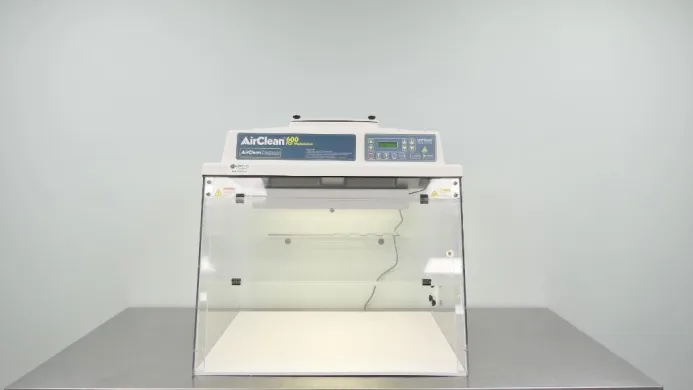
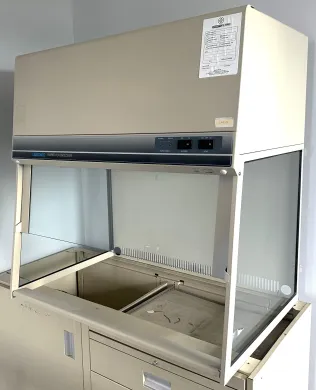
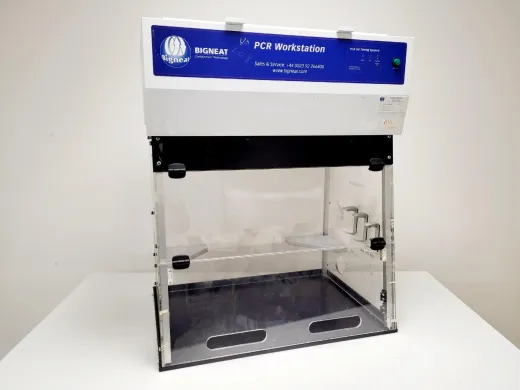
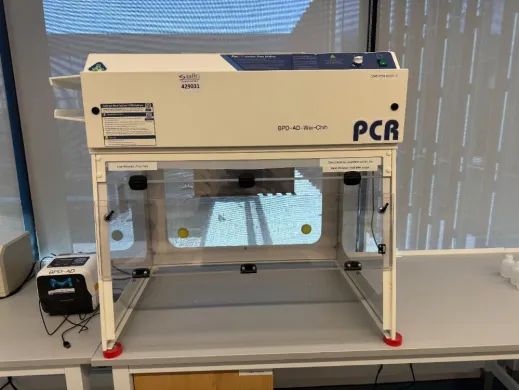
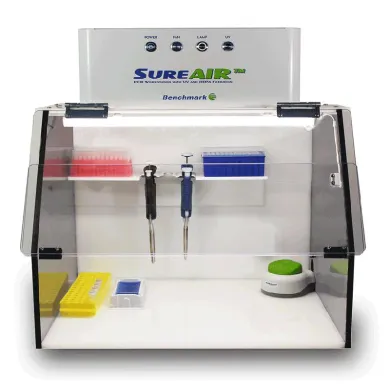
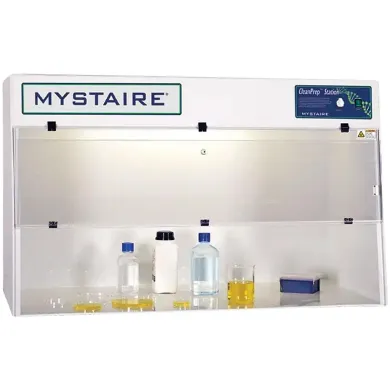
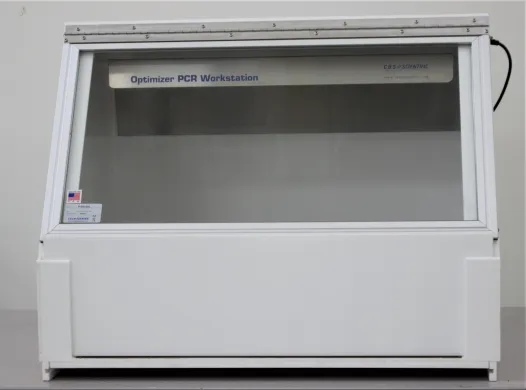
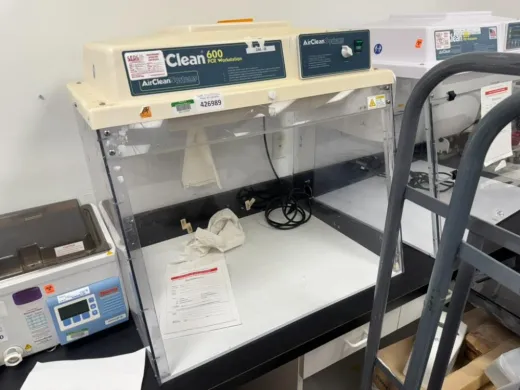
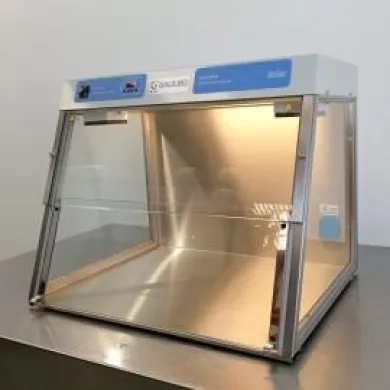
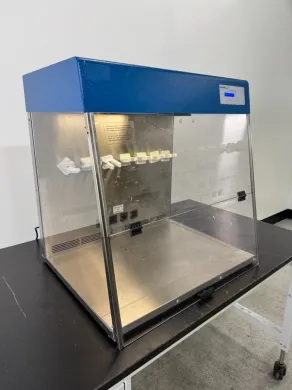
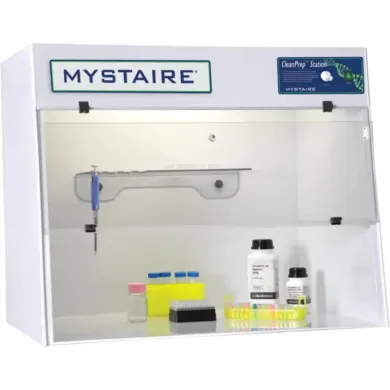
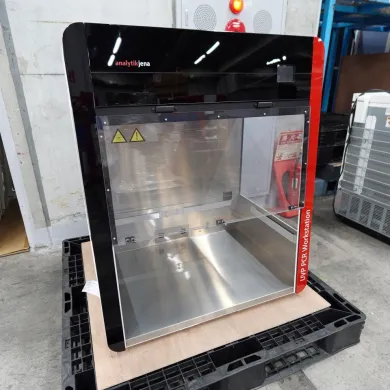
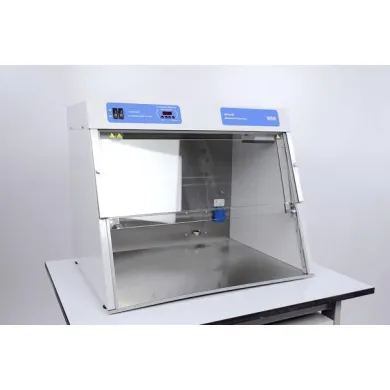
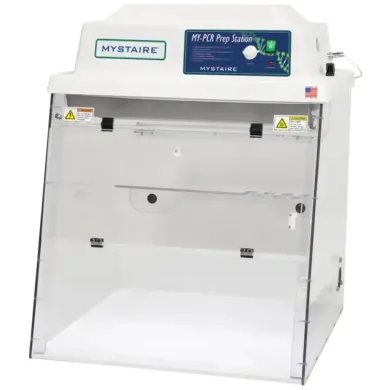
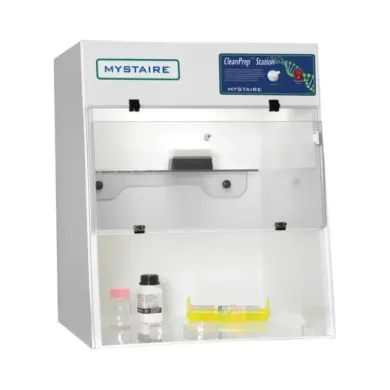
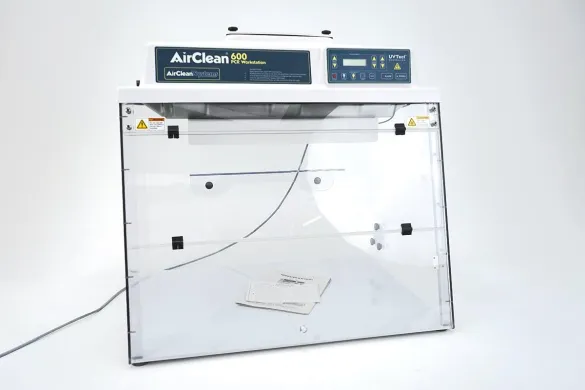
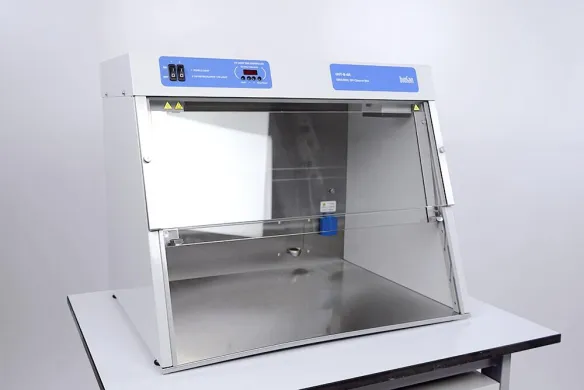
PCR enclosures are enclosed workstations that shield PCR reaction setup from airborne contamination, protecting template DNA and master mix from the stray amplicons, dust and skin-borne nucleases that cause false positives in molecular biology. Most combine an acrylic or polycarbonate hood with a UV lamp for decontaminating the interior between runs, and many add HEPA filtration to keep the working area particle-free. On the Questpair catalogue, 147 laboratory PCR enclosures are listed from 12 verified suppliers and distributors across 6 countries. New, used and refurbished units all appear, and 97 percent of the listings are used. Prices span a wide band depending on size, filtration and whether UV decontamination is fitted.
Updated:
PCR enclosures product list
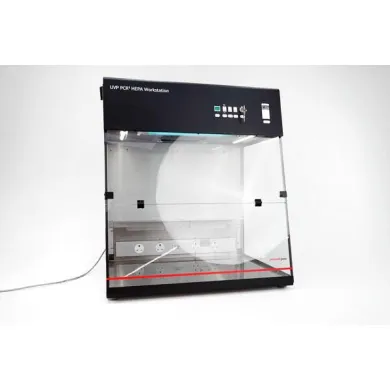
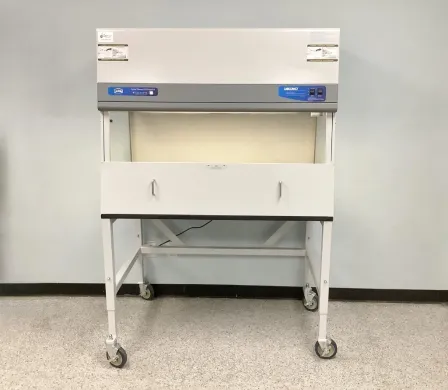
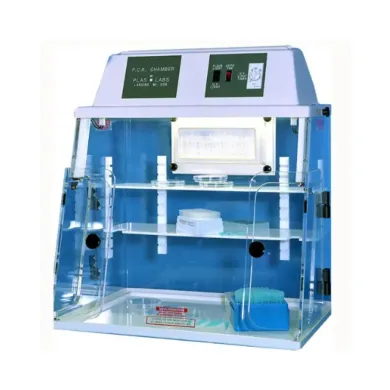
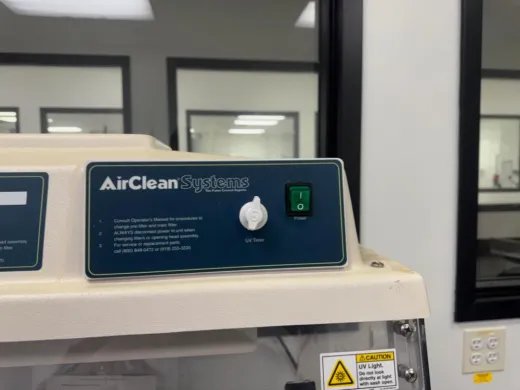


Not the exact instrument you need?
Tell our scientists what you are after. We track it down, including off-market supply.
Buying guide
What settles the choice of a PCR enclosure is not a single headline specification but the contamination risk a lab is actually trying to design out, and that determines how much the enclosure has to do. A workstation that only needs to keep amplicons from a neighbouring bench off the reaction tubes is a different purchase from one that has to protect the operator's sample from the operator, and both differ again from one feeding a downstream sequencing workflow where a single contaminating read ruins a run. Decide which problem is yours before reading a datasheet, because the rest follows from it.
The working dimension is where that decision lands. An enclosure is sized to hold the tube racks, pipettes and a small benchtop centrifuge or vortex that setup requires, and a hood too shallow to pipette comfortably in gets worked around, which defeats the point. Match the internal width and depth to the plate format and the number of hands that will be inside at once. Where HEPA filtration is fitted, the airflow pattern matters as much as the filter rating: a downflow design sweeps particles away from the open tubes, and that is the behaviour worth confirming rather than assuming from the word HEPA alone.
On a used unit the two things to verify are the UV lamp and, where present, the filter. UV output falls with hours of use long before the lamp fails to light, so a tube that still glows is not evidence it still decontaminates; ask for the lamp hours or budget to replace it. HEPA cartridges have a service life too and a used enclosure may arrive with an exhausted one. Neither is a reason to avoid a used purchase, both are consumable and sourced via Questpair, but the asking price should reflect their state. Confirm the acrylic is free of deep crazing, since cracked panels defeat both containment and UV reflection.
Price tracks size and filtration closely. A bare UV cabinet sized for a few tubes sits at the bottom of the range near EUR 187, while a wide HEPA-filtered contamination control workstation reaches EUR 4.552. The average listed cost is EUR 950, and a buyer working to a budget will find that used units are listed below new across the board, which is where most of the catalogue sits. Brands including AirClean Systems, AirClean, Mystaire, ESCO, Labconco occupy the band, so comparable models are usually available for sale from more than one supplier, making it practical to weigh a used enclosure against a refurbished one on condition rather than on availability alone.
Types of PCR enclosures
Which PCR enclosure types are listed?
Among the listings that specify a type, the common form is the PCR workstation, a hooded station built specifically for setting up amplification reactions where the main task is keeping the reaction free of carryover amplicon. The broader molecular biology workstation covers the same hardware used across a wider span of bench work, from reaction assembly to handling plasmid preps. A PCR sample preparation station narrows the role to the pipetting and aliquoting steps that precede thermal cycling. These three describe what the enclosure is for; the remaining types describe how it protects the work. A HEPA-filtered workstation adds particle filtration to the hood, a UV decontamination workstation relies on a germicidal lamp to clear residual nucleic acid between runs, and a contamination control workstation combines both into the most capable form of the class. Many real units span two or three of these labels at once.
Where these workstations do their work
The direct application is PCR itself, so the natural phrase a buyer reaches for is a PCR enclosure for amplification setup, and that work carries straight into molecular diagnostics and genomics pipelines where low-template amplification is routine and a single contaminating copy is enough to invalidate a result. A UV decontamination workstation for molecular biology serves the quieter end of the same field, cleaning down between the DNA and RNA handling steps that make up a genomics bench. Laboratories running gene editing and synthetic biology constructs use these stations to keep assembled sequences free of foreign template during the cloning and screening steps, and a HEPA-filtered PCR workstation for cell culture suits labs that set up reactions adjacent to live cultures and need particle control as well as amplicon control. The same enclosures also appear in microbiology for the aseptic handling of small reaction volumes.
The brands behind the PCR enclosure listings
The names that recur are AirClean Systems, AirClean, Mystaire, ESCO, Labconco. For a buyer this concentration is useful: parts and replacement UV lamps for the more common makes can be sourced via Questpair, and where several listings share a maker it becomes straightforward to compare one model against another on size and filtration rather than guessing across unfamiliar designs. Spread across 12 verified suppliers and distributors, the catalogue usually holds more than one comparable unit per type.
What a used PCR enclosure costs here
Of the 147 listings, 97 percent are used. Prices range from EUR 187 to EUR 4.552. That spread separates the small bare-UV cabinets at the low end from the wide HEPA-filtered contamination control workstations at the top, and the average of EUR 950 sits well below the ceiling, so most of what is for sale is the mid-sized, moderately equipped end of the class rather than the extremes.
Frequently asked questions
What is a PCR enclosure?
A PCR enclosure is an enclosed workstation that shields PCR reaction setup from airborne contamination, protecting template DNA and master mix from stray amplicons, dust and skin-borne nucleases. Most pair an acrylic or polycarbonate hood with a UV lamp for interior decontamination, and many add HEPA filtration.
What does PCR enclosure mean?
The term refers to a contained working area built specifically for assembling amplification reactions without carryover contamination. The word enclosure signals that the hood physically separates the reaction from the surrounding bench rather than just filtering air above it.
How do PCR enclosures work?
A hood of acrylic or polycarbonate closes off the working area so airborne amplicons and particles cannot reach open tubes. A germicidal UV lamp clears residual nucleic acid between runs, and where HEPA filtration is fitted, filtered air keeps the interior particle-free during setup.
What types of PCR enclosures are there?
The listings include PCR workstations, molecular biology workstations and PCR sample preparation stations, which describe the task, alongside HEPA-filtered workstations, UV decontamination workstations and contamination control workstations, which describe the protection. Many real units carry two or three of these labels at once.
What are PCR enclosures used for?
The direct use is PCR amplification setup, which carries into molecular diagnostics and genomics pipelines where a single contaminating copy invalidates a low-template result. They also serve gene editing and synthetic biology cloning steps, reaction setup adjacent to live cultures, and aseptic handling of small reaction volumes in microbiology.
How do I choose a PCR enclosure?
Start from the contamination risk you are designing out, since protecting tubes from a neighbouring bench is a different purchase from protecting a sample feeding a sequencing run. Then match the internal width and depth to your plate format and the number of hands inside, and where HEPA is fitted, confirm a downflow airflow pattern rather than assuming it from the word HEPA alone.
Refurbished versus used, what is the difference?
A used enclosure is sold in its current condition, while a refurbished one has been checked and brought back toward working order before listing. On a used unit the UV lamp hours and HEPA cartridge state are what you verify; the listing should describe the condition, and the price should reflect it.
How much does a PCR enclosure cost?
Prices on the catalogue range from EUR 187 to EUR 4.552, with an average of EUR 950. A bare UV cabinet sized for a few tubes sits near the bottom, while a wide HEPA-filtered contamination control workstation reaches the top of the band.
Which brands make PCR enclosures?
The names that recur in the listings are AirClean Systems, AirClean, Mystaire, ESCO and Labconco. Where several listings share a maker, it becomes straightforward to compare one model against another on size and filtration.
Is there a warranty on a refurbished PCR enclosure?
A warranty is often possible and is arranged in consultation for the specific listing. Because terms are set per listing rather than centrally, check the individual unit you are considering.
Can I get parts for a PCR enclosure?
Parts, including replacement UV lamps and HEPA cartridges, can be sourced via Questpair. These are consumable items with a service life, so budgeting for them on a used purchase is normal.
How long does a PCR enclosure last?
The hood and structure last many years, but the UV lamp and HEPA filter are consumables with their own service life. UV output falls with hours of use long before the lamp fails to light, so a glowing tube is not proof it still decontaminates.
New versus refurbished, which should I buy?
Used and refurbished enclosures are listed at lower prices than new across the catalogue, and most of what is listed here sits in that used and refurbished band. Weigh the two on condition and on the UV lamp and filter state, and note that warranty is arranged in consultation for the specific listing either way.
Where can I buy a PCR enclosure?
They are listed on the Questpair catalogue from 12 verified suppliers and distributors across 6 countries. Spread across that many sellers, the catalogue usually holds more than one comparable unit per type.
What are the lead time and shipping on a PCR enclosure?
Lead time and shipping depend on the individual listing and the supplier holding it, since stock sits with verified suppliers and distributors rather than in one place. For a timing estimate on a specific unit, contact Questpair, where specialists respond within one hour.
How are PCR enclosures calibrated and maintained?
Maintenance centres on the consumables: track UV lamp hours and replace the lamp when output drops, and renew the HEPA cartridge at the end of its service life. Keep the acrylic free of deep crazing, since cracked panels defeat both containment and UV reflection.
Which PCR enclosure types are listed most, and who reaches for which?
The PCR workstation is the common hooded form for amplification setup, while the molecular biology workstation covers the same hardware across wider bench work and the sample preparation station narrows it to pipetting and aliquoting. Labs needing particle control reach for HEPA-filtered or contamination control workstations, and those cleaning between handling steps reach for a UV decontamination workstation.
Which brands dominate this category, and what does that mean for a buyer?
AirClean Systems, AirClean, Mystaire, ESCO and Labconco recur across the listings. That concentration means replacement UV lamps and parts for the common makes can be sourced via Questpair, and comparable models can be weighed on size and filtration rather than across unfamiliar designs.
What separates the cheapest PCR enclosures from the most expensive here?
At the bottom near EUR 187 sits a small bare-UV cabinet sized for a few tubes, with no filtration. At the top near EUR 4.552 is a wide HEPA-filtered contamination control workstation that combines UV decontamination with particle filtration, so size and the amount of filtration are what move the price.