

Regulators
We personally find you the right used, refurbished and new regulators instruments & equipment from verified suppliers.
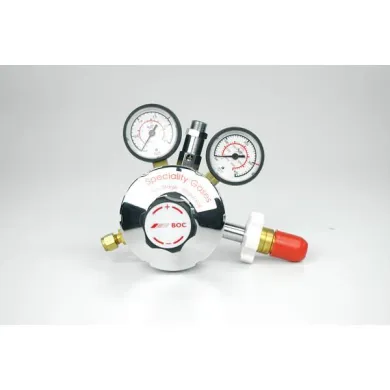
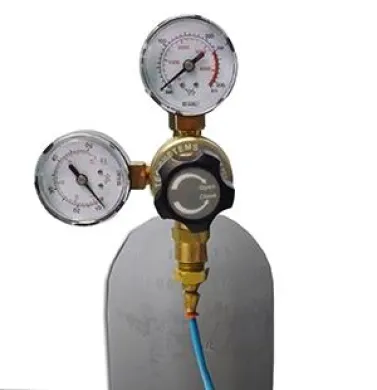
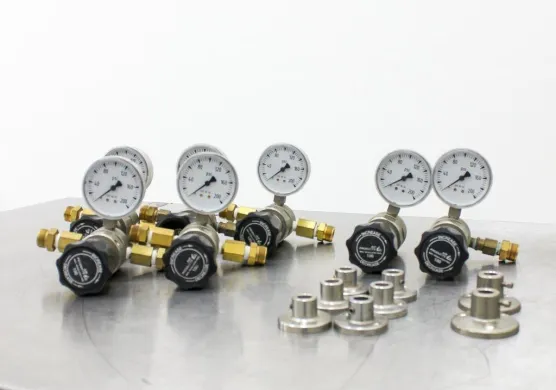
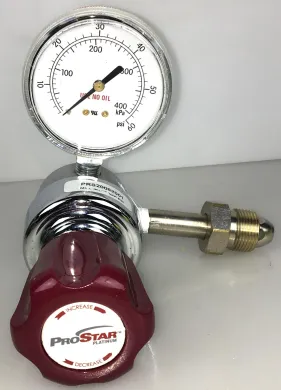
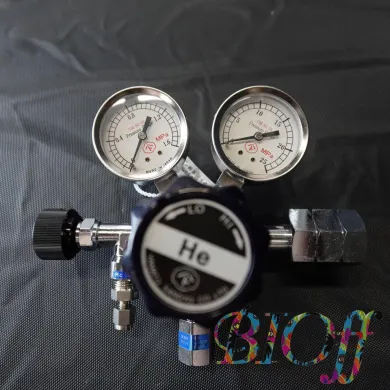
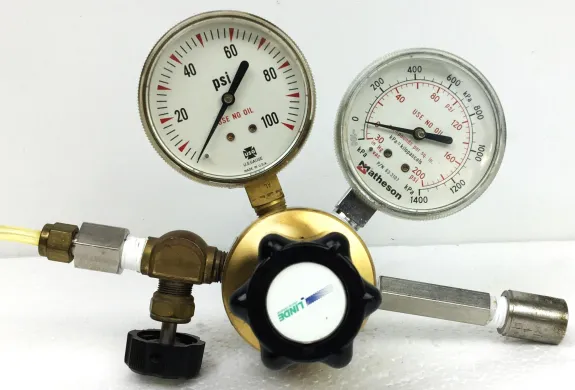
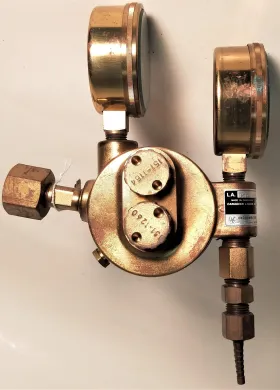
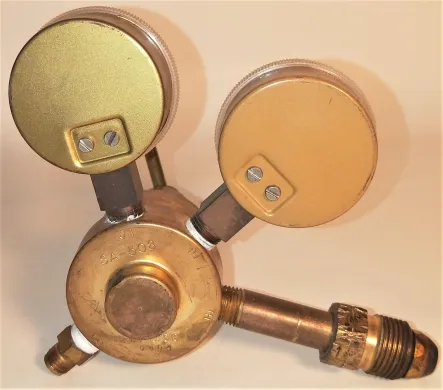
Regulators are pressure-control devices that reduce high gas-cylinder pressure to a stable, usable outlet pressure for laboratory and process lines. They sit between a compressed-gas source and the equipment it feeds, holding a set delivery pressure as the cylinder drains. Across the Questpair catalogue, 127 regulators are listed from 10 verified suppliers and distributors across 7 countries. New, used and refurbished units all appear, and 92 percent of the listings are used. Prices run from EUR 6 to EUR 9.175. The spread reflects how far the field stretches, from a simple single-stage cylinder regulator to a corrosion-resistant assembly built for reactive or high-purity gas service.
Updated:
Regulators product list


Not the exact instrument you need?
Tell our scientists what you are after. We track it down, including off-market supply.
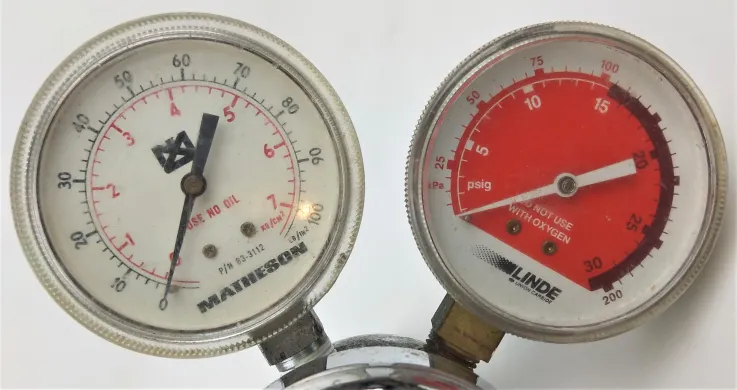
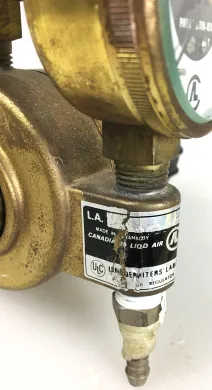
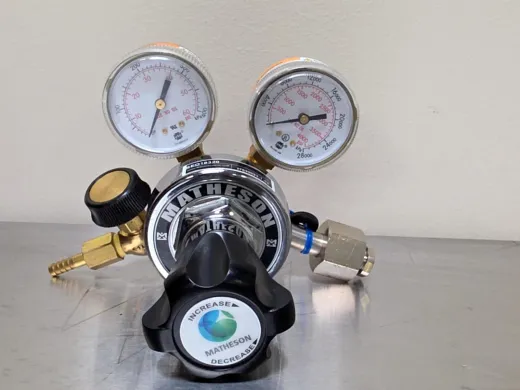
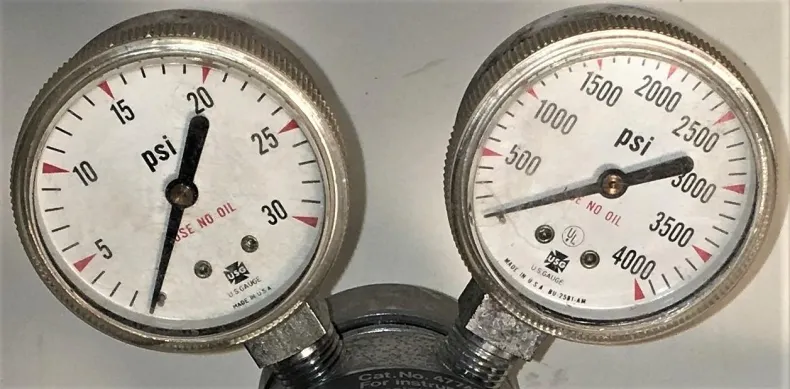
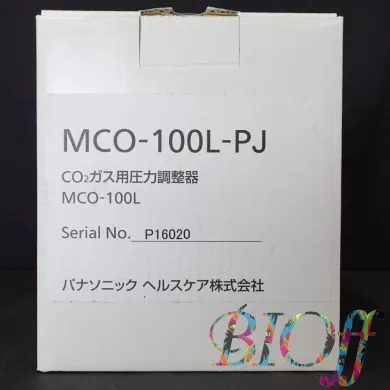
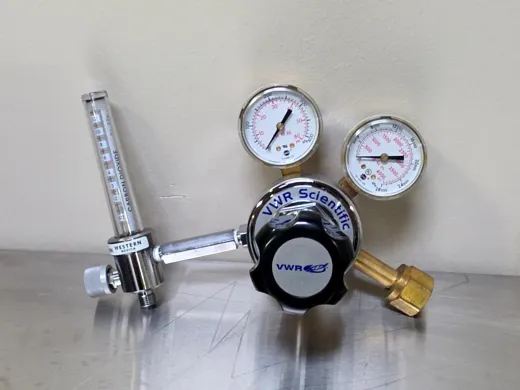
Corning 477422 Dual Stage Pressure Regulator
- Category
- Gas generator
- Brand
- Corning
- Suppliers
- 1 verified
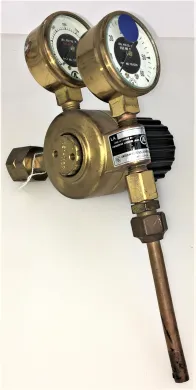
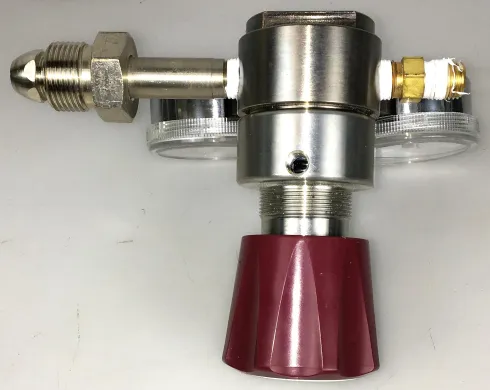
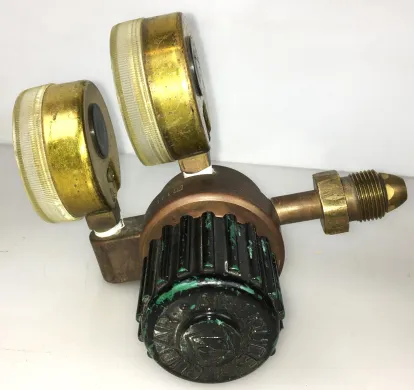
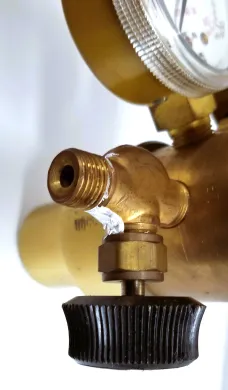
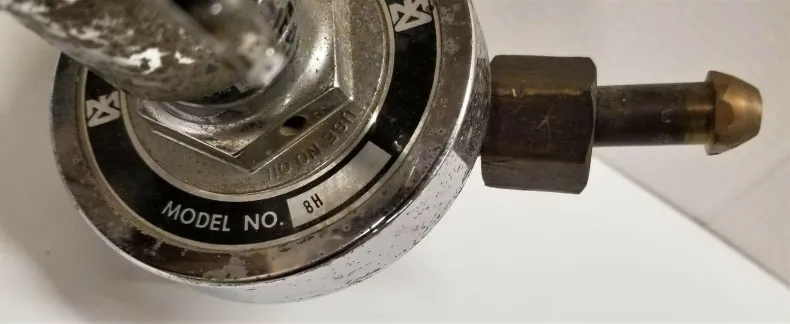
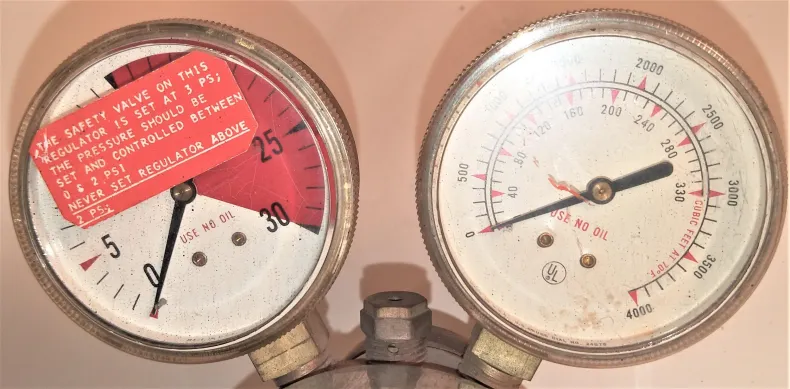
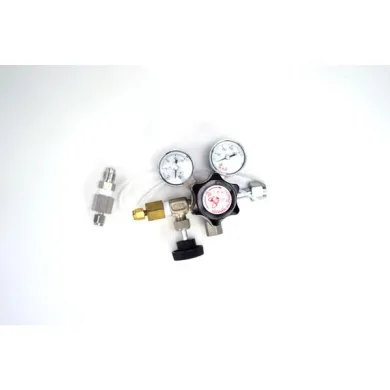
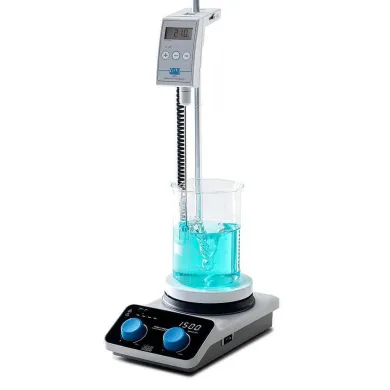
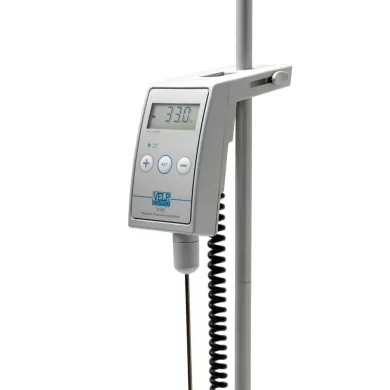
AREX 5 with VTF Thermoregulator
- Category
- Regulators
- Brand
- Velp scientifica
- Suppliers
- 1 verified
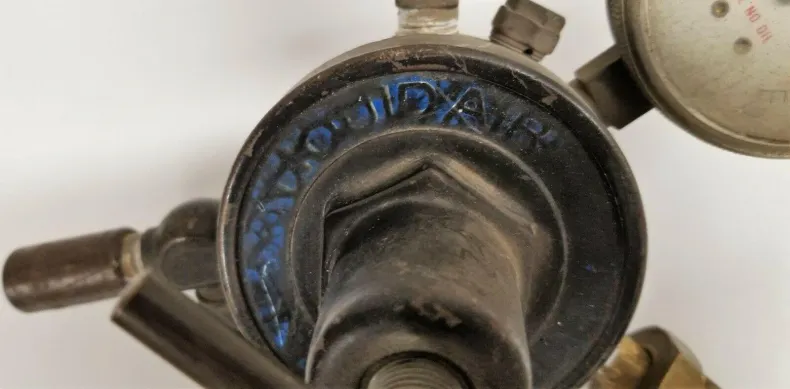
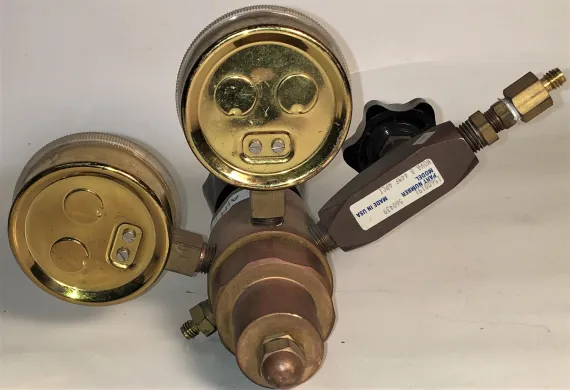
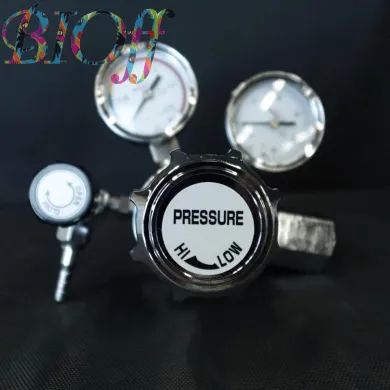
Not the exact instrument you need?
Tell our scientists what you are after. We track it down, including off-market supply.
Showing 1–40 of 79 listings
Show 39 more listingsBuying guide
The gas settles most of the decision before anything else, because a regulator's wetted materials have to match what passes through it. An oxygen regulator must be clean for oxygen service and cannot carry hydrocarbon traces; a regulator for corrosive gases such as chlorine or hydrogen chloride needs a body and diaphragm that resist attack, which is why stainless steel construction appears so often in this class. The cylinder connection matters just as much: fittings are standardised by gas and by region, so a regulator built for one CGA or DIN outlet will not thread onto another without an adapter you should avoid using on hazardous gas. Confirm the inlet and outlet pressure ranges too, since a two-stage unit holds delivery pressure far more steadily as the cylinder empties than a single-stage one does, which is what fine analytical work usually needs.
On a used unit, the diaphragm and seat are what wear, and they are what you cannot see from a photograph. Ask whether the regulator was last used on a clean gas or a reactive one, because residue from a corrosive service can leave seats pitted and springs fatigued. A creeping outlet pressure, where the delivery gauge climbs with no flow drawn, points to a failing seat and is the single most common fault on second-hand regulators. Gauges themselves drift and can be replaced; the internal mechanism cannot be judged the same way. For any instrument-grade application, plan to verify or recalibrate the delivery setting against a reference before trusting it.
Price tracks that complexity closely. The lower end of the cost range covers basic single-stage cylinder regulators and bare gauges, well within a modest budget, while the upper figures belong to specialty and high-purity assemblies in stainless steel. Across the catalogue the average sits nearer the lower end, and refurbished regulators listed for sale remain more affordable than new equivalents of the same type. Linde, Various, Liquid Air, VWR, Matheson account for much of what is listed, which helps when you want to compare like for like or match a replacement to an existing manifold. Where warranty matters on a particular unit, it is arranged in consultation for that specific listing.
Types of Regulators
Which regulator types are listed?
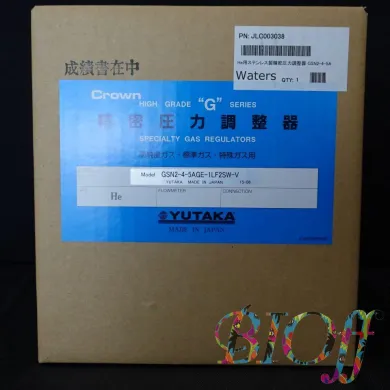
Among the listings that specify a type, the common forms are gas pressure regulator, laboratory gas regulator, pressure regulator, specialty gas regulator, stainless steel regulator, gas regulator. A gas pressure regulator is the general case: it takes cylinder pressure at the inlet and holds a lower, steady pressure at the outlet, and most laboratory bench use starts here. A specialty gas regulator is built for a defined gas or purity grade, with cleaned internals and materials chosen for that service, and is what a lab reaches for with calibration mixtures, high-purity carrier gas, or reactive gases. Stainless steel regulators form a distinct group because the wetted path resists corrosion and outgasses little, which is why they dominate high-purity and corrosive-gas work. The split that separates them in practice is single-stage against two-stage: a single stage is simpler and cheaper, a second stage buys constant delivery pressure as the cylinder drains, which analytical instruments depend on.
Much of this equipment feeds life-sciences and biotechnology work through the gases it controls. A carrier-gas regulator supplies the helium or hydrogen line behind gas chromatography, and a stable two-stage delivery is part of why GC retention times stay reproducible. Specialty regulators handle the CO2 supply to a cell culture incubator, holding the fixed percentage a culture needs, and the gas mixtures used in anaerobic microbiology and in cell imaging chambers. High-purity stainless steel regulators also sit on the sample and reagent gas lines in proteomics and genomics instrumentation, where a trace of hydrocarbon or moisture would reach the detector. In each case the regulator is doing one job, delivering a clean gas at a controlled pressure, for a process that cannot tolerate drift.
The brands behind the regulator listings
The names that recur most are Linde, Various, Liquid Air, VWR, Matheson. A concentration around established makers helps a buyer in a practical way: seats, diaphragms and gauges for a widely used line are easier to source as spares, and a second unit of the same model is straightforward to compare against one already on the bench. The presence of a "Various" grouping reflects the mixed second-hand supply, where individual regulators come through without a single dominant maker, and these often sit at the lower price points. Matching a replacement to an existing manifold is simpler when the inlet fitting and brand already appear in the catalogue.
What a used regulator costs here
Condition is heavily weighted toward used stock, with 92 percent of the listings used. Prices span from EUR 6 to EUR 9.175, and that range maps onto the type split above. The low figures cover single-stage cylinder regulators, individual gauges and spares; the high figures belong to stainless steel specialty assemblies for high-purity or corrosive service. The average lands toward the lower end of that spread. Parts for a listed regulator can be sourced via Questpair, and where a warranty is relevant it is settled in consultation for the specific listing.
Frequently asked questions
What is a regulator?
A regulator is a pressure-control device that reduces the high pressure in a compressed-gas cylinder to a stable, lower outlet pressure for a laboratory or process line. It sits between the gas source and the equipment it feeds, holding the set delivery pressure as the cylinder drains.
What does a gas regulator actually mean in practice?
In practice it means the equipment downstream sees one steady pressure instead of the falling cylinder pressure. The regulator absorbs the difference, so a line set to a few bar stays there even as the cylinder empties from full to near-empty.
How do regulators work?
Cylinder gas enters the inlet at high pressure and passes a valve seat controlled by a spring-loaded diaphragm. Turning the adjustment knob sets the spring force, which fixes the outlet pressure; as flow is drawn or the cylinder drains, the diaphragm moves the seat to hold that setting.
What types of regulators are there?
The forms listed here include gas pressure regulators, laboratory gas regulators, specialty gas regulators, stainless steel regulators and general pressure regulators. The main practical division is single-stage against two-stage, where a two-stage unit holds delivery pressure more steadily as the cylinder empties.
What are regulators used for?
They deliver a clean gas at a controlled pressure to equipment that cannot tolerate drift, such as carrier-gas lines behind gas chromatography, CO2 supply to cell culture incubators, and gas mixtures for anaerobic microbiology. High-purity stainless steel units also sit on sample and reagent gas lines in proteomics and genomics instrumentation.
How do I choose a regulator?
Start with the gas, because the wetted materials must match what passes through: oxygen service demands clean construction with no hydrocarbon traces, and corrosive gases need a stainless steel body and diaphragm. Then confirm the cylinder connection matches your fitting standard, and decide between single-stage and two-stage based on how steady your delivery pressure needs to be.
What is the difference between refurbished and used regulators?
A used regulator is sold in the condition it came out of service, while a refurbished one has been checked and brought back toward working order before listing. On both, the diaphragm and seat are the wearing parts, so ask what gas the unit last handled regardless of label.
How much does a regulator cost?
Listings range from EUR 6 to EUR 9.175, with the average sitting nearer the lower end. The low figures cover single-stage cylinder regulators, individual gauges and spares; the high figures belong to stainless steel specialty assemblies for high-purity or corrosive service.
What are the best regulator brands?
The names that recur most in the listings are Linde, Liquid Air, VWR and Matheson, alongside a mixed Various grouping. Rather than ranking them, match the brand and inlet fitting to your existing manifold so a replacement threads on and spares interchange.
Is there a warranty on a refurbished regulator?
A warranty is often possible and is arranged in consultation for the specific listing. Terms are not set centrally, so check what the individual listing offers.
Can I get parts for a regulator?
Parts such as seats, diaphragms and gauges can be sourced via Questpair. A widely used line is easier to find spares for, which is one reason to favour a brand that already appears across the catalogue.
How long does a regulator last?
A regulator's lifespan depends mainly on the gas it handled and the condition of its diaphragm and seat. Clean, inert gas service wears it slowly, while corrosive service can pit seats and fatigue springs; gauges drift over time and can be replaced without touching the mechanism.
New or refurbished regulator, which should I buy?
Used and refurbished units are listed at lower prices than new ones of the same type. Where warranty matters, it is arranged in consultation for the specific listing, so weigh the price difference against what that individual listing offers.
Where can I buy a regulator?
Regulators are listed on Questpair from 10 verified suppliers and distributors across 7 countries, with 127 units in the catalogue. New, used and refurbished units all appear.
What is the lead time and shipping on a regulator?
Lead time and shipping depend on the individual listing and the supplier holding the unit. For a specific delivery estimate, contact Questpair about the listing you have in mind; specialists respond within one hour.
Do regulators need calibration and maintenance?
For any instrument-grade application, verify or recalibrate the delivery setting against a reference before trusting it. The common fault to watch for is a creeping outlet pressure, where the delivery gauge climbs with no flow drawn, which points to a failing seat.
Which regulator types are listed most, and who reaches for which?
Gas pressure regulators are the general case and the usual starting point for bench use, while specialty gas regulators go to labs running calibration mixtures, high-purity carrier gas or reactive gases. Stainless steel regulators are the choice for high-purity and corrosive-gas work because their wetted path resists corrosion and outgasses little.
Which brands dominate this category, and what does that mean for me?
Linde, Liquid Air, VWR and Matheson recur most, with a Various grouping covering mixed second-hand supply that often sits at the lower price points. A concentration around established makers means spares are easier to source and a second unit of the same model is straightforward to compare against one already on the bench.
What separates the cheapest regulators here from the most expensive?
The bottom of the price band covers basic single-stage cylinder regulators and bare gauges, where the gas is simple and delivery pressure can drift a little. The top covers two-stage stainless steel specialty assemblies for high-purity or corrosive service, where the wetted materials, cleaning and steady delivery all add cost.