

Pipettes
We personally find you the right used, refurbished and new pipettes instruments & equipment from verified suppliers.
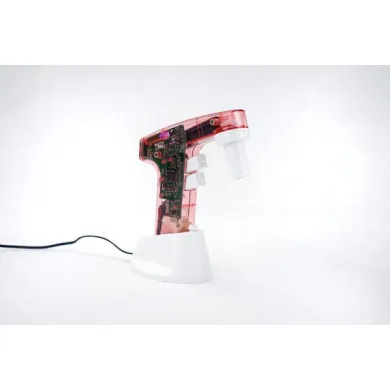
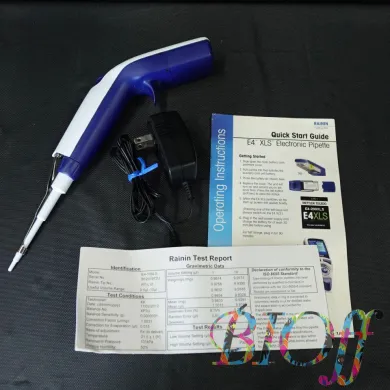
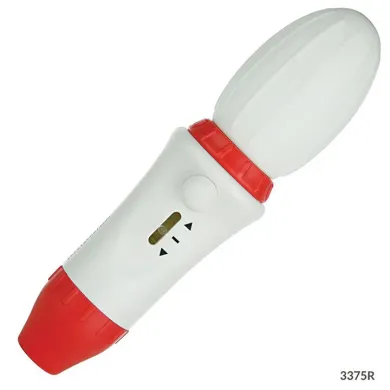
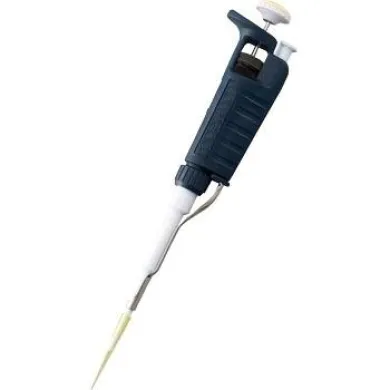
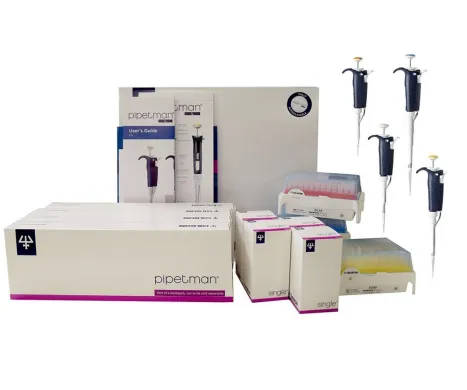
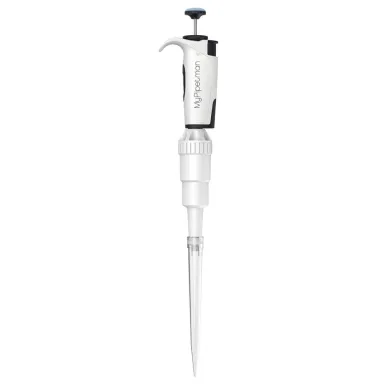
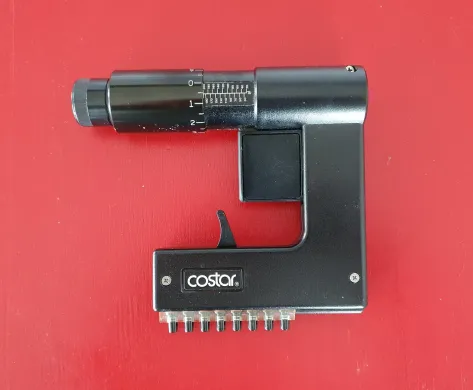
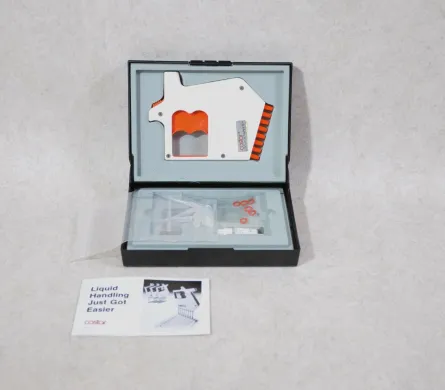
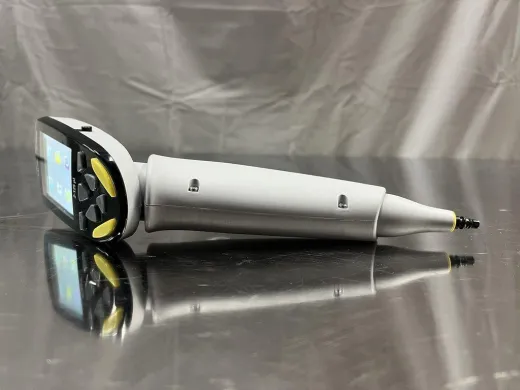
Pipettes are handheld or automated instruments that measure and transfer precise volumes of liquid, from fractions of a microlitre to several millilitres, across laboratory work. The Questpair catalogue lists 3435 pipettes from 20 verified suppliers and distributors across 10 countries. Of those, 91 percent are used, the remainder new, so a buyer weighing a budget against condition has both routes open. New, used and refurbished units appear side by side, in air-displacement and positive-displacement forms, single-channel and multichannel, manual and electronic. Prices run from EUR 1 to EUR 81.780 for a single listing, which spans a lone micropipette through to packaged dispensing systems.
Updated:
Pipettes product list



Not the exact instrument you need?
Tell our scientists what you are after. We track it down, including off-market supply.

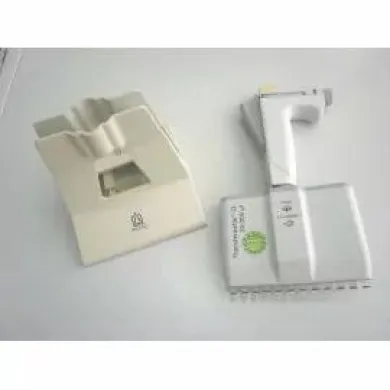
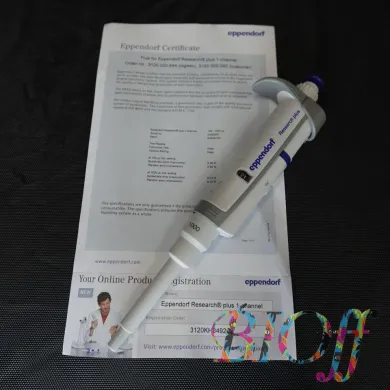
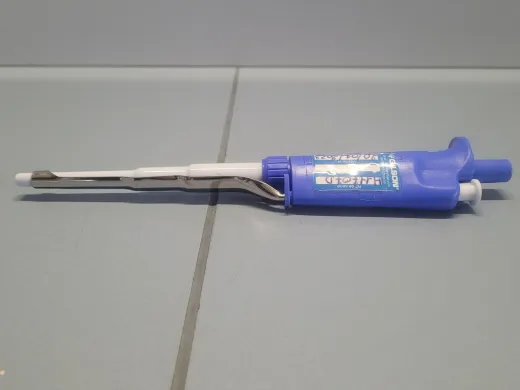
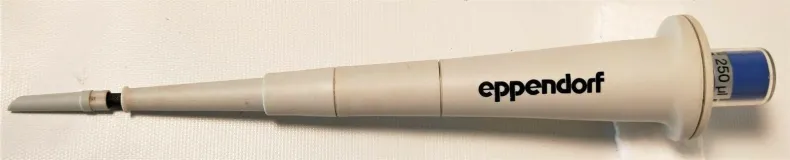
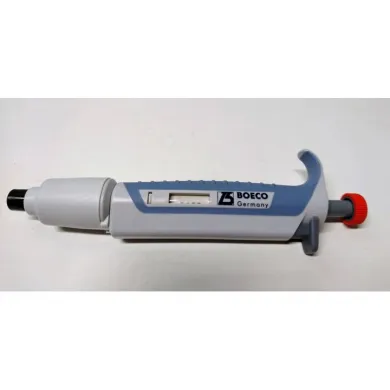
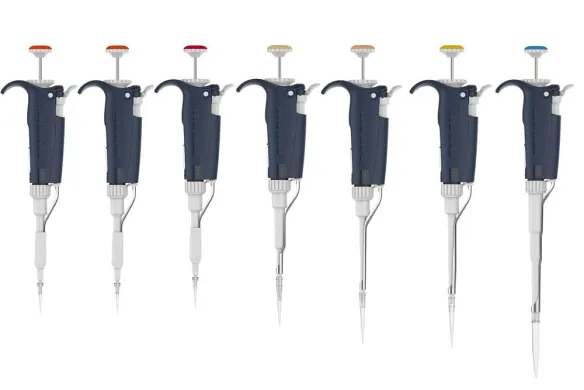
Not the exact instrument you need?
Tell our scientists what you are after. We track it down, including off-market supply.
Showing 1–40 of 1,769 listings
Show 40 more listingsBuying guide
Volume range is what settles a pipette purchase, because accuracy is specified against it and nothing else matters if the instrument cannot hold the volume you work in. A device rated for 0.5 to 10 microlitres will not serve a protocol that needs 1 millilitre, and forcing a large pipette down to its lowest setting throws accuracy well outside tolerance. Decide the working range first, by the smallest and largest volumes the protocol calls for, then read the manufacturer's accuracy and precision figures at those exact points rather than at the mid-range, where the numbers always look best. A buyer running a single fixed assay can commit to one range; a shared bench usually needs two or three pipettes covering overlapping bands.
On a used unit, calibration history is the thing to verify. A pipette holds its setting only while the seal, the piston and the spring stay within spec, and those drift with use. Ask whether the unit carries a recent calibration certificate, and if it does not, budget for one before the instrument goes into service. Check the channel count against the work too: a multichannel head with a worn tip cone on one channel will under-deliver on that line and skew a plate, and that fault is invisible until the first run. Electronic pipettes add a battery and a motor to the list of things that wear, so a used electronic unit warrants a question about cycle count and battery condition.
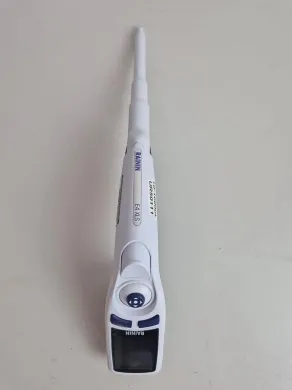
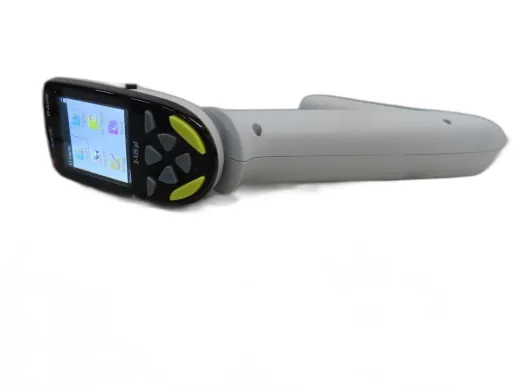
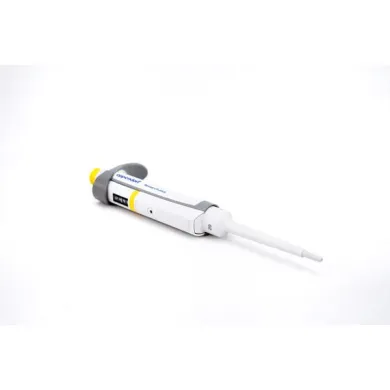
Price tracks range, channel count and whether the pipette is manual or electronic. A single-channel manual micropipette sits at the low end of what these instruments cost, while an eight or twelve-channel electronic model with a charging stand reaches the top. Across the catalogue prices run from EUR 1 to EUR 81.780, with an average near EUR 2.430, and the spread covers bare pipettes through to complete multichannel sets. Refurbished and used units listed for sale are more affordable than new equivalents, which is where most of the budget-led buying happens. The names that fill the mid-range are Rainin, Eppendorf, Gilson, Thermo Scientific, Hamilton, each with service histories and consumables a buyer can plan around.
Types of Pipettes
Pipette accessories listed on Questpair
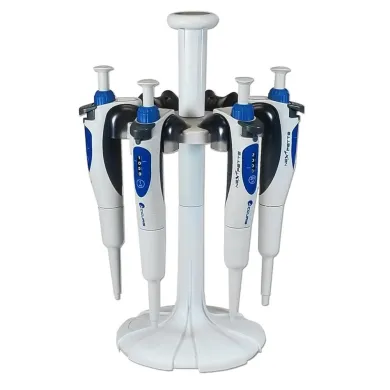
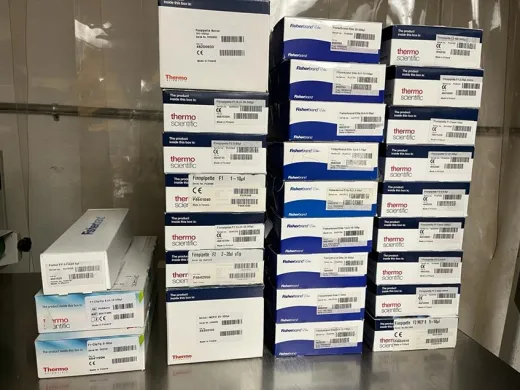
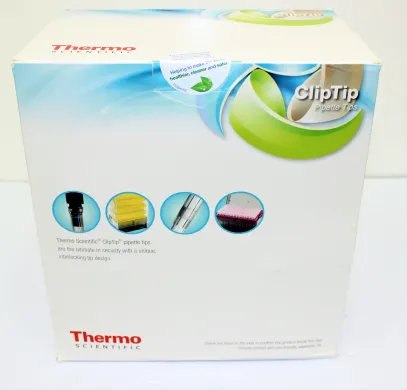
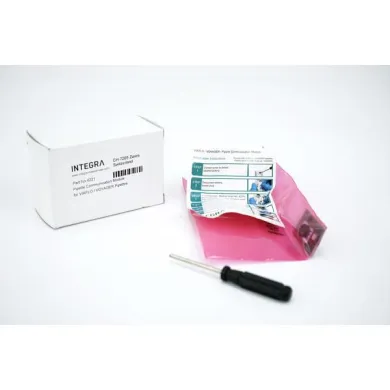
Pipette accessories cover the parts and consumables that keep a pipette working rather than the instrument itself: tips and tip racks, tip ejectors, piston and seal kits, charging stands for electronic models, stand and carousel holders, and filters. Among the listings that specify a type, these accessories separate from the pipettes they serve because they are consumable or replaceable, bought in volume and matched to a specific pipette model rather than chosen on their own merits. A buyer reaches for this group to restock a bench already equipped, to source a discontinued seal kit that keeps an older manual pipette in calibration, or to standardise tip geometry across a shared lab. Tip compatibility is model-specific, so the brand of the pipette usually dictates the brand of the accessory. In molecular biology and cell culture work, filtered tips are the accessory that matters most, since they guard against aerosol carryover during PCR setup and protein purification, and a bench running genomics or immunoassay protocols buys them by the case.
Pipette calibration services and equipment listed on Questpair
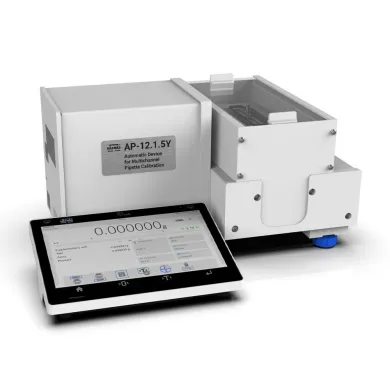
Pipette calibration covers the equipment and documentation that verify a pipette delivers the volume it is set to: calibration kits, reference balances tied to gravimetric analysis of dispensed water, calibration weights, and the certificates and service records that accompany a calibrated unit. This group differs from the accessories above in purpose, it measures and certifies rather than replaces, and a buyer turns to it to bring a used pipette back within tolerance or to hold a quality system that demands documented accuracy. Gravimetric calibration remains the standard method, weighing a dispensed volume of water against its known density, which is why reference balances and calibration weights sit in this subcategory alongside the kits. A laboratory running molecular diagnostics, electrophoresis or any regulated immunoassay cannot report a result without a pipette whose calibration is current and traceable, so this equipment underpins the data rather than the dispensing. For a shared bench the calibration cycle is a recurring cost, and sourcing kits and weights locally keeps the pipettes in service between external calibration visits.
Frequently asked questions
What is a pipette?
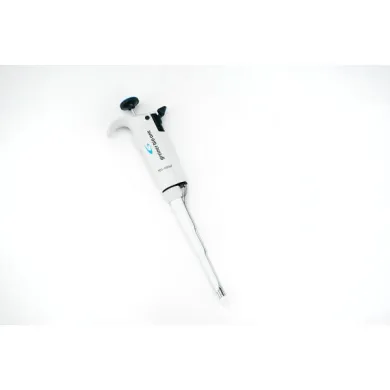
A pipette is a handheld or automated instrument that measures and transfers precise volumes of liquid, from fractions of a microlitre up to several millilitres. It is a core tool for laboratory work where volume accuracy determines whether a result is valid.
What does 'pipette' mean in a lab context?
In a laboratory it refers to the calibrated dispensing instrument used to draw up and release a set volume of liquid, not a generic dropper. The term covers manual, electronic, single-channel and multichannel forms, all defined by the volume range they hold to a stated accuracy.
How do pipettes work?
Most pipettes use air displacement: a piston moves inside a cylinder to create the suction that draws liquid into a disposable tip, then pushes it out. Positive-displacement models move the liquid directly with a piston in contact with it, which suits viscous or volatile fluids where an air cushion would introduce error.
What types of pipettes are there?
The catalogue lists adjustable volume pipettes, manual pipettes, laboratory pipettes, multichannel pipettes and broader liquid handling equipment and devices. The main splits are air-displacement versus positive-displacement, single-channel versus multichannel, and manual versus electronic.
What are pipettes used for?
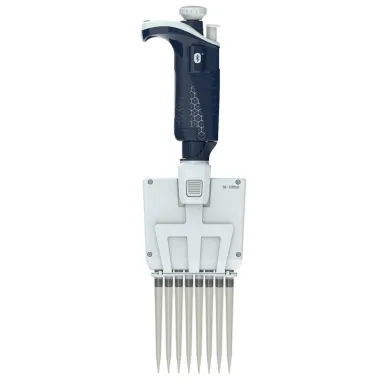
They dispense precise liquid volumes for assays, sample preparation, dilutions, PCR setup, protein work and plate loading. Multichannel models handle 8 or 12 wells at once for microplate-based work, while single-channel units cover individual transfers.
How do I choose the right pipette?
Set your working range first, by the smallest and largest volumes your protocol needs, then read the manufacturer's accuracy and precision figures at those exact points rather than at the mid-range. Match channel count to the work, since multichannel heads suit plates and single-channel suits tube-to-tube transfers.
What is the difference between refurbished and used pipettes?
A used pipette is sold in its current condition, while a refurbished one has been reconditioned before listing. For either, the point to confirm is calibration history: ask whether a recent calibration certificate accompanies the unit, and budget for one if it does not.
How much does a pipette cost?
Across the catalogue prices run from EUR 1 to EUR 81.780, with an average near EUR 2.430. A single-channel manual micropipette sits at the low end, while an eight or twelve-channel electronic model with a charging stand reaches the top.
Which brands of pipette are worth looking at?
The names that fill the catalogue are Rainin, Eppendorf, Gilson, Thermo Scientific and Hamilton. Each has established service histories and consumable lines, so a buyer can plan tip and seal supply around the chosen brand.
Can I get a warranty on a refurbished pipette?
A warranty is often possible and is arranged in consultation for the specific listing. Because terms are set per listing rather than centrally, check the individual item and raise the question before purchase.
Are parts available for pipettes?
Parts such as piston and seal kits, tip ejectors and charging stands can be sourced via Questpair. Tip compatibility is model-specific, so the brand of the pipette usually dictates which accessory part fits.
How long does a pipette last?
A well-maintained manual pipette can stay in service for many years as long as the seal, piston and spring are replaced as they wear and calibration is kept current. Electronic units add a battery and a motor to the wear list, which is why a used electronic one warrants a question about cycle count and battery condition.
Should I buy new or refurbished?
Used and refurbished pipettes are listed at lower prices than new equivalents, which is where budget-led buying happens. The trade-off centres on calibration status rather than price alone, so verify the certificate on a used unit and confirm warranty terms on the specific listing.
Where can I buy pipettes?
The Questpair catalogue lists 3435 pipettes from 20 verified suppliers and distributors across 10 countries. New, used and refurbished units appear side by side, so condition and budget can be compared in one place.
What is the lead time and shipping on a pipette?
Lead time and shipping depend on the individual supplier and the country the listing ships from, and the catalogue spans 10 countries. The specific listing states its terms, and specialists respond within an hour to any question about a particular item.
How do I calibrate and maintain a pipette?
Gravimetric calibration is the standard method: a dispensed volume of water is weighed on a reference balance against its known density to verify delivery. The catalogue lists calibration kits, reference balances and calibration weights that keep pipettes in tolerance between external calibration visits; routine maintenance means replacing seals, pistons and tip cones as they wear.
Which types are listed most and who reaches for which?
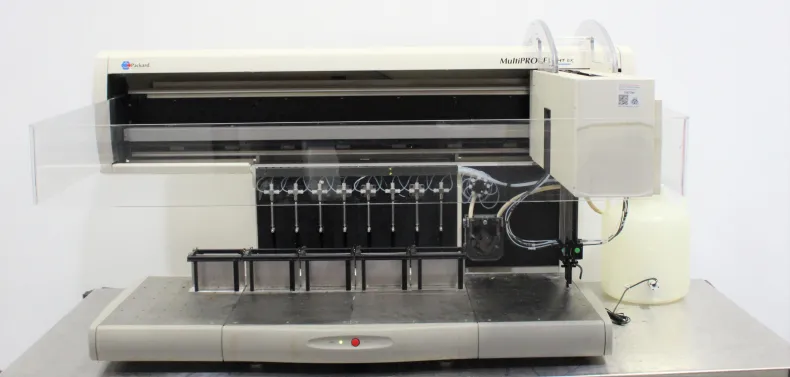
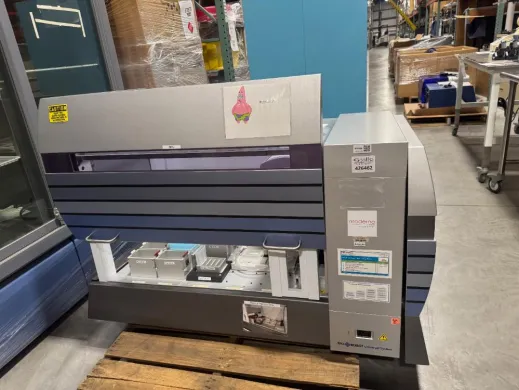
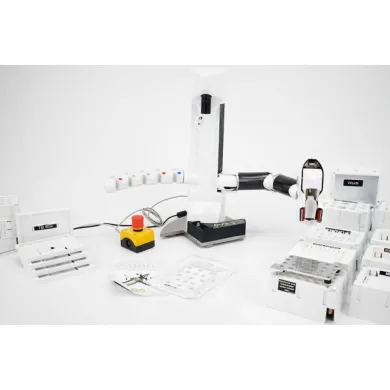
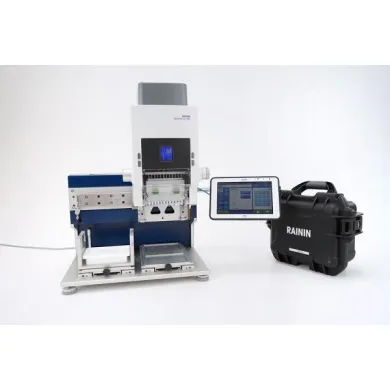
Adjustable volume, manual and general laboratory pipettes make up the bulk of single-channel listings and suit benches running individual transfers and fixed assays. Multichannel pipettes go to labs doing microplate work in genomics and immunoassay, where loading 8 or 12 wells at once matters, and liquid handling equipment and devices cover automated dispensing setups.
Which brands dominate this category and what does that mean for a buyer?
Rainin, Eppendorf, Gilson, Thermo Scientific and Hamilton account for the mid-range of the catalogue. Their presence means tips, seal kits and calibration consumables are straightforward to match, since accessory compatibility is tied to the pipette brand and model.
What separates the cheapest pipettes from the most expensive here?
The low end is a bare single-channel manual micropipette; the high end is an eight or twelve-channel electronic model supplied with a charging stand or as part of a complete dispensing set. Channel count, electronic versus manual operation, and whether consumables and stands are bundled drive the spread from EUR 1 to EUR 81.780.