

Pipettes Calibration
We personally find you the right used, refurbished and new pipettes calibration instruments & equipment from verified suppliers.
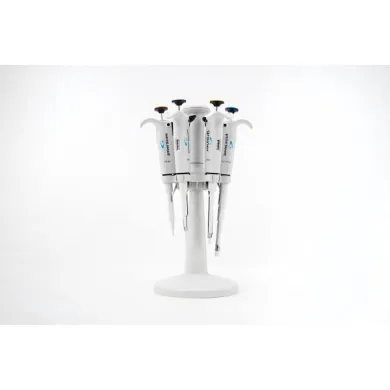
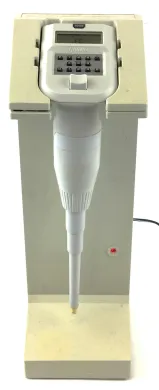
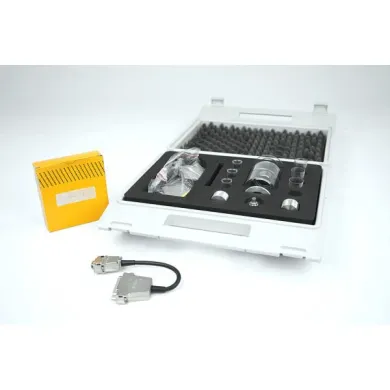
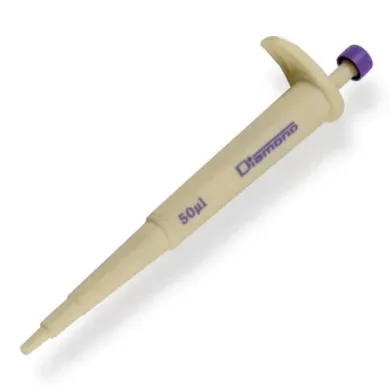
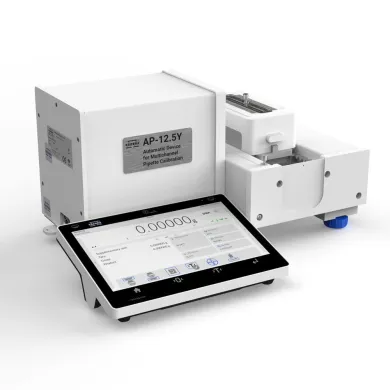
Pipette calibration is the process of verifying and adjusting a pipette so that the volume it dispenses matches the volume it is set to deliver, within a defined tolerance. The equipment listed here covers the pipettes themselves alongside the gravimetric and photometric tools that check them, offered new, used and refurbished across the Questpair catalogue. Of the current laboratory listings, 94 percent are used. Accuracy drifts with wear on the seals and the piston, which is why calibration is scheduled rather than done once, and why a used unit's service history matters as much as its model. A pipette out of tolerance quietly biases every volume it touches.
Updated:
Pipettes Calibration product list
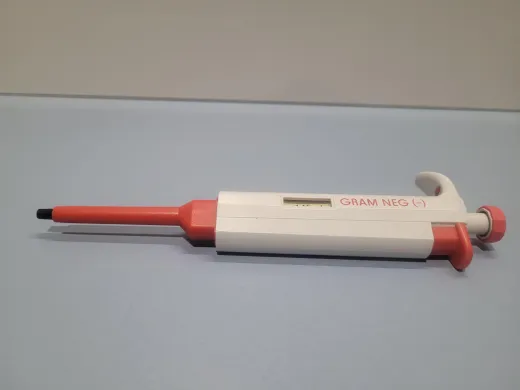
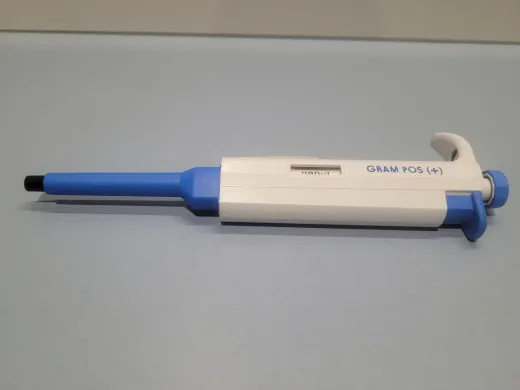
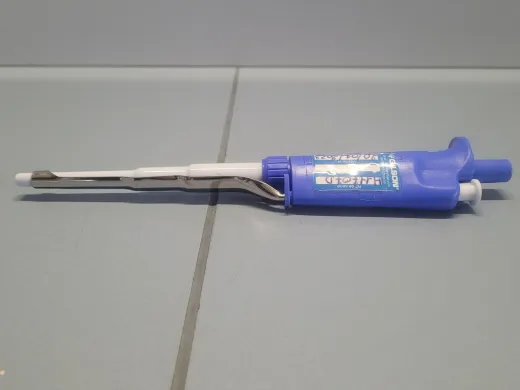
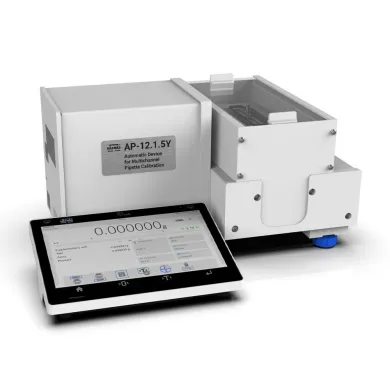
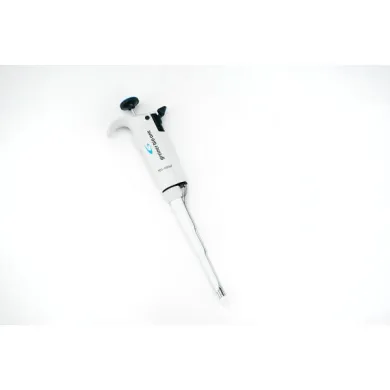


Not the exact instrument you need?
Tell our scientists what you are after. We track it down, including off-market supply.
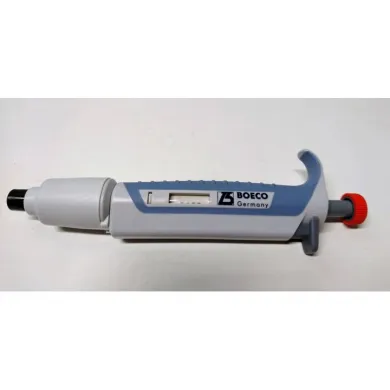
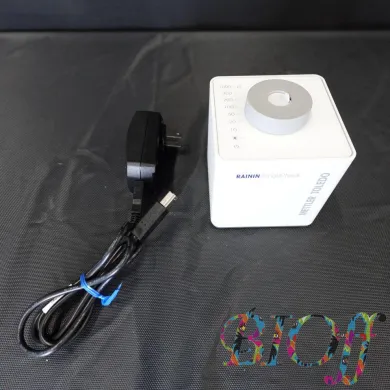
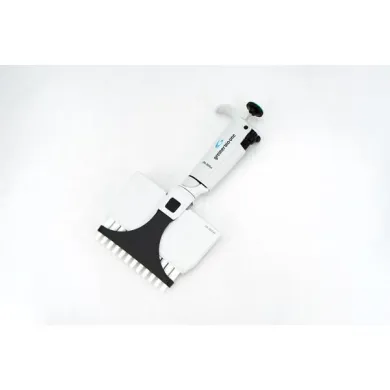
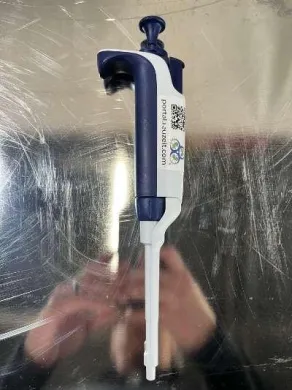
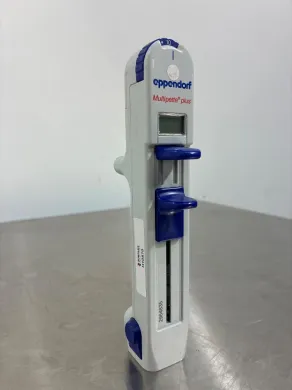
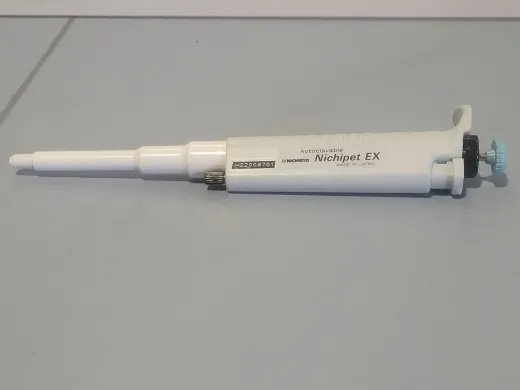
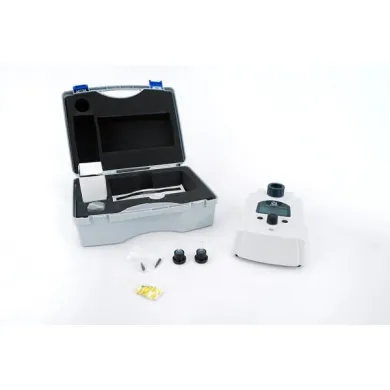
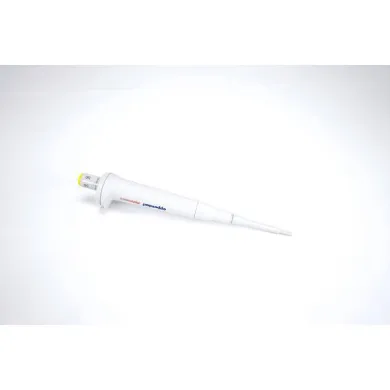
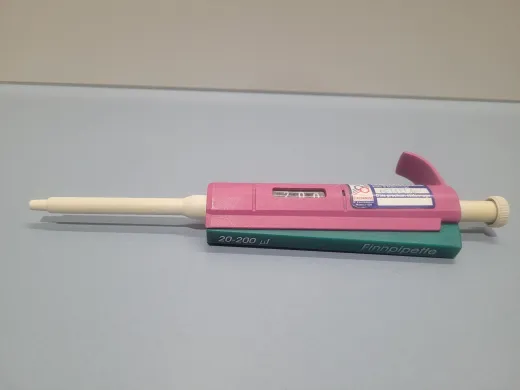
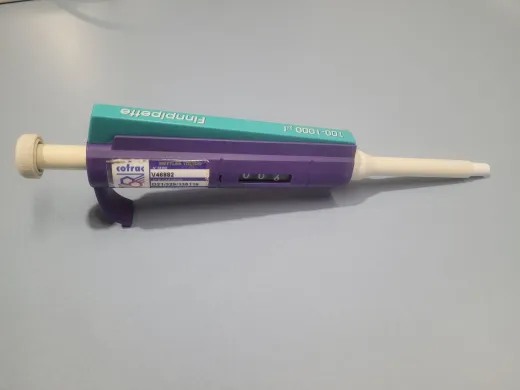
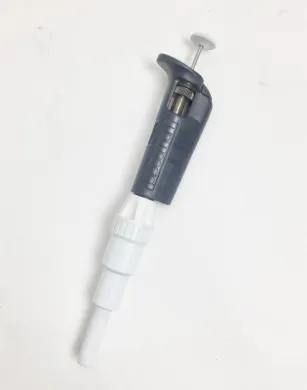
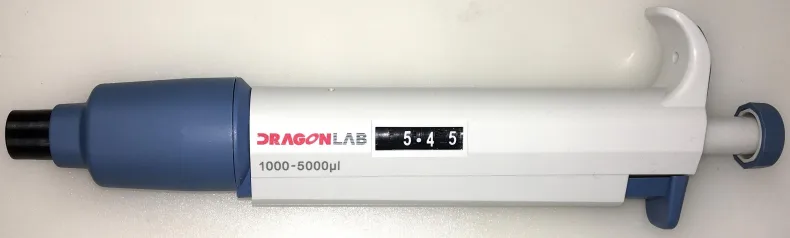
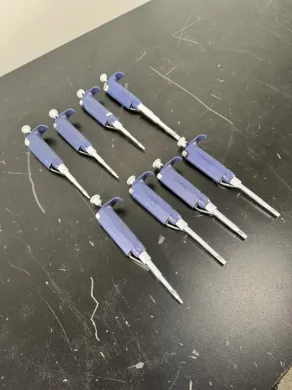
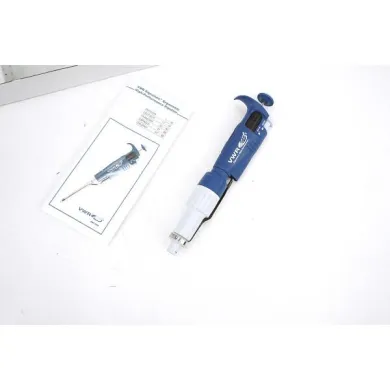
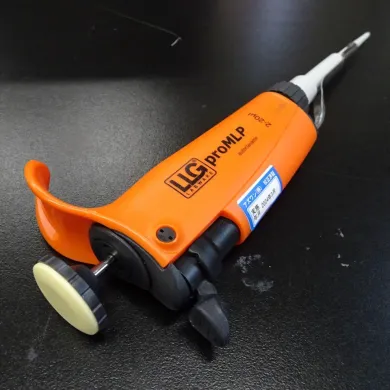
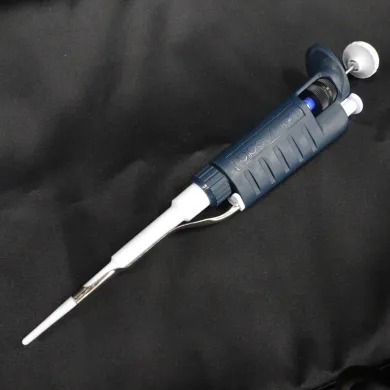
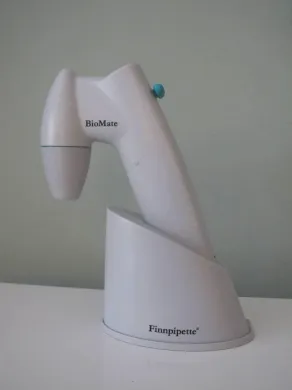
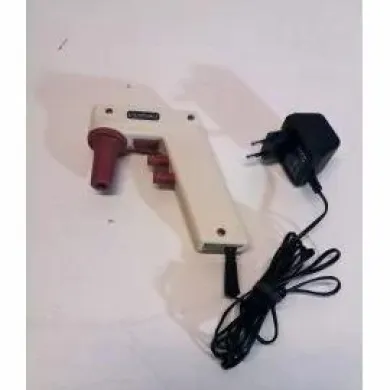
Not the exact instrument you need?
Tell our scientists what you are after. We track it down, including off-market supply.
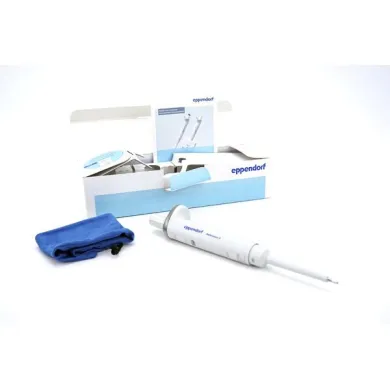
Showing 1–40 of 377 listings
Show 40 more listingsBuying guide
The figure that settles most purchases in this category is the volume range a pipette covers and the tolerance it holds across that range. A pipette set for 2 to 20 microlitres and one set for 1,000 to 5,000 microlitres are different instruments doing different work, and an adjustable volume pipette that reads to a tenth of a microlitre at the low end tells you nothing about how it behaves near its ceiling. Match the range to the volumes the protocol actually dispenses, because a pipette run near the bottom of its stated range carries the largest proportional error. The tolerance a manufacturer specifies is a fresh-from-calibration figure, not a lifetime guarantee.
On a used unit the question shifts from the datasheet to the history. Seals harden, pistons score, and the spring loses tension, all of which push the delivered volume away from the dial reading long before anything looks wrong. Ask when the pipette was last calibrated, whether a certificate accompanies it, and whether the model takes a standard service kit, because a micropipette you cannot recalibrate is a micropipette you cannot trust. The same caution applies to liquid handling equipment with motorised heads, where a drifting channel is harder to spot by eye than on a single channel micropipette. Verified suppliers and distributors on Questpair list condition on the individual listing, and a warranty, where one applies, is arranged in consultation for that listing rather than set centrally.
Price spans a wide band here. Listings run from EUR 5 to EUR 32.319, with an average near EUR 1.057. The low end covers individual manual pipettes and consumables; the high end covers calibration balances and multi-position liquid handling systems that carry most of the cost of this category. For a buyer weighing a budget, a used or refurbished pipette listed for sale sits below the new equivalent, which is what makes refurbished the affordable route into a model that would otherwise strain a departmental allocation. Rainin, Eppendorf, Gilson, Globe Scientific, Radwag occupy most of this band, and their presence matters for a practical reason beyond price: a common brand means service kits, replacement seals and calibration weights are easy to find, and one model is easy to compare against another already on the bench.
Types of Pipettes Calibration
Which pipette types are listed for calibration?
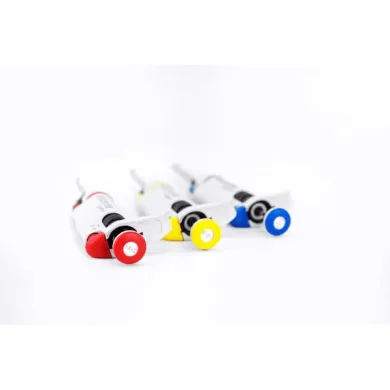
Among the listings that specify a type, the most common are adjustable volume pipette, manual pipette, laboratory pipette, micropipette, liquid handling equipment and single channel micropipette. An adjustable volume pipette lets the operator dial the delivered volume within a range, which is what makes calibration recurring: every change of setting is a point that can drift. A manual pipette is operated entirely by thumb, with no motor to mask a sticking plunger, and is the type most often checked gravimetrically on a precision balance. A single channel micropipette handles one sample at a time and is the workhorse behind cell culture, protein purification and immunoassay setups, where a volume error carried across a plate skews every well. Liquid handling equipment covers the motorised and multichannel end, used in genomics and molecular diagnostics work where throughput rules out pipetting by hand. These handle the volume measurement that underpins electrophoresis sample loading, serial dilutions in microbiology, and the reagent additions in a molecular biology workflow, so a pipette calibration service sits upstream of nearly every quantitative assay in a life sciences laboratory.
The brands behind the pipette calibration listings
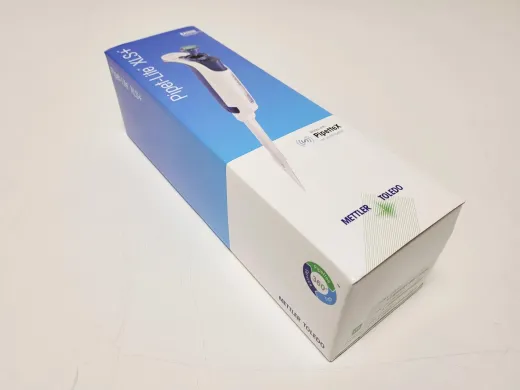
Rainin, Eppendorf, Gilson, Globe Scientific, Radwag account for most of what is listed, and the mix of names shapes what a buyer can expect. The dominant pipette makers mean service kits, replacement seals and tip compatibility are documented and easy to source, so a used unit from one of these lines can be returned to tolerance rather than retired. The balance makers among them supply the gravimetric side of calibration, the instruments that weigh dispensed water to confirm a pipette's accuracy. A common brand also makes comparison straightforward: two listings of the same family can be judged on condition and price alone, without guessing at whether parts will match. Parts can be sourced through Questpair where a listing needs them.
What a used pipette calibration setup costs here
94 percent of the listings are used. Prices run from EUR 5 to EUR 32.319, averaging around EUR 1.057. That spread separates single consumable pipettes at the bottom from calibration balances and full liquid handling systems at the top, so the average sits well above the typical hand pipette. The catalogue draws on 14 verified suppliers and distributors across 8 countries, and condition is stated on each individual listing.
Frequently asked questions
What is pipette calibration?
Pipette calibration is the process of verifying and adjusting a pipette so the volume it dispenses matches the volume it is set to deliver, within a defined tolerance. It is done against a reference, either by weighing dispensed water on a precision balance or by measuring absorbance photometrically.
What does pipette calibration actually mean in practice?
It means checking a pipette's delivered volume at one or more set points and adjusting the mechanism if the reading drifts outside tolerance. Because a pipette set to one volume can be accurate while another setting is off, calibration often covers several points across the range.
How does pipette calibration work?
Gravimetric calibration dispenses a set volume of water onto a precision balance and converts the measured mass to volume using the water's density at the known temperature. Photometric calibration dispenses into a dye solution and reads absorbance, with the two methods giving independent checks on the same pipette.
What types of pipettes are listed for calibration?
The types that appear most are adjustable volume pipette, manual pipette, laboratory pipette, micropipette, liquid handling equipment and single channel micropipette. The calibration side also includes the gravimetric balances and photometric instruments used to check them.
What is pipette calibration used for?
It keeps the volume measurement underpinning serial dilutions, reagent additions, sample loading and assay setups within a known tolerance. A pipette out of tolerance biases every volume it dispenses, so calibration sits upstream of most quantitative laboratory work.
How do I choose a pipette for a given protocol?
Match the pipette's volume range to the volumes the protocol actually dispenses, since a pipette run near the bottom of its stated range carries the largest proportional error. Check the tolerance the manufacturer specifies at the volumes you use, and confirm whether the model takes a standard service kit for recalibration.
What is the difference between refurbished and used pipettes?
A used pipette is sold in its existing condition, while a refurbished one has been inspected and brought back toward specification before listing. Condition is stated on each individual listing, so read what work, if any, was done and whether a calibration certificate accompanies it.
How much does a pipette calibration setup cost?
Prices range from EUR 5 to EUR 32.319, with an average near EUR 1.057. Single manual pipettes and consumables sit at the low end, while calibration balances and multi-position liquid handling systems carry the high end.
Which brands appear in this category?
Rainin, Eppendorf, Gilson, Globe Scientific and Radwag account for a large share of the listings. The pipette makers among them document service kits and tip compatibility, and the balance makers supply the gravimetric side of calibration.
Is there a warranty on a refurbished pipette?
A warranty is often possible and is arranged in consultation for the specific listing rather than set centrally. Check the individual listing for its stated condition and whether a calibration certificate is included.
Can I get parts for a listed pipette?
Replacement seals, pistons and service kits for the common brands are documented and generally available, which is what lets a used unit be returned to tolerance. Parts can be sourced via Questpair where a listing needs them.
How long does a pipette last?
A pipette's mechanism wears gradually as seals harden, pistons score and springs lose tension, which is why calibration is scheduled rather than done once. With periodic recalibration and seal replacement, a pipette from a brand with available service kits stays in service for years.
Should I buy new or refurbished?
Used and refurbished pipettes are listed at lower prices than new, which is the practical difference between the two routes to the same model. Where you have to weigh them, read the individual listing for condition and calibration history, and note that any warranty is arranged in consultation for that listing.
Where can I buy a pipette or calibration instrument?
They are listed on Questpair from verified suppliers and distributors across 8 countries, drawing on 14 suppliers. Each listing states its condition and whether it is new, used or refurbished.
What are the lead time and shipping like?
Lead time and shipping depend on the individual supplier and the item's location, so check the specific listing. Questpair specialists respond within one hour if you need details before ordering.
How often should a pipette be calibrated and maintained?
Calibration intervals depend on how heavily the pipette is used and the tolerance your work demands, with frequent-use pipettes in critical assays checked more often. Routine maintenance covers seal and o-ring replacement and cleaning, after which the pipette is recalibrated before returning to the bench.
Which pipette types are listed most, and who reaches for which?
Adjustable volume and single channel micropipettes are listed in number and are the workhorses of cell culture, protein purification and immunoassay work, where one sample is handled at a time. Liquid handling equipment covers the motorised and multichannel end used in genomics and molecular diagnostics, where throughput rules out pipetting by hand, and manual pipettes are the type most often checked gravimetrically on a balance.
Which brands dominate this category, and what does that mean for a buyer?
Rainin, Eppendorf, Gilson, Globe Scientific and Radwag make up a large part of the listings. A common brand means service kits, seals and calibration weights are easy to find, and two listings of the same family can be judged on condition and price without guessing whether parts will match.
What separates the cheapest listings from the most expensive?
The low end is individual manual pipettes and consumables, which cost little and dispense one volume by hand. The high end is calibration balances and multi-position liquid handling systems, whose precision mechanics and throughput put them well above a single pipette and pull the average up to EUR 1.057.