
Liquid Handling & Automation
We personally find you the right new, used and refurbished liquid handling & automation instruments & equipment from verified suppliers.
Moving microlitre volumes accurately, many times over, is what this work turns on, and the margin for error shrinks as throughput climbs. A single manual pipette suits a handful of samples; a screening run across hundreds of plates needs a deck that aspirates, dispenses and moves labware without a hand touching it. Questpair lists 15388 items for this work from 184 verified suppliers and distributors. The equipment spans hand-held pipettes through to automated platforms with robotic arms, and the choice follows the volume, the plate count and how reproducible the dispense has to be. Calibration and tip compatibility bind the rest together.
Updated:
Liquid Handling & Automation product list


Not the exact instrument you need?
Tell our scientists what you are after. We track it down, including off-market supply.



Not the exact instrument you need?
Tell our scientists what you are after. We track it down, including off-market supply.
Showing 1–40 of 5,494 listings
Show 40 more listingsBuying guide
Prices here run from EUR 1 to EUR 1.601.827. That spread is wider than on any single category, because the page covers both a box of tips and a fully robotic deck. At the low end sit consumables and single hand-held pipettes, the items a lab replaces often and buys in quantity. The expensive equipment is the automation: a multi-position deck with a robotic arm, plate storage and integrated readers belongs at the top of the range, and that is the part of the work where the money goes. Between the two sit multichannel pipettes, syringe and peristaltic pumps, and aspirators, which carry a moderate cost and a long service life.
On condition, 93 percent of the listings are used. Used and refurbished units are listed below the price of new, which is the clearest reason to consider them for this work, where a well-maintained pipette or deck performs to the same tolerance as a new one once calibrated. Where you are weighing a used instrument against a new one, the thing to check is the individual listing, since a warranty is often possible and is arranged in consultation for that specific unit. Parts, where an older deck needs them, can be sourced via Questpair. The supporting equipment is listed by 184 verified suppliers and distributors across 103 countries, so the depth of the market is in the consumables and the mid-range instruments rather than at either extreme.
Types of Liquid Handling & Automation
The equipment here runs from a pipette held in one hand to a benchtop robot that runs a protocol overnight, and most labs own a spread across that range. Liquid handling is not a single machine but a sequence: measuring a volume, moving it into a vessel, repeating that across many wells, and doing it the same way each time. The stages below follow that order, and the kit each one leans on is what the catalogue carries.
Where does manual pipetting end and automation begin?
A single or multichannel pipette covers low sample counts and method development, where a person reads the plate and adjusts as they go. The constraint is the operator: accuracy drifts with fatigue, and a long run is slow. Automated liquid handling takes over when the plate count makes the hand the bottleneck, or when the dispense has to be identical whoever runs it. Between the two sit aspirators for clearing supernatant and peristaltic pumps for continuous transfer, neither of which measures a discrete volume but both of which move fluid without a pipette. The decision is rarely about one being better. It is about whether the work is exploratory, where a hand adapts, or routine, where a machine repeats.
Measuring and dispensing the volume
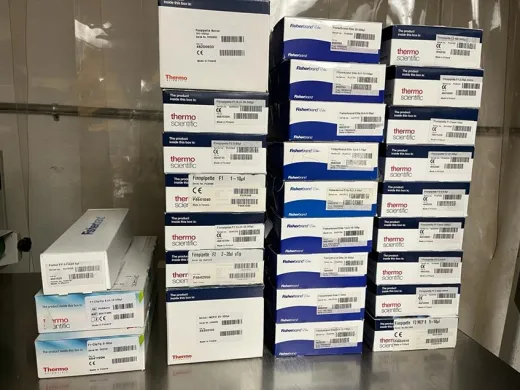
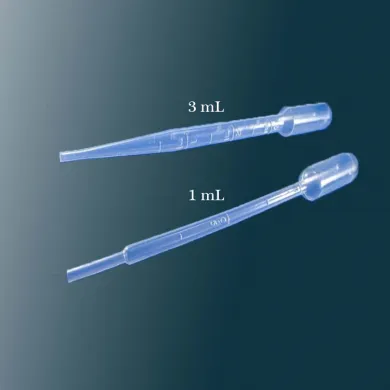
This is the step the whole field is named for. A pipette draws a set volume and releases it, and the error at this stage propagates through everything downstream. Tip quality matters more than it looks: the fit between tip and barrel sets the seal, and a poor seal shows up as a volume that reads right and dispenses wrong. Pipette tips are listed here as their own line because a deck or a hand-held unit is only as accurate as the disposable on its end. For continuous or metered flow rather than discrete aliquots, syringe pumps deliver a programmed rate, which suits perfusion and infusion work where the volume arrives over time rather than in one shot.
Scaling across plates: what does a deck add?
An automated platform holds the labware on a fixed grid and moves a head over it, so a 96 or 384 well plate fills in one programmed pass. Robotics extend that further, with an arm that shuttles plates between the deck, a reader and storage, which is what lets a run continue without an operator present. The gain is reproducibility and walk-away time; the cost is setup, because a protocol has to be written and the deck laid out before the first plate. This is where two steps constrain each other most tightly. The tips the deck expects, the plate format and the aspiration depth all have to agree, and a mismatch that a person would correct by eye becomes a failed run on an automated deck.
Keeping the numbers true
None of the above holds without calibration. A pipette or a channel on a deck drifts over use, and pipette calibration is listed here as its own category because the measurement is only as good as the last check against a reference. Accessories, from tip boxes to adapters, sit alongside the instruments and are easy to overlook until a format change leaves a deck without the consumable it needs. Among the listings that specify a type, the laboratory supplies and accessories lines cover much of this supporting kit.
Frequently asked questions
What do I need at minimum to start liquid handling work?
A single or multichannel pipette, a supply of matching tips and a calibration reference is enough to begin manual work at low sample counts. Automation is only needed once the plate count makes a hand the bottleneck, so you can start without a deck or robotic arm and add them when throughput demands it.
Which part of a liquid handling setup is the most expensive to set up?
The automation sits at the top of the range: a multi-position deck with a robotic arm, plate storage and integrated readers. Beyond the hardware cost, setup also takes time, because a protocol has to be written and the deck laid out before the first plate runs.
What can I buy used and what is better bought new?
A well-maintained pipette or deck performs to the same tolerance as a new one once calibrated, so used and refurbished instruments are a reasonable choice here, and they are listed below the price of new. Tips and other consumables are bought new in quantity because they are disposable; used and refurbished units make sense for the pipettes, pumps and decks.
What has to match between the pipette, the tips and the deck?
The tip and barrel fit sets the seal, and a poor seal gives a volume that reads right but dispenses wrong, so tip compatibility is the first thing to confirm. On an automated deck, the tips it expects, the plate format and the aspiration depth all have to agree, because a mismatch a person would correct by eye becomes a failed run.
Roughly what does a complete liquid handling setup cost?
Prices across this category run from EUR 1 to EUR 1.601.827, which covers both a box of tips and a fully robotic deck. A manual bench with pipettes, tips and calibration sits at the low end, while an integrated automated platform with an arm and readers sits at the top; where your setup lands depends on plate count and how much walk-away time you need.
Where does cutting the budget cost you later in this work?
Skimping on tip quality is the common one: a poor tip-to-barrel seal produces dispense errors that propagate through every downstream step. Skipping calibration is the other, since a pipette or deck channel drifts over use and the measurement is only as good as the last check against a reference.
Which equipment carries over to other lab work?
Multichannel pipettes, syringe and peristaltic pumps, and aspirators are general-purpose and used well beyond liquid handling, which is part of why they hold a long service life. Tip boxes, adapters and the laboratory supplies and accessories lines are shared across most bench work too.
What should I check on a used pipette or deck before buying?
Check the calibration status and the condition of the sealing surfaces, since those determine whether it holds its stated tolerance, and confirm tip and plate-format compatibility for the work you plan to run. Warranty on a used unit is often possible and is arranged in consultation for that specific listing, so review the individual listing for its terms.
About Questpair
Questpair is the European marketplace for lab equipment, where AI-prepared cases and personal specialists guide every purchase. We work with 247 verified suppliers across 38 countries to find buyers the right new, used or refurbished instruments, with response within 1 hour and significant savings vs buying new.
Personal · Fast · Reliable · Affordable