

Pipettes Accessories
We personally find you the right used, refurbished and new pipettes accessories instruments & equipment from verified suppliers.
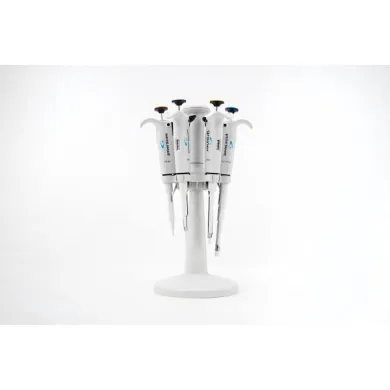
Pipette accessories are the consumables and supporting components that keep manual and automated liquid handling running, from pipette tips and tip racks to replacement pistons, seals, filters, and the charging stands and holders that pair with electronic and multichannel units. They are the parts a laboratory replaces far more often than the pipettes themselves, which is why this category stays busy. Across the Questpair catalogue, 3084 listings are available from 17 verified suppliers and distributors in 8 countries. The condition mix is heavily weighted toward pre-owned stock: 97 percent of the listings are used, the remainder new. New, used and refurbished items both appear, with prices spanning a wide band depending on whether a single rack or a bulk consumable lot changes hands.
Updated:
Pipettes Accessories product list



Not the exact instrument you need?
Tell our scientists what you are after. We track it down, including off-market supply.

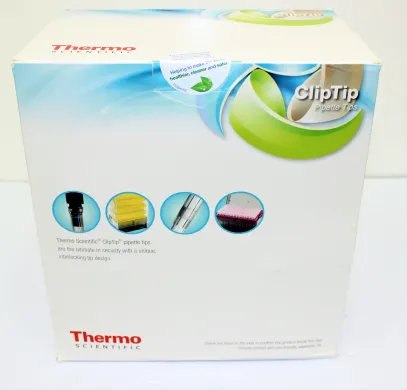
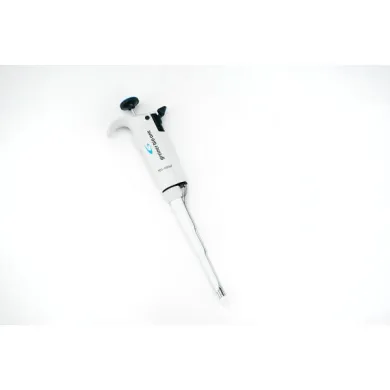
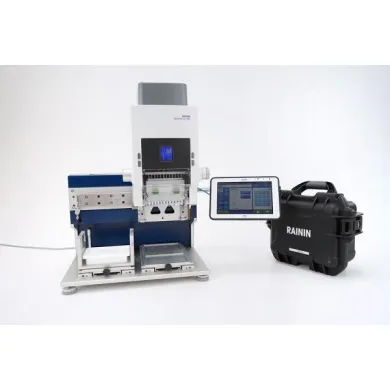
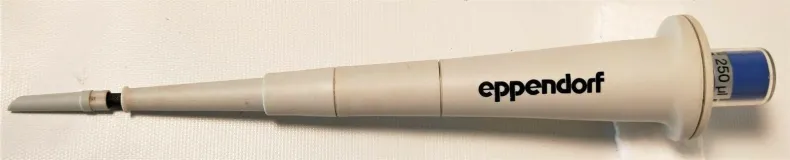
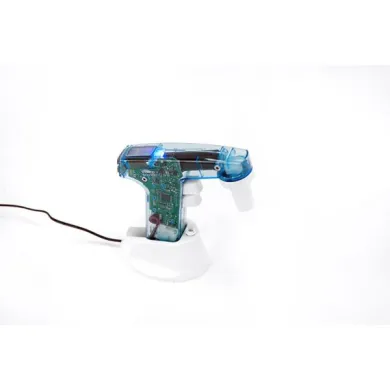
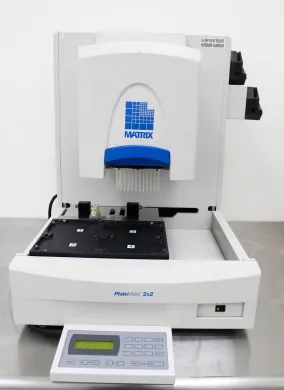
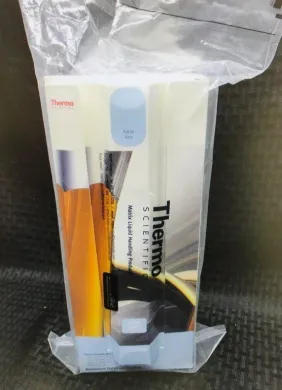
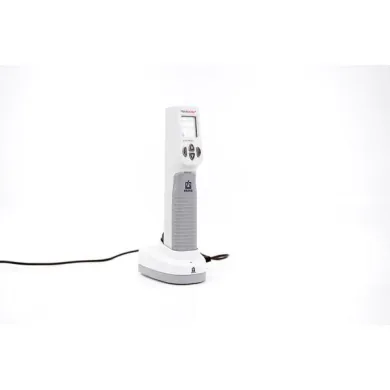
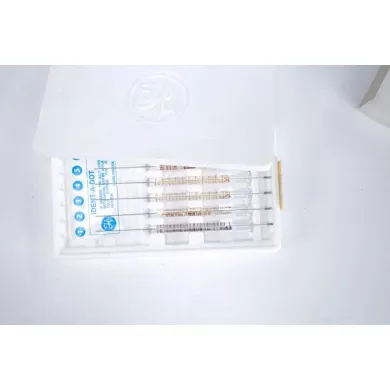
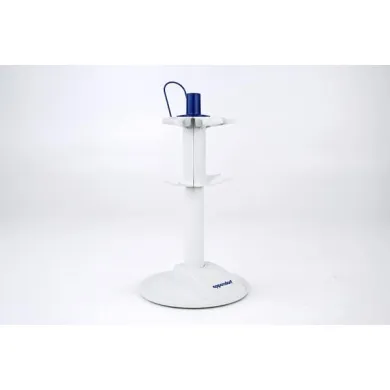
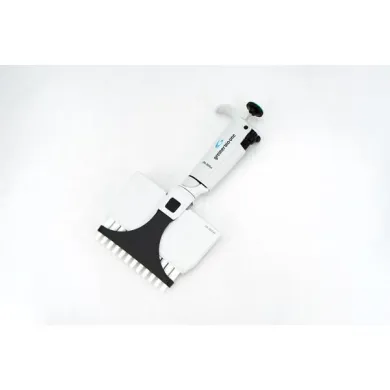
Not the exact instrument you need?
Tell our scientists what you are after. We track it down, including off-market supply.
Showing 1–40 of 1,486 listings
Show 40 more listingsBuying guide
The first thing to settle is fit, because a pipette accessory that does not mate with the instrument on the bench is worth nothing regardless of its price. Tips, seals, and pistons are built to a specific model family, and a tip that seals on a Rainin shank will not seal on an Eppendorf one. So before anything else a buyer confirms the make and model of the pipettes already in service and matches the accessory to it, by part number where one exists. This matters more here than in most equipment categories, where a specification alone settles the purchase; with consumables and spares, compatibility is the specification.
Once fit is established, condition is the next question, and it reads differently for a sealed consumable than for a reusable part. A box of pipette tips is either sterile and unopened or it is not, and a used listing of tips means an opened or partial lot, acceptable for non-critical work but not for sterile or nuclease-free protocols. Reusable parts such as pistons, O-rings and ejector collars wear, so a used piston or seal should be checked for scoring and for whether it still holds the calibrated volume it was built to deliver. Where a listing is sold as a spare kit, verify that the kit is complete, since a missing seal defeats the purpose.
Price covers an unusually wide ground in this category because it holds both single low-cost items and bulk automation consumables. Prices run from EUR 1 to EUR 81.780. That spread reflects the gap between a single secondhand holder and a pallet of filtered tips for an automated liquid handler. What a given accessory costs depends almost entirely on quantity and on whether it is a branded consumable or a generic equivalent, so a buyer working to a fixed budget benefits from deciding up front how much standardisation on one maker is worth. Used and refurbished accessories listed for sale sit below the price of new equivalents, which makes stocking up on wear parts and tips a practical way to keep running costs down. The brands behind the listings, Rainin, Eppendorf, Thermo Scientific, Gilson, Hamilton, each have accessories available here, so comparing a branded part against its alternative is straightforward.
Types of Pipettes Accessories
Which pipette accessory types are listed here?
Among the listings that specify a type, the catalogue sorts into adjustable volume pipette, manual pipette, laboratory pipette, liquid handling device, micropipette, multichannel pipette. These are not accessories in isolation but the instruments and parts that sit around liquid handling. Adjustable volume pipettes and manual pipettes make up the bulk, the everyday single-channel tools whose tips, seals and pistons drive most accessory demand. Micropipettes handle the sub-microliter range used in molecular biology, where small volume errors compound across a reaction. Multichannel pipettes, built for parallel work across 8 or 12 channels, bring their own accessory stream of matched tip racks and channel seals. Liquid handling devices extend into the semi-automated and automated range, where consumable throughput is highest and standardising on one tip format matters most.
The work these tools support runs straight through the life sciences. Micropipettes and multichannel pipettes are the backbone of molecular biology, used for setting up PCR reactions, for electrophoresis sample loading, and across immunoassay and ELISA plate work where every well of a 96-well plate is filled by hand or by a liquid handling device. Pipettes dispensing into cell culture flasks and microplates are routine in cell culture and cell imaging workflows, and accurate low-volume transfer underpins protein purification and nucleic acid preparation in both genomics and proteomics. In molecular diagnostics and in biomanufacturing, filtered tips and sterile consumables are what keep cross-contamination out of a sample. These are also used for reagent formulation and serial dilution during sample preparation, the quiet step that precedes almost every measurement.
The brands behind the pipette listings
The makers that dominate here are Rainin, Eppendorf, Thermo Scientific, Gilson, Hamilton. Their presence shapes what a buyer can actually do. Rainin and Eppendorf hold large installed bases, which means tips, pistons and seals for their common models are easy to find and easy to compare across listings, and a used unit is rarely orphaned for parts. Gilson and Thermo Scientific sit in the same tier of broad availability. Hamilton leans toward the precision and automated end, where accessories are more specialised. Standardising on one of these makers tends to lower the running cost of replacement parts, since a single tip format covers a whole bench.
What a used pipette accessory costs here
The condition split is pronounced: 97 percent of the listings are used, which is unusual even for a secondhand marketplace and reflects how many pipettes and consumable lots change hands pre-owned. Prices run from EUR 1 to EUR 81.780. The low end covers single holders, racks and small consumable items; the high end covers bulk automation consumables and complete liquid handling instruments. Used and refurbished stock is listed below new, which is the main reason to buy here rather than new.
Frequently asked questions
What is a pipette accessory?
A pipette accessory is any consumable or supporting component that keeps manual or automated liquid handling running, including pipette tips, tip racks, replacement pistons, seals, filters, and the charging stands and holders that pair with electronic and multichannel units. These are the parts a laboratory replaces far more often than the pipettes themselves.
What does 'pipette accessories' mean?
The term covers both the throwaway consumables used with a pipette, such as tips and filters, and the reusable spare parts that make up the instrument, such as pistons, O-rings and ejector collars. It also includes holders, racks and stands that organise or charge the pipettes on the bench.
How do pipette accessories work?
Consumables like tips attach to the pipette shank and form the disposable contact surface for a sample, while internal parts such as pistons and seals create and hold the pressure that draws and dispenses a measured volume. Each part is built to a specific model family, so the accessory only works when it matches the instrument it mates with.
What types are listed in this category?
Among listings that specify a type, the catalogue sorts into adjustable volume pipettes, manual pipettes, laboratory pipettes, liquid handling devices, micropipettes and multichannel pipettes. These are the instruments and the parts that sit around liquid handling rather than accessories in isolation.
What are pipette accessories used for?
They support liquid handling across the life sciences, from setting up PCR reactions and loading electrophoresis gels to filling 96-well plates for immunoassay and ELISA work. Accurate low-volume transfer also underpins reagent formulation, serial dilution, cell culture and nucleic acid preparation.
How do I choose the right pipette accessory?
Start with fit, because a tip, seal or piston is built to one specific model family and will not seal on another maker's shank, so confirm the make and model of the pipette already in service and match by part number where one exists. Only after fit is settled does condition and price come into play.
What is the difference between refurbished and used accessories?
A used listing is sold as-is, which for a box of tips means an opened or partial lot and for a reusable part means expected wear that should be checked. Refurbished stock has been reconditioned before resale; both are listed below the price of new equivalents.
How much do pipette accessories cost?
Prices across the catalogue range from EUR 1 to EUR 81.780, with an average around EUR 2.579. The low end covers single holders, racks and small consumable items, while the high end covers bulk automation consumables and complete liquid handling instruments.
Which brands make the pipette accessories here?
The makers that appear across these listings are Rainin, Eppendorf, Thermo Scientific, Gilson and Hamilton. Rainin and Eppendorf hold large installed bases, so tips, pistons and seals for their common models are easy to compare across listings, while Hamilton leans toward the precision and automated end where accessories are more specialised.
Is there a warranty on refurbished accessories?
A warranty is often possible and is arranged in consultation for the specific listing. Because terms are set per listing rather than centrally, check the individual item for what applies.
Can I get replacement parts for these pipettes?
Parts such as pistons, O-rings, ejector collars and seals can be sourced via Questpair. Availability is broadest for Rainin, Eppendorf, Gilson and Thermo Scientific models, which carry large installed bases, so a used unit from one of these makers is rarely orphaned for spares.
How long do pipette accessories last?
Consumables like tips are single-use, while reusable parts such as pistons and seals wear over time and eventually stop holding the calibrated volume. A used piston or seal should be checked for scoring and tested against the volume it was built to deliver before it goes into service.
Should I buy new or used?
Used and refurbished accessories are listed at lower prices than new, which is the main reason to buy them, and for non-critical work an opened tip lot or a serviceable spare part does the job. For sterile or nuclease-free protocols a sealed, unopened consumable is required, so the choice depends on the work.
Where can I buy pipette accessories?
They are available through the Questpair catalogue, where 3084 listings come from 17 verified suppliers and distributors across 8 countries. Comparing a branded part against its alternative is possible within the same catalogue.
What are the lead time and shipping like?
Lead time and shipping depend on the individual supplier and the item, since listings come from verified suppliers and distributors in 8 countries. Check the specific listing, or contact Questpair where specialists respond within one hour.
How are pipette accessories calibrated and maintained?
Calibration applies to the pipette itself rather than the consumable, and a worn piston or seal is a common reason an instrument drifts out of its calibrated volume, so replacing those parts is part of routine upkeep. Checking a spare kit is complete before fitting it avoids a missing seal defeating the purpose. Questpair does not perform calibration or servicing.
Which types are listed most, and who reaches for each?
Adjustable volume pipettes and manual pipettes make up the bulk, the everyday single-channel tools whose tips, seals and pistons drive most accessory demand. Micropipettes serve the sub-microliter range in molecular biology, multichannel pipettes handle parallel work across 8 or 12 channels, and liquid handling devices cover the semi-automated range where consumable throughput is highest.
Which brands dominate this category and what does that mean for a buyer?
Rainin, Eppendorf, Gilson, Thermo Scientific and Hamilton hold the broadest presence here. For a buyer, standardising on one of these makers tends to lower the running cost of replacement parts, since a single tip format can cover a whole bench and spares are easy to find and compare across listings.
What separates the cheapest accessories from the most expensive?
The bottom of the band is a single secondhand holder, rack or small consumable item, while the top is a pallet of filtered tips for an automated liquid handler or a complete liquid handling instrument. Cost depends almost entirely on quantity and on whether the part is a branded consumable or a generic equivalent.