
Cryogenic Storage & Handling
We personally find you the right new, used and refurbished cryogenic storage & handling instruments & equipment from verified suppliers.
Work at this temperature is unforgiving: a sample held at liquid nitrogen temperature survives for years, but a few degrees of drift undoes a decade of collection. The equipment has to hold its setpoint without interruption, because nothing inside recovers from a thaw. Across the categories that serve this work the catalogue runs to 139038 listings. The demands are specific. A freezer has to stay cold through a power cut, a dewar has to lose nitrogen slowly enough to survive a weekend, and a monitoring system has to catch a failure before the contents warm. The constraint that runs through all of it is time: a lapse that would be trivial at room temperature is terminal here.
Updated:
Cryogenic Storage & Handling product list


Not the exact instrument you need?
Tell our scientists what you are after. We track it down, including off-market supply.
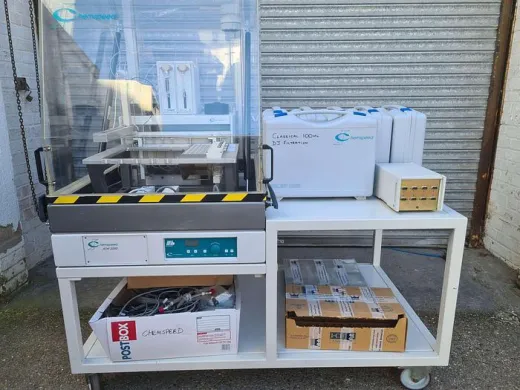
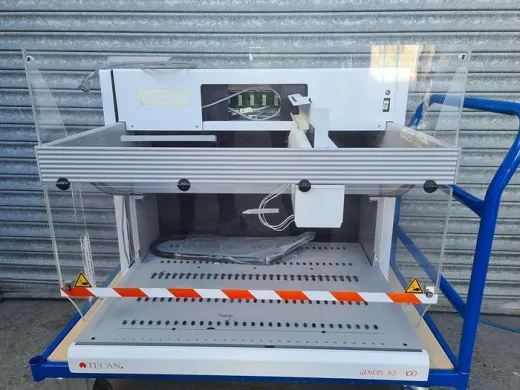
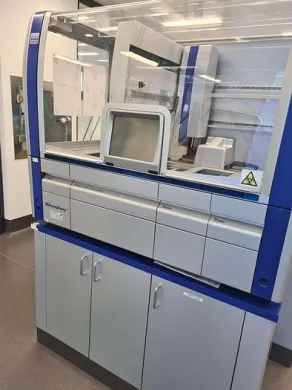
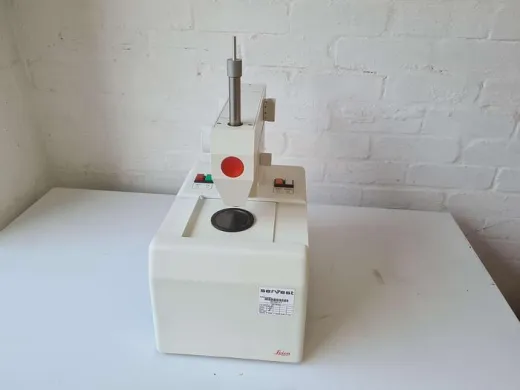
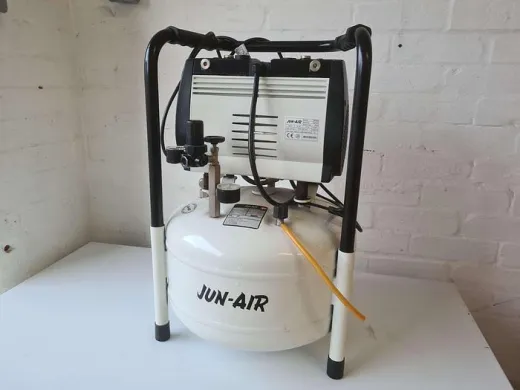
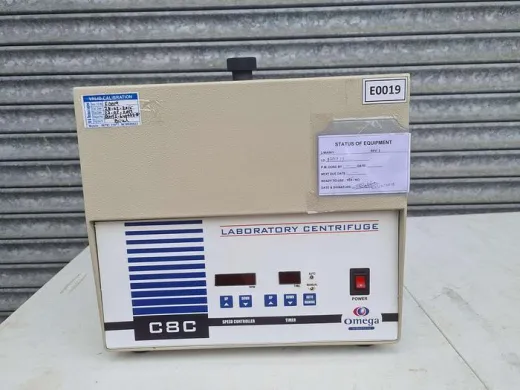
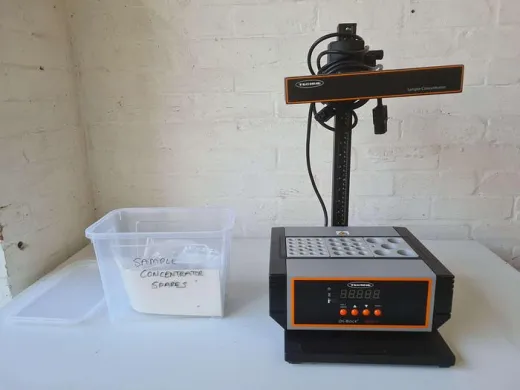
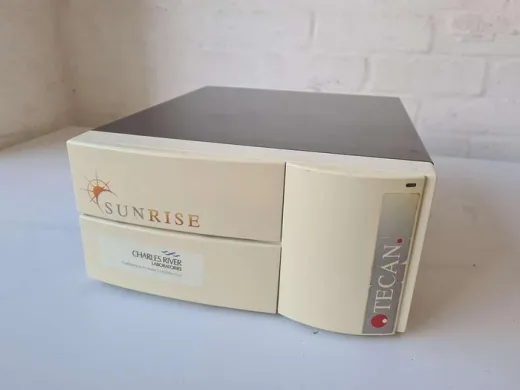
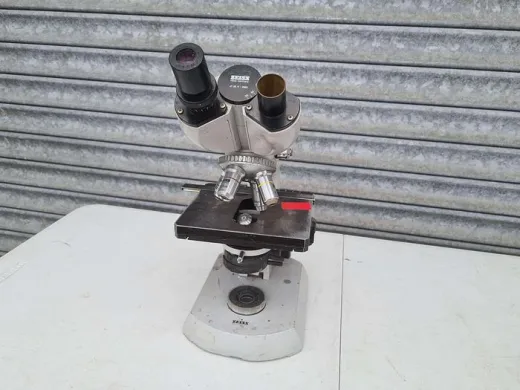
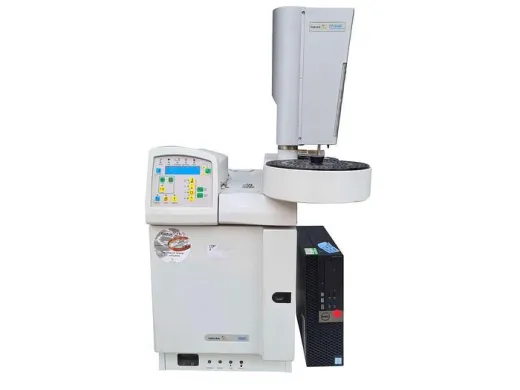
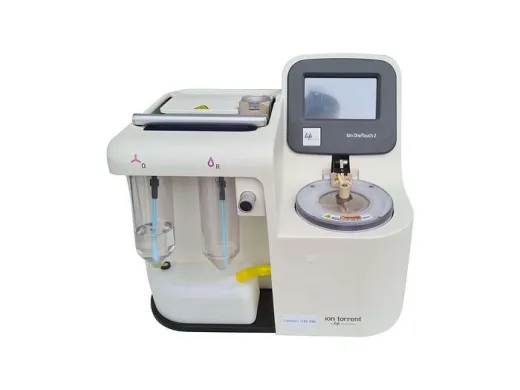
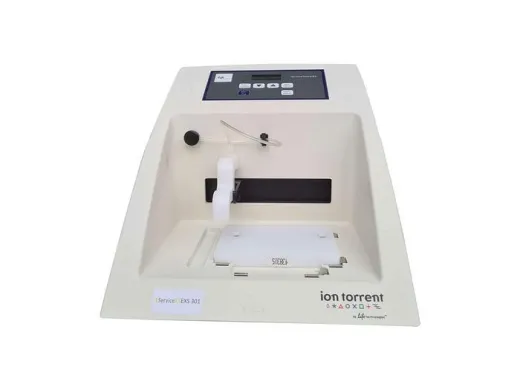
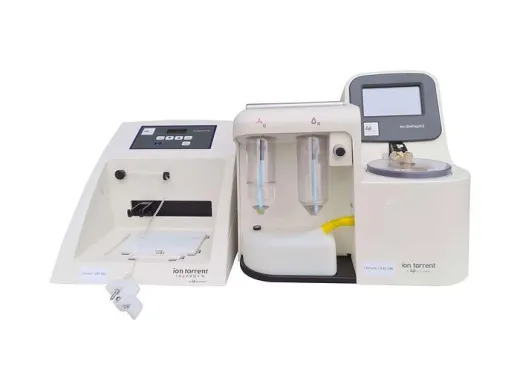
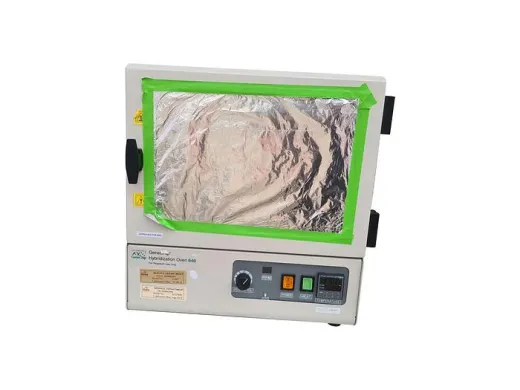
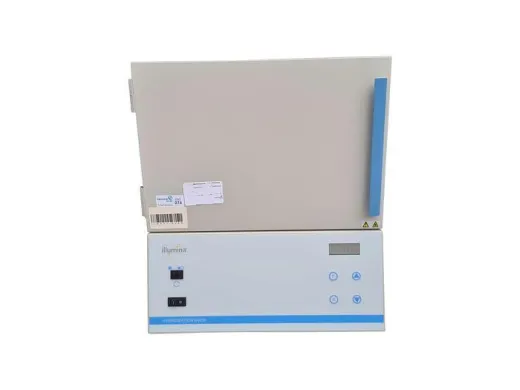
Illumina Boekel 230401 - 21LL Hybridization Oven
- Category
- Furnaces
- Brand
- Illumina
- Suppliers
- 1 verified
Not the exact instrument you need?
Tell our scientists what you are after. We track it down, including off-market supply.
Showing 1–40 of 54,236 listings
Show 40 more listingsBuying guide
Because this spans several categories, the price range is the widest on the site. At the bottom sit the consumables and small handling items, the vials, the gloves, the hand tools, where EUR 0 buys a single piece. At the top sit the large storage vessels and the automated systems built to hold tens of thousands of samples, and EUR 1.601.827 belongs to that end: a complete nitrogen store with filling, monitoring and racking, not a bare freezer. The expensive equipment is the storage itself and the automation around it; the monitoring and the handling gear fall in the middle.
Across the catalogue 91 percent of the listings are used. That share is unusually high for equipment at this temperature, which tells you something about how the second-hand market works here: a mechanical ultra-low unit or a nitrogen vessel holds its function for a long time, and a used one is listed well below a new equivalent. Where a buyer has to weigh new against used, the price difference is the clear one, and a warranty can be arranged in consultation for the specific listing rather than assumed from the condition.
The catalogue carries listings from 212 verified suppliers and distributors across 113 countries, so for most steps of the work there is more than one option to compare. The figure to watch is not the sticker price but the running cost of the route you choose: a nitrogen vessel is cheap to buy and carries an ongoing supply cost, a mechanical freezer reverses that. Reading the two together is what the catalogue is for.
Types of Cryogenic Storage & Handling
Cryogenic storage and handling draws on several equipment types, and they do not sit side by side so much as hand off to each other. The classes that matter are mechanical ultra-low freezers, liquid nitrogen dewars and vapour-phase vessels, the monitoring that watches both, and the cryostats used where a sample has to be held cold and worked on at once. The work runs as a sequence, from the moment material is frozen down to the moment it is retrieved, and each stage constrains the one after it. What follows walks that sequence.
How is material frozen down in the first place?
Nothing goes straight from room temperature to long-term storage. A controlled-rate step brings the sample down at a defined rate, often a degree or two per minute through the critical window, so ice forms the way the protocol wants it to rather than shattering the cell. Get the rate wrong and the contents are compromised before storage ever begins, which is why this step binds the rest: the care taken here decides whether the years in the vessel are worth anything. From the freezing step the material moves to whichever vessel holds it, and the choice there is the next decision.
Mechanical cold against liquid nitrogen
Two storage routes exist and they fail in opposite ways. A mechanical ultra-low unit runs a compressor to hold its setpoint, so it needs power and it generates heat, but it asks nothing of a nitrogen supply. A nitrogen vessel holds temperature with no moving parts and no electricity, but it empties as the liquid boils off and has to be topped up. Which one a lab running this chooses turns on what it can guarantee: reliable power and service access point one way, a dependable nitrogen delivery the other. Where the sample cannot tolerate the exposure, vapour-phase vessels keep material above the liquid rather than immersed in it, trading a little temperature margin for a lower contamination risk.
The two routes also diverge on retrieval. Pulling a rack from a mechanical freezer exposes the whole drawer to the room for as long as the door is open, so the design question is how to find one box fast. A nitrogen vessel exposes far less, but handling frozen material by hand carries its own hazard, and that is where the handling equipment, the gloves, the transfer dewars, the cryo tools, earns its place.
What watches the store when nobody is there?
A failure at this temperature is silent and it happens overnight. Temperature monitoring is therefore not an accessory to the store, it is part of it: a probe inside the space, a logger that keeps the record, and an alarm that reaches someone before the contents warm past the point of no return. The monitoring has to outlast the freezer it watches, which usually means an independent power path, because an alarm that dies with the unit it guards is no alarm at all. This is the clearest case on the page of two steps constraining each other, the store and the thing that watches it have to fail independently or they fail together.
Holding cold and working at once
One strand of this work does not store at all. A cryostat holds a specimen at a controlled low temperature while it is sectioned or examined, so the cold and the handling happen in the same instrument rather than in sequence. This is its own class of work, closer to sample preparation than to archiving, and the equipment reflects that: the demand is on stability and access during the procedure, not on survival over years.
Frequently asked questions
What equipment do I need at minimum to start storing cryogenic samples?
At a minimum you need a way to freeze material down at a controlled rate, a vessel to hold it (either a mechanical ultra-low freezer or a nitrogen dewar), and a monitoring system with its own alarm. Handling items such as gloves, cryo tools and vials complete the basic set, since you cannot retrieve material safely without them.
Which part of a cryogenic setup is the most expensive to set up?
The storage vessel and any automation around it carry the highest cost, with EUR 1.601.827 at the top end representing a complete nitrogen store with filling, monitoring and racking rather than a bare freezer. Monitoring and handling gear fall in the middle, and consumables sit at the bottom where EUR 0 buys a single piece.
What can I buy used and what is better bought new?
Mechanical ultra-low units and nitrogen vessels hold their function over a long service life, so a used one listed below a new equivalent is a reasonable buy, and used makes up 91 percent of the catalogue. Monitoring probes and loggers are worth checking carefully whatever their condition, since the whole point of the system is that it does not fail silently. Where you weigh new against used, the clear difference is price, and a warranty can be arranged in consultation for the specific listing.
What has to match between the freezing step and the storage vessel?
The controlled-rate freezing step decides the state the sample is in before it goes into the vessel, so the protocol rate has to suit the material before storage begins. The vessel then has to hold the setpoint that freezing brought the sample to, and the monitoring has to be matched to that temperature range so its alarm triggers before the contents warm past recovery.
Roughly what does a complete cryogenic setup cost?
The range on this catalogue is wide, from EUR 0 for a single handling item to EUR 1.601.827 for a full nitrogen store with filling, monitoring and racking. A working setup with a freezing step, one storage vessel, monitoring and handling gear sits between those ends, and the running cost of the route you pick matters as much as the purchase price.
Where does cutting the budget early cost you later?
Skimping on monitoring is the costliest cut, because a failure at this temperature is silent and overnight, and an alarm that shares a power path with the freezer it watches dies with it. Spending less on the controlled-rate freezing step also costs you, since a sample compromised during freezing wastes every year it later spends in storage.
Which cryogenic equipment is shared with other kinds of work?
Cryostats sit closer to sample preparation than to archiving, since they hold a specimen cold while it is sectioned or examined rather than storing it for years, so they are used in histology and microscopy work. General handling items such as gloves and cryo tools also carry across any task involving frozen material.
What should I check on used cryogenic equipment before buying?
For a mechanical freezer, check that the compressor holds its setpoint and how it behaves during a power cut; for a nitrogen vessel, check the boil-off rate, meaning how slowly it loses nitrogen over a weekend, since a worn vacuum raises consumption. Confirm whether monitoring probes and loggers are included and functional. If a listing needs parts, these can be sourced via Questpair, and a warranty can be arranged in consultation for that specific listing.
About Questpair
Questpair is the European marketplace for lab equipment, where AI-prepared cases and personal specialists guide every purchase. We work with 247 verified suppliers across 38 countries to find buyers the right new, used or refurbished instruments, with response within 1 hour and significant savings vs buying new.
Personal · Fast · Reliable · Affordable