
Sample Preparation
We personally find you the right new, used and refurbished sample preparation instruments & equipment from verified suppliers.
Sample preparation decides what every downstream measurement actually sees, so the equipment has to leave the analyte intact while removing everything that interferes. A protocol that grinds too hot, spins too slow or concentrates in the wrong solvent corrupts the result before the instrument is switched on, and no analysis recovers from a badly prepared sample. The marketplace carries 34347 listings across this stage of the work, from grinders and homogenisers through centrifuges and evaporators to automated handling. Each step constrains the next: particle size from milling sets how a sample dissolves, and the dissolution choice sets what the concentrator has to remove later. The equipment is chosen for the sequence, not in isolation.
Updated:
Sample Preparation product list
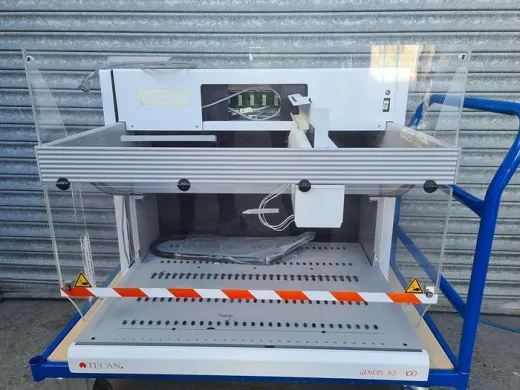
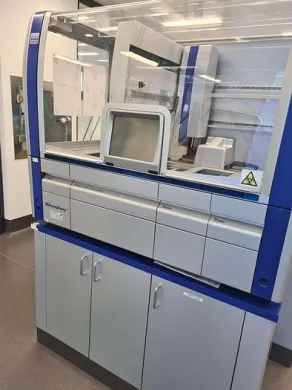


Not the exact instrument you need?
Tell our scientists what you are after. We track it down, including off-market supply.
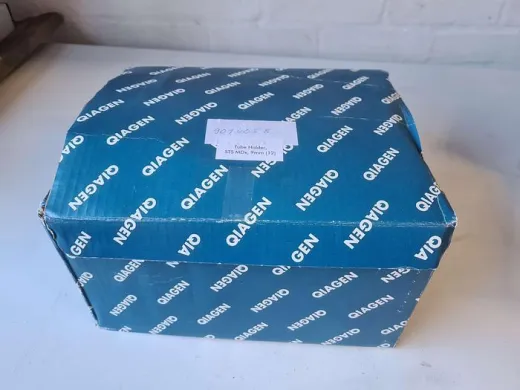
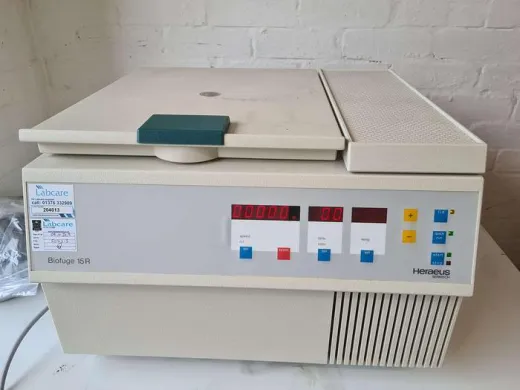
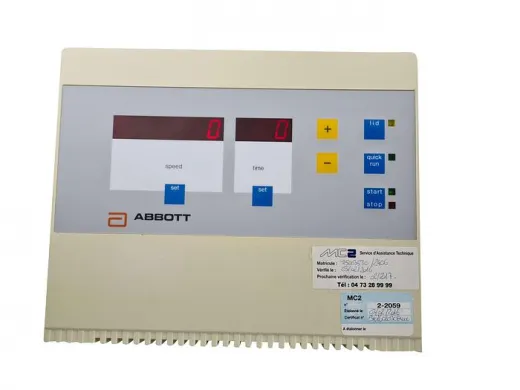
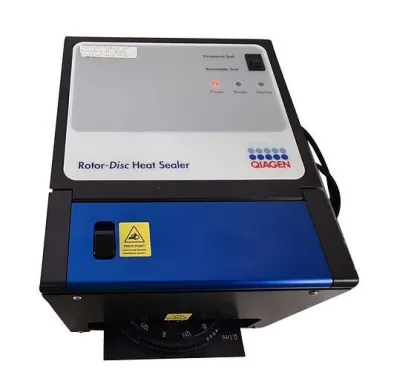
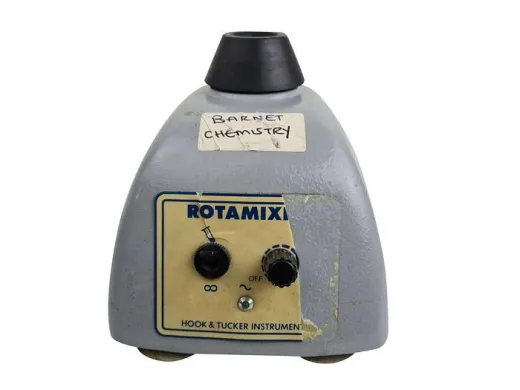
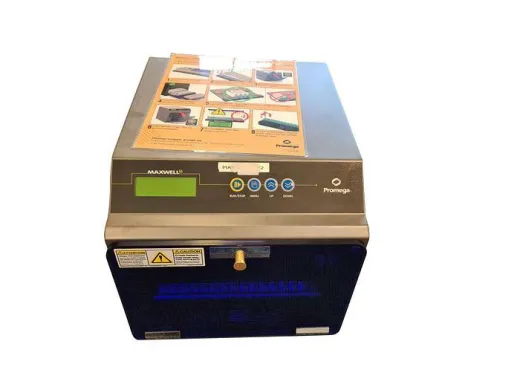
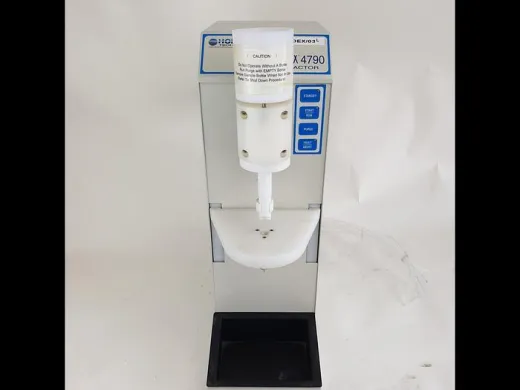
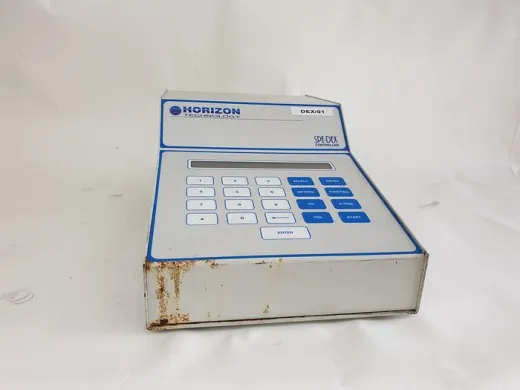
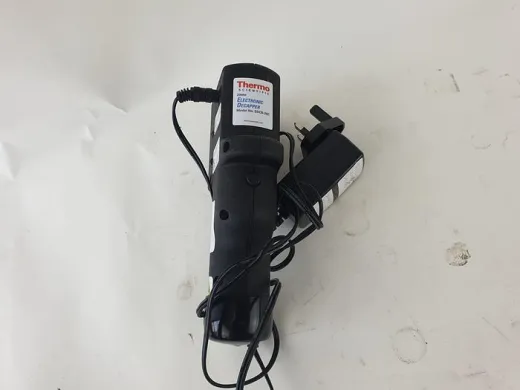
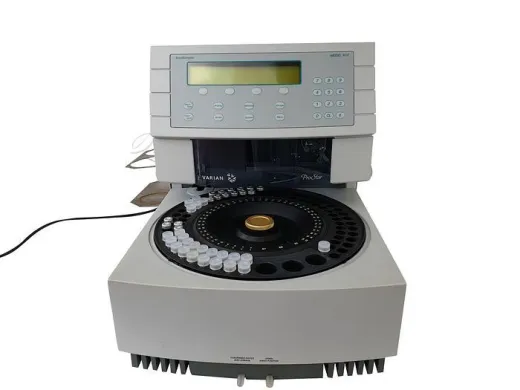
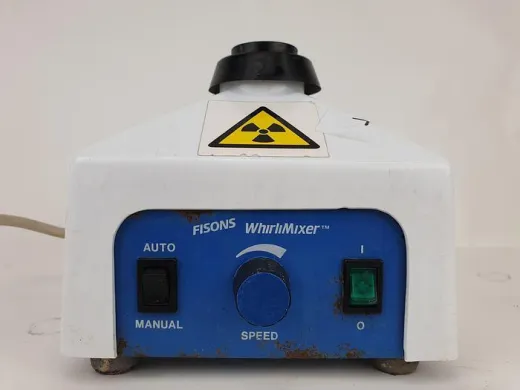
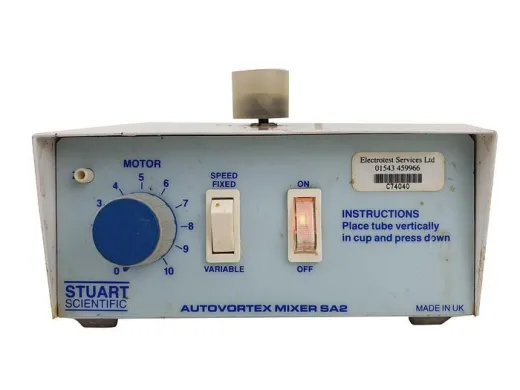
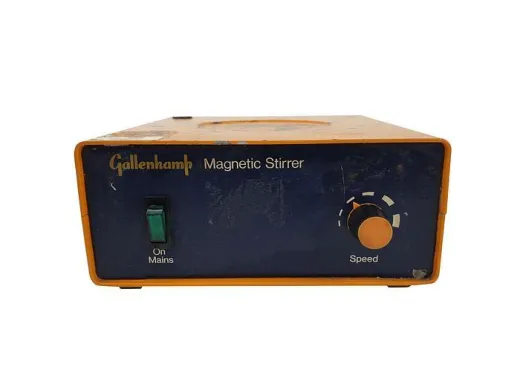
Not the exact instrument you need?
Tell our scientists what you are after. We track it down, including off-market supply.
Showing 1–40 of 12,582 listings
Show 40 more listingsBuying guide
Because this covers the whole preparatory sequence rather than one device, prices span a wider range than any single category page shows. Listings run from EUR 1 to EUR 622.043.
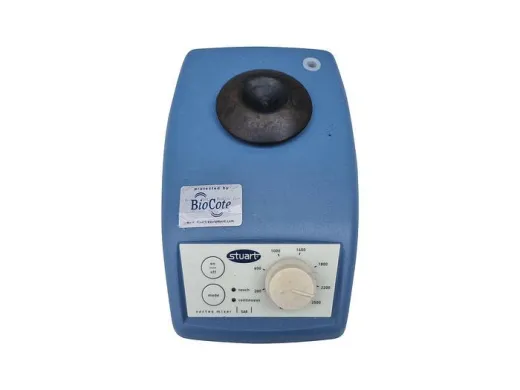
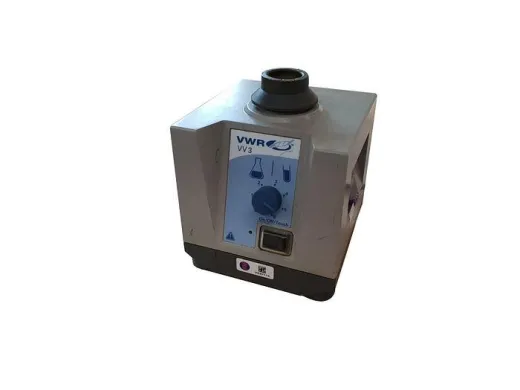
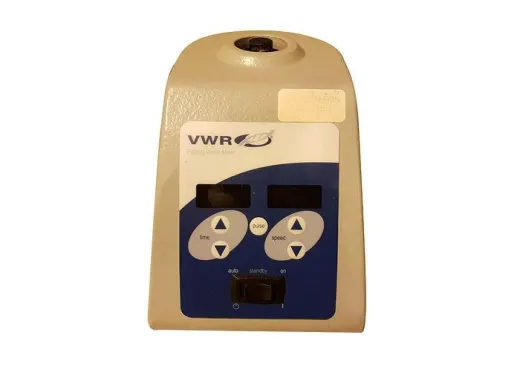
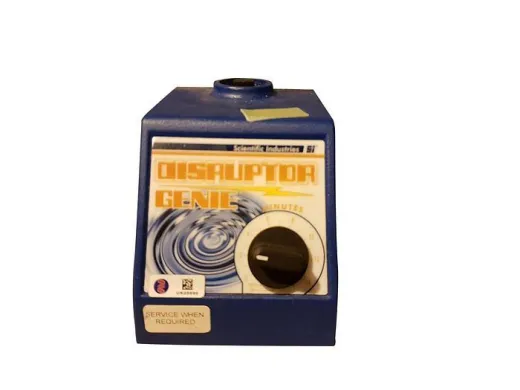
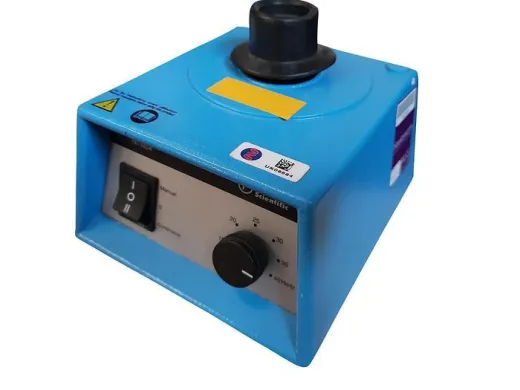
At the low end sit consumables and small ancillaries: vortex mixers, basic shakers, rollers, molecular sieves and the solvents themselves. These belong to the handling and resuspension steps, where a single unit does one simple job and little separates one listing from the next beyond condition. The expensive end is the reduction and automation equipment: industrial evaporators, freeze dryers and lyophilizers, high-capacity automated liquid handling, and the larger process homogenizers. These are the units that preserve a difficult sample or run a stage unattended across many samples, and that is where the budget concentrates.
Condition matters more at the top of the range than the bottom. 93 percent of the listings are used. For a vortex mixer or a shaker that figure carries little risk, since the mechanism is simple and wear shows plainly. For an evaporator, a freeze dryer or an automated handler, a used unit means checking that seals, vacuum performance and control electronics are intact, because those are what fail and what cost most to put right.
Where you are weighing a used unit against new, the price gap is the clear difference: used and refurbished units are listed below new prices. Warranty is not fixed across the catalogue, it is arranged in consultation for the specific listing, so the question to ask of any single unit is what support the seller offers, not what the category offers in general. Parts for older equipment can be sourced via Questpair.
Types of Sample Preparation
Sample preparation runs across several equipment classes: mills and grinders, homogenisers and dispersers, centrifuges and concentrators, and the evaporators and freeze dryers that reduce a sample to a stable form. None of these is a subtype of another. They are consecutive stages of a workflow, and what follows walks that workflow in the order a bench actually does it, naming the equipment each stage draws on and where one stage ties the hands of the next.
Breaking the sample down
Most work starts with a sample that is too coarse, too heterogeneous or too intact to measure. Solid material goes through a mill or grinder to reach a uniform particle size, and that size is not a detail: it governs how completely the sample dissolves or digests afterward. Grind too coarse and the analyte stays locked in; grind too fine and you risk heating the sample or losing volatiles. Tissue, cells and emulsions need a homogeniser or disperser instead, where mechanical shear breaks structure without the frictional heat a dry mill generates. For hard or digestion-resistant matrices, a microwave digester or block digester breaks the sample chemically under heat and pressure before anything else can touch it.
The catalogue carries mills, grinders, food grinders, homogenisers, dispersers, emulsifiers, block digesters and microwave digesters for this stage. Which one fits depends less on the sample name than on how robust the analyte is: a thermolabile compound rules out a method that heats, and a trace analyte rules out a method that introduces contamination from the vessel.
How does the sample get cleaned up?
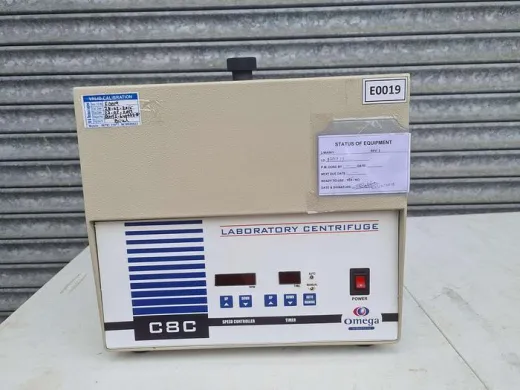
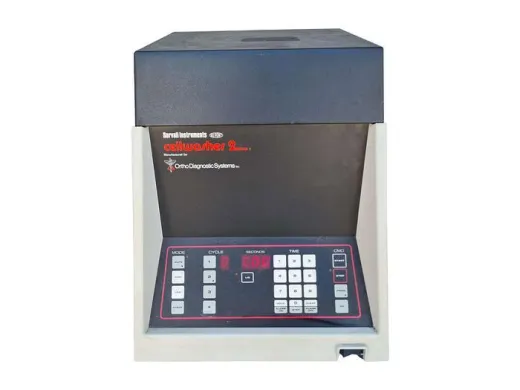
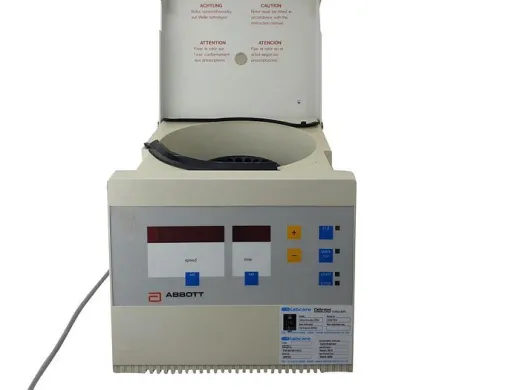
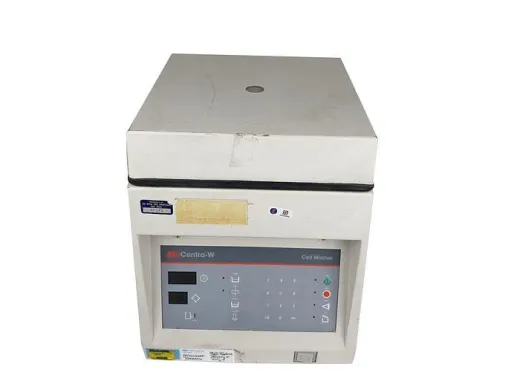
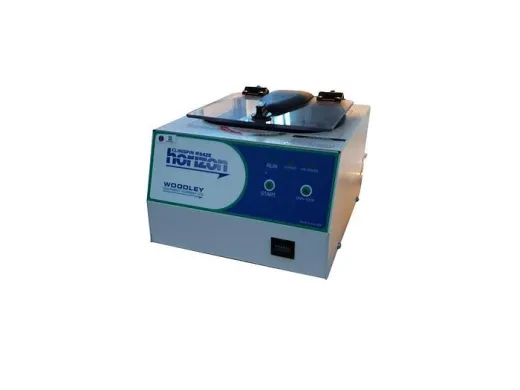
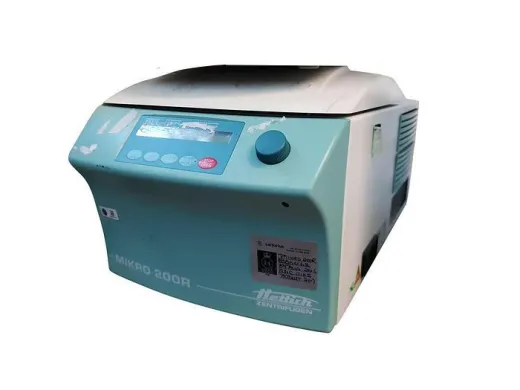
Once broken down, a sample almost always contains more than the target. Centrifugation separates by density, pulling cells, debris or precipitate out of a suspension so the supernatant can go forward. A benchtop centrifuge handles routine clarification; higher-speed units reach the forces needed to pellet fine particles or separate phases that a slow spin leaves mixed. Vortex mixers, shakers, rockers and rollers sit around this step, resuspending pellets and keeping extractions in contact. Solvent extraction and solvent purification equipment isolate the analyte into a defined phase, and the solvent chosen here binds what the next stage can remove: a high-boiling solvent is cheap to extract into and expensive to drive off later.
Reducing and preserving
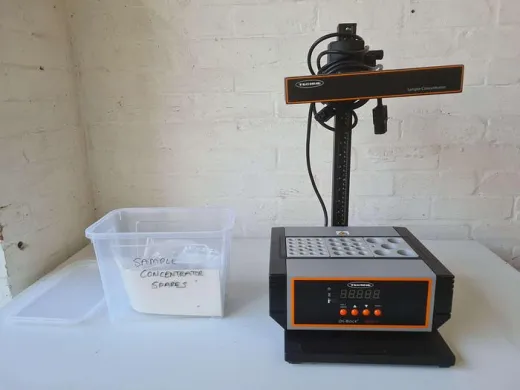
The final stage brings a sample to a form stable enough to store or concentrated enough to measure. Rotary evaporators and industrial evaporators remove solvent under reduced pressure, keeping temperatures low enough to protect the analyte. Concentrators do the same at smaller scale across many samples at once. Where the material will not survive heat at all, freeze dryers and lyophilizers remove water by sublimation from the frozen state, leaving a dry product that reconstitutes later. Molecular sieves and process screens or sieves tidy the result, drying solvents or sizing the final particle. This stage inherits every earlier choice: a sample extracted into the wrong solvent arrives here needing a longer, hotter reduction that the analyte may not withstand.
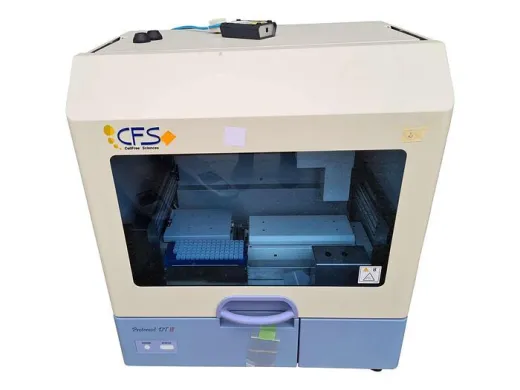
Across all three stages the marketplace lists stirrers, mixers, overhead stirrers, automated liquid handling and the ancillary equipment that connects them. Among the listings that specify a type, centrifugation equipment and evaporators are the most heavily represented.
Frequently asked questions
What is the minimum equipment I need to start sample preparation?
At a minimum you need one device for each of the three stages: something to break the sample down (a mill, grinder or homogeniser depending on the matrix), a centrifuge to clarify or separate, and an evaporator or concentrator to reduce it to a measurable or storable form. Vortex mixers and shakers sit alongside these for resuspension and keeping extractions in contact, and they cost little compared to the three core steps.
Which step is the most expensive to set up?
The reduction and preservation stage carries the highest cost, since industrial evaporators, freeze dryers and lyophilizers are built to protect difficult samples and run unattended. High-capacity automated liquid handling and larger process homogenizers sit in the same price band, which is where the bulk of a budget concentrates.
What can I buy used and what is better bought new?
Simple ancillaries like vortex mixers, shakers, rollers and molecular sieves carry little risk used, because the mechanism is basic and wear is visible. For evaporators, freeze dryers and automated handlers the condition of seals, vacuum performance and control electronics matters, so a used unit here needs closer inspection even though the price difference against new can be substantial.
What has to match between the steps?
Particle size from milling sets how completely the sample dissolves or digests, and the solvent chosen in extraction sets what the evaporator or concentrator then has to remove. A high-boiling solvent, for example, is cheap to extract into but needs a longer, hotter reduction, so the reduction equipment has to be rated for the solvent the earlier stage commits you to.
Roughly what does a complete setup cost?
Because sample preparation spans the whole sequence rather than one device, listings run from EUR 1 to EUR 622.043. A complete bench pulls one unit from each stage, so the total depends mostly on whether the reduction step needs a basic concentrator or a freeze dryer, which is where the spread is widest.
Where does cutting the budget cost you later?
Saving on the reduction stage is where it shows: an underpowered evaporator forces longer, hotter runs that a thermolabile analyte may not survive, and a slow centrifuge leaves fine particles or mixed phases that corrupt the result. Cutting on a vortex mixer or shaker costs little, because the job is simple and a failure is obvious.
Which equipment is shared with other lab work?
Stirrers, mixers, overhead stirrers, vortex mixers, shakers, rockers and rollers are general handling equipment that any wet-chemistry bench uses, not only sample preparation. Centrifuges are also shared across clarification tasks elsewhere, so a single unit often covers more than one line of work.
What should I check on used equipment for sample preparation?
On the high-value units check seals, vacuum performance and control electronics, since those are what fail and what cost most to put right on evaporators, freeze dryers and automated handlers. On simple ancillaries, visible wear and a working motor tell you most of what you need. Parts for older equipment can be sourced via Questpair, and warranty on any given unit is arranged in consultation for that listing.
About Questpair
Questpair is the European marketplace for lab equipment, where AI-prepared cases and personal specialists guide every purchase. We work with 247 verified suppliers across 38 countries to find buyers the right new, used or refurbished instruments, with response within 1 hour and significant savings vs buying new.
Personal · Fast · Reliable · Affordable