

Benchtop centrifuges
We personally find you the right used, refurbished and new benchtop centrifuges instruments & equipment from verified suppliers.
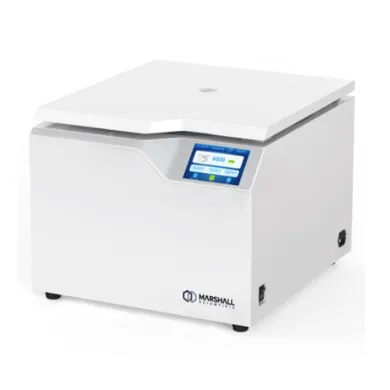
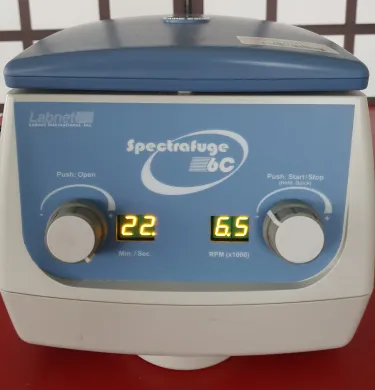
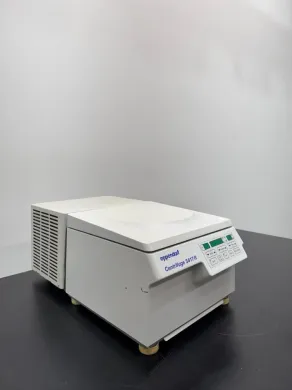
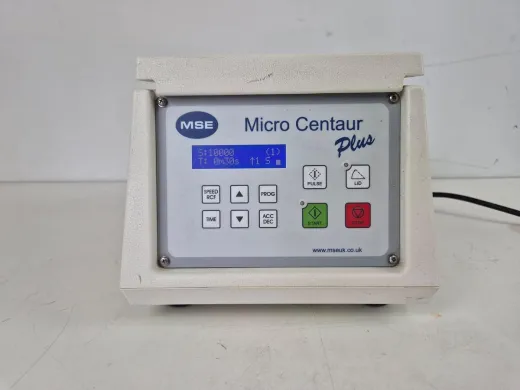
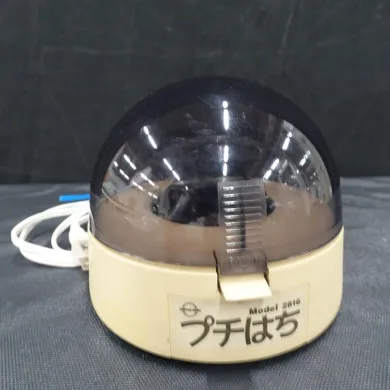
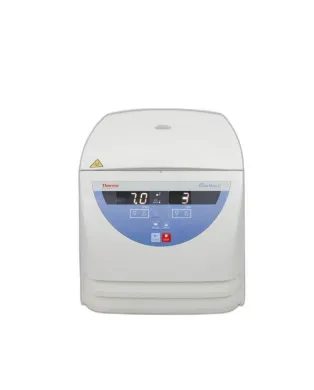
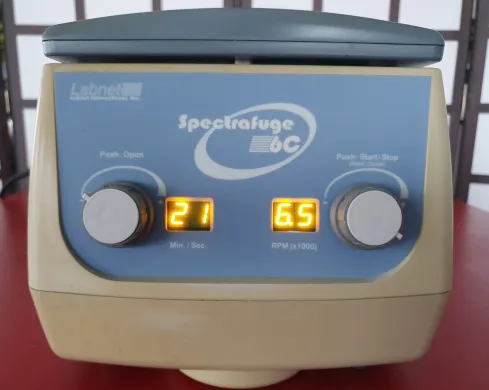
Benchtop centrifuges are laboratory centrifuges built to sit on a workbench, spinning samples in tubes or plates to separate components by density under centrifugal force. They handle the routine separation work of a lab, pelleting cells, clarifying lysates and settling precipitates, in a footprint that fits beside other equipment rather than on the floor. The Questpair catalogue holds 212 of them from 11 verified suppliers and distributors across 6 countries. New, used and refurbished units are all listed. Of the current listings, 99 percent are used. Prices run from EUR 43 to EUR 6.457, so the range covers small personal units through to high-capacity floor-adjacent models.
Updated:
Benchtop centrifuges product list
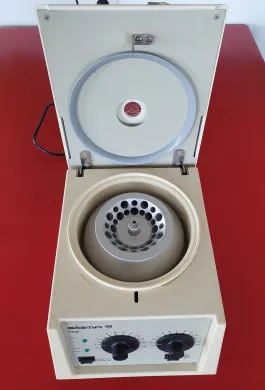
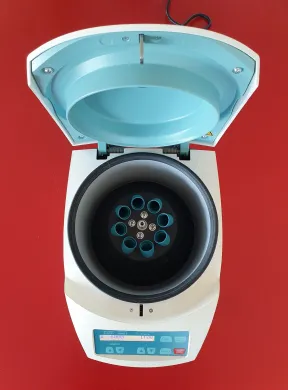
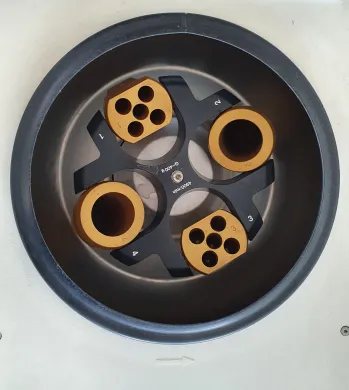
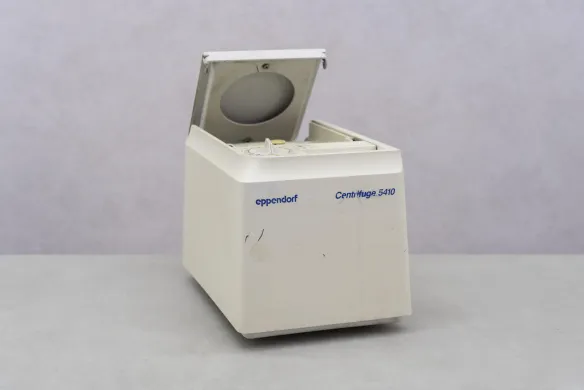


Not the exact instrument you need?
Tell our scientists what you are after. We track it down, including off-market supply.
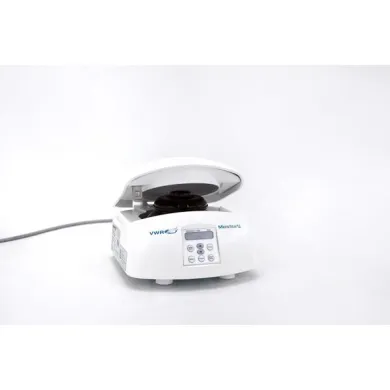
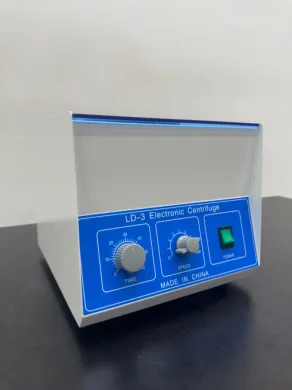
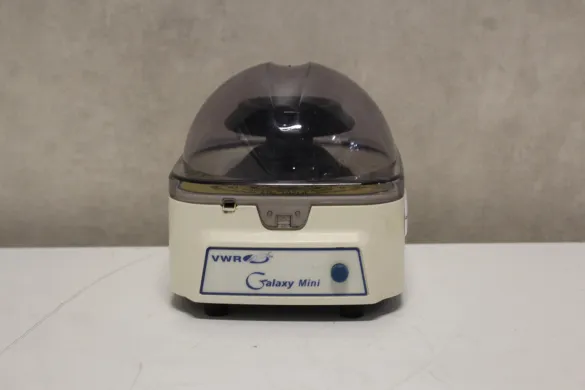
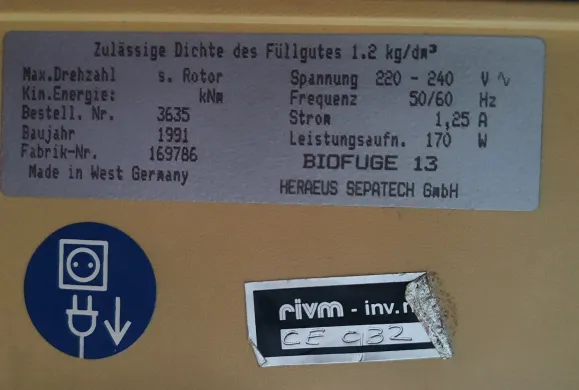
Not the exact instrument you need?
Tell our scientists what you are after. We track it down, including off-market supply.
Showing 1–40 of 99 listings
Show 40 more listingsBuying guide
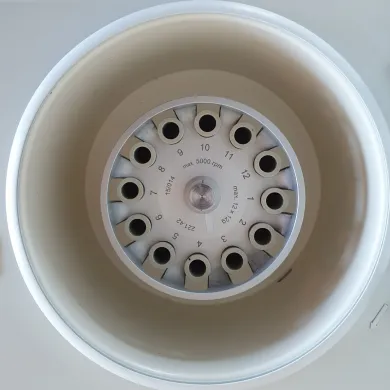
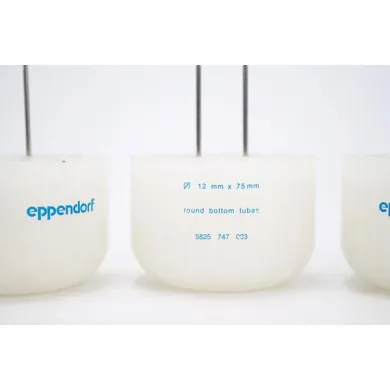
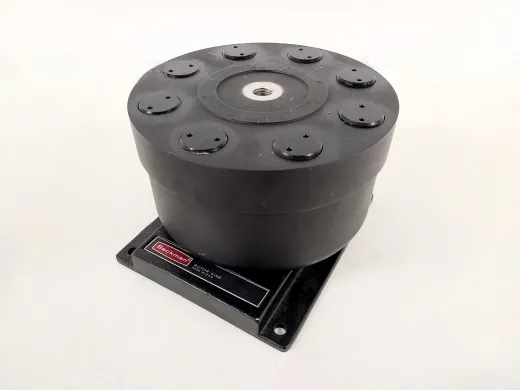
What settles a benchtop centrifuge purchase is the rotor, and everything else follows from it. A rotor fixes the maximum speed, the tube format and the capacity, and no instrument specification matters until you know which rotor the unit carries and whether the rotors you need are available for it. A fixed-angle rotor reaches higher relative centrifugal force and suits pelleting; a swing-out rotor keeps the sample surface flat and suits density gradients and plate work. Match the rotor to the tube you actually run, whether that is a microcentrifuge tube, a 15 or 50 millilitre conical, or a microplate, and confirm the maximum RCF at the radius of that position rather than the headline figure printed on the lid.
On a used unit the rotor history carries more weight than any datasheet number. Rotors fatigue with use, and a cracked or corroded rotor is the one failure that turns a routine spin into a hazard, so the service log and the rotor's age are what to verify first. Ask whether the drive has been serviced, whether the lid interlock and imbalance detection still function, and whether the unit holds its set speed and, where fitted, its set temperature. A refrigerated model adds a compressor that a reader should hear run and reach temperature before committing. Verification of these points sits with the individual listing and the supplier, and warranty is arranged in consultation for that specific listing.
The price band on the Questpair catalogue runs from EUR 43 to EUR 6.457, with an average around EUR 882. That spread separates compact non-refrigerated benchtop units at the lower end from refrigerated, high-speed and high-capacity instruments at the top, and a buyer working to a budget can place a model within it before narrowing by brand. The names behind these listings, Eppendorf, VWR, Corning, Sigma, Thermo Scientific, set what fits that budget: parts and rotors for the common models are easier to source, and comparing two units of the same make is more straightforward than pricing an orphan. Used and refurbished centrifuges listed for sale are more affordable than new, which is why 99 percent of what is listed here is used. Weighing a used unit against a new one comes down to the individual listing and the warranty agreed on it, not to any blanket rule.
Types of Benchtop centrifuges
Which centrifuge types are listed under benchtop models?
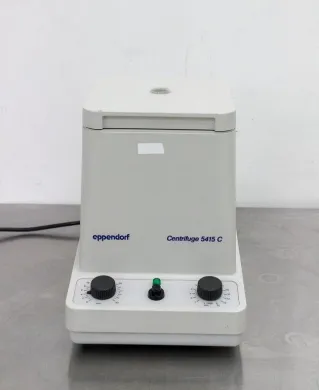
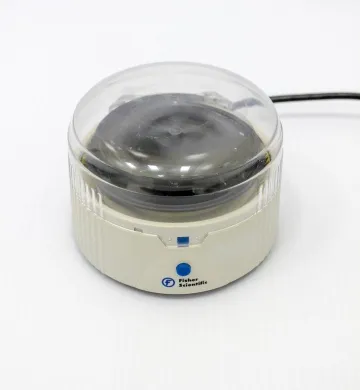
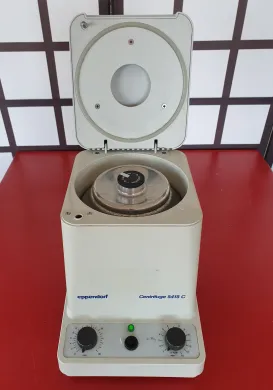
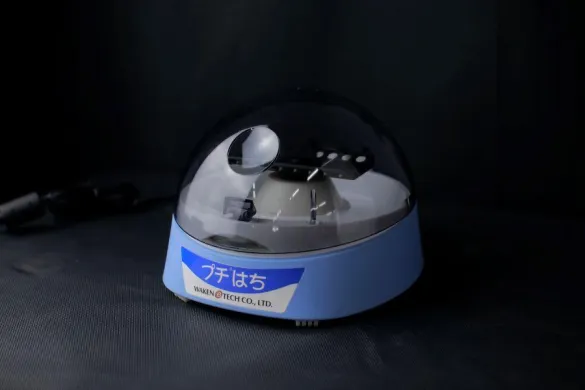
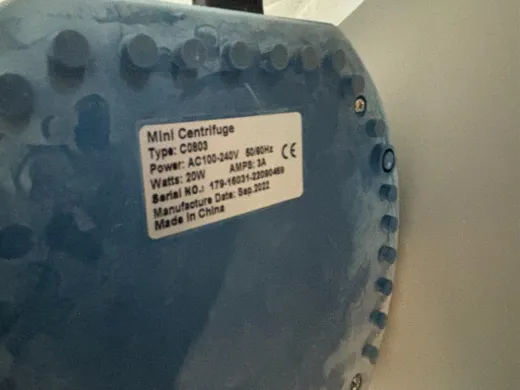
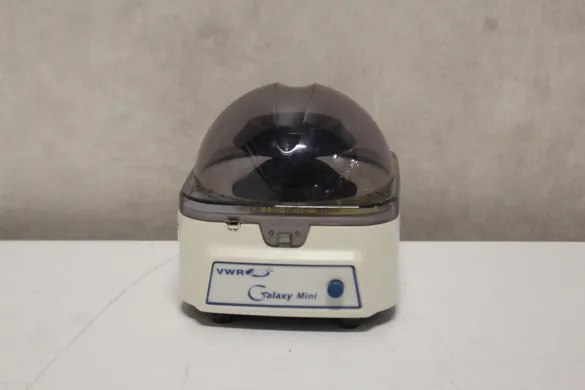
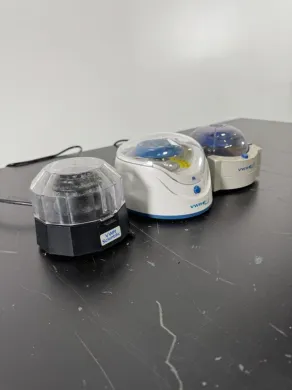
Among the listings that specify a type, the catalogue separates into a handful of recognisable classes. The general benchtop centrifuge is the workhorse, a mains-powered unit with interchangeable rotors that spins a mixed load of conical and plate formats for routine clarification and pelleting. A laboratory centrifuge covers the broader multi-purpose instruments, often refrigerated, that a shared lab runs across many protocols. Microcentrifuges and benchtop microcentrifuges are smaller, faster units dedicated to 1.5 and 2 millilitre tubes, the standard tool of molecular biology benches where fast spins of small volumes dominate. A mini centrifuge is the compact, low-speed version for quick spin-downs and short collections, and a high-speed centrifuge pushes relative centrifugal force higher for harder-to-pellet material. What separates them in practice is tube format and attainable RCF, so a buyer reaches for the microcentrifuge when the work is in small tubes and for the high-speed or refrigerated class when the sample resists settling.
The work these instruments do sits at the centre of molecular biology and the life sciences. Microcentrifuges run the spin steps of a plasmid prep and the washes of a nucleic acid extraction, which makes benchtop centrifugation part of everyday genomics and proteomics sample preparation. Refrigerated benchtop units support cell culture and cell biology work by pelleting cells without heating them, and they also serve protein purification where a cold spin clears a lysate before chromatography. These systems are also used for microbiology, settling cultures and harvesting bacterial pellets. The centrifuge for cell culture and the refrigerated microcentrifuge for RNA work are among the most searched configurations because each matches a whole protocol rather than a single step.
The brands behind the benchtop centrifuge listings
The makers with the most presence here are Eppendorf, VWR, Corning, Sigma, Thermo Scientific. For a buyer, that concentration is useful: these are the units for which rotors, buckets and service parts circulate most readily, and parts can be sourced via Questpair when a listing needs them. Models from the same maker are easier to line up against each other on speed, capacity and rotor compatibility than a one-off from an unfamiliar brand, which shortens the comparison a purchase actually requires.
What a used benchtop centrifuge costs here
Condition and price track closely on this page. Of the listings, 99 percent are used, and prices span EUR 43 to EUR 6.457 around an average near EUR 882. That range reflects the real spread between a small non-refrigerated unit and a refrigerated high-capacity instrument with multiple rotors, so the figure tells a buyer where a target model should land before brand and rotor narrow the choice further.
Frequently asked questions
What is a benchtop centrifuge?
A benchtop centrifuge is a compact laboratory instrument that sits on a workbench and separates the components of a sample by spinning it at speed, so denser material collects at the bottom of the tube. It handles routine work across clinical, biological and chemical laboratories, from pelleting cells to clarifying extracts.
What does benchtop centrifuge mean?
The term refers to the size and placement rather than a single design: a centrifuge small enough to run on a bench instead of a floor-standing unit. The label covers a range of capacities and speeds, from mini spin-downs to high-speed separations.
How do benchtop centrifuges work?
A motor spins a rotor holding the sample tubes, generating a relative centrifugal force that pushes denser particles outward and downward against the tube. The speed and rotor geometry determine how finely the sample separates, with molecular work needing far higher forces than a simple spin-down.
What types of benchtop centrifuge are there?
The catalogue covers general benchtop centrifuges, laboratory centrifuges, microcentrifuges, benchtop microcentrifuges, mini centrifuges and high-speed centrifuges. They differ mainly in tube format, capacity and the maximum force they reach.
What is a benchtop centrifuge used for?
It separates sample components for tasks such as pelleting cells, clarifying extracts, DNA and RNA preparation, plasmid isolation and spin-column work in protein purification. The specific application depends on the tube format and the force the unit can deliver.
How do I choose a benchtop centrifuge?
The decision usually comes down to maximum relative centrifugal force against the tube format you run. A microcentrifuge suits 1.5 and 2 ml tubes at high speed, a general benchtop unit covers routine separations with swing-out or fixed-angle rotors, and a high-speed model reaches the forces needed to pellet subcellular fractions.
What is the difference between refurbished and used?
A used unit is sold in its existing condition, while a refurbished unit has been reconditioned before resale. Both are listed below the price of new on this catalogue, and the exact scope of any refurbishment is stated in the individual listing.
How much does a benchtop centrifuge cost?
Prices in the catalogue run from EUR 43 to EUR 6.457, with an average around EUR 882. That spread covers everything from a basic mini or microcentrifuge to a high-speed instrument supplied with rotor and accessories.
Which brands make benchtop centrifuges?
The names that appear most often here are Eppendorf, VWR, Corning, Sigma and Thermo Scientific. A model from a widely sold line is easier to compare across several listings and tends to have more readily available rotors and parts.
Is a warranty available on a refurbished unit?
A warranty is often possible and is arranged in consultation for the specific listing. Check the listing itself for the terms that apply to that unit.
Can I get parts for a benchtop centrifuge?
Parts can be sourced via Questpair. Rotors and spares for widely sold lines are generally easier to find because supply for those models is deeper.
How long does a benchtop centrifuge last?
A well-maintained benchtop centrifuge typically runs for many years, with the rotor, motor and bearings being the components that wear over time. Lifespan depends on usage intensity, the speeds run and how consistently the unit is serviced.
Should I buy new or refurbished?
Used and refurbished units are listed at lower prices than new, which is the firm comparison this catalogue supports. Where you need to weigh the two, check the individual listing and note that warranty is arranged in consultation rather than set centrally.
Where can I buy a benchtop centrifuge?
The Questpair catalogue holds 212 benchtop centrifuge listings from 11 verified suppliers and distributors across 6 countries. New, used and refurbished units all appear.
What are the lead time and shipping like?
Lead time and shipping depend on the individual supplier and the unit's location, since listings come from verified suppliers and distributors across 6 countries. The specifics are confirmed with the supplier for the listing you choose.
How are benchtop centrifuges calibrated and maintained?
Routine maintenance covers rotor inspection, cleaning, checking the lid latch and verifying speed, with periodic calibration of the speed and timer. Questpair does not carry out servicing, but parts for upkeep can be sourced through it.
Which benchtop centrifuge types are listed most, and who uses which?
General benchtop and laboratory centrifuges cover routine clinical and sample-preparation work at low to mid thousand g. Microcentrifuges and benchtop microcentrifuges serve molecular biology at high speed with small tubes, mini centrifuges handle quick spin-downs and condensate collection, and high-speed units pellet subcellular fractions in cell culture and microbiology.
Which brands dominate this category, and what does that mean for a buyer?
Eppendorf, VWR, Corning, Sigma and Thermo Scientific are the names that recur across the listings. A model that appears often is easier to compare across sellers, and rotors and spares for a widely sold line are more readily found, which is also where the keenest used pricing tends to sit.
What separates the cheapest units from the most expensive?
The bottom of the band is typically a mini or microcentrifuge with limited capacity and lower force, while the top is a high-speed instrument supplied with rotor and accessories. Prices across the catalogue run from EUR 43 to EUR 6.457, and condition, capacity and included rotors all move a unit along that range.