

Microcentrifuges
We personally find you the right used, refurbished and new microcentrifuges instruments & equipment from verified suppliers.
Microcentrifuges are compact laboratory centrifuges that spin small-volume tubes, typically 0.2 to 2.0 milliliter, at high rotational speeds to separate liquids by density. They sit on a bench and run samples such as pelleted cells, nucleic acid precipitates and filtered spin columns. Among the current listings, 91 percent are used, and the catalogue holds new, used and refurbished units from 14 suppliers across 8 countries. A microcentrifuge differs from a larger laboratory centrifuge mainly in rotor size and footprint rather than principle. Across 136 listings, prices run from EUR 43 to EUR 4.730. The equipment underpins routine molecular biology and sample preparation work.
Updated:
Microcentrifuges product list
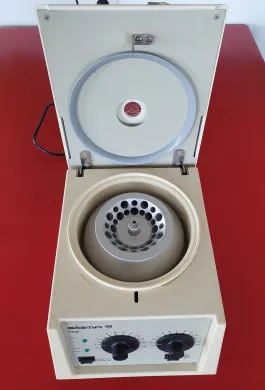
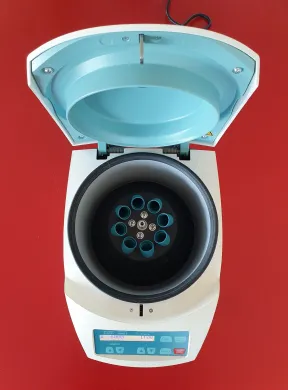
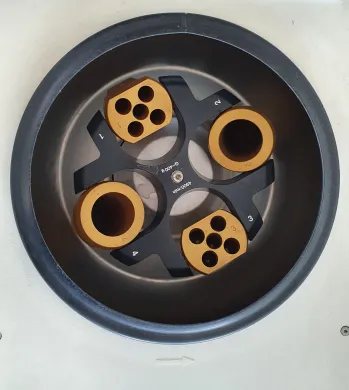
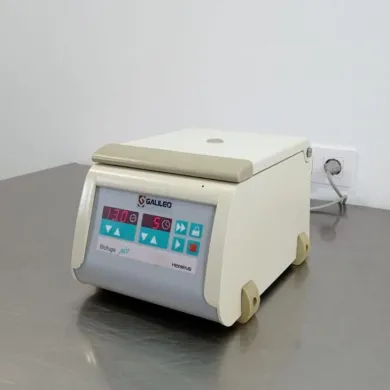


Not the exact instrument you need?
Tell our scientists what you are after. We track it down, including off-market supply.
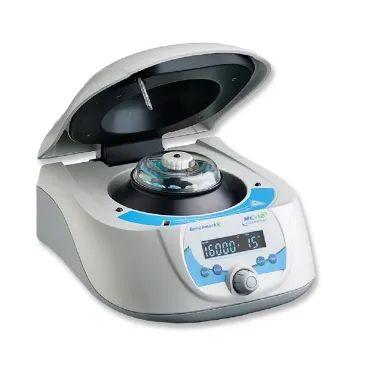
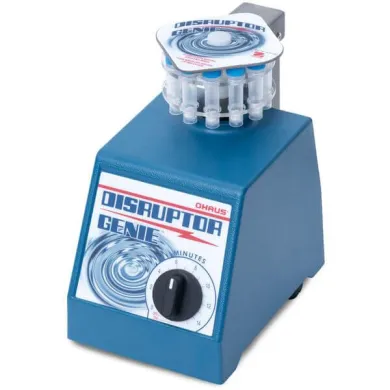
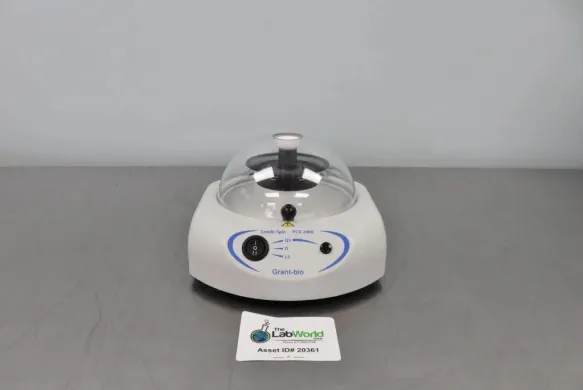
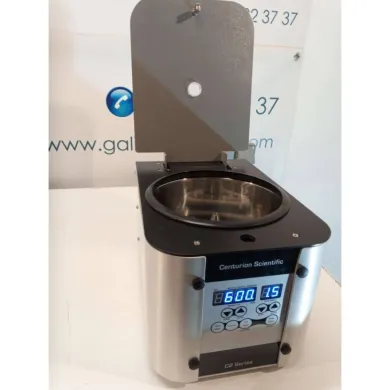
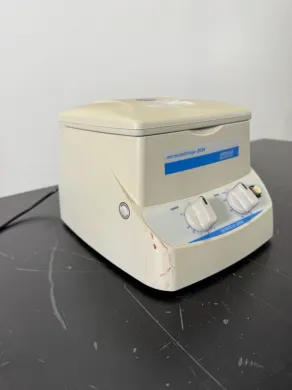
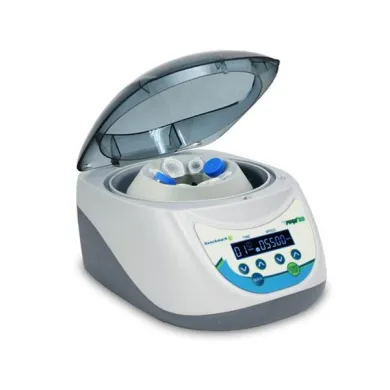
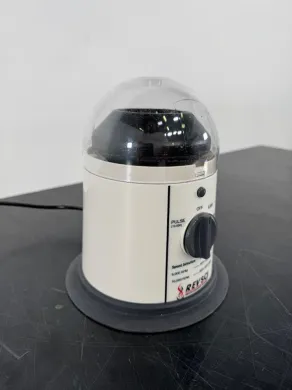
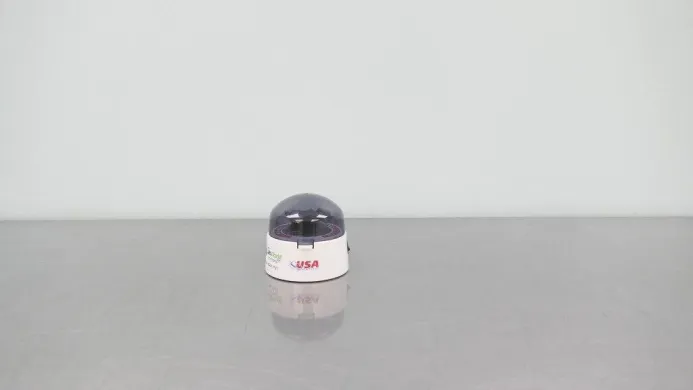
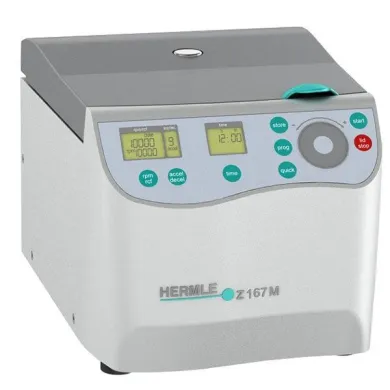
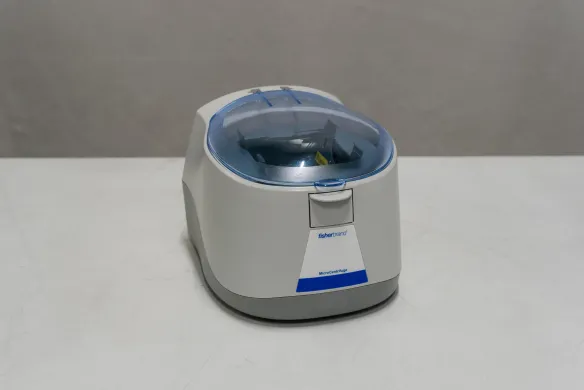
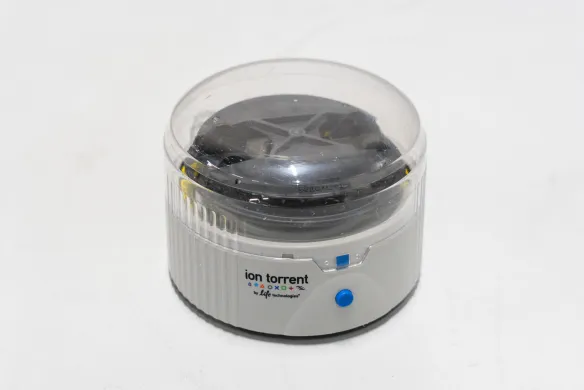
Not the exact instrument you need?
Tell our scientists what you are after. We track it down, including off-market supply.
Showing 1–40 of 150 listings
Show 40 more listingsBuying guide
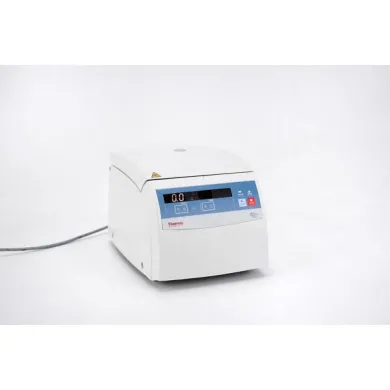
Maximum speed and the resulting relative centrifugal force settle most microcentrifuge purchases, because a protocol is written in g-force, not in revolutions. A spin-column kit that calls for 12,000 g will not run on a mini unit capped well below that, so the rated maximum of the rotor is the first number to match against the work. Fixed-angle rotors reach higher forces than the small swing-out heads some compact models carry, and a refrigerated model matters where samples degrade at room temperature, as many nucleic acid and protein preparations do. Rotor capacity, the number of tubes and the adapters for 0.2 and 0.5 milliliter inserts, follows from how the lab batches its work.
On a used unit the rotor is what to verify first, because it carries the history the chassis hides. Rotors have a service life and a cycle count, and a hairline crack or corroded bore is a failure risk at speed rather than a cosmetic flaw. Ask whether the rotor and lid interlock are the matched originals, whether the unit holds its set speed, and whether the bearings run without the whine that signals wear. A microcentrifuge that reaches speed quietly and brakes smoothly is doing the mechanical work correctly; one that vibrates or drifts is not. Calibration of the speed and, on refrigerated models, the temperature is worth confirming before a protocol depends on it.
Price spans a wide band here, and the spread maps onto that same specification. Listings run from EUR 43 to EUR 4.730, with an average near EUR 617. What a basic mini centrifuge costs sits at the low end, where a non-refrigerated unit with a modest top speed serves routine quick spins; a refrigerated high-speed model with interchangeable rotors occupies the upper end. Corning, Labnet, Benchmark, Thermo Scientific, VWR account for much of what is listed, which affects how easily a model compares against others and how readily a replacement rotor or lid seal is found. Because used and refurbished units are listed below new prices, a buyer working to a tight budget will usually find more capability for sale among the pre-owned stock than the same budget buys new.
Types of Microcentrifuges
Which microcentrifuge types are listed?
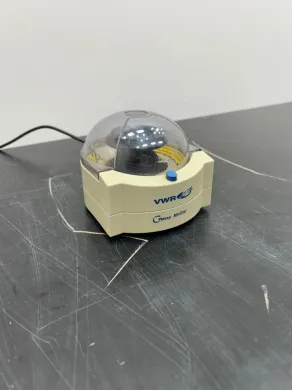
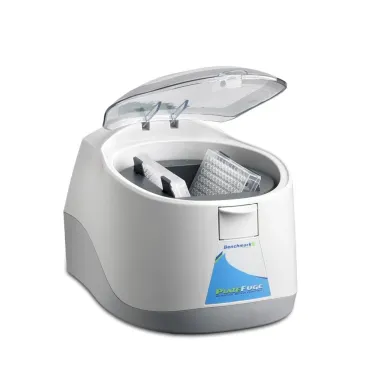
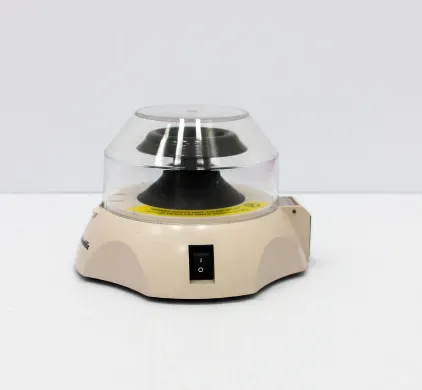
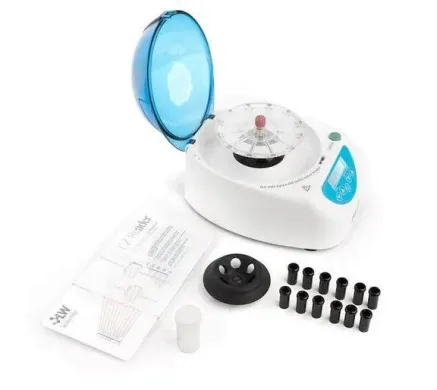
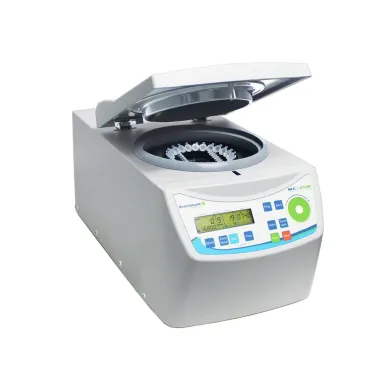
Among the listings that specify a type, the catalogue is dominated by the microcentrifuge itself, with several overlapping descriptions sitting alongside it. A benchtop microcentrifuge is the standard form, a mains-powered unit with a lid and a rotor for a dozen or more tubes. A mini centrifuge is smaller and slower, built for quick spin-downs and short column steps rather than hard pelleting, and a buyer reaches for one where bench space is tight and speed is not critical. A high-speed centrifuge in this class pushes the rotor to the forces that demanding protocols require. The broader terms, laboratory centrifuge and benchtop centrifuge, appear where a listing describes the device by family rather than by the small-tube format. The device is central to molecular biology, where a microcentrifuge performs the pelleting and clarification steps in nucleic acid extraction, plasmid preparation and spin-column purification. In genomics and proteomics workflows these units support protein purification and the clean-up stages that precede electrophoresis and immunoassay, and they also handle sample preparation for cell culture and microbiology. A refrigerated microcentrifuge for RNA extraction and a high-speed benchtop microcentrifuge for spin-column DNA purification are among the forms a laboratory specifies for this work.
The brands behind the microcentrifuge listings
Corning, Labnet, Benchmark, Thermo Scientific, VWR account for much of what is on offer. For a buyer, a well-represented maker means a model is easier to compare against its neighbours and easier to keep running, because replacement rotors, lids and tube adapters are more likely to be available. These are listed by verified suppliers and distributors rather than by the makers themselves, so availability follows the catalogue rather than any single brand's range.
What a used microcentrifuge costs here
New, used and refurbished units are listed together. Among the current listings, 91 percent are used. Prices run from EUR 43 to EUR 4.730, a spread that covers the gap between a basic mini centrifuge and a refrigerated high-speed model with interchangeable rotors, with the average near EUR 617.
Frequently asked questions
What is a microcentrifuge?
A microcentrifuge is a compact laboratory centrifuge designed to spin small sample volumes, usually in 0.2 to 2.0 millilitre tubes, at the speeds needed to pellet cells, nucleic acids and proteins. It fits the bench footprint of a shoebox and handles microlitre-scale separation rather than the litre volumes a floor-standing unit processes.
What does microcentrifuge mean?
The term combines the prefix micro, pointing to the small sample volumes it spins, with centrifuge, the machine that separates components by spinning them at speed. It names a centrifuge built for tubes rather than bottles or bags.
How do microcentrifuges work?
A rotor holds the tubes and spins them at high rotational speed, generating relative centrifugal force that drives denser components to the bottom of the tube. The resulting pellet separates from the supernatant, which is the clarified liquid above it.
What types of microcentrifuges are there?
The forms listed include microcentrifuge, benchtop microcentrifuge, mini centrifuge, high-speed centrifuge, and the broader labels laboratory centrifuge and benchtop centrifuge. A mini centrifuge runs a fixed lower speed for quick spin-downs, a benchtop microcentrifuge reaches the range where nucleic acids pellet, and a high-speed unit pushes RCF high enough for subcellular fractionation.
What is a microcentrifuge used for?
It performs the spin-down steps of DNA and RNA extraction, pellets cultured cells before lysis, and clarifies lysate ahead of protein purification. It also handles microbiology sample concentration, immunoassay bead separation, and rapid spins in proteomics workflows.
How do I choose a microcentrifuge?
Start with the maximum relative centrifugal force the unit reaches and check it against the figure your spin-column kit or protocol specifies. Then confirm the rotor holds your tube size and format, and decide whether you need a refrigerated rotor for temperature-sensitive samples.
What is the difference between refurbished and used?
A used microcentrifuge is sold in its working condition as it comes from the previous owner, while a refurbished one has been checked and reconditioned before resale. The exact work done on a refurbished unit varies by seller, so read the individual listing for what was tested or replaced.
How much does a microcentrifuge cost?
Across the Questpair listings prices range from EUR 43 to EUR 4.730, with an average of EUR 617. That spread covers everything from a basic mini centrifuge to a high-speed instrument with a refrigerated rotor, so the price on the specific listing matters more than the range.
Which brands make microcentrifuges?
The brands that recur in the listings are Corning, Labnet, Benchmark, Thermo Scientific and VWR. A widely sold line means rotors, lids and tube adapters are easier to find second-hand and a model can be compared against others of its kind.
Is a warranty available on a refurbished microcentrifuge?
A warranty is often possible and is arranged in consultation for the specific listing. Check the listing itself, since terms are set per unit rather than across the catalogue.
Can I get parts for a microcentrifuge?
Parts such as rotors, lids and tube adapters can be sourced via Questpair. A widely sold model tends to have better availability of second-hand components because more units exist to draw from.
How long does a microcentrifuge last?
A well-maintained unit runs for many years, with the rotor and lid interlock being the components most subject to wear. Rotor life depends on cycle count and the speeds it is run at, and rotors carry service limits that should be observed.
Should I buy new or used?
Used and refurbished microcentrifuges are listed at lower prices than new, which is the practical reason most of this catalogue falls on the used side. Where you weigh the two, look at the individual listing and note that warranty is arranged in consultation for that unit.
Where can I buy a microcentrifuge?
The Questpair catalogue lists microcentrifuges from 14 verified suppliers and distributors across 8 countries. New, used and refurbished units all appear, so you can compare condition and price within one catalogue.
What are the lead time and shipping like?
Lead time and shipping depend on the individual seller and the unit's location, which spans 8 countries in this catalogue. The specific listing is where to confirm availability and dispatch for that unit.
How is a microcentrifuge calibrated and maintained?
Routine maintenance covers checking rotor condition, keeping the chamber and rotor clean, and verifying the lid interlock functions. Speed verification confirms the rotor reaches set RPM, which matters when a protocol depends on a precise RCF.
Which microcentrifuge types are listed most, and who reaches for which?
The benchtop microcentrifuge is the general case, used across DNA and RNA extraction and protein prep by anyone running molecular protocols. A lab doing only quick spin-downs and bead kits reaches for a mini centrifuge, while subcellular fractionation and protein pelleting call for a high-speed unit that a general benchtop model cannot reach.
Which brands dominate this category, and what does that mean for a buyer?
Corning, Labnet, Benchmark, Thermo Scientific and VWR are the names that recur across the listings. For a buyer, a model from a widely sold line is easier to match with second-hand rotors and adapters and easier to compare against similar instruments than a one-off.
What separates the cheapest microcentrifuges from the most expensive?
The bottom of the band is typically a basic mini centrifuge running a fixed lower speed for spin-downs and condensate collection. The top is a high-speed instrument, often with a refrigerated rotor, that reaches the RCF needed for fractionation and protein pelleting, which is the span the price range from EUR 43 to EUR 4.730 reflects.