
Sterile & Cleanroom Work
We personally find you the right new, used and refurbished sterile & cleanroom work instruments & equipment from verified suppliers.
Contamination control runs on containment, not technique alone. The work demands equipment that holds a defined air cleanliness while people, materials and waste move through the space, which means the kit is rated against standards rather than sold on features. Across this set Questpair lists 11327 items from verified suppliers and distributors. A single clean suite pulls from several equipment classes at once: a cabinet protecting the operator, an enclosure holding the room class, a counter proving it, a sterilizer closing the loop on anything that leaves. Each one is specified to a particle or microbial limit, and those limits are what bind the choices together.
Updated:
Sterile & Cleanroom Work product list


Not the exact instrument you need?
Tell our scientists what you are after. We track it down, including off-market supply.
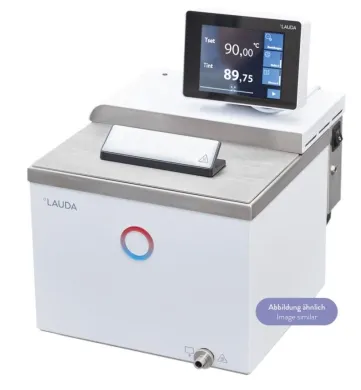
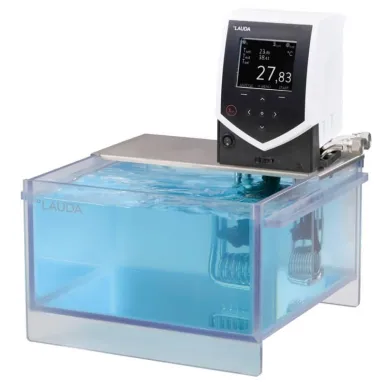
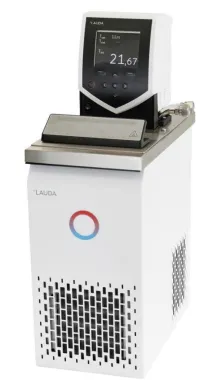
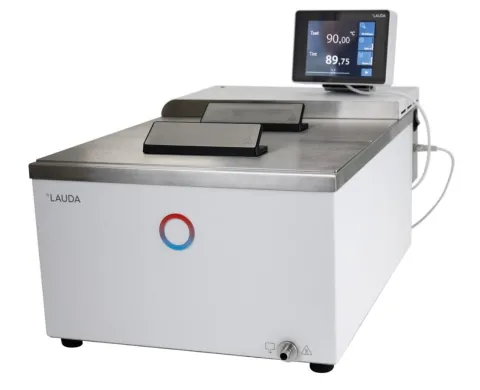
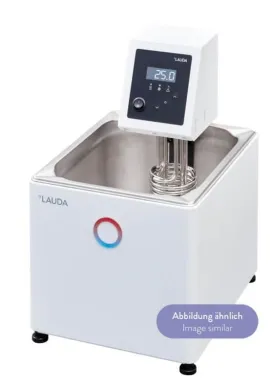
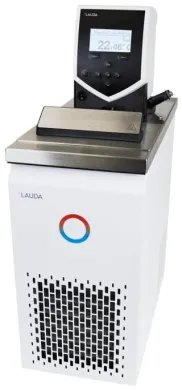
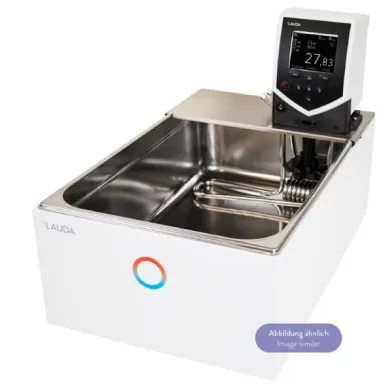
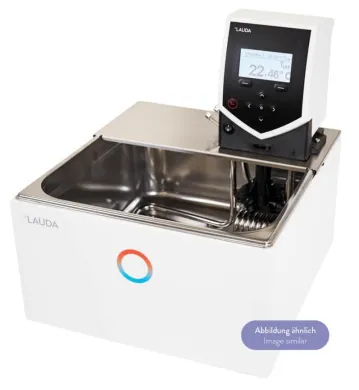
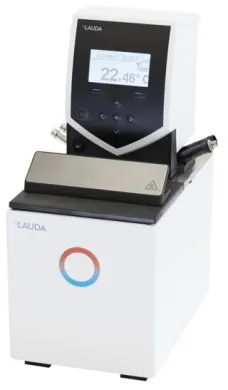
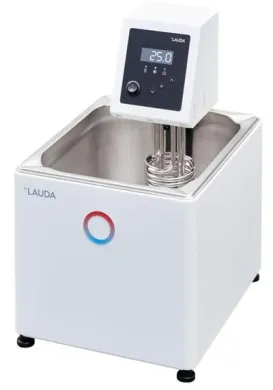
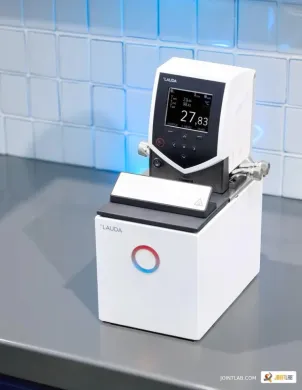
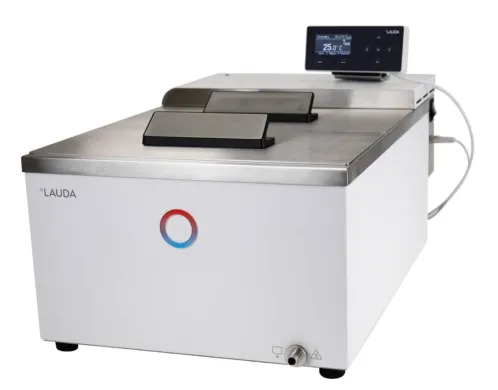
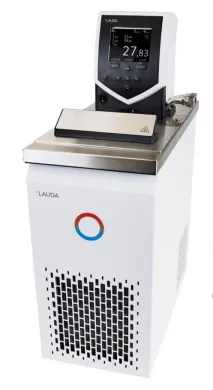
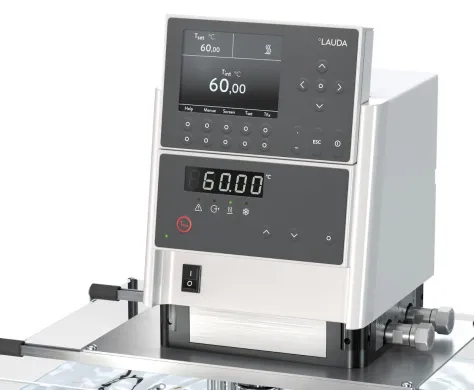
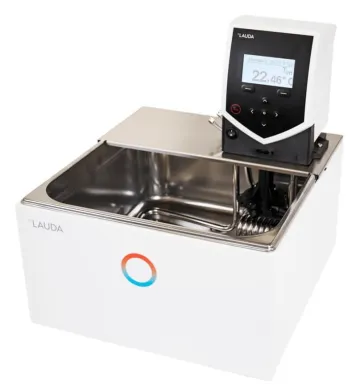
ECO ET 20 G Heating Thermostat by LAUDA
- Category
- Thermostats
- Brand
- Lauda
- Suppliers
- 1 verified
Not the exact instrument you need?
Tell our scientists what you are after. We track it down, including off-market supply.
Showing 1–40 of 2,416 listings
Show 40 more listingsBuying guide
Because this covers the whole aseptic chain rather than one device, the spread is wide. Prices run from EUR 9 to EUR 266.971. The low end is consumables and small metrology, cleanroom supplies and a handheld counter or flow probe. The high end is the enclosure and the industrial sterilizer, the equipment that builds and closes the room, where a full modular suite or a large steam unit carries the cost of the whole installation rather than a single step.
Condition sits firmly toward the used market. 92 percent of the listings are used. For containment and metrology that distinction matters more than on general lab kit, because a cabinet or a particle counter is only as good as its last validation. A used biological safety cabinet or counter is worth buying against its qualification history, and warranty on a given unit is arranged in consultation for that specific listing. Across the set the stock comes from 222 verified suppliers and distributors, so the same equipment class often appears at several price points and conditions at once.
Where a buyer is weighing new against used, the honest line is price: used and refurbished units list below new, and everything else about a particular machine, its validation record, its included accessories, sits in the listing itself. Parts for older sterilizers and cabinets can be sourced through Questpair, which widens what is practical to run secondhand.
Types of Sterile & Cleanroom Work
The equipment this draws on spans biological safety cabinets, cleanroom enclosures, particle counters, air velocity and flow instruments, autoclaves and industrial sterilizers, glove boxes, desiccators and the climate control that holds a room steady. These do not sit side by side as independent purchases. Aseptic processing runs as a sequence, and the stages constrain one another, so what follows walks that sequence in the order a suite is actually built and operated.
How is the room class established and held?
The enclosure sets the baseline. A cleanroom or modular enclosure defines the controlled volume and feeds it filtered air at a positive or negative pressure, depending on whether the room protects the product or the people around it. Climate control sits behind that, holding temperature and humidity inside a band, because particle behaviour and static both shift with humidity and an unstable room never qualifies cleanly.
That baseline has to be proven, not assumed, which is where metrology steps in. A particle counter samples the air and reports counts by size channel against the room's rated class. Air velocity and flow instruments map face velocity at filter faces and check that supply and extract balance to hold the intended pressure cascade. Air sampling equipment does the microbial half of the same question, drawing a measured volume onto a plate so viable contamination can be counted rather than guessed at. The counter and the flow meter together decide whether the enclosure is doing what its specification claims.
Where does the actual handling happen?
Inside the clean room, the critical work moves into tighter containment. A biological safety cabinet gives a cleaner local zone and, depending on class, protects the operator from what is being handled as well as the sample from the operator. Where the agent or the atmosphere is unforgiving, a glove box seals the work off entirely and lets it proceed under a controlled gas or a maintained vacuum. A desiccator holds prepared or hygroscopic material at a fixed low humidity between steps, so nothing degrades while it waits.
This is the join that a single-category page cannot describe. The cabinet's own airflow has to coexist with the room's supply: a unit sized or sited wrong disturbs the pressure cascade it sits inside, and the particle counter picks that up before any culture does. The containment device and the enclosure are one system, specified together.
What closes the loop on sterility?
Nothing leaves or enters sterile by accident. An autoclave or steam sterilizer decontaminates instruments, media and waste, and an industrial sterilizer does the same at the throughput a production suite needs. Glass washers handle the volume of labware that aseptic work generates, feeding clean vessels back to the line. The sterilizer sizes against the cabinet and bench capacity upstream of it: a suite that can process more than it can decontaminate backs up at the autoclave.
Use those as a reading of what the work most commonly runs on, not as a complete map of the field.
Frequently asked questions
What equipment do you need at minimum to start sterile or cleanroom work?
A controlled enclosure to define and hold the room class, a biological safety cabinet or glove box for the critical handling, a particle counter to prove the air against its rated class, and an autoclave or steam sterilizer to decontaminate what enters and leaves. Without the counter you cannot demonstrate the enclosure meets its specification, so metrology is part of the minimum, not an add-on.
Which part of a sterile setup costs the most to build?
The enclosure and the industrial sterilizer carry the bulk of the installation cost, because a modular cleanroom suite or a large steam unit prices against the whole room rather than a single step. Across this set prices range from EUR 9 to EUR 266.971, with that high end sitting on the equipment that builds and closes the room.
What can I buy used and what is better bought new for this work?
Containment and metrology sit firmly in the used market, so a biological safety cabinet or a particle counter is reasonable to buy secondhand provided you buy it against its validation record. The difference between used and new on any given unit is price, and whether that trade works depends on the qualification history and included accessories listed with that specific item.
What has to match between the stages of an aseptic suite?
The containment devices and the enclosure are one system: a cabinet sized or sited wrong disturbs the pressure cascade of the room it sits inside, and the particle counter will register that before any culture does. The sterilizer has to match the bench and cabinet capacity upstream of it, because a suite that processes more than it can decontaminate backs up at the autoclave.
Roughly what does a complete sterile setup cost?
The spread is wide because this covers the full aseptic chain, from consumables and a handheld counter at the low end to a modular suite and an industrial sterilizer at the high end. Listed prices run from EUR 9 to EUR 266.971, and the total for any one suite depends on which stages you build in and whether you buy new or used.
Where does cutting the budget early cost you later in cleanroom work?
Underspending on metrology leaves you unable to prove the room holds its class, which means you cannot qualify cleanly and the whole suite is suspect. Undersizing the sterilizer relative to cabinet and bench throughput is the other common trap, because decontamination becomes the bottleneck that limits what the room can actually process.
Which equipment carries over from other lab or production work?
Autoclaves, glass washers, desiccators and climate control are not specific to cleanroom suites and appear in general lab and production settings too. Biological safety cabinets, cleanroom enclosures, particle counters and air flow instruments are specified against particle or microbial limits and are less transferable, since their value depends on the standard they are rated to.
What should I check on a used cabinet, counter or sterilizer before buying?
Start with the validation or qualification history, because a cabinet or particle counter is only as good as its last certification, and confirm the included accessories and documentation against the listing. For older sterilizers and cabinets, parts can be sourced via Questpair, which affects how practical a given unit is to keep running, and warranty is arranged in consultation for that specific listing.
About Questpair
Questpair is the European marketplace for lab equipment, where AI-prepared cases and personal specialists guide every purchase. We work with 247 verified suppliers across 38 countries to find buyers the right new, used or refurbished instruments, with response within 1 hour and significant savings vs buying new.
Personal · Fast · Reliable · Affordable