

Fume hoods
We personally find you the right used, refurbished and new fume hoods instruments & equipment from verified suppliers.
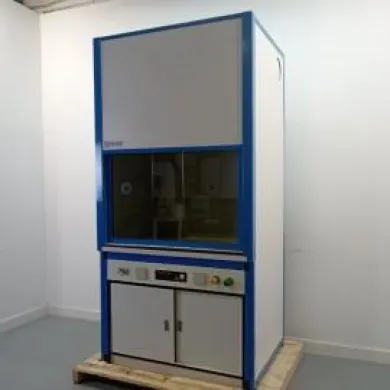
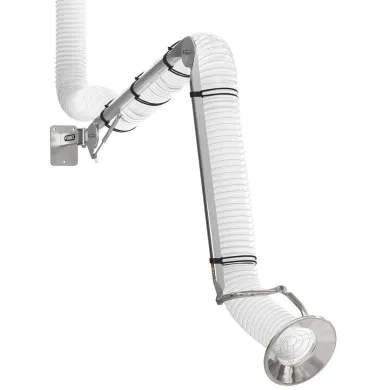
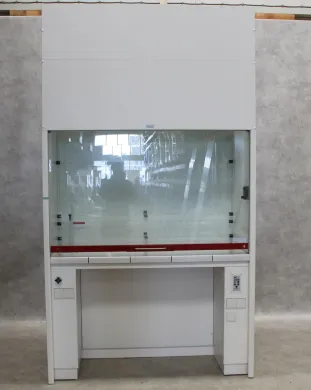
Fume hoods are ventilated enclosures that draw contaminated air away from an operator and either filter it or exhaust it outside, protecting laboratory workers from fumes, particulates and biological agents. The term covers several distinct enclosure types, from containment cabinets that shield the user to laminar flow units that shield the sample. On the Questpair catalogue, 1094 fume hoods and related enclosures are listed from 17 verified suppliers and distributors across 8 countries, in new, used and refurbished condition. 79 percent of the listings are used. Prices range from EUR 9 to EUR 205.085, covering benchtop PCR enclosures through to full biological safety cabinets.
Updated:
Fume hoods product list


Not the exact instrument you need?
Tell our scientists what you are after. We track it down, including off-market supply.
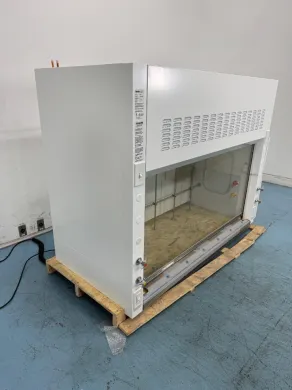
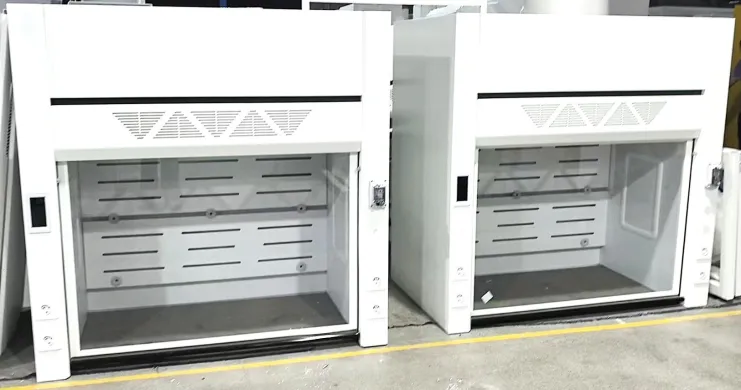
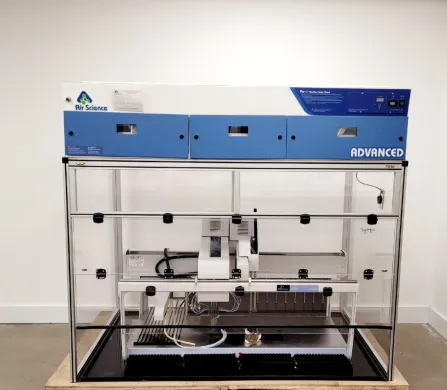
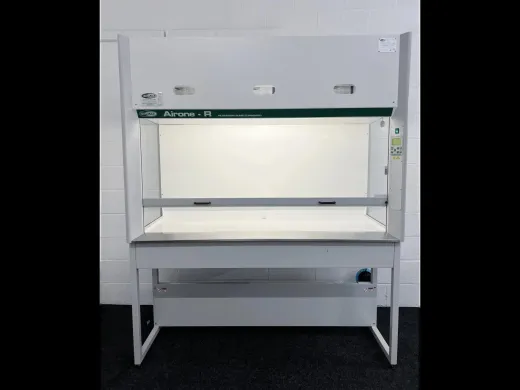
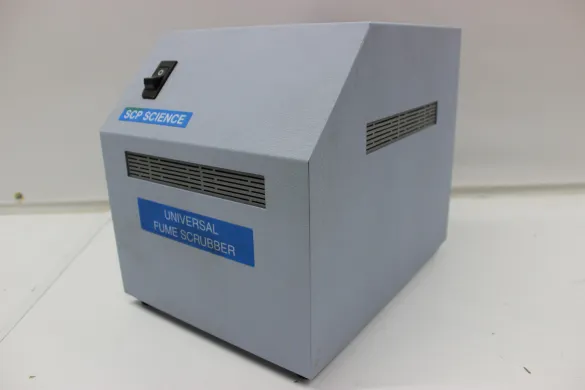
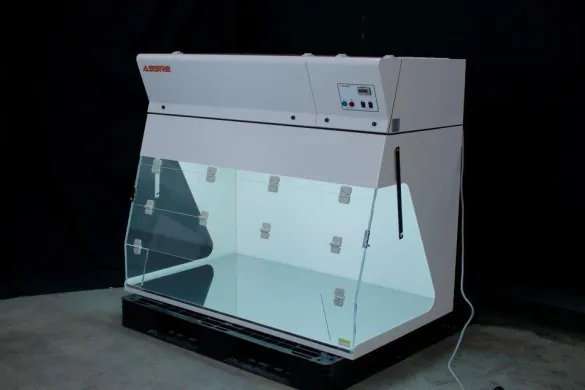
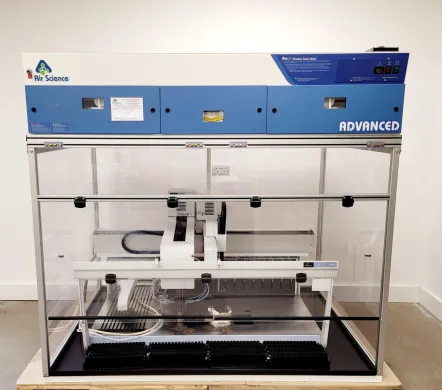
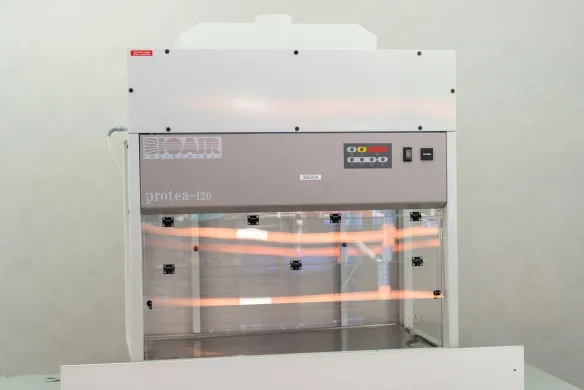
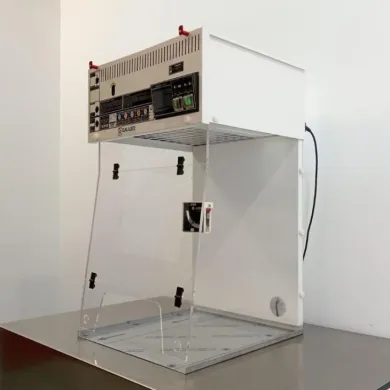
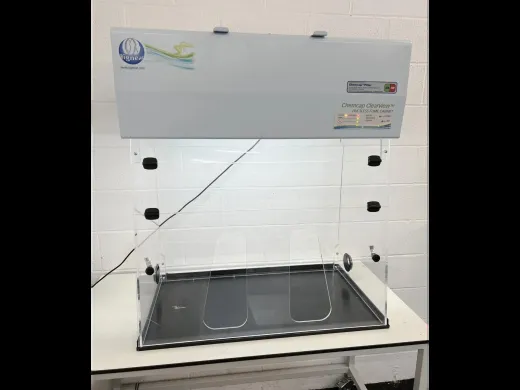
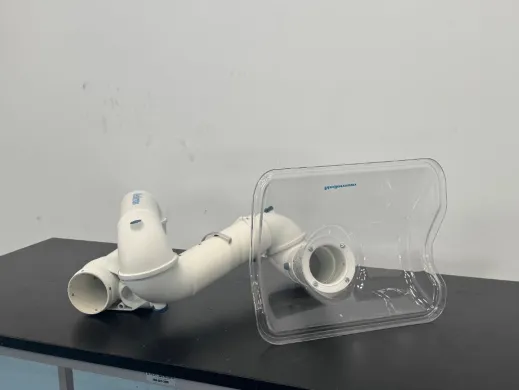
Not the exact instrument you need?
Tell our scientists what you are after. We track it down, including off-market supply.
Showing 1–40 of 78 listings
Show 38 more listingsBuying guide
What decides a fume hood purchase before anything else is the containment logic, because the enclosure types in this category protect opposite things. A biological safety cabinet and a laminar flow hood look similar and do the reverse of each other: the first pulls air inward to shield the operator from what is inside, the second pushes filtered air outward to shield the sample from the room. Buy the wrong one and the work is either unprotected or the operator is exposed. Settle this first, from the hazard and the protocol, and every later choice follows from it.
Airflow and filtration then set the specification. For a containment cabinet, the class and type matter: a Class II unit with HEPA filtration suits most microbiology, while work with volatile chemicals needs ducted exhaust or a carbon-filtered ductless design. Face velocity, the speed of air drawn across the sash opening, is the figure to check against the application, since too little loses containment and too much disrupts the flow pattern. Filter condition is the hinge on a used unit, as HEPA and carbon filters are consumables and a cabinet sold without a recent certificate may need both replaced.
On a used enclosure, verify the certification history above all. A biological safety cabinet must be recertified after any move, and the blower, filters and sash alarm should be tested on installation. Ask what the unit was previously used for, as a cabinet that held biological or radioactive material carries a decontamination history that affects whether it can be safely re-sited. Check the blower hours and whether the sash mechanism and airflow alarm function, because these are the parts that wear.
The price band runs wide. What a bench PCR enclosure costs sits far below what a full cleanroom cabinet does, and the range from EUR 9 to EUR 205.085 reflects that spread. The average listing lands near EUR 3.964. Used and refurbished units are listed below new, so a refurbished cabinet is the more affordable route into a budget that will not stretch to new, provided the certification is current. The brands occupying the listings, led by Thermo Scientific, Various, Chemisafe, Labconco, Thermo, set where a model sits in that band and how readily it can be compared against another.
Types of Fume hoods
Biological safety cabinets
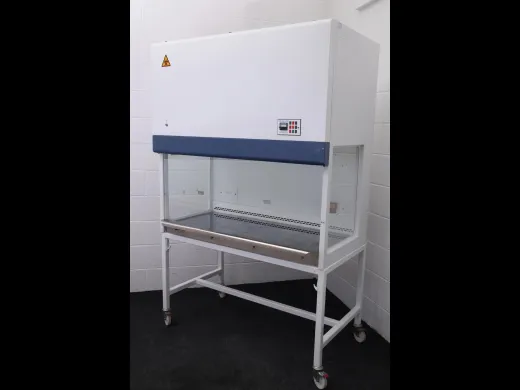
A biological safety cabinet is the containment enclosure for work with infectious agents, drawing room air through a HEPA filter and across the work surface to protect the operator, the sample and the environment at once. Among the subtypes listed, it is the most common, and it divides by class: Class I protects the operator alone, Class II protects operator and sample with laminar downflow, and Class III is a fully sealed glove box for the highest biosafety levels. These cabinets do the containment work of microbiology, cell culture and molecular diagnostics, handling everything from bacterial culture to primary human tissue. A buyer choosing one works from the biosafety level of the agents and the protocol the lab runs.
Safety cabinets
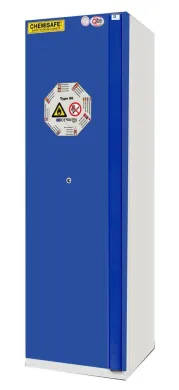
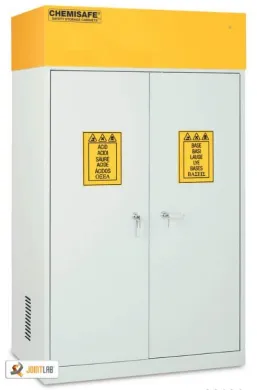
A safety cabinet in this grouping is the broader class of containment and storage enclosure, including ducted and ductless chemical fume cabinets that shield an operator from volatile reagents rather than biological material. These units handle solvent chemistry, sample preparation and formulation, where the hazard is inhalation of vapours. The distinction from a biological safety cabinet is the hazard they are built around: chemical fumes rather than aerosolised pathogens, which changes the filtration from HEPA to activated carbon on the ductless designs. A laboratory choosing a safety cabinet matches the filter chemistry to the solvents in use.
Cleanroom enclosures
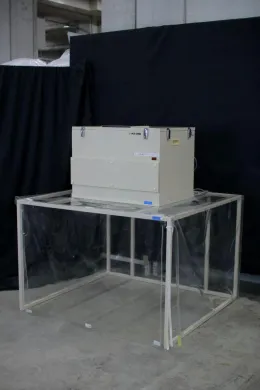
A cleanroom enclosure is a sealed or filtered workspace that maintains a controlled-particulate environment, used where contamination from the surrounding room would compromise the work. These structures serve microelectronics assembly, sterile compounding and biomanufacturing, anywhere the air itself is part of the specification. They differ from a standalone cabinet in scale and in what they control: a cleanroom enclosure governs the whole workspace to a particle class, not just the air across one bench. A buyer sizing one works from the required ISO cleanliness class and the footprint the process needs.
Laminar flow hoods
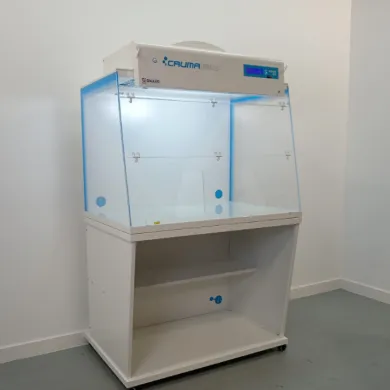
A laminar flow hood pushes HEPA-filtered air across the work surface in a smooth unidirectional stream, protecting the sample from airborne contamination. Unlike a biological safety cabinet, it offers no operator protection, so it suits clean, non-hazardous work: media preparation, plant tissue culture and electronics assembly. The two orientations split it further, as a horizontal-flow unit blows air toward the operator and a vertical-flow unit blows it downward. A laboratory reaching for one is protecting the product, not the person, which is the deciding question.
Cleanroom supplies
Cleanroom supplies are the consumables and ancillary items that support a controlled environment rather than an enclosure in themselves: wipes, garments, mats and filter media. They appear here as the material side of cleanroom work, replaced on a schedule the room's class dictates. A buyer sourcing them is maintaining an existing environment rather than building one, and the selection follows from the cleanliness class already in place.
Glove boxes
A glove box is a sealed enclosure worked through built-in gloves, isolating the contents from the operator and the room entirely. In life sciences it handles the highest-containment biological work as a Class III cabinet, and in chemistry it provides an inert, oxygen-free or moisture-free atmosphere for air-sensitive synthesis. The sealed design is what sets it apart: no air exchange with the room, so the barrier is physical rather than aerodynamic. A laboratory choosing one has a containment or atmosphere requirement that an open-fronted cabinet cannot meet.
PCR enclosures
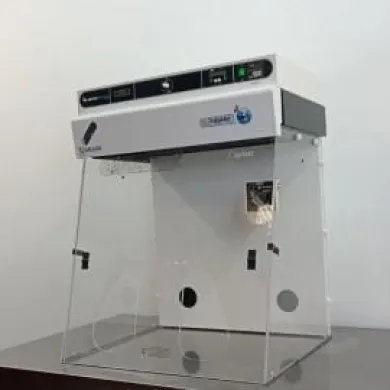
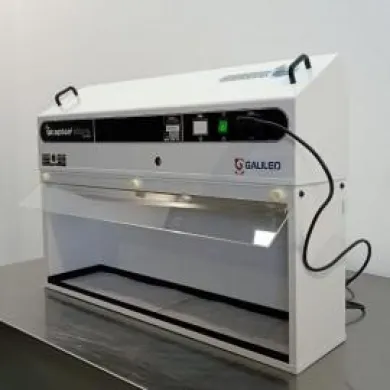
A PCR enclosure, or PCR workstation, is a small HEPA-filtered cabinet built to keep amplification reactions free of stray DNA, often fitted with a UV lamp for decontaminating the workspace between runs. It does the clean-setup work of molecular biology and genomics, where a single contaminating template can invalidate a result. The scale is what separates it from a full laminar flow hood: a benchtop unit sized for pipetting a reaction, not for handling plates or culture. A genomics or diagnostics lab reaches for one to isolate the pre-amplification step.
Ductless fume hoods
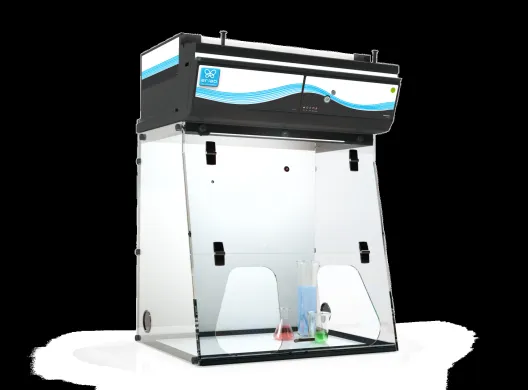
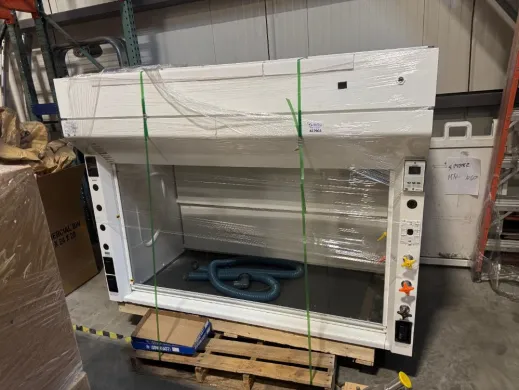
A ductless fume hood filters contaminated air through an activated-carbon bed and returns it to the room, rather than exhausting it through a duct to the outside. This is the containment option where no exhaust connection exists, used for light solvent chemistry and sample preparation with vapours the carbon can capture. It differs from a ducted hood in that the filter, not the building's ventilation, does the work, so the carbon type must suit the chemicals and be changed before it saturates. A laboratory without ductwork, or one that needs a mobile unit, chooses this design over a fixed ducted hood.
Frequently asked questions
What is a fume hood?
A fume hood is a ventilated enclosure that draws contaminated air away from the operator and either filters it or exhausts it outside. It protects laboratory workers from fumes, particulates and biological agents during bench work.
What does fume hood mean in practice?
The term covers several distinct enclosure types that protect different things: some pull air inward to shield the operator, others push filtered air outward to shield the sample. In everyday lab use it names the cabinet at the bench that handles vapours, aerosols or airborne contamination.
How do fume hoods work?
A blower moves air across the sash opening or work surface at a set face velocity, carrying contaminants away from the breathing zone. Ducted units exhaust that air outside the building, while ductless units pass it through an activated-carbon or HEPA filter and return it to the room.
What types of fume hood are there?
The listings include biological safety cabinets, chemical and ductless fume hoods, laminar flow hoods, cleanroom enclosures, glove boxes and PCR enclosures. They split by what they protect: the operator, the sample, or the whole workspace.
What are fume hoods used for?
They contain hazards in microbiology, cell culture, molecular diagnostics, solvent chemistry, sample preparation and sterile compounding. The specific use decides the type: pathogen work calls for a biological safety cabinet, volatile reagents call for a chemical hood, and clean non-hazardous work calls for a laminar flow hood.
How do I choose the right fume hood?
Start from the containment logic, because a biological safety cabinet and a laminar flow hood look alike but do the reverse of each other. Settle whether you are protecting the operator or the sample first, then match airflow, filter type and face velocity to the hazard and protocol.
What is the difference between refurbished and used fume hoods?
A used unit is sold in its existing condition, while a refurbished unit has been inspected and brought back toward working order before sale. For either, the certification history matters more than the label, since a biological safety cabinet must be recertified after any move.
How much does a fume hood cost?
Prices in the catalogue range from EUR 9 to EUR 205.085, with the average listing near EUR 3.964. A benchtop PCR enclosure sits at the low end and a full biological safety cabinet or cleanroom cabinet at the high end.
Which brands make fume hoods?
The listings are led by Erlab, Labconco, Air Science, Labconco Corporation and Movex. These names cover both containment cabinets and filtration-based ductless designs.
Can I get a warranty on a refurbished fume hood?
A warranty is often possible and is arranged in consultation for the specific listing. Check the listing and raise it with the supplier before purchase.
Are parts available for fume hoods?
Parts such as blowers, filters and sash components can be sourced via Questpair. HEPA and carbon filters in particular are consumables and are replaced on a schedule the unit's use dictates.
How long does a fume hood last?
The enclosure itself can serve for many years, with the blower, sash mechanism and airflow alarm being the parts that wear. Filters are consumables and need replacement well before the cabinet reaches the end of its service life.
Should I buy new or refurbished?
Used and refurbished units are listed below new, so a refurbished cabinet is the more affordable route when a budget will not stretch to new. The deciding factor is the certification: a refurbished unit with a current certificate is ready to install, while one sold without may need its HEPA and carbon filters replaced.
Where can I buy a fume hood?
The Questpair catalogue lists 1094 fume hoods and related enclosures from 17 verified suppliers and distributors across 8 countries. Listings appear in new, used and refurbished condition.
What are the lead time and shipping like?
Lead time and shipping depend on the individual listing, its condition and the supplier's location across the 8 countries represented. The listing is the place to confirm both before you order.
What maintenance and certification does a fume hood need?
A biological safety cabinet must be recertified after any move, with the blower, filters and sash alarm tested on installation. Face velocity should be checked against the application, and carbon or HEPA filters changed before they saturate.
Which types are listed most, and who reaches for each?
Biological safety cabinets are the most common subtype listed, chosen by microbiology, cell culture and diagnostics labs working from a biosafety level. The other listed types include laboratory and chemical fume hoods for solvent work, laminar flow hoods for product protection, and ductless fume hoods for labs without exhaust ductwork.
Which brands dominate this category, and what does that mean for me as a buyer?
Erlab, Labconco, Air Science, Labconco Corporation and Movex account for the bulk of the listings. A recurring brand means models can be compared against one another on class, type and face velocity rather than judged in isolation, and that replacement filters and parts for those designs are more straightforward to source via Questpair.
What separates the cheapest fume hoods from the most expensive?
Scale and containment class set the spread. A benchtop PCR enclosure sized for pipetting a single reaction sits far below a full biological safety cabinet or a cleanroom cabinet that governs an entire workspace to a particle class, and condition adds to this since used and refurbished units are listed below new.