

Freezers
We personally find you the right used, refurbished and new freezers instruments & equipment from verified suppliers.
Laboratory freezers are temperature-controlled storage units built to hold biological samples, reagents, and other materials at set points below ambient, ranging from near-freezing down to ultra-low temperatures around minus 80 degrees Celsius. They differ from domestic freezers in temperature stability, alarm systems, and recovery speed after a door opening. The Questpair catalogue lists 2224 freezers from 20 verified suppliers and distributors across 11 countries. New, used and refurbished units are all represented. 92 percent of the listings are used, the remainder new. Prices run from EUR 17 to EUR 27.951. Models span benchtop sample storage freezers through large ultra-low temperature cabinets used in biobanking and clinical laboratories.
Updated:
Freezers product list
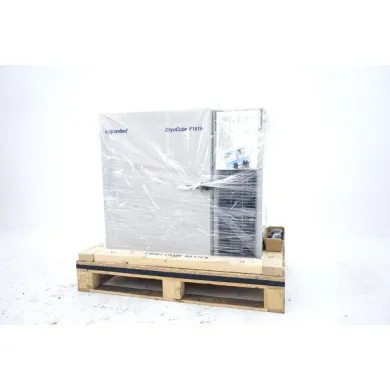
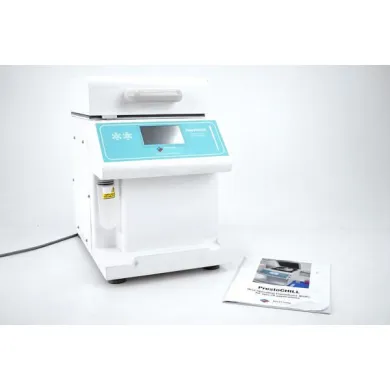
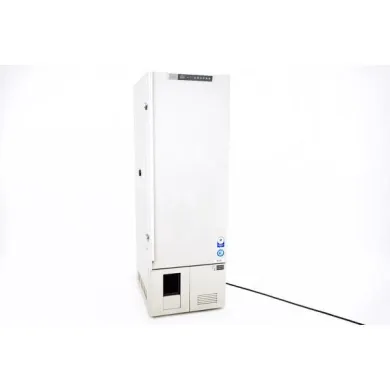
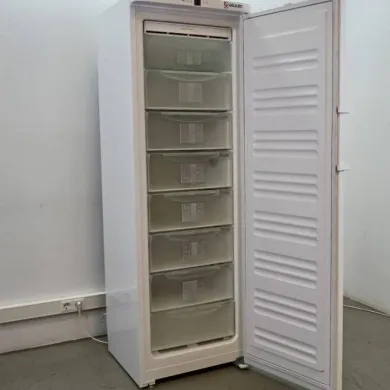


Not the exact instrument you need?
Tell our scientists what you are after. We track it down, including off-market supply.
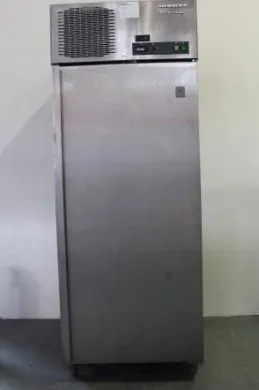
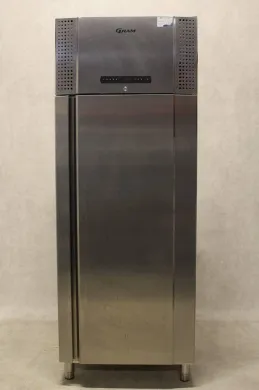
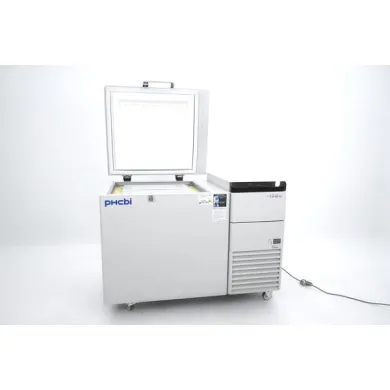
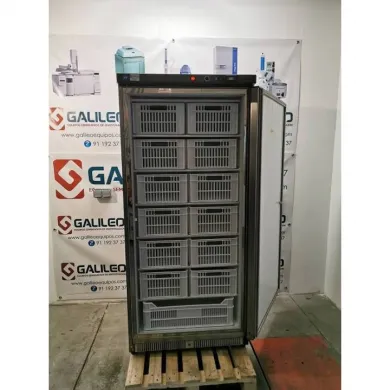
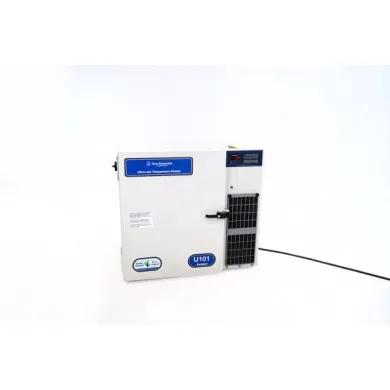
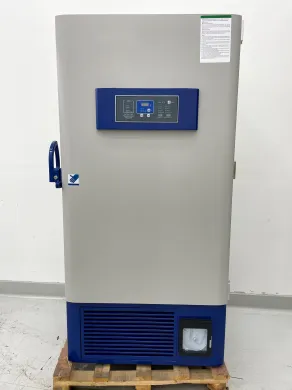
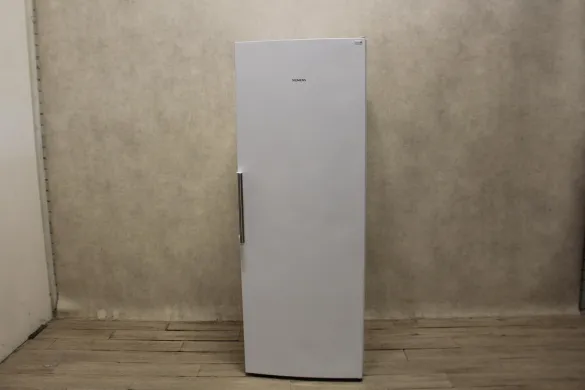
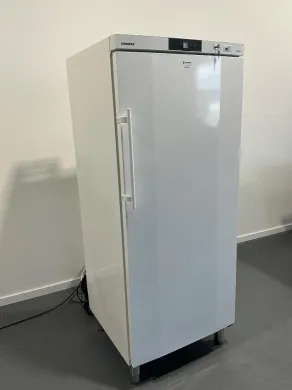
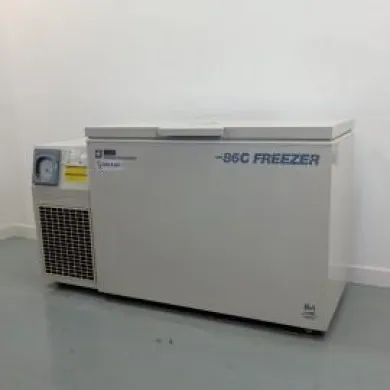
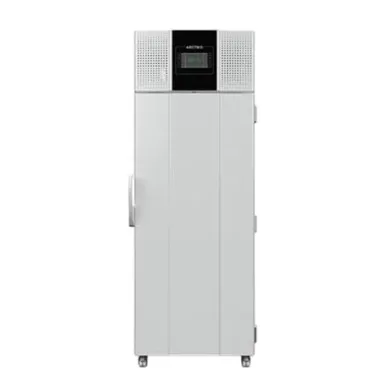
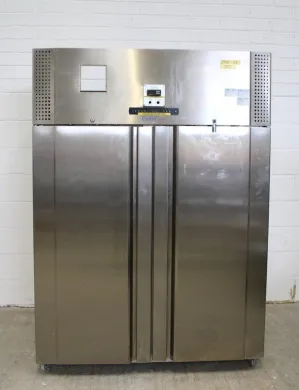
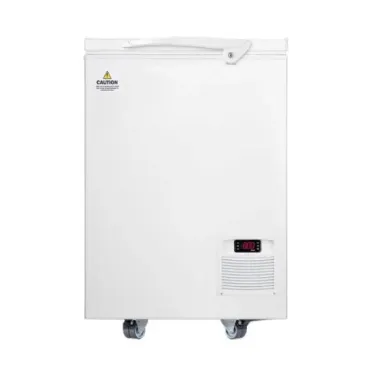
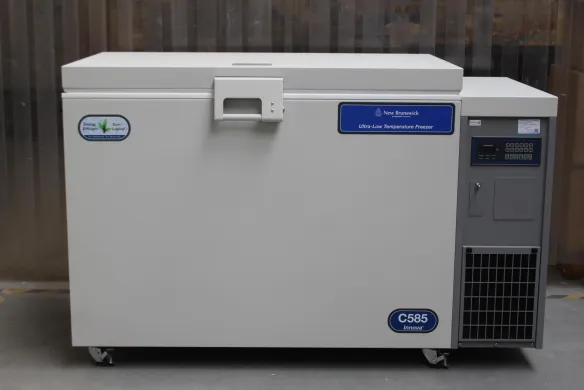
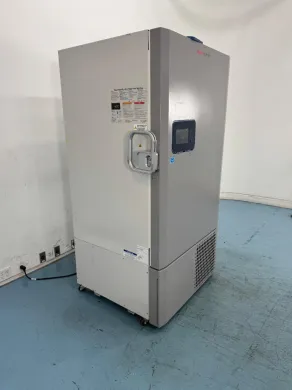
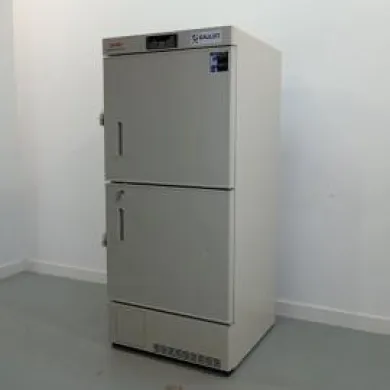
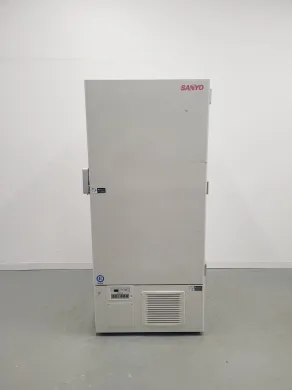
Sanyo Biomedical MDF-U537 Upright Freezer
- Category
- Freezers
- Brand
- Sanyo
- Suppliers
- 1 verified
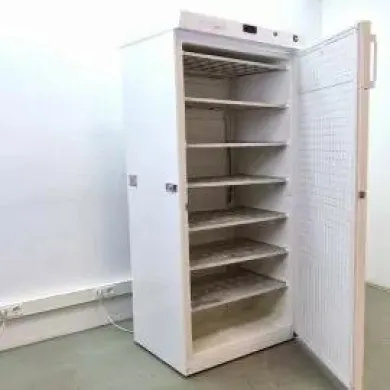
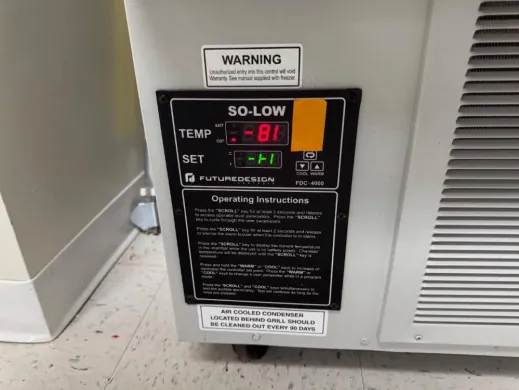
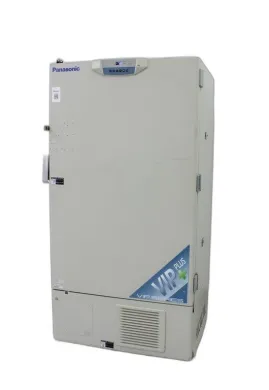
Not the exact instrument you need?
Tell our scientists what you are after. We track it down, including off-market supply.
Showing 1–40 of 734 listings
Show 40 more listingsBuying guide
The temperature a freezer has to reach settles most of the decision before anything else does. A unit rated to minus 20 Celsius serves general reagent and short-term sample storage; one rated to minus 80 does the work that the first cannot, holding cell lines, nucleic acids, and clinical specimens where warmer storage degrades the material. The gap between those two is not a matter of degree but of construction: an ultra-low freezer uses cascade or single-stage compressor systems and heavier insulation, which is why its price and its power draw sit so far apart from a standard laboratory freezer. Decide the set point the application demands first, because everything downstream, cabinet size, compressor type, running cost, follows from it.
With a used freezer, the compressor and the door seals carry more weight than any figure on the datasheet. A cabinet that once reached minus 86 may no longer recover that temperature after a prolonged open door if the compressor has aged, so pull-down performance and hour count matter more than the rated specification. Ask what has been verified: seal integrity, whether the unit holds temperature under load, and whether the alarm and monitoring electronics still function. A refurbished listing that states what was tested is worth more than a bare used one at the same price.
Price tracks temperature class and capacity closely. Across the catalogue, listings run from EUR 17 to EUR 27.951. The low end covers small sample storage freezers and benchtop units that fit a modest budget; the high end covers large ultra-low cabinets and biomedical freezers built for validated cold storage. The average sits at EUR 2.937. Among the brands listed here, Thermo Fisher Scientific, Thermo Scientific, VWR, Liebherr, Fisherbrand appear most often, which matters for a buyer because a common model is easier to compare across listings and its parts are easier to source. Used and refurbished freezers listed for sale cost less than new equivalents, and the condition split, 2040 used against 182 new, means most of what is for sale has a service history to ask about rather than a warranty to assume.
Types of Freezers
Which freezer types are listed on Questpair?
Among the listings that specify a type, the catalogue divides into a handful of recognisable classes. Standard laboratory freezers cover the minus 20 to minus 40 Celsius band, used for reagent storage, enzyme stocks, and short-term sample holding where deep cold is unnecessary. Ultra-low temperature freezers, also written ultra low temperature freezers, reach minus 80 and below; these are the workhorses of long-term biological storage and are what a biobank or a molecular biology lab reaches for when samples must survive years rather than weeks. Biomedical freezers sit alongside them, built to tighter temperature uniformity for clinical and pharmaceutical material. Sample storage freezers and broader cold storage equipment round out the listings, often smaller units matched to a specific workflow. What separates the classes is set point, uniformity, and recovery speed, and a buyer chooses by the coldest temperature the stored material actually requires.
Ultra-low freezers do the preservation work behind much of modern life sciences. At minus 80 they hold the cell culture stocks, the purified protein aliquots, and the extracted nucleic acids that genomics and proteomics depend on, and they are the standard store for the reagents and samples that feed PCR and molecular diagnostics. Biomedical freezers serve biomanufacturing and clinical biobanking, where a validated cold chain for cell therapy material and patient specimens cannot lapse. Laboratory freezer storage also underpins immunoassay and antibody work, where reference standards and conjugates degrade if the temperature drifts.
The brands behind the freezer listings
Thermo Fisher Scientific, Thermo Scientific, VWR, Liebherr, Fisherbrand account for most of the catalogue. Their presence works in a buyer's favour. A model from a maker that recurs across the listings is easier to compare on specification and on price, and spare parts and seals for a widely sold cabinet are easier to find than for an obscure one. Where the same series appears from more than one supplier, a buyer can weigh condition and price directly rather than guessing at a fair figure.
What a used freezer costs here
The condition mix runs heavily to used stock, 2040 used against 182 new, and prices span EUR 17 to EUR 27.951. That spread covers everything from a small benchtop sample store to a full-height ultra-low cabinet, which is why the average of EUR 2.937 says less than the range does. Used and refurbished units are listed below new prices, and the wide gap reflects temperature class and capacity far more than age alone.
Frequently asked questions
What is a laboratory freezer?
A laboratory freezer is a temperature-controlled storage unit that holds samples, reagents, and other materials at set points below ambient, from near-freezing down to around minus 80 degrees Celsius. It differs from a domestic freezer in temperature stability, alarm systems, and how quickly it recovers after the door is opened.
What does ultra-low temperature freezer mean?
An ultra-low temperature freezer, also written ultra low temperature freezer, is a unit that reaches minus 80 Celsius and below. The term refers to the deep-cold band used for long-term biological storage, as opposed to standard laboratory freezers that work in the minus 20 to minus 40 range.
How do laboratory freezers work?
Standard laboratory freezers use a single-stage compressor to reach the minus 20 to minus 40 band, while ultra-low units use cascade or single-stage compressor systems with heavier insulation to hold minus 80 and below. The alarm and monitoring electronics track temperature and warn of drift or door events.
What types of freezers are there?
The listings divide into standard laboratory freezers for the minus 20 to minus 40 band, ultra-low temperature freezers reaching minus 80 and below, biomedical freezers built to tighter temperature uniformity, sample storage freezers, and broader cold storage equipment. Set point, uniformity, and recovery speed separate the classes.
What are laboratory freezers used for?
They hold biological samples, reagents, and other materials that degrade at warmer temperatures. Ultra-low units store cell culture stocks, purified protein aliquots, and extracted nucleic acids for genomics and proteomics, while biomedical freezers serve clinical biobanking and biomanufacturing where a validated cold chain cannot lapse.
How do I choose a freezer?
Decide the set point the application demands first, because cabinet size, compressor type, and running cost all follow from it. A unit rated to minus 20 serves general reagent and short-term sample storage; one rated to minus 80 holds cell lines, nucleic acids, and clinical specimens that warmer storage would degrade.
What is the difference between a refurbished and a used freezer?
A refurbished listing states what was tested, such as seal integrity, whether the unit holds temperature under load, and whether the alarm electronics still function. A bare used listing may give only the rated specification, so a refurbished unit that documents its testing is worth more than a used one at the same price.
How much does a freezer cost?
Prices across the catalogue run from EUR 17 to EUR 27.951, with an average of EUR 2.937. The spread covers everything from a small benchtop sample store to a full-height ultra-low cabinet, so the range tells you more than the average does.
What brands of freezers are available?
Thermo Fisher Scientific, Thermo Scientific, VWR, Liebherr, and Fisherbrand account for most of the catalogue. A model from a maker that recurs across the listings is easier to compare on specification and on price.
Can I get a warranty on a refurbished freezer?
A warranty is often possible and is arranged in consultation for the specific listing. Because terms are set per listing rather than centrally, check what the individual seller states for the unit you are considering.
Can I get parts for a freezer bought here?
Parts can be sourced via Questpair. Spare parts and seals for a widely sold cabinet are generally easier to find than for an obscure model, which is one reason a common series is worth weighing.
How long does a laboratory freezer last?
Lifespan depends heavily on the compressor and door seals rather than age alone. A cabinet that once reached minus 86 may no longer recover that temperature after a prolonged open door if the compressor has aged, so pull-down performance and hour count tell you more than the rated specification.
Should I buy a new or a refurbished freezer?
Used and refurbished freezers are listed at lower prices than new equivalents. The condition split is 2040 used against 182 new, so most of what is for sale has a service history to ask about; where warranty matters, it is arranged in consultation for the specific listing.
Where can I buy a freezer?
The Questpair catalogue lists 2224 freezers from 20 verified suppliers and distributors across 11 countries. New, used, and refurbished units are all represented.
What are the lead time and shipping like?
Lead time and shipping depend on the individual listing and the supplier offering it. For a specific unit you can contact Questpair, and specialists respond within one hour.
How are freezers calibrated and maintained?
Maintenance centres on verifying seal integrity, confirming the unit holds temperature under load, and checking that alarm and monitoring electronics function. Questpair does not carry out servicing, but it can source parts and connect you with verified suppliers and distributors.
Which freezer types are listed most, and who reaches for which?
Standard laboratory freezers cover reagent and short-term sample storage, while ultra-low temperature freezers are what a biobank or molecular biology lab reaches for when samples must survive years. Biomedical freezers serve clinical and pharmaceutical material needing tight uniformity, and sample storage freezers suit smaller, workflow-specific needs.
Which brands dominate this category, and what does that mean for a buyer?
Thermo Fisher Scientific, Thermo Scientific, VWR, Liebherr, and Fisherbrand appear most often. Where the same series shows up from more than one supplier, you can weigh condition and price directly rather than guessing at a fair figure, and parts for a widely sold cabinet are easier to source.
What separates the cheapest freezers here from the most expensive?
Price tracks temperature class and capacity, not age. The low end of EUR 17 covers small sample storage and benchtop units; the high end near EUR 27.951 covers large ultra-low cabinets and biomedical freezers built for validated cold storage, which carry heavier insulation and cascade compressor systems.