

Valves
We personally find you the right used, refurbished and new valves instruments & equipment from verified suppliers.
Valves are flow-control components that open, close, or regulate the passage of gases and liquids through laboratory and vacuum systems. In the Questpair catalogue this category reaches beyond valves alone into the vacuum and lyophilization equipment they serve, so it carries freeze dryers, laboratory valves, and vacuum systems alongside chromatography accessories. New, used, and refurbished units are listed here; 75 percent of the listings are used. Prices run from EUR 20 to EUR 51.195, a spread wide enough to hold a single fitting at one end and a complete freeze-drying system at the other. The catalogue draws on 7 verified suppliers across 5 countries.
Updated:
Valves product list


Not the exact instrument you need?
Tell our scientists what you are after. We track it down, including off-market supply.
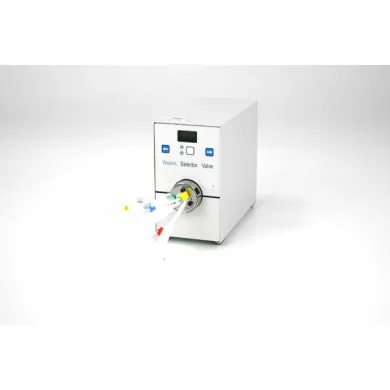
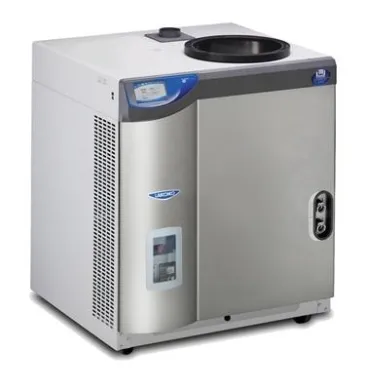
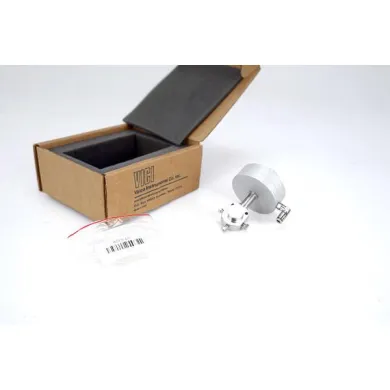
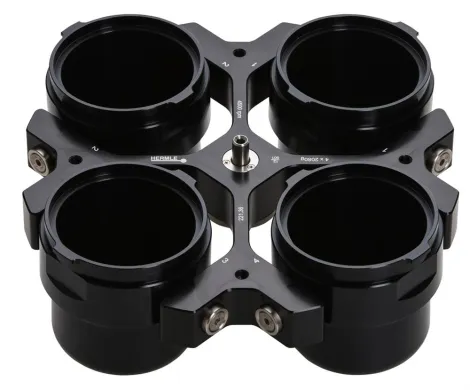
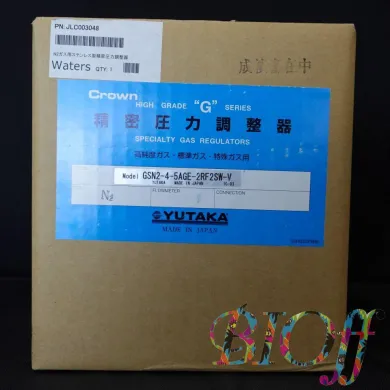
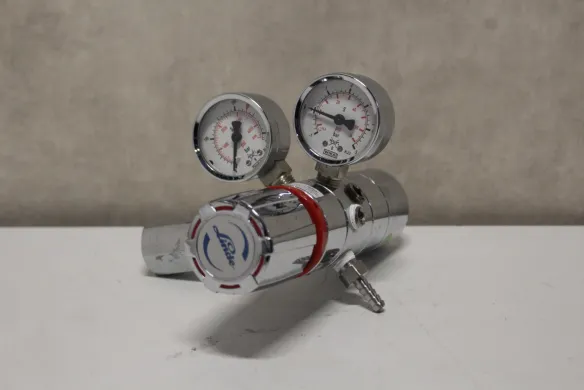
YUTAKA GSN2-4-5AGE-2RF2SW-V Precision Pressure Regulator
- Category
- Gas generator
- Suppliers
- 1 verified
Not the exact instrument you need?
Tell our scientists what you are after. We track it down, including off-market supply.
Showing 1–40 of 129 listings
Show 40 more listingsBuying guide
What settles a purchase in this category depends on which part of it a buyer is in, and most buyers arrive through the freeze dryer or the vacuum system rather than through a bare valve. For those instruments, the deciding figure is the ice condenser capacity and the achievable vacuum level, because a lyophilizer sized for a few hundred millilitres of product behaves nothing like one built for pilot-scale batches, and a vacuum system that reaches 10 mbar serves different work than one pulling into the low micron range. Match that figure to the volume and the pressure the application actually needs before weighing anything else, because an undersized condenser or a pump that cannot reach the target vacuum cannot be remedied by any later purchase.
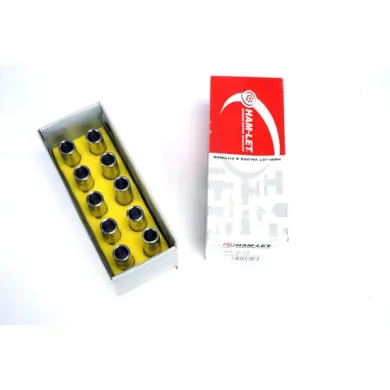
For a valve or a fitting taken on its own, the governing specification is the connection standard and the wetted material. Thread type, tubing diameter, and the pressure rating have to match the system the part joins, and the material, stainless steel against PEEK against a polymer seat, has to tolerate the solvents and temperatures it will meet. A HAM-LET or Rheodyne fitting rated for high-pressure chromatography is a different component from a general laboratory shut-off valve, and the two are not interchangeable even where the threads appear to fit.
With 75 percent of the listings used, condition is the second thing to verify, and on this equipment it rarely shows on a datasheet. On a freeze dryer, ask after the condenser's cooling performance and the shelf and door seals; on a vacuum pump, after the hours run and whether the oil and seals have been serviced; on a valve, after seat wear and leak-tightness. A unit that holds vacuum and reaches its rated temperature is sound regardless of age, while one that does neither is a repair project whatever the listing says.
Price tracks that range closely. A small fitting costs little, while a complete lyophilizer sits near the top of the band, so what fits a budget is as much a question of which instrument you need as of condition. Refurbished and used units listed for sale are more affordable than new, and where a buyer is weighing the two, the individual listing carries the warranty terms, which are arranged in consultation. Labconco, Agilent, HAM-LET, Rheodyne, Heidolph occupy most of this band, which keeps models easy to compare and parts straightforward to source through Questpair.
Types of Valves
Which equipment types are listed under valves?
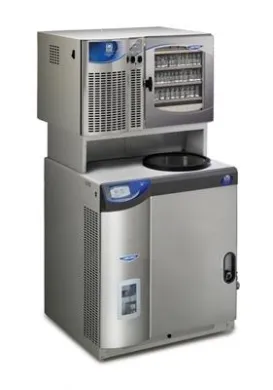
Among the listings that specify a type, the category spans more than valves alone. Freeze dryers and lyophilizers are the same instrument under two names, the device that removes water from a frozen sample by sublimation under vacuum, and they do lyophilization for sample preservation across molecular biology and pharmaceutical work. A freeze dryer is how a laboratory stabilizes proteins, vaccines, and reagents for long-term storage, and the freeze dryer for protein formulation is a recurring need in biomanufacturing and in cell culture supply chains. Laboratory valves regulate or shut off flow in these and other systems and are also used for gas handling and solvent lines. Vacuum systems and vacuum equipment supply the reduced pressure that lyophilization and distillation depend on, and are also used for filtration and degassing. Chromatography accessories, the fittings, injectors, and switching valves that route mobile phase, serve chromatography and support electrophoresis and protein purification workflows downstream.
The brands behind the valve and vacuum listings
Labconco, Agilent, HAM-LET, Rheodyne, Heidolph account for most of what the catalogue holds here. For a buyer that shapes three things. Parts are easier to find for an established maker, so a Labconco freeze dryer or an Agilent chromatography component can usually be matched to a replacement seal or fitting through Questpair without a long search. Price level follows the brand too, with precision chromatography fittings from Rheodyne and HAM-LET sitting apart from general laboratory equipment. And a concentrated brand field makes models easier to compare side by side, because a buyer weighing two Heidolph units is comparing within one maker's specification sheet rather than across incompatible conventions.
What a used valve or freeze dryer costs here
The split is 75 percent used, and prices run from EUR 20 to EUR 51.195. That range covers the full breadth of the category, from a single valve or fitting at the low end to a complete lyophilizer or vacuum station at the high end, which is why the average of EUR 5.282 sits well below the ceiling. Used and refurbished units are listed below the price of new, and warranty on any given unit is arranged in consultation for that listing.
Frequently asked questions
What is a laboratory valve?
A laboratory valve is a flow-control component that opens, closes, or regulates the passage of liquids or gases in an analytical or process line. It appears everywhere from vacuum manifolds to chromatography injection ports.
What does 'valve' mean in this category?
In this catalogue the term covers more than small fittings. Alongside injection, switching and shut-off valves, the listings include freeze dryers, lyophilizers and vacuum equipment, because flow control sits inside larger fluid-handling setups.
How do laboratory valves work?
A valve controls flow by moving an internal element such as a rotor, stem or ball to open, block or redirect a path. Injection and switching valves route a measured sample into a line, while shut-off valves isolate a section for maintenance or safety.
What types are listed here?
The listings group into laboratory valves themselves, covering injection, switching and shut-off designs, then freeze dryers and lyophilizers, then vacuum systems and vacuum equipment, with chromatography accessories such as loops and connectors rounding out the sample.
What are these valves and freeze dryers used for?
Valves route samples or isolate lines in chromatography and vacuum work. Freeze dryers and lyophilizers remove solvent and water from frozen samples under reduced pressure, which is central to protein purification, proteomics sample prep and long-term storage of cell culture stocks; vacuum systems supply the reduced pressure these rigs depend on.
How do I choose the right valve or unit?
Start from the task: a switching or injection valve for routing a chromatography sample, a lyophilizer for drying frozen material, a vacuum pump or manifold for filtration and evaporation. Then match port count, pressure rating, wetted materials and connection type to your existing line, all of which sit on the individual listing.
Refurbished versus used, what is the difference?
Used describes a unit sold in its working condition as received, while refurbished means it has been checked and brought back to working order before listing. Both are listed below the price of new, and the specific condition notes sit on each listing.
How much do valves and freeze dryers cost here?
Prices range from EUR 20 to EUR 51.195, with an average near EUR 5.282. The low end reflects an individual valve or chromatography fitting, the high end a complete lyophilizer or vacuum system.
Which brands are listed?
The recurring names are Labconco, Agilent, HAM-LET, Rheodyne and Heidolph. Labconco and Heidolph weight the freeze-drying and vacuum side, Rheodyne and HAM-LET sit on the valve and fitting side, and Agilent spans analytical systems that use both.
Is there a warranty on a refurbished unit?
A warranty is often possible and is arranged in consultation for the specific listing, since terms are not set across the whole catalogue. Check the listing and raise the question before purchase.
Can I still get parts, loops and seals?
Parts can be sourced via Questpair. A concentrated brand list helps here, because components for Rheodyne, HAM-LET and Labconco units are more straightforward to match than for obscure makers.
How long do these units last?
A valve's life depends on cycle count, media and seal wear, while a freeze dryer's depends on compressor and vacuum pump condition. Seals, rotors and pump parts are the usual wear items, and replacing them extends service life well beyond the first failure.
New versus refurbished, which should I buy?
The clearest difference is price: used and refurbished units are listed below new. Weigh the condition notes and any arranged warranty on the specific listing against the lower outlay, since that is where the detail for each unit lives.
Where can I buy these?
They are offered through verified suppliers and distributors on Questpair, with units arriving from 7 suppliers across 5 countries. Each listing shows the seller and the unit's condition.
What about lead time and shipping?
Lead time and shipping depend on the individual seller and where the unit ships from, across 5 countries. The listing is where that detail is confirmed, and specialists respond within an hour if you need to check before ordering.
How are valves and freeze dryers calibrated and maintained?
Valve maintenance centres on replacing worn rotors and seals and keeping ports clean, while freeze dryer upkeep covers the vacuum pump oil, condenser defrost and compressor checks. Questpair does not perform servicing, but parts for these tasks can be sourced through it.
Which types are most listed, and who reaches for which?
Laboratory valves, freeze dryers, lyophilizers, vacuum systems, vacuum equipment and chromatography accessories make up the listed families. A chromatographer reaches for a Rheodyne switching valve, a biochemist for a Labconco freeze dryer, and both appear in the same catalogue answering completely different needs.
Which brands dominate and what does that mean for a buyer?
Labconco and Heidolph recur on the freeze-drying and vacuum side, Rheodyne and HAM-LET on valves and fittings, Agilent across analytical systems. A concentrated brand list makes two units comparable on specification and makes spare parts easier to match.
What separates the bottom of the price band from the top?
The low end is a single valve, fitting or chromatography connector, where the item is small and self-contained. The top is a complete lyophilizer or vacuum system, a full instrument with compressor, condenser and pump, which is why the range stretches from EUR 20 to EUR 51.195.