

Overhead stirrers
We personally find you the right used, refurbished and new overhead stirrers instruments & equipment from verified suppliers.
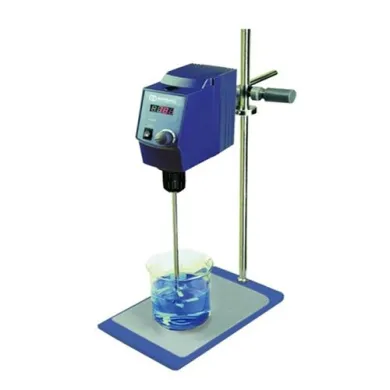
Overhead stirrers are motor-driven laboratory mixers that turn an impeller on a rigid shaft to blend liquids too viscous or too large in volume for a magnetic stir bar. They mount above the vessel on a stand or clamp and transmit torque directly, which is what lets them handle resins, gels, suspensions and batches running to many litres. On Questpair the catalogue holds 237 overhead stirrers from 13 verified suppliers and distributors across 6 countries. New, used and refurbished units are listed. 59 percent of the listings are used. Prices range from EUR 86 to EUR 15.227.
Updated:
Overhead stirrers product list


Not the exact instrument you need?
Tell our scientists what you are after. We track it down, including off-market supply.
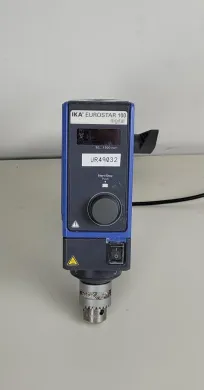
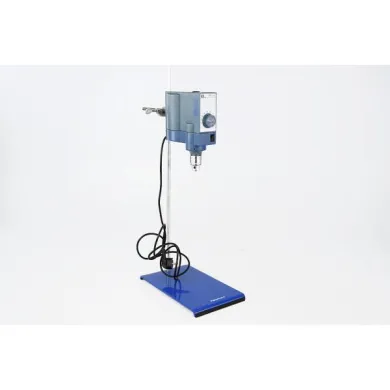
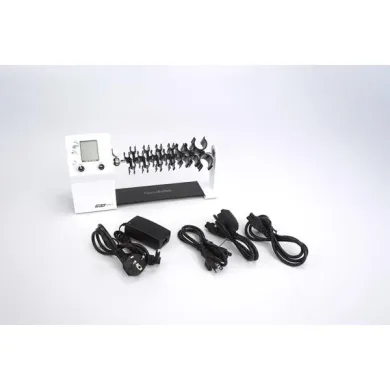
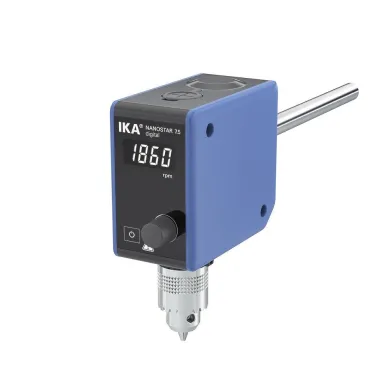
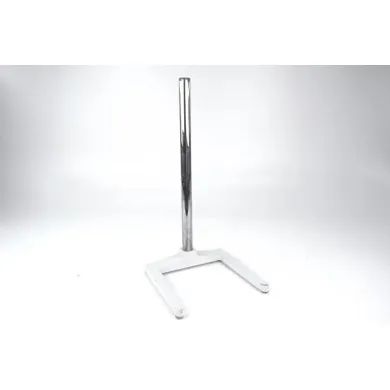
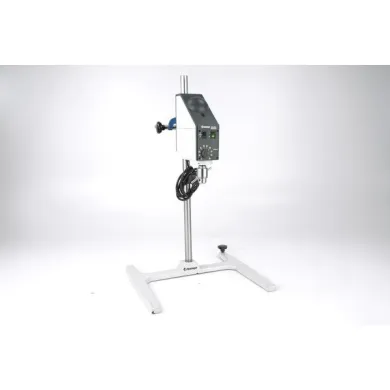
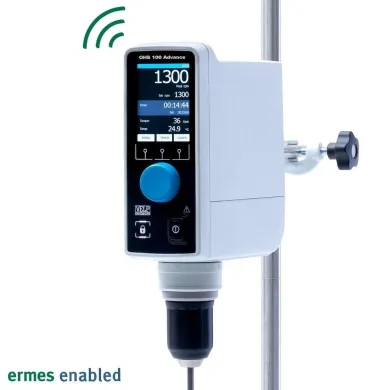
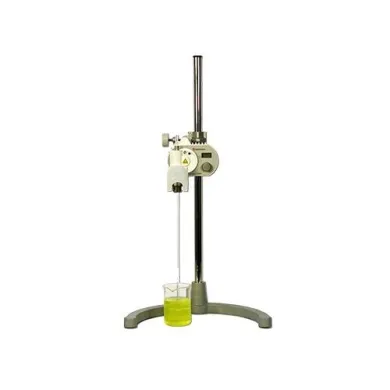
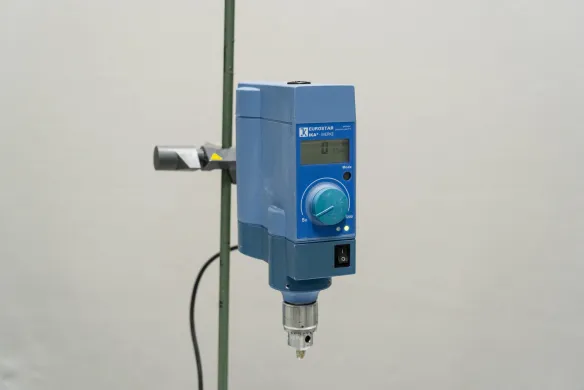
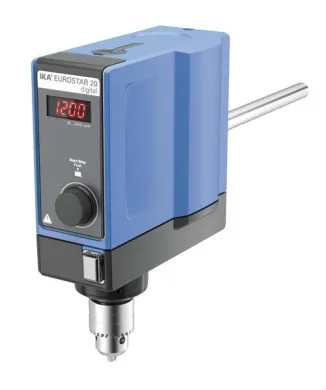
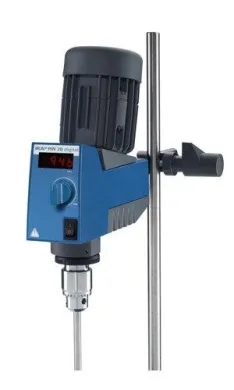
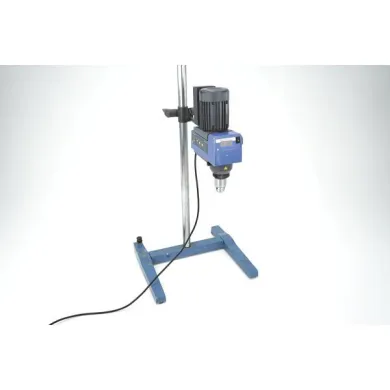
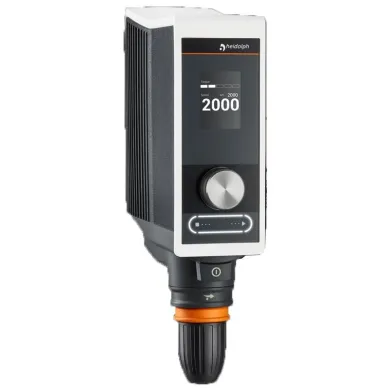
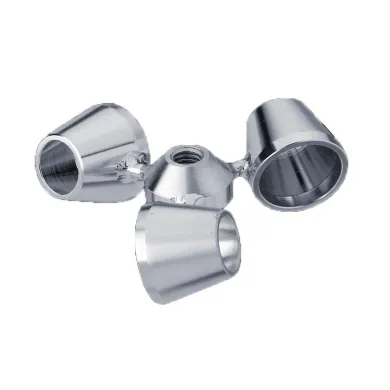
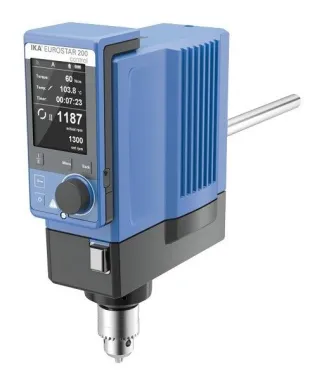
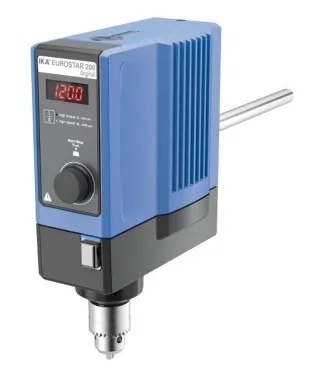
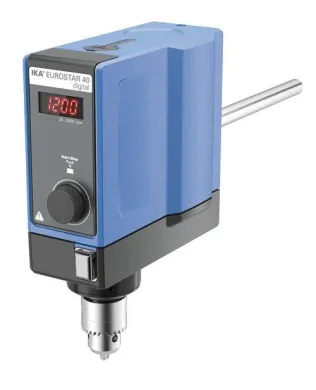
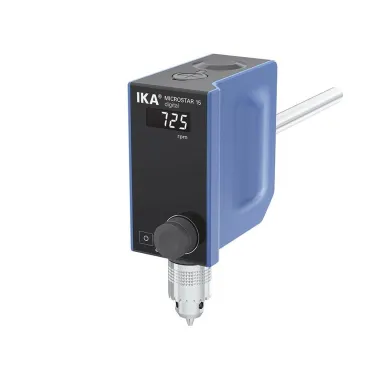
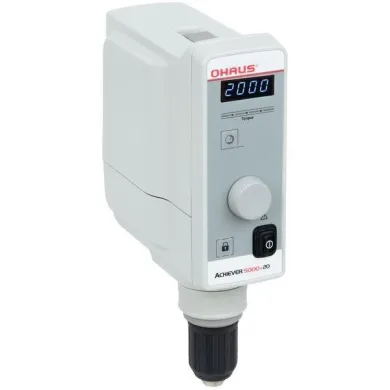
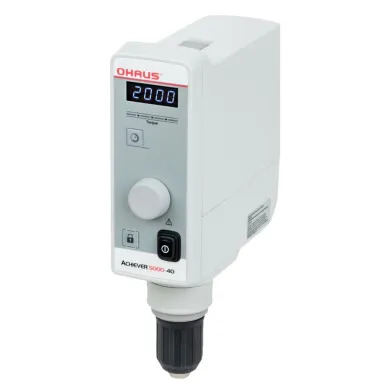
Ohaus e-A51ST020 Overhead Stirrer
- Category
- Overhead stirrers
- Brand
- Ohaus
- Suppliers
- 1 verified
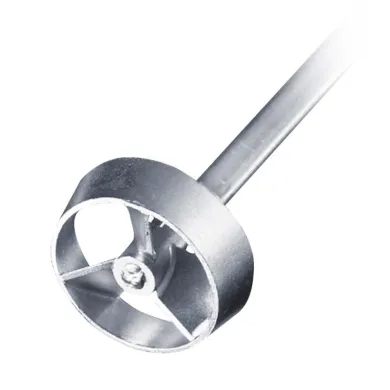
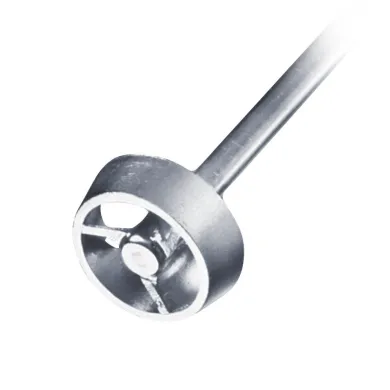
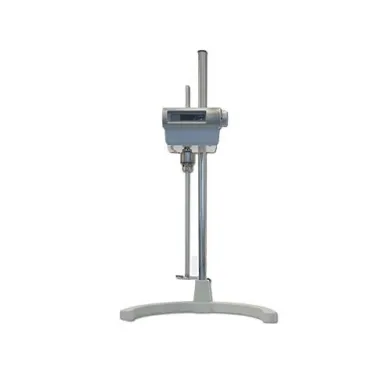
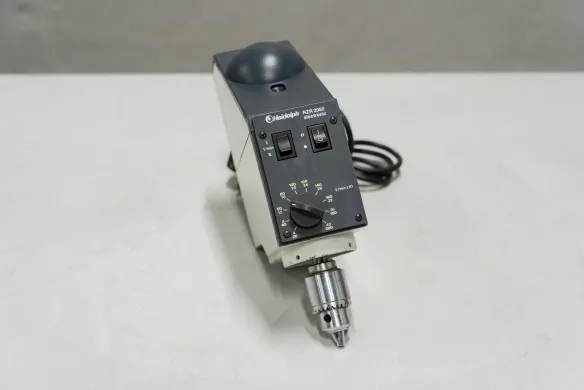
Not the exact instrument you need?
Tell our scientists what you are after. We track it down, including off-market supply.
Showing 1–40 of 175 listings
Show 40 more listingsBuying guide
What torque and viscosity settle before anything else?
The figure that decides an overhead stirrer is the torque it holds at speed against the medium you actually mix. A unit rated for thin aqueous solutions stalls in a polymer dispersion, and a datasheet speed range tells you nothing if the motor cannot sustain it under load. Work from the hardest batch the stirrer will see: its viscosity in millipascal-seconds, the volume, and whether the medium thickens as the reaction runs. A stirrer that copes with the worst case copes with everything lighter, so size to that and not to the average job.
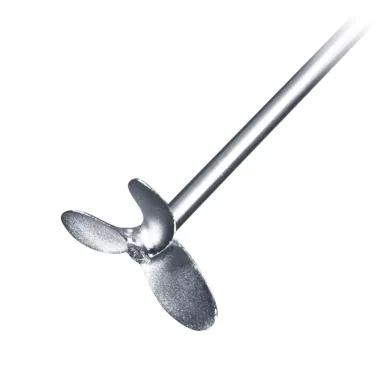
From there the shaft and impeller follow. The impeller geometry matches the flow you want, a propeller or turbine for low-viscosity circulation, an anchor or paddle for thick media that need the whole vessel moved rather than a jet of fluid. Chuck capacity sets the shaft diameters the unit will grip, and the mounting height has to clear your tallest vessel on its stand. These are not afterthoughts to a torque figure; they are how the torque reaches the medium.
Condition is where a used overhead stirrer earns its lower price or loses it. The motor and the gearbox are the parts that wear, and a bearing that has run dry shows up as play in the shaft or as a motor that labours at mid-range speed. Ask what the unit was mixing and for how long, because a drive worn in on solvent-thin work is a different proposition from one aged in abrasive slurries. Verify that the speed display tracks the actual shaft rotation, that the chuck closes true, and that the stand and clamp are the originals rather than a substitute that shifts under torque. A unit priced for a budget is only a saving if the drivetrain has life left in it.
Price spans a wide band here, and the band maps onto capability. Among the current listings prices run from EUR 86 to EUR 15.227, with an average near EUR 1.256. The low end is compact analogue stirrers for small, thin batches; the high end is high-torque digital units with programmable profiles and the frame to drive large viscous volumes. IKA, Heidolph, Yamato, Ohaus, Caframo occupy most of that range, so a given specification is usually available more than once and worth comparing across sellers. Refurbished and used units are listed below the cost of new, which makes a stirrer with the torque you need affordable at a capability a new budget would not reach. The listing says what you are buying; the specification says whether it fits.
Types of Overhead stirrers
Which overhead stirrer types are listed here?
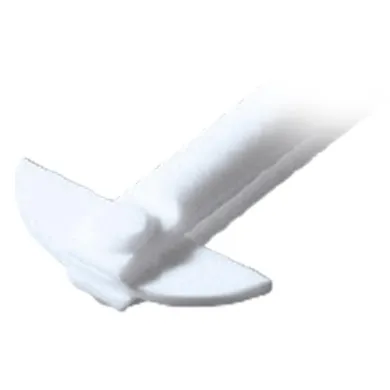
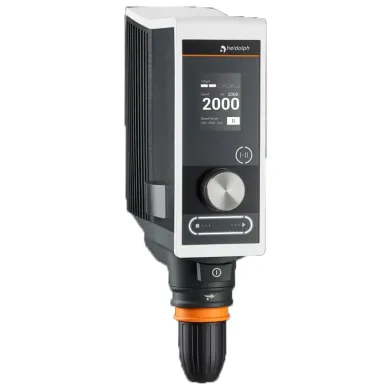
Among the listings that specify a type, the common ones are overhead stirrer, laboratory mixer, laboratory stirrer, digital stirrer, mixing equipment, impeller. The split is less about different machines than about how a stirrer is described and controlled. A plain overhead stirrer is the drive unit, motor and chuck on a stand. A laboratory mixer or laboratory stirrer is the same class under the name a buyer reaches for when the job is blending rather than a named reaction. A digital stirrer adds a controller that sets and holds a speed and, on the better units, reads back torque, which matters when a process has to be repeated batch to batch or documented. The impeller is the wetted end that the drive turns, listed on its own because it wears, because geometry is chosen for the medium, and because a shaft and blade in the right alloy outlasts several motors.
Overhead stirrers do real work in biotechnology and the life sciences wherever a batch is too viscous or too large for a magnetic bar. They drive cell culture and bioprocessing at bench and pilot scale, keeping suspension cultures and microbial broths homogeneous without the shear a high-speed rotor would impose. In protein purification and formulation they fold reagents into buffers and resuspend precipitates, and in sample preparation for molecular biology they blend lysates and homogenates ahead of extraction. Anchor and paddle impellers also used for mixing agar and viscous media in microbiology, where the medium has to move as a whole rather than spin at the centre. A gentle, torque-driven overhead stirrer for cell culture is a routine request, and so is a high-torque laboratory mixer for viscous bioprocessing formulation, because the same drive that moves a thick polymer moves a thick biomass.
The brands behind the overhead stirrer listings
The names that recur are IKA, Heidolph, Yamato, Ohaus, Caframo. For a buyer that recurrence is the useful part: a drive sold in quantity has a service history behind it, spare chucks and shafts in circulation, and enough units listed that a specification can be compared across sellers rather than taken on a single asking price. IKA and Heidolph anchor the digital high-torque end, Caframo and Ohaus reach the compact and analogue side, and Yamato sits across the range. Where several listings carry the same model, the market sets the price rather than one seller, and parts for a well-represented drive can be sourced via Questpair rather than hunted for.
What a used overhead stirrer costs here
The catalogue carries new, used and refurbished units together. 59 percent of the listings are used. Prices run from EUR 86 to EUR 15.227. That spread covers everything from a small analogue stirrer for a single thin batch to a programmable high-torque mixer built for large viscous volumes, so the range is a map of capability rather than a measure of condition. A used or refurbished unit is listed below the price of a comparable new one, and across 13 verified suppliers and distributors a given torque class usually appears more than once.
Frequently asked questions
What is an overhead stirrer?
An overhead stirrer is a motor-driven laboratory mixer that turns an impeller on a rigid shaft to blend liquids that are too viscous or too large in volume for a magnetic stir bar. It mounts above the vessel on a stand or clamp and transmits torque directly to the medium.
What does overhead stirrer mean?
The name describes the mounting: the drive sits over the vessel rather than beneath it, with the shaft and impeller reaching down into the liquid. It separates this class from magnetic stirrers, which couple to a stir bar from below the vessel.
How do overhead stirrers work?
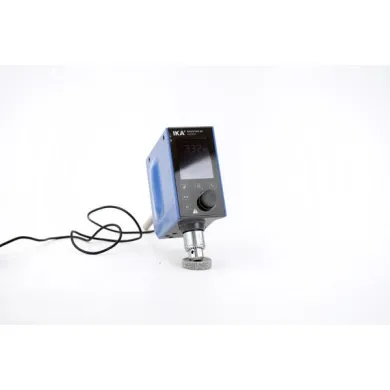
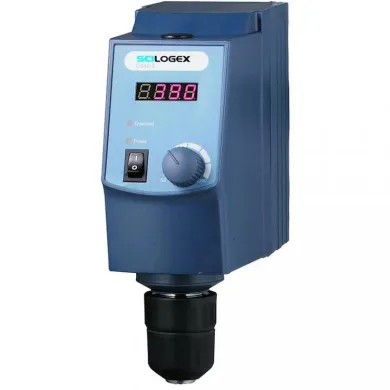
A motor and gearbox drive a chuck that grips a shaft, and the shaft carries an impeller into the medium. The motor holds a set speed against the resistance of the liquid, so the torque it can sustain under load is what determines whether it keeps turning in a thick batch.
What types of overhead stirrers are there?
Listings here appear as overhead stirrer, laboratory mixer, laboratory stirrer, digital stirrer, mixing equipment and impeller. The first three are largely the same drive class under different names, a digital stirrer adds a controller that sets and holds speed and sometimes reads torque, and an impeller is the wetted end listed separately because it wears and is chosen for the medium.
What are overhead stirrers used for?
They blend liquids a magnetic bar cannot handle: resins, gels, suspensions and batches running to many litres. In the life sciences they drive cell culture and bioprocessing, fold reagents into buffers, resuspend precipitates, and mix viscous agar and media where the whole vessel has to move rather than spin at the centre.
How do I choose an overhead stirrer?
Start from the hardest batch the unit will mix: its viscosity, its volume, and whether it thickens as the reaction runs, then pick a drive that holds torque at speed against that worst case. From there the impeller geometry, chuck capacity and mounting height follow, since those are how the torque actually reaches the medium.
Refurbished or used, what is the difference?
A used unit is sold as it came off the previous bench, while a refurbished one has been checked and brought back toward working order before listing. For either, ask what the drive was mixing and for how long, since a motor worn in on solvent-thin work differs from one aged in abrasive slurries.
How much does an overhead stirrer cost?
Across the current listings prices run from EUR 86 to EUR 15.227, with an average near EUR 1.256. The low end is compact analogue stirrers for small thin batches and the high end is programmable high-torque units built for large viscous volumes, so the spread maps onto capability rather than condition.
Which brands make overhead stirrers?
The names that recur in the catalogue are IKA, Heidolph, Yamato, Ohaus and Caframo. IKA and Heidolph sit at the digital high-torque end, Caframo and Ohaus reach the compact and analogue side, and Yamato spans the range.
Is there a warranty on a refurbished overhead stirrer?
A warranty is often possible and is arranged in consultation for the specific listing. Terms are not set centrally, so check the individual listing and raise warranty before you buy.
Can I get parts for an overhead stirrer?
Parts such as chucks, shafts and impellers can be sourced via Questpair. A well-represented drive has spare parts in wider circulation, which is one reason a model that appears across several listings is easier to keep running.
How long does an overhead stirrer last?
The motor and gearbox are the parts that wear, so lifespan depends on what the unit mixed and how hard the drivetrain was pushed. A shaft and blade in the right alloy often outlast several motors, which is why impellers are listed separately.
New or refurbished, which should I buy?
Used and refurbished units are listed at lower prices than new, which can put a stirrer with the torque you need within a budget that new would not reach. Weigh the specific listing on its drivetrain condition and arrange any warranty in consultation for that unit.
Where can I buy an overhead stirrer?
The Questpair catalogue holds 237 overhead stirrers from 13 verified suppliers and distributors across 6 countries. New, used and refurbished units are listed together, so a given torque class usually appears more than once for comparison.
What are the lead time and shipping on an overhead stirrer?
Lead time and shipping depend on the individual listing and the supplier holding it, since units ship from verified suppliers and distributors across 6 countries. Check the listing for its location and ask the supplier for a dispatch estimate.
How do I calibrate and maintain an overhead stirrer?
Verify that the speed display tracks the actual shaft rotation and that the chuck closes true, and watch for play in the shaft or a motor that labours at mid-range speed, both signs of worn bearings. Keep the stand and clamp secure so they do not shift under torque. Questpair does not service units, but replacement parts can be sourced through it.
Which overhead stirrer types are most listed, and who reaches for which?
Among listings that specify a type, overhead stirrer, laboratory mixer and laboratory stirrer dominate, with digital stirrer and impeller also common. A buyer naming a reaction tends to search overhead stirrer, one focused on blending reaches for laboratory mixer, and a process that must be documented batch to batch wants a digital stirrer that holds and reads back speed.
Which brands dominate the listings, and what does that mean for a buyer?
IKA, Heidolph, Yamato, Ohaus and Caframo recur across the catalogue. Where several listings carry the same model the market sets the price rather than one seller, and spare chucks and shafts for a well-represented drive are easier to source through Questpair than hunt for.
What separates the cheapest overhead stirrers from the most expensive here?
The bottom of the band is compact analogue stirrers for small thin batches, with a single speed control and limited torque. The top is high-torque digital units with programmable speed profiles, torque readback and a frame built to drive large viscous volumes, so the price gap reflects how hard a medium the drive can sustain and how repeatable the process has to be.