
Vacuum systems
We personally find you the right used, refurbished and new vacuum systems from verified suppliers.
Vacuum systems are the equipment that reduces pressure in a sealed space below atmospheric, drawing gas out to create the partial vacuum that filtration, evaporation, freeze drying and degassing all depend on. The Questpair catalogue holds 931 vacuum system listings from 18 verified suppliers and distributors across 9 countries, offered new, used and refurbished. 95 percent of the listings are used. Prices range from EUR 17 to EUR 64.567, a span that reflects the gap between a small benchtop pump and a complete industrial installation. A laboratory buyer looking for a vacuum pump works from pressure and flow rate first, then from the mechanism inside the pump, which is where the choice between an oil-sealed and a dry design is settled.
Updated:
Vacuum systems product list


Not the exact instrument you need?
Tell our scientists what you are after. We track it down, including off-market supply.
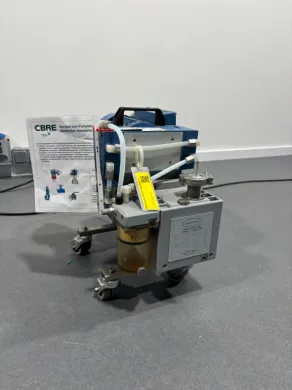
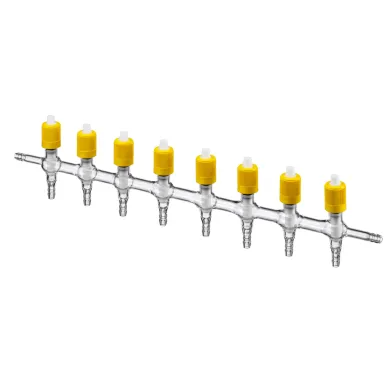
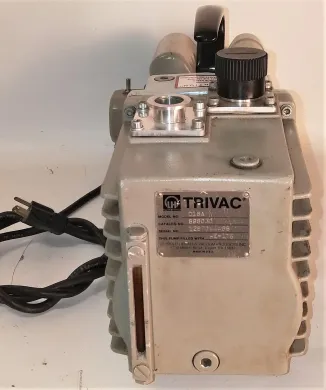
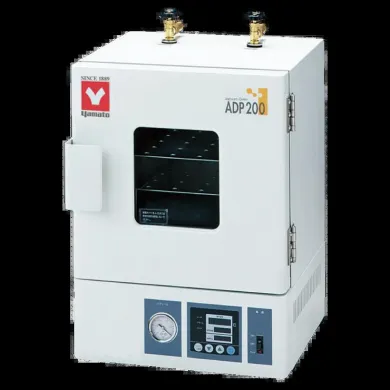
Not the exact instrument you need?
Tell our scientists what you are after. We track it down, including off-market supply.
Showing 1–40 of 468 listings
Show 40 more listingsBuying guide
What ultimate vacuum and pumping speed decide before anything else?
The number that settles a vacuum pump purchase is the ultimate pressure it reaches, quoted in millibar or torr, because it sets the floor for what the application can do. Rough vacuum work such as filtration and aspiration tolerates a modest ultimate pressure; rotary evaporation needs a lower one; freeze drying and vacuum ovens lower still. Pumping speed, given in cubic metres per hour or litres per minute, decides how fast that pressure is reached and how well the pump holds it against a leak or a gas load. A pump that reaches a deep vacuum slowly suits a sealed static system, while a faster pump at a higher ultimate pressure suits a process that keeps introducing vapour. Read both figures together against the work, not in isolation.
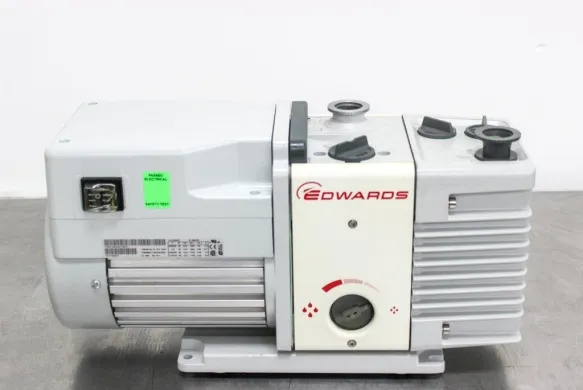
The mechanism inside the pump follows from those two numbers and carries its own consequences. An oil-sealed rotary vane design reaches a low ultimate pressure cheaply and is common across the listings, but the oil contaminates the exhaust and the pumped gas, needs changing, and reacts badly to corrosive vapour. A diaphragm or dry pump avoids the oil entirely, which matters where a solvent or an acid would wreck the fluid, at the cost of a higher ultimate pressure. Chemical-duty variants sit between the two. Match the mechanism to what the pump will actually draw through it.
On a used unit, the condition of the moving parts matters more than the datasheet, because an oil-sealed pump that has run on the wrong fluid or swallowed vapour will not reach its rated pressure however good the specification reads. Ask whether the oil has been changed and what ran through it, check the ultimate vacuum against the plate figure if a test is possible, and look for the gas ballast valve and the state of the seals. The rated ultimate pressure is what the pump did when new, not what it does now.
Where price is concerned, the catalogue spreads from EUR 17 to EUR 64.567, and the cheapest listings are small benchtop pumps while the top of the range covers large industrial systems. A used pump that fits a tight budget sits well below a new one, and refurbished units listed for sale are more affordable than new while still carrying tested performance. The brands that fill the mid-range, among them Edwards, Leybold, Vacuubrand, Welch, Agilent, make a particular model easy to compare across several listings and keep spare parts within reach, which is worth as much as the purchase price over the life of the pump.
Types of Vacuum systems
Which vacuum pump types are listed?
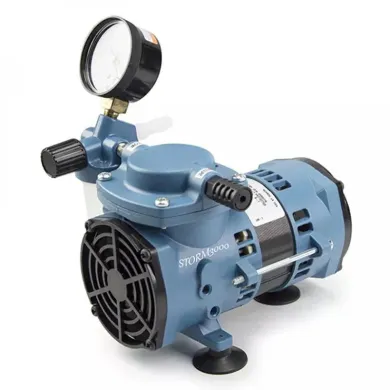
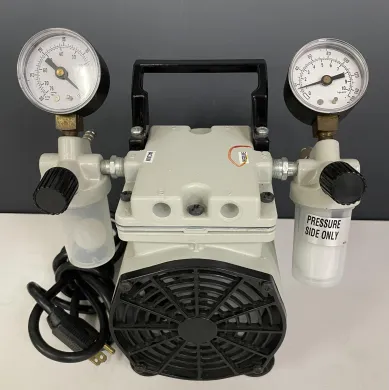
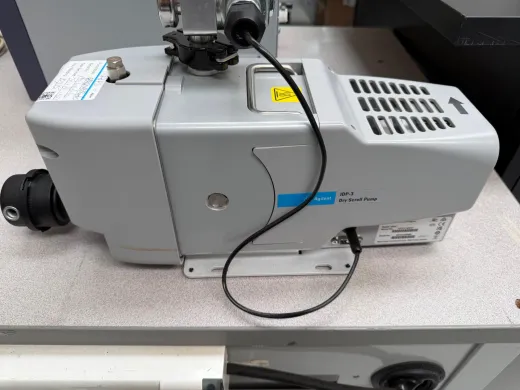
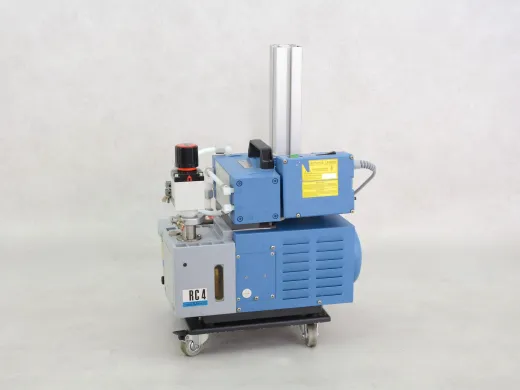
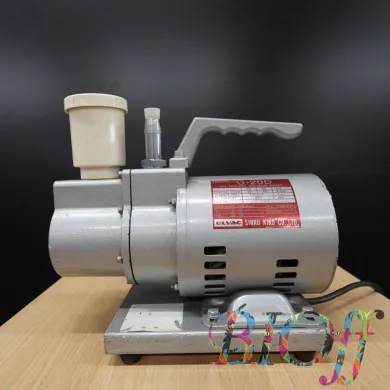
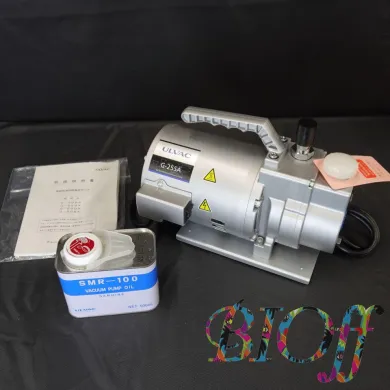
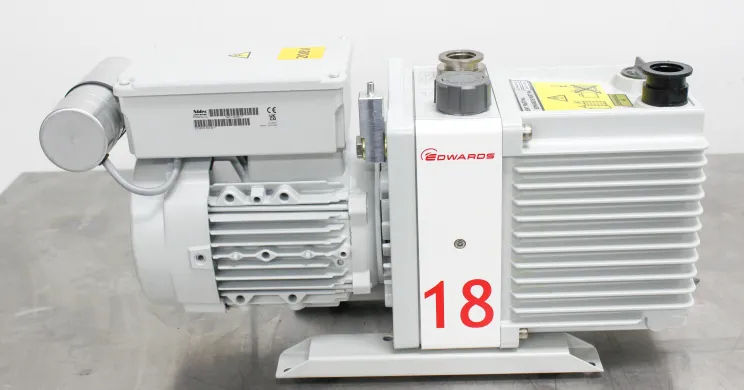
Among the listings that specify a type, the laboratory vacuum pump is the most common, a general-purpose unit sized for a bench and a single instrument. The rotary vane vacuum pump names the mechanism rather than the setting: a rotor with sliding vanes sweeps gas through the pump and is the workhorse of rough and medium vacuum. Oil-sealed vacuum pumps are rotary vane pumps that use oil as the sealing and lubricating fluid, which lets them reach a lower ultimate pressure at the expense of a contaminated exhaust. Industrial vacuum pumps are the larger, higher-throughput end, built for continuous duty and process loads rather than a single benchtop application. The benchtop vacuum pump is the compact counterpart, sized for aspiration, filtration and small evaporation tasks. A buyer reaching for freeze drying or deep evacuation starts among the oil-sealed and rotary vane units; one filtering samples or degassing solvents reaches for a benchtop model.
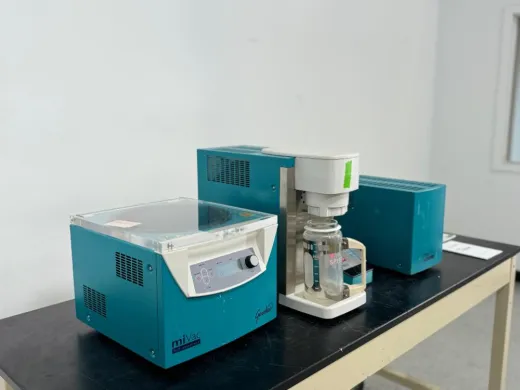
Vacuum pumps underpin a wide range of life sciences and biotechnology work. In cell culture they drive aspiration of spent media and waste; in molecular biology and genomics they pull samples through filtration manifolds and solid-phase extraction plates. A rotary evaporator or a centrifugal concentrator running under vacuum supports protein purification and sample preparation for proteomics, and a lab vacuum pump for freeze drying preserves biological material and reagents by lyophilisation. Degassing buffers before electrophoresis, evacuating a desiccator for microbiology consumables, and holding vacuum on a filtration flask are all everyday tasks these pumps serve.
The brands behind the vacuum system listings
The listings cluster around Edwards, Leybold, Vacuubrand, Welch, Agilent. A buyer gains more from that concentration than name recognition: where several listings carry the same maker and the same model line, ultimate pressure, pumping speed and condition can be compared directly instead of guessed at. Established makers also keep seals, vanes and oil available, so a used pump stays serviceable rather than becoming a one-off. Part availability and a settled second-hand price level are the practical reasons the dominant brands matter here.
What a used vacuum pump costs here
The condition mix runs heavily to pre-owned equipment: 95 percent of the listings are used. Prices range from EUR 17 to EUR 64.567, with the low end covering small benchtop pumps and the high end complete industrial vacuum systems. The spread reflects size and mechanism more than age, so a buyer reads the price against the type rather than against the listing date.
Frequently asked questions
What is a vacuum system?
A vacuum system is equipment that reduces pressure in a sealed space below atmospheric by drawing gas out, creating the partial vacuum that processes like filtration, evaporation and freeze drying depend on. The term covers everything from a small benchtop pump to a complete industrial installation.
What does vacuum system mean in a lab context?
In a laboratory it usually means the pump and the tubing, manifold or flask it connects to, sized for a bench and a single instrument. The pump itself is the active part, pulling gas out to reach a target pressure.
How do vacuum pumps work?
A vacuum pump removes gas molecules from a sealed volume so the pressure inside drops below atmospheric. A rotary vane pump does this with a rotor carrying sliding vanes that sweep gas through and out the exhaust; a diaphragm pump uses a flexing membrane instead.
What types of vacuum pumps are there?
The listings include laboratory vacuum pumps, rotary vane pumps, oil-sealed pumps, industrial pumps, benchtop pumps and general vacuum pumps. Rotary vane and oil-sealed designs reach lower pressures; diaphragm and dry designs avoid oil contamination at the cost of a higher ultimate pressure.
What are vacuum pumps used for?
They drive aspiration of spent media in cell culture, pull samples through filtration manifolds and extraction plates, run rotary evaporators and concentrators under vacuum, and support freeze drying. Degassing buffers, evacuating desiccators and holding vacuum on a filtration flask are routine uses.
How do I choose a vacuum pump?
Start with the ultimate pressure the application needs, quoted in millibar or torr, then the pumping speed in cubic metres per hour or litres per minute. After those two figures, pick the mechanism: oil-sealed for a low pressure at low cost, dry or diaphragm where solvents or acids would wreck the oil.
What is the difference between refurbished and used?
A used pump is sold in its existing condition, while a refurbished unit has been serviced and tested against its rated performance before listing. On any pre-owned oil-sealed pump, ask whether the oil has been changed and what ran through it, since that affects whether it still reaches its plate pressure.
How much does a vacuum pump cost?
Prices in the catalogue range from EUR 17 to EUR 64.567, with the average around EUR 1.845. The low end covers small benchtop pumps and the high end complete industrial systems, so the spread reflects size and mechanism more than age.
Which brands make vacuum pumps?
The listings cluster around Edwards, Leybold, Vacuubrand, Welch and Agilent. Where several listings carry the same maker and model line, you can compare ultimate pressure, pumping speed and condition directly instead of guessing.
Is a warranty available on a refurbished vacuum pump?
A warranty is often possible and is arranged in consultation for the specific listing. Check the individual listing for its stated condition and terms.
Can I get parts for a vacuum pump?
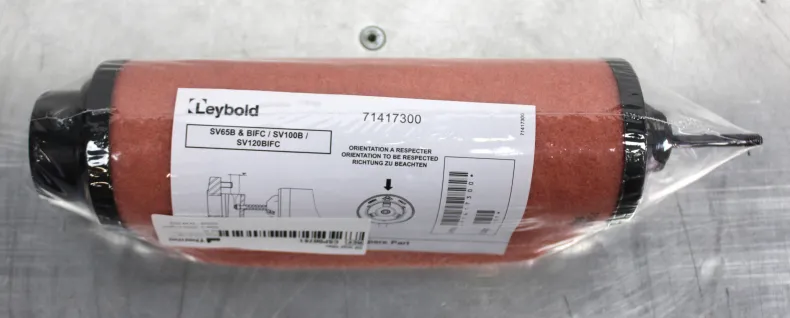
Parts such as seals, vanes and oil can be sourced via Questpair. Established makers like Edwards, Leybold and Vacuubrand keep these consumables available, which is what lets a used pump stay serviceable.
How long does a vacuum pump last?
Lifespan depends on the mechanism and how it is treated: an oil-sealed rotary vane pump lasts for years if the oil is changed on schedule and corrosive vapour is kept out of it. Running the wrong fluid or swallowing solvent shortens that sharply, which is why used condition matters more than the datasheet.
New versus refurbished, which should I buy?
Used and refurbished pumps are listed at lower prices than new. Weigh the specific listing against your budget and the work, and check the warranty terms, which are arranged in consultation for that listing.
Where can I buy a vacuum pump?
The Questpair catalogue holds 931 vacuum system listings from 18 verified suppliers and distributors across 9 countries, offered new, used and refurbished. You can filter by type, brand and condition.
What is the lead time and shipping on a vacuum pump?
Lead time and shipping depend on the individual supplier and the unit's location, since listings come from suppliers and distributors across 9 countries. The listing or the supplier can confirm dispatch and delivery for that specific pump.
How do I maintain a vacuum pump?
For an oil-sealed pump, change the oil on schedule and check the gas ballast valve and seals; the right maintenance keeps it reaching its rated pressure. Diaphragm and dry pumps have no oil but their membranes and valves wear and need periodic replacement.
Which vacuum pump types are listed most, and who reaches for each?
The laboratory vacuum pump is the most common among listings that specify a type, a general-purpose bench unit. A buyer doing freeze drying or deep evacuation starts among oil-sealed and rotary vane units; one filtering samples or degassing solvents reaches for a benchtop model.
Which brands dominate this category and what does that mean for me?
Edwards, Leybold, Vacuubrand, Welch and Agilent account for the bulk of the listings. That concentration means a given model appears across several listings for direct comparison, and the consumables for it stay within reach rather than becoming a one-off.
What separates the cheapest listings from the most expensive?
The bottom of the band is small benchtop pumps sized for aspiration and filtration at a modest ultimate pressure. The top is large industrial systems built for continuous duty and process loads, so the gap tracks size, throughput and mechanism rather than the listing date.