

Heating & cooling
We personally find you the right used, refurbished and new heating & cooling instruments & equipment from verified suppliers.
Heating and cooling equipment is the class of laboratory instruments that holds a sample, a reagent or a working volume at a set temperature, whether that target sits below freezing or far above ambient. The category spans freezers, water baths, ovens and dedicated temperature control units, each built for a different part of the range. The Questpair catalogue lists 4213 such items from 22 verified suppliers and distributors across 11 countries. New, used and refurbished units are all listed, and 88 percent of them are used. Prices run from EUR 1 to EUR 47.349, which places bench accessories and complete thermal chambers in the same catalogue.
Updated:
Heating & cooling product list
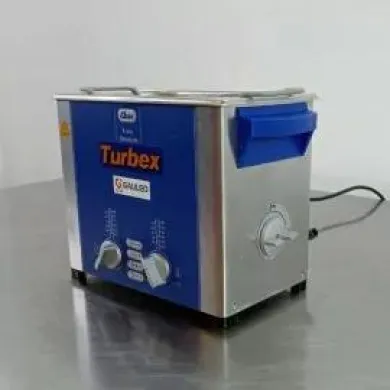
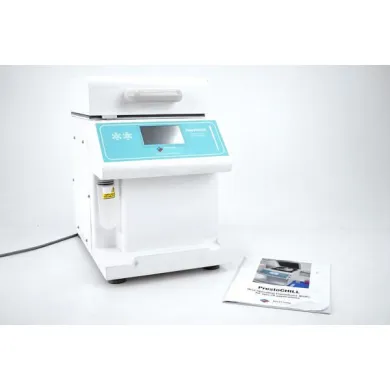
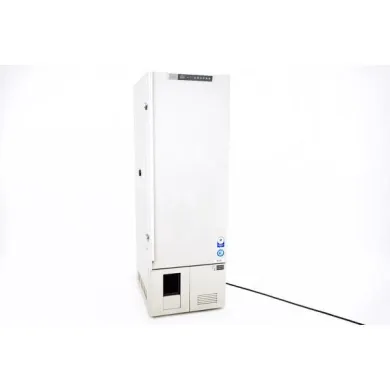


Not the exact instrument you need?
Tell our scientists what you are after. We track it down, including off-market supply.
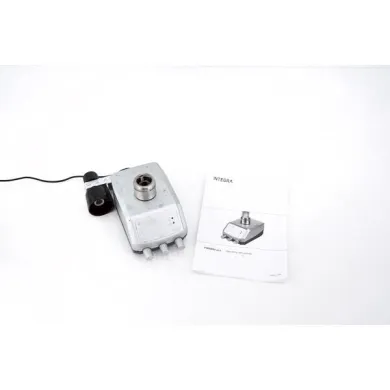
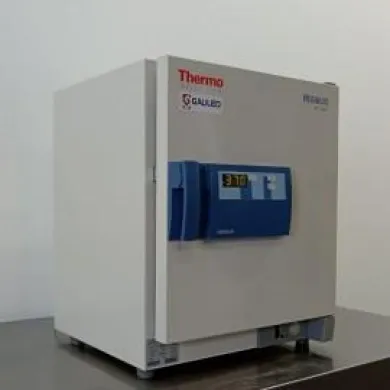
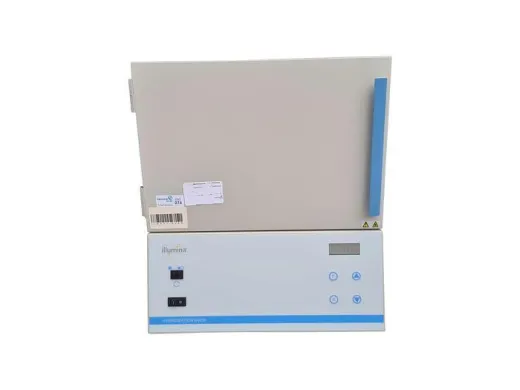
Illumina Boekel 230401 - 21LL Hybridization Oven
- Category
- Furnaces
- Brand
- Illumina
- Suppliers
- 1 verified
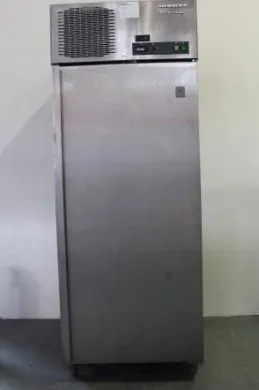
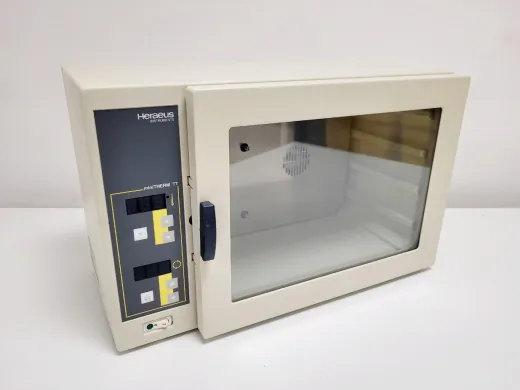
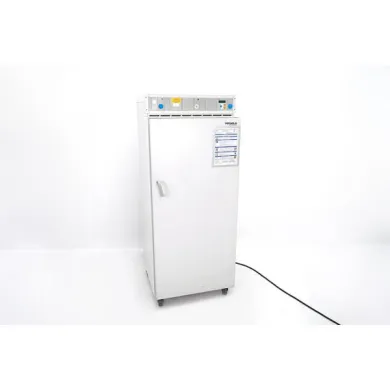
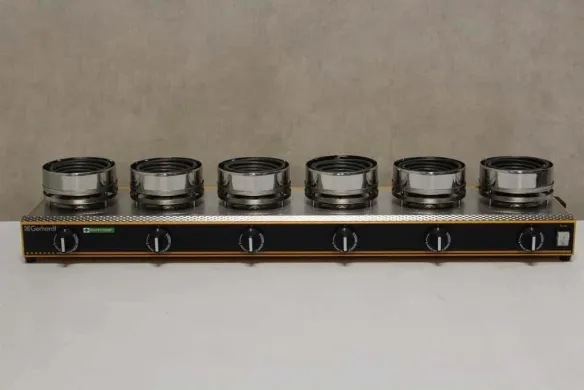
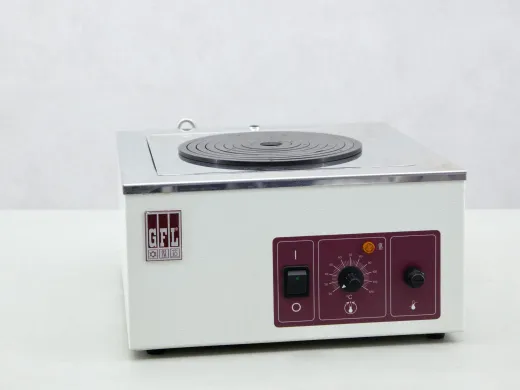
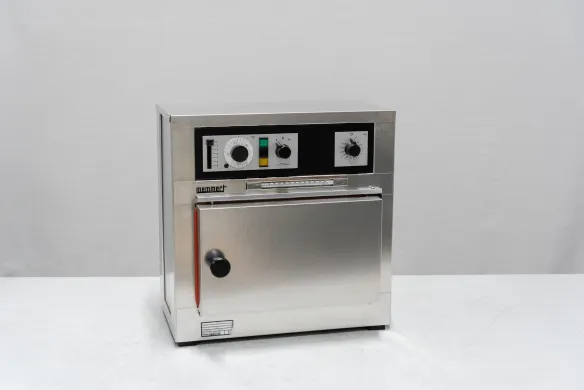
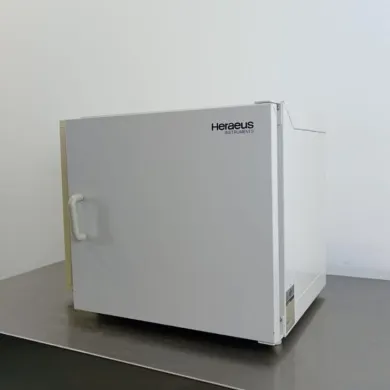
Thermo Heraeus B6060 Incubator
- Category
- Heating and cooling
- Brand
- Heraeus
- Suppliers
- 1 verified
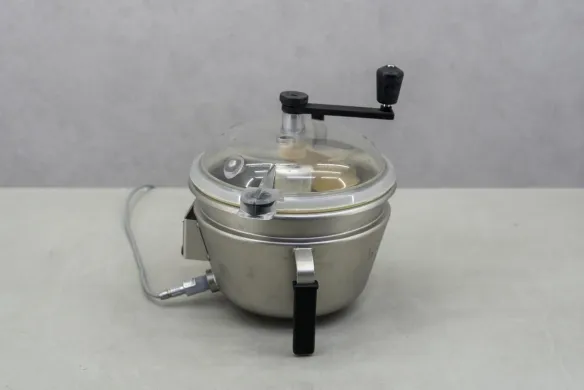
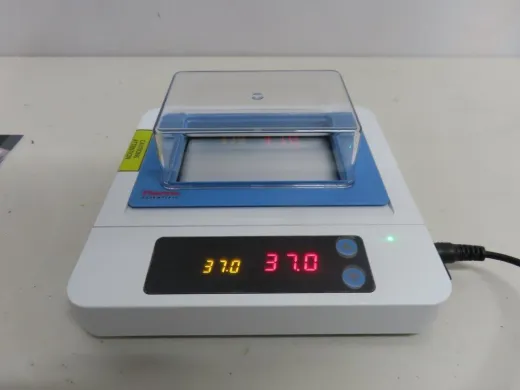
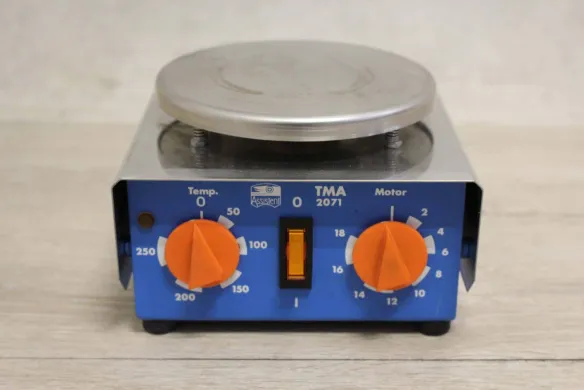
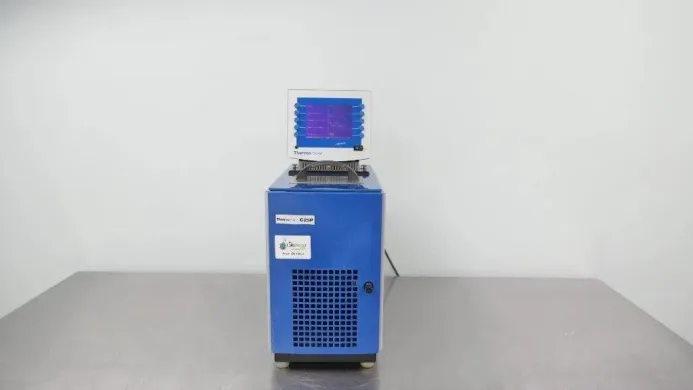
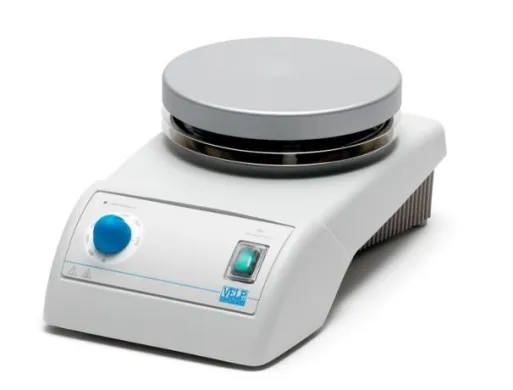
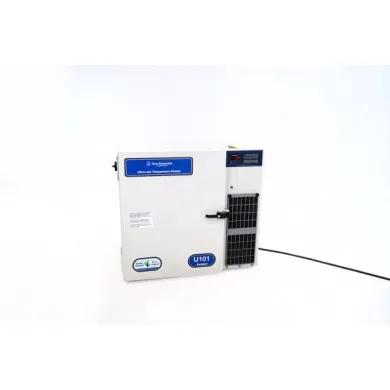
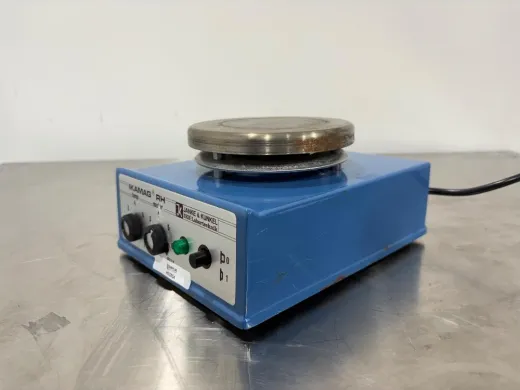
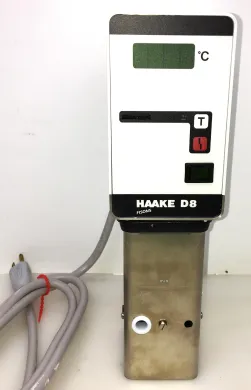
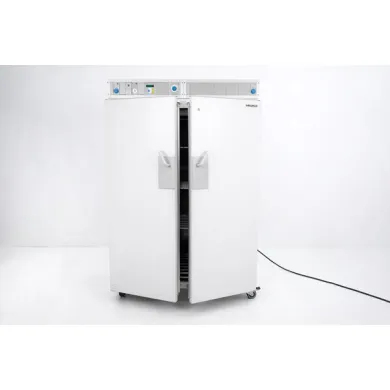
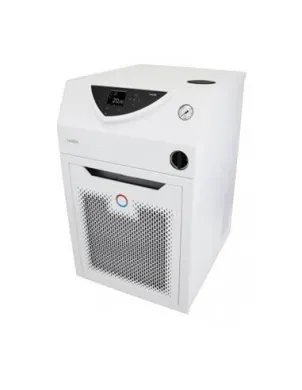
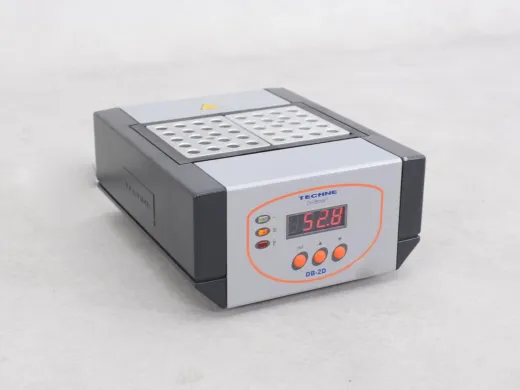
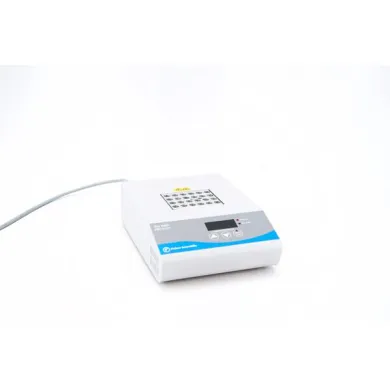
Techne Dri-Block DB-2D Block Thermostat
- Category
- Heating and cooling
- Brand
- Techne
- Suppliers
- 1 verified
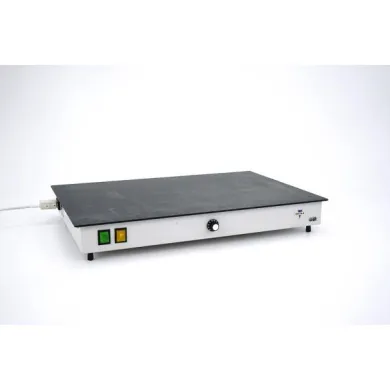
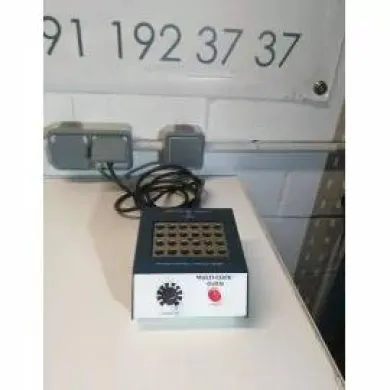
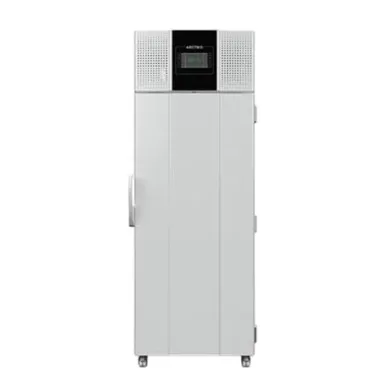
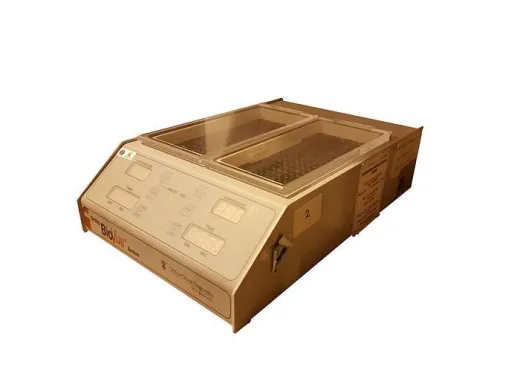
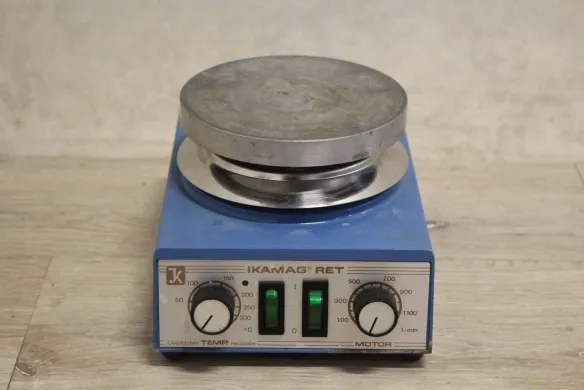
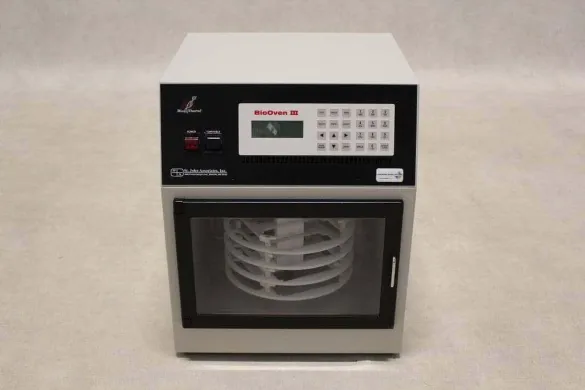
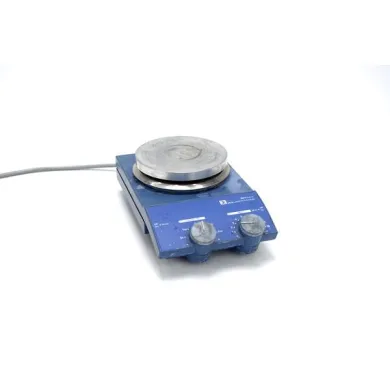
Not the exact instrument you need?
Tell our scientists what you are after. We track it down, including off-market supply.
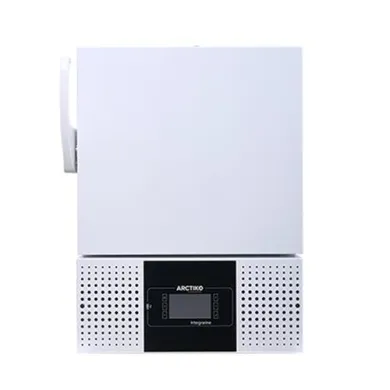
Showing 1–40 of 1,970 listings
Show 40 more listingsBuying guide
The temperature range decides most of these purchases before anything else does, because the span a buyer needs rules out whole equipment types at a stroke. A minus eighty freezer and a drying oven share a catalogue heading and almost nothing else: one holds samples near the floor of what mechanical refrigeration reaches, the other runs a hundred and sixty degrees above room temperature. Settle the target first, with its tolerance, and the type of equipment follows from it rather than the other way round. A bath that holds plus or minus a tenth of a degree and a general oven that drifts a full degree are both correct, for different work, and a buyer who starts from the range will not confuse them.
Uniformity and stability come next, and they are separate figures. A water bath can hold its setpoint steady over time and still vary by a degree across the tank, which matters for a run of tubes sitting at different depths. An oven's uniformity figure tells you how far corner and centre diverge at temperature. Ask for both, because a single setpoint number conceals the one that usually causes trouble.
On a used unit the questions turn physical. A compressor is the part that fails on a freezer and the expensive one to replace, so the pull-down time and the hours matter more than the datasheet. Door seals perish, heating elements age, and a bath that has run hard shows scale and corrosion in the tank. Ask what the unit last held and for how long. Calibration is cheaper to restore than a compressor, so a recently serviced unit that holds temperature is worth more than its age suggests.
Where the price sits depends entirely on which type you landed on. A benchtop water bath costs a fraction of an ultra-low freezer, and the band here runs from EUR 1 to EUR 47.349 because it carries both. Used and refurbished units are listed below new, which is the bulk of what makes the lower end affordable. Among the names a buyer meets at these prices are Thermo Scientific, VWR, Thermo Fisher Scientific, IKA, Eppendorf, which tend to be the easiest models to find parts for and to compare like with like. Fixing a budget to a type rather than to the category keeps the comparison honest; a unit that is cheap for a freezer is not for sale at a water bath's price for a reason.
Types of Heating & cooling
Which heating and cooling types are listed?
Among the listings that specify a type, six recur. Laboratory freezers are the most common, covering everything from under-counter boxes to ultra-low chest and upright models that reach minus eighty, the standard for long-term storage of cell lines, serum and enzyme stocks in molecular biology and genomics work. Laboratory water baths and their benchtop variants hold a tank of water at a set temperature for incubations, thawing and gentle heating; they are a fixture of cell culture, immunoassay protocols and sample preparation where a reagent must sit at a precise, even temperature. Temperature control units and the broader temperature control equipment group cover circulators, chillers and heater-coolers that pump regulated fluid to an external vessel, which is how reaction jackets and bioprocessing vessels are held at setpoint. Laboratory ovens occupy the hot end, drying glassware, curing samples and running gravimetric moisture work well above ambient. The split between them is the range each was built for, and a buyer who knows the target temperature knows which of the six to open first.
The brands behind the heating and cooling listings
Thermo Scientific, VWR, Thermo Fisher Scientific, IKA, Eppendorf account for much of the catalogue here. For a buyer that presence is practical rather than decorative: a model that recurs across the listings is one whose seals, racks and controllers are easier to source, and one you can line up against a near-identical unit to compare specification and condition rather than guess. The spread of makers also sets the price level, since a common benchtop bath from a volume manufacturer sits well below a specialist ultra-low freezer. Parts for any of them can be sourced via Questpair.
What a used heating or cooling unit costs here
88 percent of the listings are used, with 3698 used units against 488 new. Prices run from EUR 1 to EUR 47.349. That spread is wide because the category holds both a simple benchtop water bath and a complete ultra-low freezer, and the average of EUR 1.944 sits closer to the working instruments than to either extreme. Used and refurbished units are listed below new, which is most of what populates the lower half of the range.
Frequently asked questions
What is heating and cooling equipment?
It is the class of laboratory instruments that holds a sample, a reagent or a working volume at a set temperature, whether that target is below freezing or well above ambient. The category spans freezers, water baths, ovens and dedicated temperature control units, each built for a different part of the range.
What does heating and cooling mean in a lab context?
It refers to thermal control of lab material rather than room climate: keeping a sample cold for storage, holding a tank at a steady temperature for incubation, or drying glassware above room temperature. The common thread is a controlled setpoint, not the direction of the temperature.
How do heating and cooling units work?
A freezer and a chiller use a compressor and refrigerant to pull temperature below ambient, while an oven and a water bath use heating elements to raise it. Temperature control units pump regulated fluid to an external vessel to hold it at setpoint. A sensor and controller compare the measured value to the target and adjust accordingly.
What types of heating and cooling equipment are there?
Six types recur in the listings: laboratory freezers, laboratory water baths, temperature control units, the broader temperature control equipment group, laboratory ovens, and benchtop water baths. The difference between them is the temperature range each was built for.
What is heating and cooling equipment used for?
Freezers store cell lines, serum and enzyme stocks; water baths run incubations, thawing and gentle heating; temperature control units hold reaction jackets and bioprocessing vessels at setpoint; ovens dry glassware, cure samples and run gravimetric moisture work. The work determines which type fits.
How do I choose the right heating or cooling unit?
Settle the target temperature and its tolerance first, because the span you need rules out whole equipment types at once. Then check uniformity and stability as separate figures, since a unit can hold a steady setpoint over time and still vary across its tank or chamber.
What is the difference between refurbished and used?
A used unit is sold in its current state, while a refurbished one has been cleaned, repaired or serviced before listing. Both are listed at lower prices than new. Check the individual listing for what work was done and what condition the unit is in.
How much does a heating or cooling unit cost?
Prices in the catalogue range from EUR 1 to EUR 47.349, with an average of EUR 1.944. The spread is wide because a simple benchtop water bath and a complete ultra-low freezer sit in the same category, so fix your budget to a type rather than to the whole heading.
What are the best brands for heating and cooling?
Thermo Scientific, VWR, Thermo Fisher Scientific, IKA and Eppendorf account for much of the catalogue here. What separates them is the range they serve: a volume maker's benchtop bath sits well below a specialist ultra-low freezer, so the right brand depends on the type you need.
Is a warranty available on a refurbished unit?
A warranty is often possible and is arranged in consultation for the specific listing. Terms are not set centrally, so check the individual unit you are considering.
Can I get parts for these units?
Parts can be sourced via Questpair. A model that recurs across the listings is easier to source seals, racks and controllers for, which is worth weighing when you choose between two comparable units.
How long do heating and cooling units last?
Lifespan depends on the component that fails first: on a freezer that is usually the compressor, which is also the expensive part to replace. Door seals perish, heating elements age, and a bath that has run hard shows scale and corrosion, so ask what a used unit last held and for how long.
New versus refurbished, which should I buy?
Used and refurbished units are listed at lower prices than new, which is the main difference you can count on across listings. Where you have to weigh the two, look at the individual listing for condition and service history, and note that warranty is arranged in consultation.
Where can I buy heating and cooling equipment?
The Questpair catalogue lists 4213 items from 22 verified suppliers and distributors across 11 countries. New, used and refurbished units are all listed.
What are the lead time and shipping like?
Lead time and shipping depend on the individual seller and the unit's location across the 11 countries represented. The specific listing carries the detail, and specialists respond within an hour if you need to confirm before buying.
How are these units calibrated and maintained?
Calibration restores a unit's ability to hit its setpoint, and it is cheaper to redo than a compressor replacement, so a recently serviced unit that holds temperature is worth more than its age suggests. Questpair does not carry out servicing, but a unit's recorded service history on its listing tells you where it stands.
Which types are listed most and who reaches for each?
Laboratory freezers are the most common, from under-counter boxes to ultra-low models that reach minus eighty, used in molecular biology and genomics for long-term storage. Water baths serve cell culture and immunoassay work, temperature control units serve bioprocessing and reaction chemistry, and ovens serve drying and gravimetric work at the hot end.
Which brands dominate this category and what does that mean for a buyer?
Thermo Scientific, VWR, Thermo Fisher Scientific, IKA and Eppendorf make up much of the listings. For a buyer that presence is practical: a recurring model is easier to compare against a near-identical unit for specification and condition, and its parts are easier to source.
What separates the bottom of the price band from the top?
The type does most of the separating: a benchtop water bath costs a fraction of an ultra-low freezer, so the floor and ceiling of the band reflect different equipment rather than different quality of the same thing. Within one type, used and refurbished units sit below new, which fills out the lower half of the range.