

Chillers
We personally find you the right used, refurbished and new chillers instruments & equipment from verified suppliers.
Chillers are closed-loop cooling units that circulate a temperature-controlled fluid to remove heat from laboratory instruments and processes. In the Questpair catalogue, 171 of the 230 chillers are listed as used and 75 percent of the listings are used. A recirculating chiller pumps coolant to an external load and returns it at a set temperature, which is the working principle behind most laboratory models. New, used and refurbished units appear here across a price band that runs from EUR 43 to EUR 150.656. The equipment serves rotary evaporators, lasers, reactors and analytical benches wherever a stable thermal baseline matters.
Updated:
Chillers product list
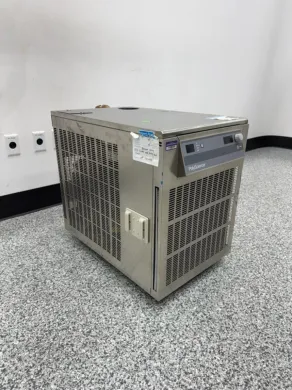
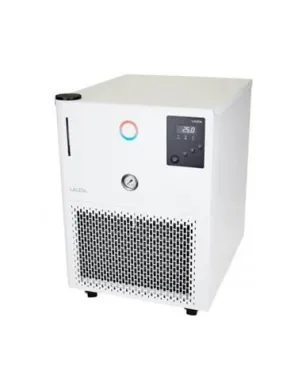
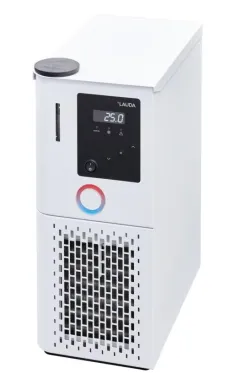
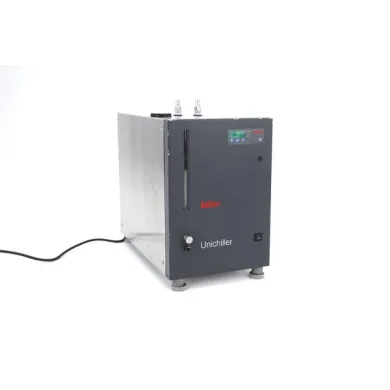
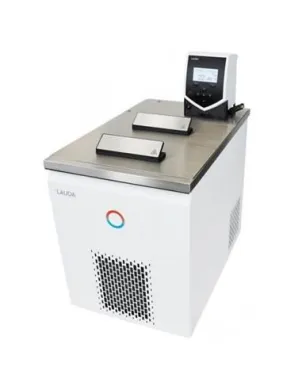
LAUDA Microcool MC 250 Circulation Chiller
- Category
- Chillers
- Brand
- Lauda
- Suppliers
- 1 verified
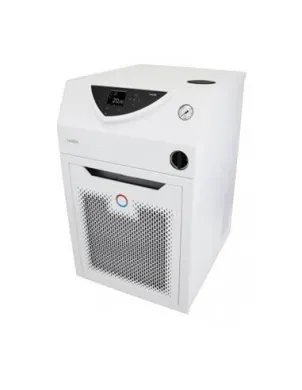


Not the exact instrument you need?
Tell our scientists what you are after. We track it down, including off-market supply.
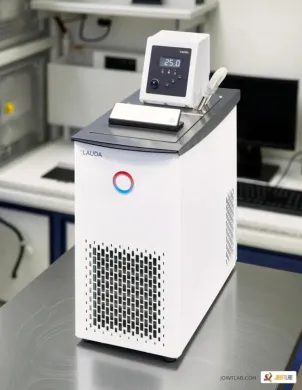
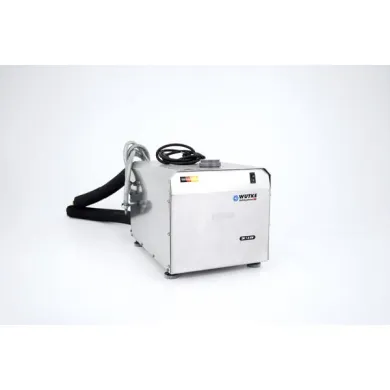
Wutke DK1,5kW 36 L/min Circulator Chiller
- Category
- Chillers
- Brand
- Wutke
- Suppliers
- 1 verified
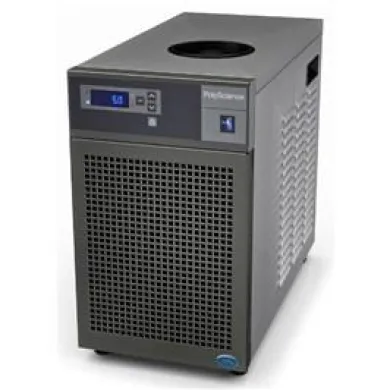
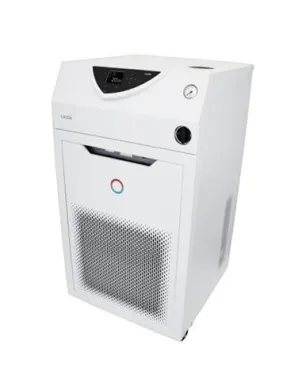
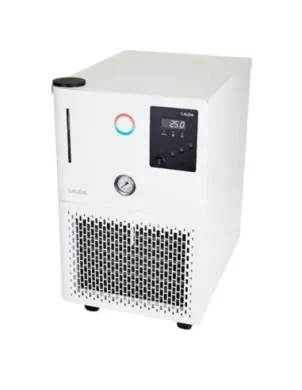
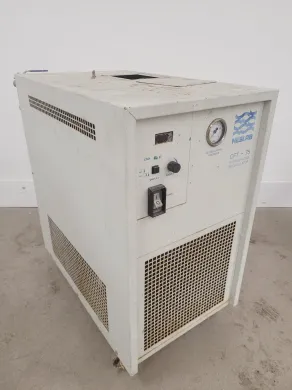
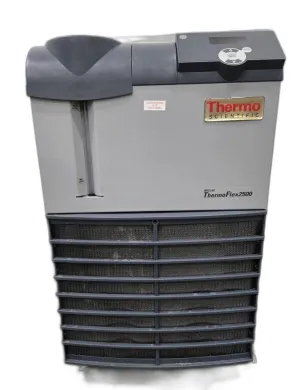
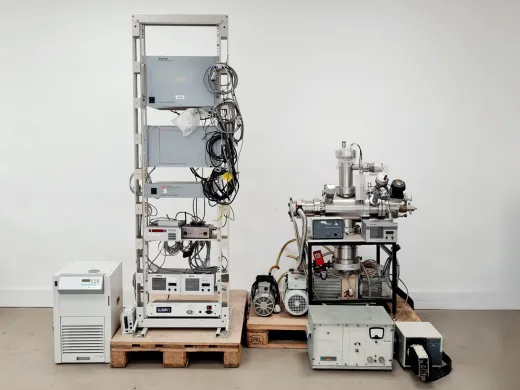
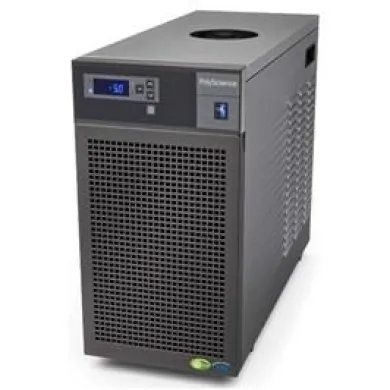
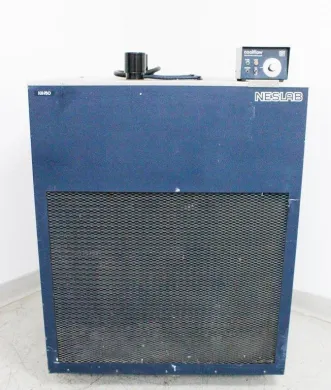
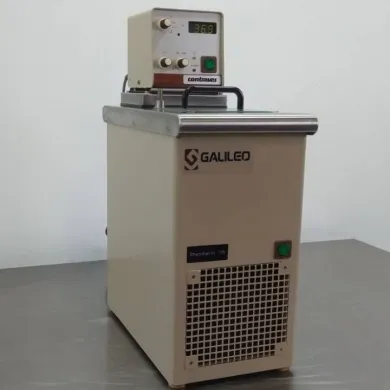
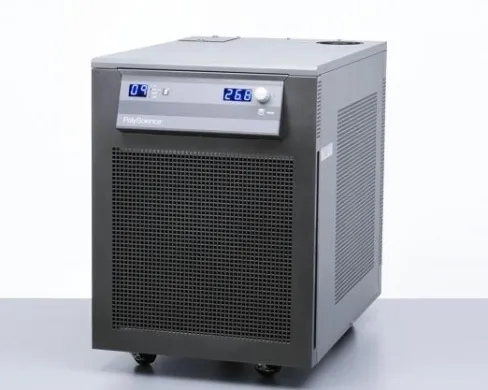
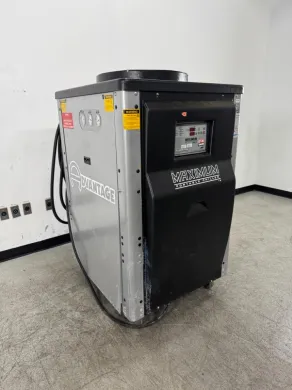
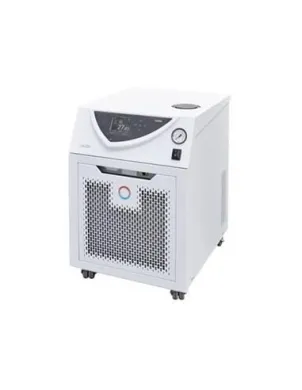
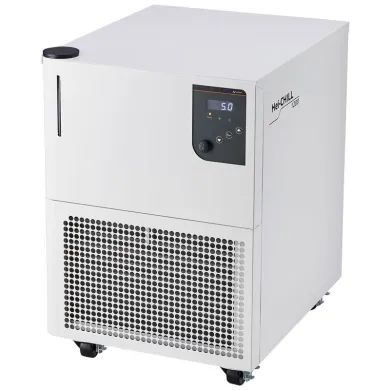
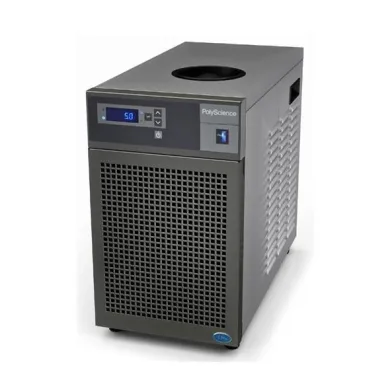
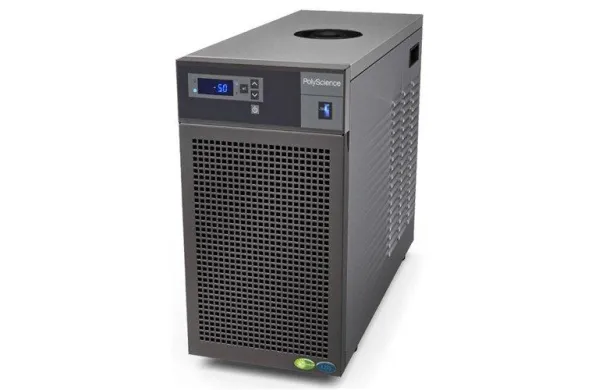
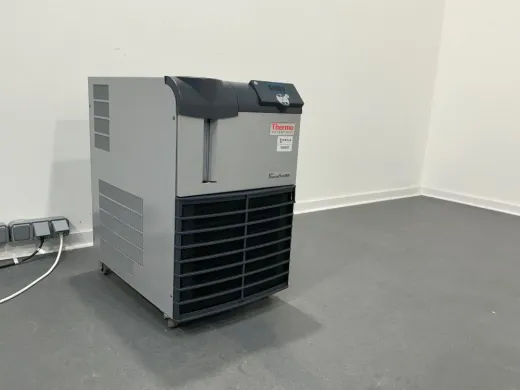
Not the exact instrument you need?
Tell our scientists what you are after. We track it down, including off-market supply.
Showing 1–40 of 105 listings
Show 40 more listingsBuying guide
The cooling capacity at the working temperature is what settles most chiller purchases, and it is not the figure printed on the front of the unit. A chiller rated at a nominal wattage reaches that number at one specific coolant temperature; pull the setpoint down toward the lower end of its range and the available capacity falls off, sometimes by half. A buyer sizing a unit for a 20 degree bath and a buyer sizing one to hold minus 10 are reading the same datasheet differently. Work from the heat load the instrument actually produces, add a margin, and then check the capacity curve at the temperature you intend to run, not at the headline point.
From there the pump matters as much as the compressor. Flow rate and pressure determine whether coolant actually reaches the load through the tubing and fittings in the way, and a unit with ample cooling power but a weak pump will stall at a long or restricted circuit. Match the pump to the back pressure of the loop it has to feed.
On a used recirculating chiller the compressor and the refrigerant circuit carry the history that a specification sheet cannot. Ask how long it ran, whether it held temperature at setpoint, and whether the coolant was ever allowed to grow contaminated or corrosive, which attacks the internal plumbing. A unit that has been sitting may need the refrigerant charge checked. These systems are sealed, so a fault inside the loop is the expensive kind, and that is what to probe before anything cosmetic.
What a chiller costs on the Questpair catalogue spans a wide band: the range runs from EUR 43 to EUR 150.656, with an average near EUR 4.595. That spread covers everything from a small benchtop recirculator to a high-capacity industrial-scale system, so a single average tells a buyer little on its own. The names behind the listings are LAUDA, Polyscience, Huber, Julabo, Thermo Scientific, and whichever model fits a budget, the used and refurbished units are more affordable than their new equivalents. A buyer scanning what is for sale should read the capacity and temperature range of each individual listing rather than the price alone, because two units at the same cost can be built for entirely different duties.
Types of Chillers
Which chiller types are listed?
Among the listings that specify a type, the catalogue sorts into a handful of overlapping descriptions. A laboratory chiller is the general case: a self-contained cooling unit built for bench and process work. A recirculating chiller is the more specific and most common form, pumping coolant out to an external load and drawing it back, which suits any instrument that needs a steady heat sink. The remaining labels, temperature control unit, cooling system, temperature control system and temperature control equipment, mostly describe the same hardware from the angle of what it regulates rather than how it cools, and some of these units heat as well as chill to hold a setpoint from both sides. A researcher reaches for a recirculating model to cool a rotary evaporator condenser or a laser head, and for a broader temperature control unit where a reaction has to be held at a precise point regardless of ambient drift.
In life sciences these units underpin bioprocessing and biomanufacturing, where a bioreactor or fermenter has to hold cell culture at a fixed temperature through an exothermic run. Chillers serve protein purification by keeping chromatography columns and buffers cold, and they support molecular biology and genomics benches wherever sample integrity depends on temperature. A recirculating chiller for cell culture incubator cooling and a laboratory chiller for bioreactor temperature control are both common configurations here, as is the use of a cooling system to protect enzymes and reagents during electrophoresis and immunoassay work.
The brands behind the chiller listings
The makers that recur across the catalogue are LAUDA, Polyscience, Huber, Julabo, Thermo Scientific. For a buyer this presence is practical rather than reputational: an established name means more comparable units on the market, so matching capacity and temperature range across two listings is easier, and it means parts and coolant fittings are more likely to be available for an older unit still in service. The spread of brands also spans the price band, from compact recirculators to large-capacity systems, which is part of why the range is as wide as it is.
What a used chiller costs here
New, used and refurbished units are all listed. 75 percent of the listings are used. Prices run from EUR 43 to EUR 150.656, with an average around EUR 4.595. That spread reflects the gap between a small benchtop recirculating chiller and a high-capacity industrial unit rather than any difference in condition alone, and the used and refurbished listings sit below their new counterparts on price. These systems are offered by 15 verified suppliers and distributors across 8 countries.
Frequently asked questions
What is a chiller?
A chiller is a closed-loop cooling unit that circulates a temperature-controlled fluid to remove heat from laboratory instruments and processes. The coolant is pumped to an external load and returned at a set temperature.
What does chiller mean in a lab context?
In a laboratory the term describes a self-contained unit that holds coolant at a fixed temperature and circulates it to a connected instrument. Some units in this category also heat, so they hold a setpoint from both sides rather than only cooling.
How do chillers work?
A recirculating chiller uses a compressor and refrigerant circuit to cool a fluid, then a pump moves that fluid out to the load and draws the warmed fluid back. The unit regulates the loop to keep the return temperature at the setpoint you dial in.
What types of chillers are listed here?
The catalogue sorts into laboratory chiller, recirculating chiller, temperature control unit, cooling system, temperature control system and temperature control equipment. The recirculating chiller is the most specific form, pumping coolant to an external load and back, while the other labels often describe the same hardware by what it regulates.
What are chillers used for?
They cool rotary evaporator condensers, laser heads, reactors and analytical benches wherever a stable thermal baseline is needed. In life sciences they hold bioreactors and fermenters at a fixed temperature, keep chromatography columns and buffers cold, and protect enzymes and reagents during electrophoresis.
How do I choose the right chiller?
Work from the heat load the instrument actually produces, add a margin, then check the cooling capacity curve at the temperature you intend to run rather than at the headline rating. Then match the pump flow and pressure to the back pressure of the loop it has to feed, since a strong compressor paired with a weak pump will stall at a long or restricted circuit.
What is the difference between a refurbished and a used chiller?
A used unit is sold in its existing condition, while a refurbished one has been reconditioned before listing. Both are listed at lower prices than new, and the specific condition and any work done are described in the individual listing.
How much does a chiller cost?
Prices on the Questpair catalogue range from EUR 43 to EUR 150.656, with an average near EUR 4.595. That spread reflects the gap between a small benchtop recirculator and a high-capacity industrial unit, so read each listing's capacity and temperature range rather than the price alone.
Which chiller brands show up most here?
The makers that recur across the catalogue are LAUDA, Polyscience, Huber, Julabo and Thermo Scientific. An established name means more comparable units on the market, which makes matching capacity and temperature range across two listings easier.
Can I get a warranty on a refurbished chiller?
A warranty is often possible and is arranged in consultation for the specific listing. The terms depend on the individual unit rather than on a central policy.
Are parts available for older chillers?
Parts can be sourced via Questpair. An established brand also means coolant fittings and replacement components are more likely to be available for an older unit still in service.
How long does a chiller last?
Lifespan depends on the compressor and refrigerant circuit, which are sealed, so their history matters more than cosmetic condition. A unit that held temperature at setpoint and ran clean coolant will generally serve longer than one run with contaminated or corrosive fluid.
Should I buy a new or a refurbished chiller?
Used and refurbished units are listed at lower prices than new. Where you have to weigh the two, compare the capacity and temperature range of the specific listing and note that warranty is arranged in consultation for that unit.
Where can I buy a chiller?
These systems are offered on the Questpair catalogue by 15 verified suppliers and distributors across 8 countries. Listings include new, used and refurbished units.
What are the lead time and shipping like?
Lead time and shipping depend on the individual supplier and the unit's location. The specifics are tied to each listing, and Questpair specialists respond within one hour if you need to confirm availability.
What maintenance does a chiller need?
Routine care centres on keeping the coolant clean and non-corrosive, since contaminated fluid attacks the internal plumbing, and on checking the refrigerant charge, especially on a unit that has been sitting unused. Questpair does not perform servicing, but parts can be sourced through it.
Which chiller types are listed most and who reaches for which?
The recirculating chiller is the most common specific form, and a researcher reaches for it to cool a rotary evaporator condenser or a laser head. A broader temperature control unit suits work where a reaction has to hold a precise point regardless of ambient drift, and a laboratory chiller is the general bench-and-process case.
Which brands dominate this category and what does that mean for a buyer?
LAUDA, Polyscience, Huber, Julabo and Thermo Scientific recur across the listings and span the price band from compact recirculators to large-capacity systems. For a buyer that presence is practical: more comparable units to match specifications against, and better odds of finding parts and fittings for an older model.
What separates the cheapest chillers here from the most expensive?
The gap is mostly cooling capacity, not condition: a small benchtop recirculator sits at the low end and a high-capacity industrial-scale system at the top. Two units at the same price can be built for entirely different duties, so the capacity and temperature range of each listing is what tells them apart.