

Microtomes
We personally find you the right used, refurbished and new microtomes instruments & equipment from verified suppliers.
Microtomes are precision instruments that cut thin sections from a specimen, typically a few micrometres thick, so the slice can be mounted on a slide and examined under a microscope. In histology and pathology, sectioning tissue to a uniform thickness is what makes staining and imaging reproducible. On Questpair, 178 microtomes are listed from 13 verified suppliers and distributors across 7 countries. New, used and refurbished units appear in the catalogue. Among the current listings, 100 percent are used. Prices run from EUR 47 to EUR 25.350, with an average around EUR 2.973, a spread that separates a basic manual laboratory microtome from a motorised instrument with accessories.
Updated:
Microtomes product list


Not the exact instrument you need?
Tell our scientists what you are after. We track it down, including off-market supply.
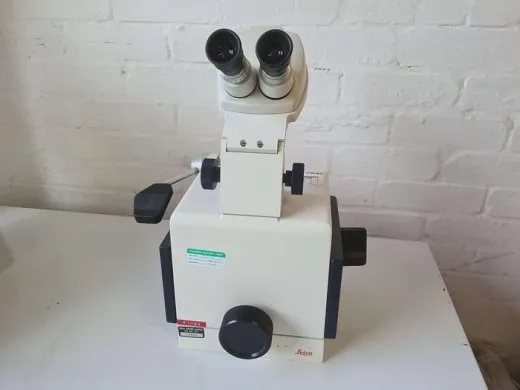
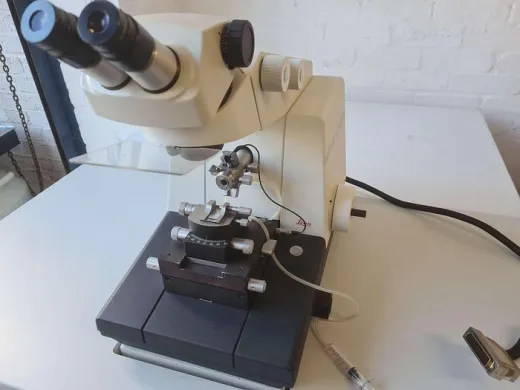
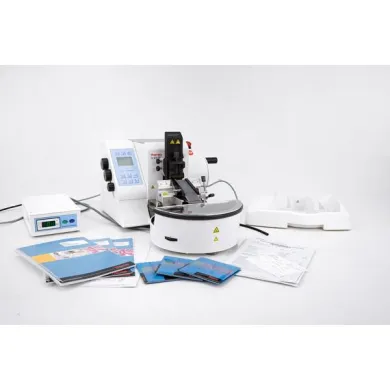
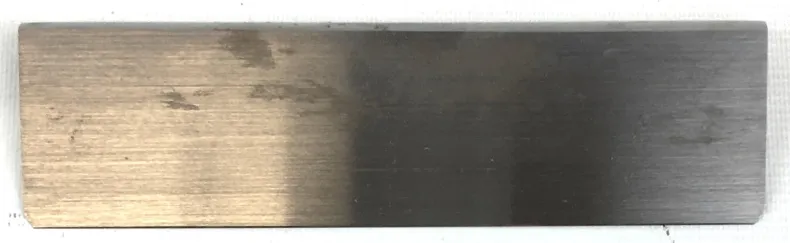
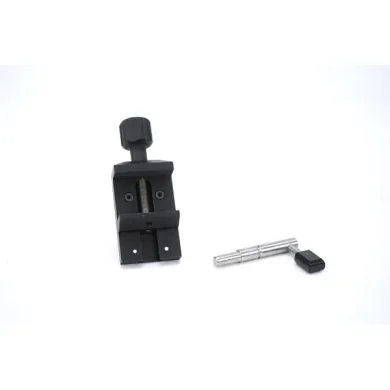
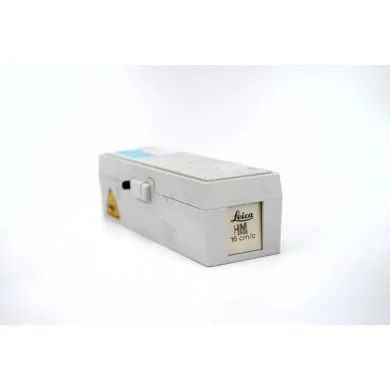
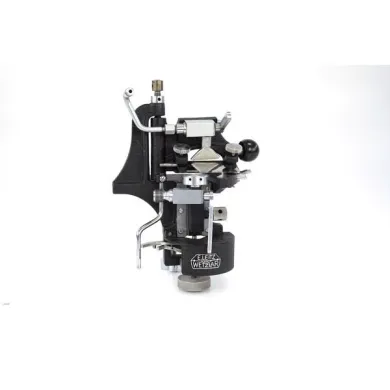
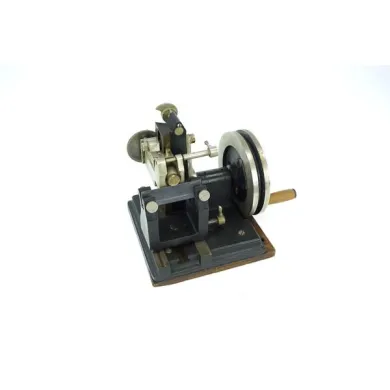
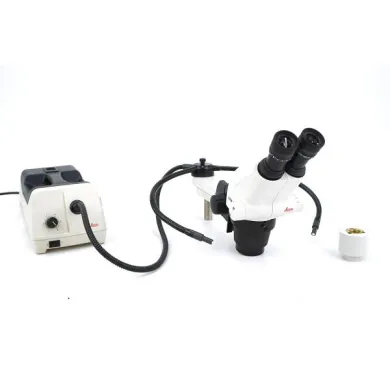
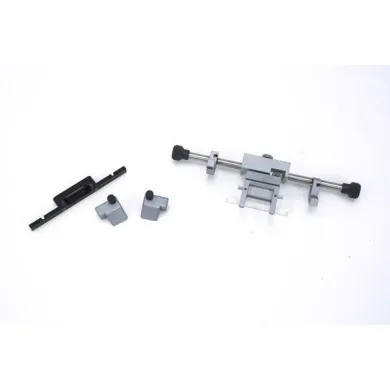
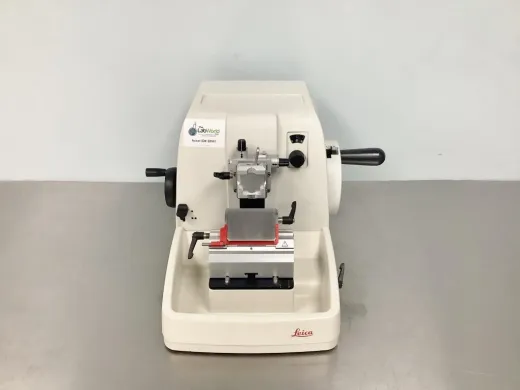
Leitz 20945 Rare Antique Screw Micrometer
- Category
- Microtomes
- Brand
- Leica
- Suppliers
- 1 verified
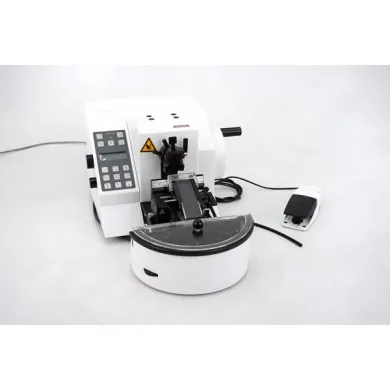
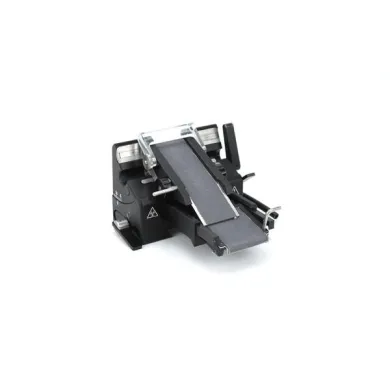
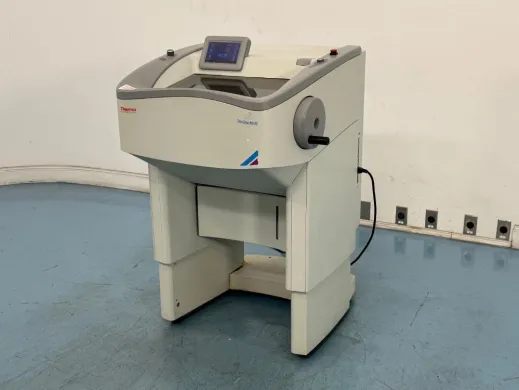
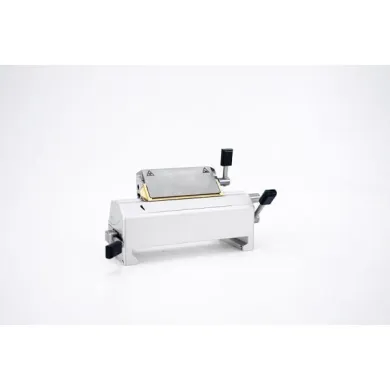
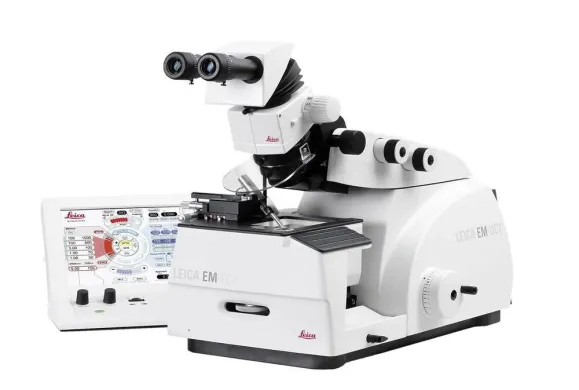
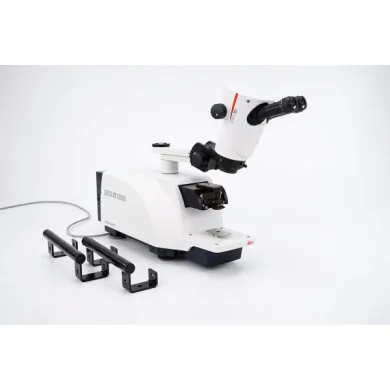
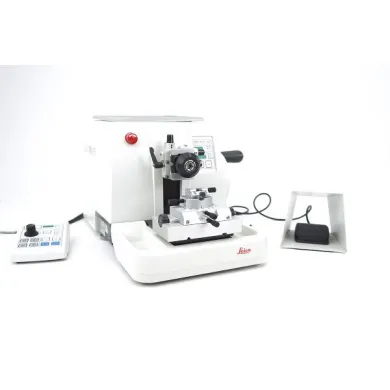
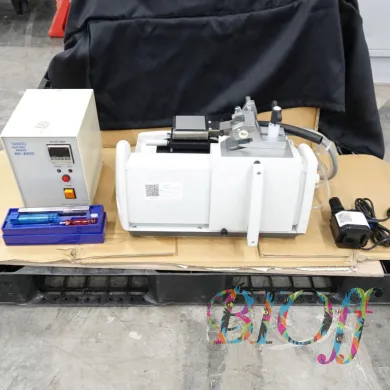
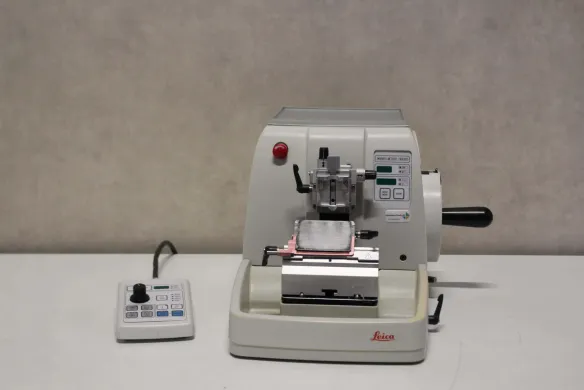

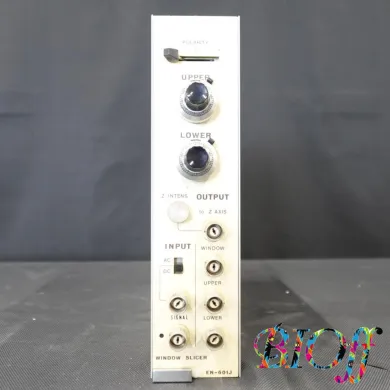
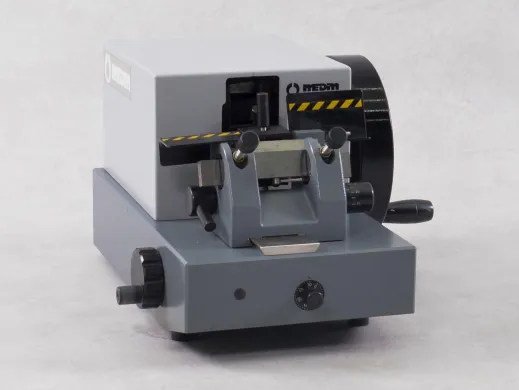
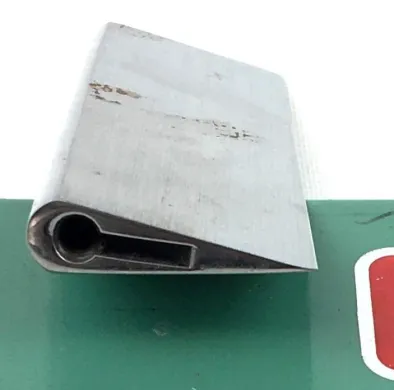
Not the exact instrument you need?
Tell our scientists what you are after. We track it down, including off-market supply.
Showing 1–40 of 273 listings
Show 40 more listingsBuying guide
The number that settles most microtome purchases is section thickness, both the range it can reach and how finely the feed increments within that range. A histology workflow built around 3 to 5 micrometre paraffin sections needs an instrument that holds that setting reliably across a long run; work that goes thinner, down toward 1 micrometre, narrows the field of candidates considerably. Read the advance mechanism alongside the thickness spec, because a worn or drifting feed produces sections of uneven thickness however good the blade is, and that shows up as streaks and chatter on the slide rather than as a figure on the datasheet.
Condition carries more weight on a microtome than on most laboratory instruments, because the part that wears is the part that determines accuracy. The advance and retraction mechanism, the clamp that holds the specimen block, and the knife or blade holder all accumulate play over years of use. On a used unit, ask what has been sectioned on it and how often it was serviced, and if possible see sections cut on it rather than trusting a photograph of the housing. A microtome that looks clean can still feed unevenly. Backlash in the handwheel and any lateral movement in the block holder are the two faults worth checking before anything else, since both translate directly into section quality.
The listed prices run from EUR 47 to EUR 25.350, which is a wide band because it covers everything from a simple manual rotary instrument to a fully motorised unit with a cooling stage and blade accessories. What a unit costs tracks closely with that automation: manual handwheel microtomes sit at the lower end, semi-motorised and fully motorised models climb through the middle and top. For a buyer working to a fixed budget, a serviced manual rotary microtome from an established maker is usually the most affordable route into reliable sectioning, and it is where the used market is deepest. The brands occupying these listings, Leica, Thermo Epredia, Thermo Scientific, Leica Biosystems, Microm, are the names a histology lab would recognise, which matters for a practical reason: their blade holders, specimen clamps and spare parts are widely compatible and easy to compare across models, so a microtome listed for sale from one of them is simpler to keep running than an orphaned instrument from a maker no longer supporting it.
Types of Microtomes
Which microtome types appear in the listings?
Among the listings that specify a type, the rotary microtome dominates. This is the vertical-feed instrument most people picture: the specimen block mounts on a handwheel-driven arm that moves it past a fixed blade, advancing a set increment with each turn. It is the standard laboratory microtome for paraffin-embedded tissue and the workhorse of routine histology, where thin, flat ribbons of serial sections are the goal. The listings also carry more general histology equipment and tissue sectioning instruments, a category that overlaps the rotary microtome but reaches toward the embedding, trimming and staining steps that sit either side of the cut itself. A histology microtome is distinguished from a general laboratory microtome mainly by how it clamps and orients the embedded block, and by accessories built for cassette-mounted specimens.
Microtomes do the sectioning step of histology, the preparation of thin tissue sections for microscopic examination. That work underpins histopathology and anatomical pathology, and in a research setting it feeds immunohistochemistry, in situ hybridisation and the morphological side of molecular diagnostics, where a section on a slide becomes the substrate for staining or probing. Sectioning is also a routine part of microbiology and developmental biology sample preparation, and thin, reproducible tissue sections are what make quantitative histology and digital pathology imaging possible. For genomics and proteomics work on fixed tissue, the microtome is where spatial context is preserved: a clean section keeps the architecture that laser capture and spatial profiling later read.
The brands behind the microtome listings
The listings are led by Leica, Thermo Epredia, Thermo Scientific, Leica Biosystems, Microm. For a buyer, that concentration is useful rather than limiting. These are the makers whose instruments a histology lab already runs, which means blades, specimen clamps, block holders and cooling accessories are widely available and interchange across a maker's range, and it means a given model has a long service history that is easy to check against. Parts can be sourced via Questpair, and the practical effect of buying within these names is that a model is simple to compare against its siblings and against the equivalent from another maker. Rather than describe the companies here, the brand pages carry that detail.
What a used microtome costs here
Every instrument in this category is currently listed as used: 100 percent of the listings are used. Prices range from EUR 47 to EUR 25.350, with the average near EUR 2.973. That spread covers the full gap between a manual handwheel rotary microtome and a motorised unit carried with its accessories, so where a given listing falls within the band is largely a question of automation and what ships with it. Used and refurbished units are listed below the price of new. Warranty is often possible and is arranged in consultation for the specific listing, so where that matters it is worth raising against the individual unit rather than assuming it from the price alone.
Frequently asked questions
What is a microtome?
A microtome is a precision instrument that cuts very thin sections from a specimen, usually a few micrometres thick, so the slice can be mounted on a slide and examined under a microscope. In histology and pathology it is the tool that produces uniform tissue sections for staining and imaging.
What does microtome mean?
The word combines the Greek roots for small and cut, describing an instrument that cuts very fine slices. In practice it refers to the laboratory device that sections embedded tissue to a controlled thickness.
How do microtomes work?
The specimen block is mounted on an arm and advanced past a fixed blade, with each pass moving the block forward by a set increment so the next section is the chosen thickness. On a rotary microtome a handwheel drives that motion, producing serial sections one turn at a time.
What types of microtomes are there?
Among the listings that specify a type, the categories include rotary microtome, histology microtome, laboratory microtome, tissue sectioning instrument and more general histology equipment. The rotary microtome is the vertical-feed instrument most common in routine histology.
What are microtomes used for?
They cut the thin tissue sections that underpin histopathology and anatomical pathology, and in research they feed immunohistochemistry, in situ hybridisation and the morphological side of molecular diagnostics. Thin, reproducible sections also support quantitative histology and digital pathology imaging.
How do I choose a microtome?
Start with section thickness: the range it reaches and how finely the feed increments within that range, since a workflow built on 3 to 5 micrometre paraffin sections has different needs than work going down toward 1 micrometre. Read the advance mechanism alongside the thickness spec, because a worn or drifting feed produces uneven sections however good the blade is.
What is the difference between refurbished and used?
A used microtome is sold in its working condition as it comes from the previous user, while a refurbished unit has been checked and brought back to a defined working state. On a microtome the parts that wear are the advance mechanism, the block clamp and the blade holder, so for either condition ask what has been sectioned on it and how often it was serviced.
How much does a microtome cost?
Listed prices run from EUR 47 to EUR 25.350, with the average near EUR 2.973. Where a unit falls in that band tracks closely with automation: manual handwheel instruments sit at the lower end, semi-motorised and fully motorised models climb through the middle and top.
Which are the main microtome brands?
The listings are led by Leica, Thermo Epredia, Thermo Scientific, Leica Biosystems and Microm. These are makers whose instruments histology labs already run, so blades, clamps and holders are widely available and a given model is easy to compare against its siblings.
Is there a warranty on a refurbished microtome?
A warranty is often possible and is arranged in consultation for the specific listing. Where warranty matters to you, raise it against the individual unit rather than assuming it from the price.
Can I still get parts for these microtomes?
Parts can be sourced via Questpair. Within the brands that lead these listings, blade holders, specimen clamps and spare parts are widely compatible and interchange across a maker's range, which makes a listed model simpler to keep running than an orphaned instrument.
How long does a microtome last?
A microtome's working life depends on the advance and retraction mechanism, the block clamp and the blade holder, the parts that accumulate play over years of use. A unit that was regularly serviced and well maintained can run for many years, which is why service history matters more here than on most laboratory instruments.
New or refurbished, which should I buy?
Used and refurbished units are listed at lower prices than new, which is the main practical difference when comparing them here. Where you have to weigh the two, check the individual listing and note that warranty is arranged in consultation for that specific unit.
Where can I buy a microtome?
On Questpair, 178 microtomes are listed from 13 verified suppliers and distributors across 7 countries. New, used and refurbished units appear in the catalogue.
What is the lead time and shipping on a microtome?
Lead time and shipping depend on the individual listing and the supplier holding it. For a specific unit you can contact Questpair, where specialists respond within 1 hour.
How is a microtome calibrated and maintained?
Maintenance centres on the feed mechanism and the clamp, since backlash in the handwheel or lateral movement in the block holder translate directly into uneven sections. Questpair does not carry out servicing, so arrange calibration and maintenance through a qualified service technician of your choosing.
Which microtome types are most listed and who reaches for which?
Among listings that specify a type, the rotary microtome dominates; it is the standard for paraffin-embedded tissue and the workhorse of routine histology where flat serial ribbons are the goal. Listings also carry general histology equipment and tissue sectioning instruments, which reach toward the embedding, trimming and staining steps either side of the cut, so a lab setting up a full workflow looks there rather than only at the sectioning instrument.
Which brands dominate this category and what does that mean for a buyer?
The listings are led by Leica, Thermo Epredia, Thermo Scientific, Leica Biosystems and Microm. That concentration helps rather than limits a buyer: these models have a long service history that is easy to check, and their accessories and spare parts are widely compatible, so a unit is simple to compare and to keep running.
What separates the cheapest microtomes here from the most expensive?
The main divide is automation and what ships with the unit. Manual handwheel rotary microtomes sit at the lower end near EUR 47, while semi-motorised and fully motorised models with cooling stages and blade accessories climb toward EUR 25.350, a serviced manual instrument from an established maker being the deepest part of the used market for a fixed budget.