58k+ listingsShips to NLResponse within one hour+31 73 711 4717info@questpair.com

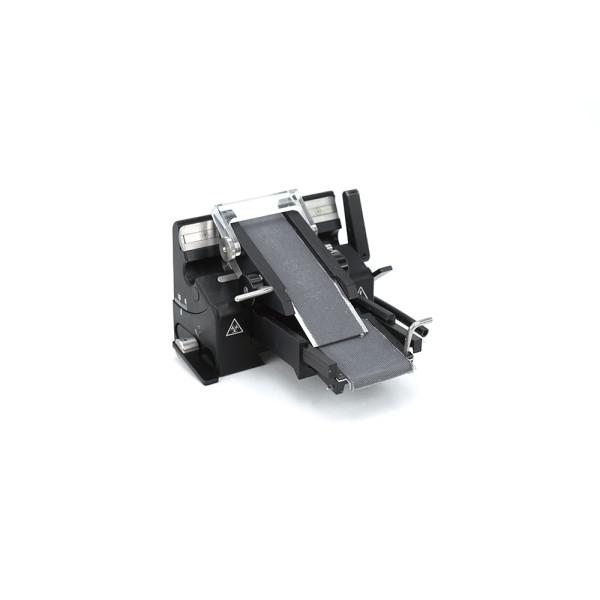
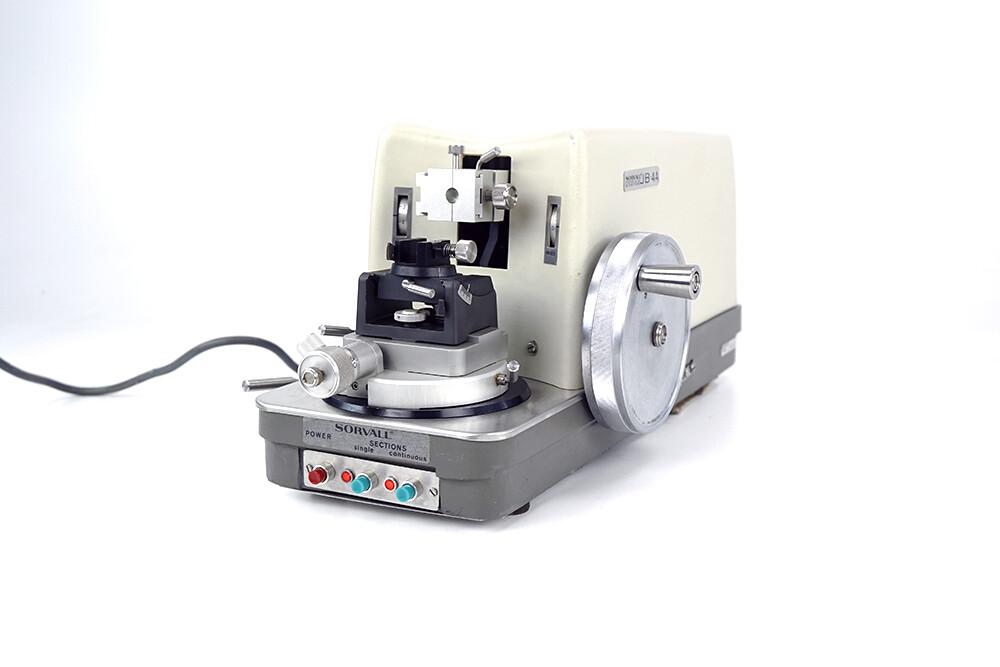
Thermo Scientific Microm HM 355 S Rotary Microtome for Precision Tissue Sectioning

Price on request

In stock

Can't find what you're looking for?

Fine Section Thickness Range
0.5 – 5 µm in 0.5 µm steps from 5 – 20 µm in 1 µm steps from 20 – 30 µm in 2 µm steps from 30 – 60 µm in 5 µm steps from 60 – 100 µm in 10 µm steps
Trim Section Thickness Range
5 – 30 µm in 5 µm steps from 30 – 100 µm in 10 µm steps from 100 – 200 µm in 20 µm steps from 200 – 500 µm in 50 µm steps
Total horizontal feed
28.000 µm
Sectioning speed
0 – 450 mm/s
Sectioning Modes
0 to 450 mm per second
All 13 specifications
  • Ships to NL
  • Response within 1 hour
  • Warranty available. Buy without worry
  • Support from a scientist

Specifications 13

Brands
Thermo Fisher Scientific
New/Used
Used
Fine Section Thickness Range
0.5 – 5 µm in 0.5 µm steps from 5 – 20 µm in 1 µm steps from 20 – 30 µm in 2 µm steps from 30 – 60 µm in 5 µm steps from 60 – 100 µm in 10 µm steps
Trim Section Thickness Range
5 – 30 µm in 5 µm steps from 30 – 100 µm in 10 µm steps from 100 – 200 µm in 20 µm steps from 200 – 500 µm in 50 µm steps
Total horizontal feed
28.000 µm
Sectioning speed
0 – 450 mm/s
Sectioning Modes
0 to 450 mm per second
Vertical specimen stroke
72 mm
Sample orientation
8° along the X-Y-axis, rotatable 360°
Sample retraction during return stroke
40 µm, can be deactivated
Certificates
CE; c-CSA-US
Power
115V 50/60Hz, 1.6A
Dimensions
19 x 16 x 11″

Product description

Heavy-duty rotary microtome with fine section thickness control (0.5–100 µm) for consistent histology sample preparation.

The Thermo Scientific Microm HM 355 S Rotary Microtome is engineered for precise tissue sectioning in histology, pathology, and biomedical research, making it essential for molecular diagnostics and bioprocessing workflows. It features:

  • Four operation modes: interval, single, multi, and continuous stroke for versatile sectioning control.
  • Fine section thickness range: from 0.5 to 100 µm adjustable in variable increments (0.5 µm to 10 µm steps), enabling high-precision slicing crucial for synthetic biology and gene editing tissue analysis.
  • Trim section thickness range: 5 to 500 µm with stepped adjustments for preparatory trimming.
  • Motorized coarse feed system with forward and backward travel, and three speed settings (0–450 mm/s) for smooth and reproducible sectioning of diverse specimen types.
  • Ergonomic design featuring a built-in armrest and configurable for left- or right-handed users to reduce operator fatigue during extended use in clinical diagnostics and biomanufacturing research.
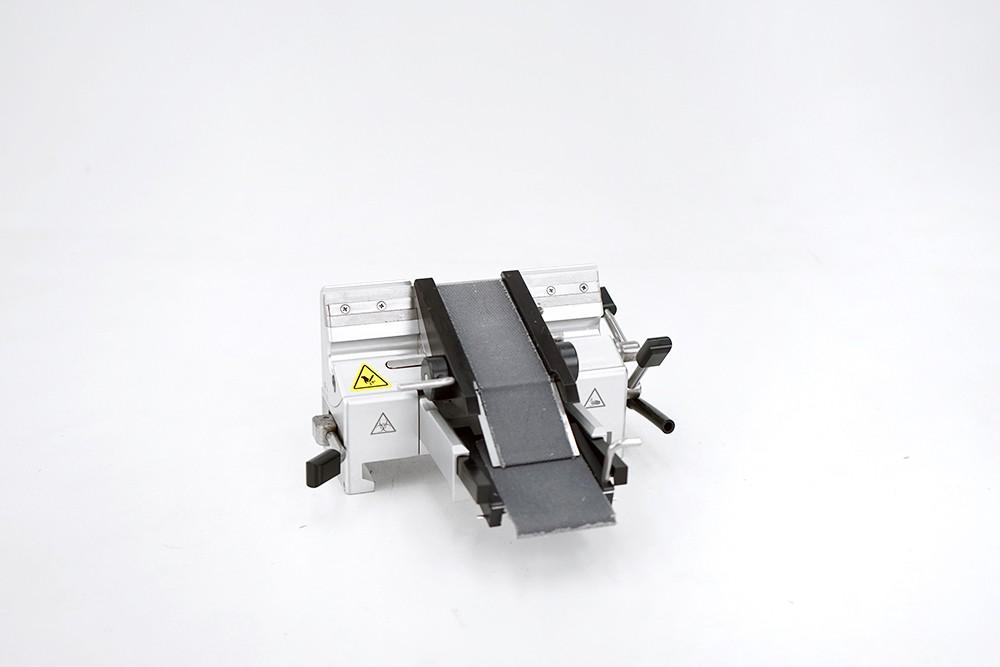
  • Compatible with Microm specimen clamps and HM 300 series knife carriers, featuring 360-degree rotatable clamps and quick fine adjustments to support multi-angle sample orientation.
  • Sample orientation adjustability includes 8° tilt along the X-Y axis and full 360° rotation, critical for complex tissue architecture studies and live-cell imaging sample prep.
  • Sample retraction of 40 µm during return stroke to protect tissue integrity, which can be deactivated based on protocol requirements.
  • Certified for safety and compliance with CE and c-CSA-US standards.
  • Dimensions: 19 x 16 x 11 inches; Weight: 83 lbs; Power: 115V 50/60Hz, 1.6A.

This rotary microtome is widely adopted in synthetic biology and clinical pathology laboratories as a reliable tool for preparing uniform histological sections, supporting gene editing validation studies and biopharmaceutical production pipelines. Its precision and versatility make it a popular choice for researchers requiring repeatable, high-quality tissue slices critical to fluorescence analysis and live-cell imaging workflows.

Why Questpair exists

Lab equipment markets are fragmented. Buyers spend weeks calling distributors, comparing quotes, and verifying supplier reliability. Sellers struggle to reach global research labs.

We built Questpair to fix this. Every supplier on the platform is verified before listing. Every quote you receive comes from a real, vetted seller. AI prepares your case in minutes, then a real specialist takes over.

We're an independent team based in The Netherlands, working with research labs and procurement teams across Europe and worldwide.

Frequently asked questions

How long does laboratory equipment typically last?

With a service contract, ten to fifteen years is normal for most benchtop instruments. Detectors and pumps are the parts that wear first.

Can I get service for older equipment?

Yes. Every verified supplier states which service partners cover the instrument, and we list that alongside the offer.

Where can I buy parts?

Ask a scientist through the request button. Parts are often available even when the instrument itself is discontinued.

What is the typical lead time for refurbished equipment?

Two to six weeks, depending on refurbishment scope and whether calibration is included.

Does laboratory equipment ship internationally?

We ship to 38 countries. Crating and customs handling are quoted with the instrument.

Reply in one hour

Can't find the exact configuration?

Tell us what you need and a scientist finds it for you, usually within the hour.

Last updated 19 October 2026