53k+ listingsShips to NLResponse within one hour+31 73 711 4717info@questpair.com

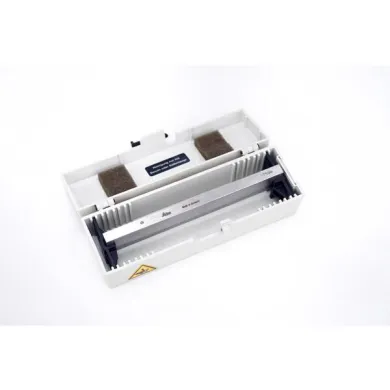
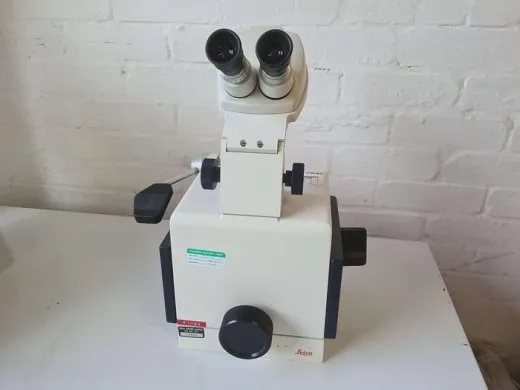
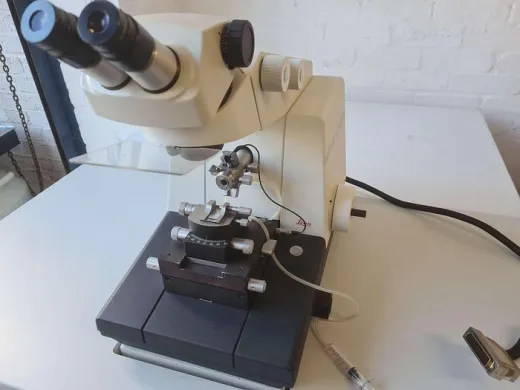
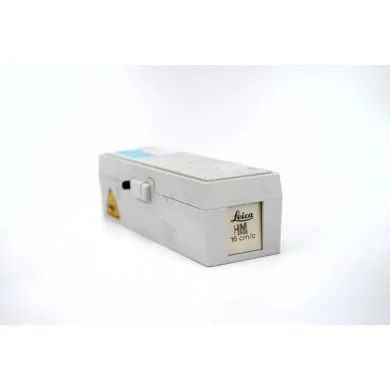
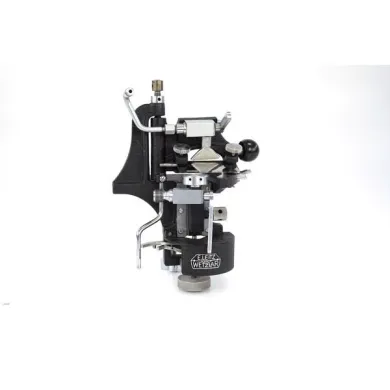
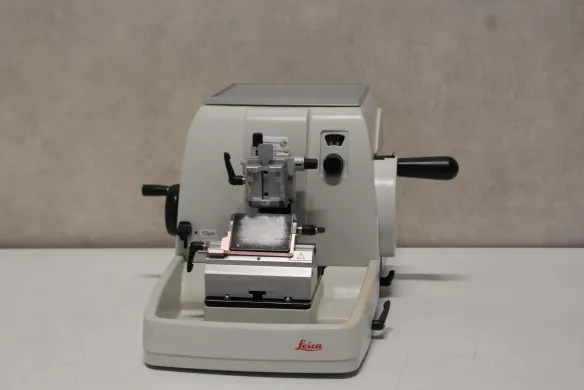
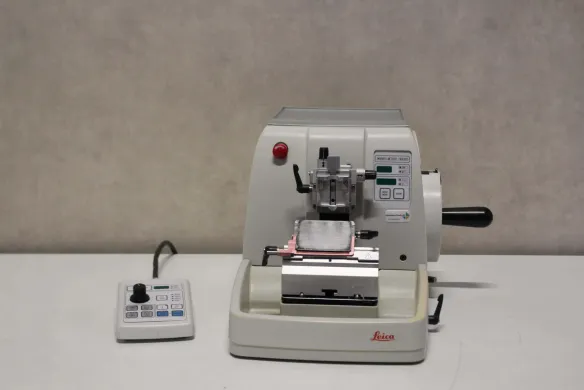
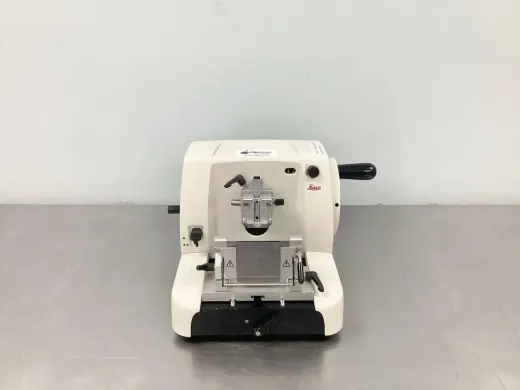
Leica RM2235 Manual Rotary Microtome for Controlled Paraffin Tissue Sectioning

UsedLeicaMicrotomesUnited States

Price on request

In stock

Can't find what you're looking for?

Operating Temperature Range
+10°C to +35°C
Storage Temperature Range
+5°C to +55°C
Relative Humidity (Operation)
Max. 80% (non-condensing)
Humidity During Storage
< 80%
Section Thickness Range
1.0 to 60.0 µm
All 17 specifications
  • Ships to NL
  • Response within 1 hour
  • Warranty available. Buy without worry
  • Support from a scientist

Specifications 17

Brands
Leica
New/Used
Used
Operating Temperature Range
+10°C to +35°C
Storage Temperature Range
+5°C to +55°C
Relative Humidity (Operation)
Max. 80% (non-condensing)
Humidity During Storage
< 80%
Section Thickness Range
1.0 to 60.0 µm
Section Thickness Settings
1.0 to 10.0 µm in 1.0 µm increments 10.0 to 20.0 µm in 2.0 µm increments 20.0 to 60.0 µm in 5.0 µm increments
Specimen Feed
Approx. 24 mm (± 2 mm)
Vertical Stroke
70 mm
Max. Sectioning Range Without Retraction
69 mm (without specimen orientation at 1 µm)
Max. Sectioning Range With Retraction
62 mm
Specimen Retraction
On/off, can be turned off manually
Knife Holder Base Repositioning (North-South)
200 µm
Trimming Increments
200 µm
Dimensions
24x20x12″
Weight
64 lbs

Product description

The Leica RM2235 Manual Rotary Microtome is a precision instrument designed for controlled sectioning of paraffin-embedded tissue blocks, essential for histology, pathology, and molecular diagnostics workflows. Key features include:

  • Section Thickness Range: Adjustable from 1.0 to 60.0 µm, enabling both fine sectioning and trimming steps, critical for high-quality tissue morphology analysis in biomedical research and clinical diagnostics.
  • Specimen Retraction: User-selectable on/off control enhances section quality by reducing shear forces, beneficial in delicate bioprocessing and gene editing sample preparations.
  • Micrometer Drive: Slack-free with cross-roller bearing guidance for smooth, repeatable specimen feed, ensuring consistent section thickness vital in synthetic biology and molecular cloning applications.
  • Handwheel Operation: Dual independent locking systems with an adjustable force balance spring offset centrifugal effects, stabilizing cutting action when changing specimen clamps or weights.
  • Trimming and Alignment: Knife holder base repositioning with 200 µm increments and equal trimming increments facilitate precise block facing, supporting reproducible sample preparation for fluorescence analysis and cell imaging protocols.
  • Physical Specifications: Compact dimensions (24 x 20 x 12 inches), weighing 64 lbs, suitable for laboratory benchtops.
  • Environmental Operating Range: Designed to perform reliably between +10°C to +35°C with up to 80% non-condensing humidity, accommodating diverse lab environments.

This microtome is widely adopted in biotechnology, enabling high-precision tissue sectioning crucial in molecular diagnostics, biomanufacturing quality control, and histopathology research. Its manual operation ensures direct tactile feedback favored by experienced researchers in neuroimaging sample preparation and live tissue analysis workflows.

Included with the Leica RM2235 is an adjustable blade holder mount and user manual, supported by a 30-day warranty, ensuring dependable performance in clinical and research laboratories requiring repeatable, high-quality tissue sections.

Why Questpair exists

Lab equipment markets are fragmented. Buyers spend weeks calling distributors, comparing quotes, and verifying supplier reliability. Sellers struggle to reach global research labs.

We built Questpair to fix this. Every supplier on the platform is verified before listing. Every quote you receive comes from a real, vetted seller. AI prepares your case in minutes, then a real specialist takes over.

We're an independent team based in The Netherlands, working with research labs and procurement teams across Europe and worldwide.

Frequently asked questions

How long does laboratory equipment typically last?

With a service contract, ten to fifteen years is normal for most benchtop instruments. Detectors and pumps are the parts that wear first.

Can I get service for older equipment?

Often, yes. Verified suppliers frequently work with service partners converting the instrument. If applicable, we can list servicing options alongside the offer.

Where can I buy parts?

Ask a scientist through the request button. Parts are often available even when the instrument itself is discontinued.

What is the typical lead time for refurbished equipment?

Two to six weeks, depending on refurbishment scope and whether calibration is included.

Does laboratory equipment ship internationally?

We ship to 38 countries. Crating and customs handling are quoted with the instrument.

Reply in one hour

Can't find the exact configuration?

Tell us what you need and a scientist finds it for you, usually within the hour.

Last updated 5 November 2026