58k+ listingsShips to NLResponse within one hour+31 73 711 4717info@questpair.com
Procurable · sourced on request

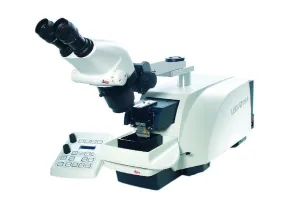
Leica VT1200 S

UsedLeicaElectrophysiologyNetherlands
Procurable

Not in stock, available to order through our sourcing team

Not in stock, but we can get it for you

We source this model through our supplier network. Request a quote and we'll come back within one hour.

  1. Request a quote
  2. We confirm price and lead time
  3. You approve, we ship to you
Sectioning frequency
85 Hz ± 10%
Amplitude
0 - 3 mm in 0.05 mm increments
Sectioning speed
0.01 - 1.5 mm/s ± 10%
Return speed
1.0 - 5 mm/s in 0.5 mm/s increments
Total vertical specimen stroke
20 mm (motorized)
Availability
Procurable
Lead time
Confirmed with your quote
All 31 specifications
  • Ships to NL
  • Response within 1 hour
  • Warranty available. Buy without worry
  • Support from a scientist

Specifications 31

Brands
Leica
New/Used
Used
Sectioning frequency
85 Hz ± 10%
Amplitude
0 - 3 mm in 0.05 mm increments
Sectioning speed
0.01 - 1.5 mm/s ± 10%
Return speed
1.0 - 5 mm/s in 0.5 mm/s increments
Total vertical specimen stroke
20 mm (motorized)
Cutting range
45 mm (adjustable)
Weight (Basic Instrument)
56 kg
Dimensions (L x W x H)
600 mm x 250 mm x 230 mm
Maximum specimen size with standard blade holder
33 x 50 mm
Specimen orientation (rotation)
360°
Specimen plate swiveling
0 - 10°
Section thickness adjustment
Manual in 1 µm increments or automatic up to 1000 µm
Cutting window
0.5 - 45 mm
Specimen retraction
0 - 100 µm (adjustable; can be deactivated)
Operating temperature range
10 - 35 °C
Relative humidity
Max. 60%
Storage temperature
5 - 55 °C
Storage humidity
< 60%
Rated voltage range
100 - 240 V ± 10%
Nominal frequency
50/60 Hz ± 10%
Power consumption
35 VA
Protective class
I
Power fuse
T 1 A L 250 V
Pollution degree
2
Overvoltage category
II
Electrical overload protection
Yes
Internal current limit for the electronics
Yes
Availability
Procurable
Lead time
Confirmed with your quote

Product description

Automated vibrating blade microtome for precise, high-quality sectioning of fresh tissue with minimal cell damage.

The Leica VT1200S is a fully automated vibrating blade microtome engineered for precise sectioning of fresh specimens, particularly in neuroscience research. This instrument is designed to produce high-quality tissue sections while preserving cell viability, making it indispensable for applications such as patch-clamping and electrophysiology.

Key features include:

  • Minimal vertical deflection: Ensures delicate specimens are protected during sectioning, resulting in more viable cells on the section surface.
  • Semi and fully automated cutting modes: Accommodates diverse user preferences, enhancing flexibility in multi-user laboratories.
  • Innovative blade holder: Supports double-edged razor, injector, or sapphire blades, promoting safer handling and reducing contamination risks.
  • User-specific settings: Built-in software stores operational parameters for up to eight users, streamlining workflow efficiency.
  • Magnetic specimen holders: Facilitate easy handling and reproducible orientation of specimens.

The Leica VT1200S is widely utilised in fields such as neuropathology, neurophysiology, and electrophysiology, where precise tissue sectioning is critical. It is commonly found in university laboratories, biomedical research centres, and clinical environments. Since its release, the Leica VT1200S has remained a relevant and trusted tool in the scientific community, continuing to support cutting-edge research and advancements in biotechnology.

Why Questpair exists

Lab equipment markets are fragmented. Buyers spend weeks calling distributors, comparing quotes, and verifying supplier reliability. Sellers struggle to reach global research labs.

We built Questpair to fix this. Every supplier on the platform is verified before listing. Every quote you receive comes from a real, vetted seller. AI prepares your case in minutes, then a real specialist takes over.

We're an independent team based in The Netherlands, working with research labs and procurement teams across Europe and worldwide.

Frequently asked questions

How long does laboratory equipment typically last?

With a service contract, ten to fifteen years is normal for most benchtop instruments. Detectors and pumps are the parts that wear first.

Can I get service for older equipment?

Yes. Every verified supplier states which service partners cover the instrument, and we list that alongside the offer.

Where can I buy parts?

Ask a scientist through the request button. Parts are often available even when the instrument itself is discontinued.

What is the typical lead time for refurbished equipment?

Two to six weeks, depending on refurbishment scope and whether calibration is included.

Does laboratory equipment ship internationally?

We ship to 38 countries. Crating and customs handling are quoted with the instrument.

Reply in one hour

Can't find the exact configuration?

Tell us what you need and a scientist finds it for you, usually within the hour.

Last updated 19 October 2026