

Gas generator
We personally find you the right used, refurbished and new gas generator instruments & equipment from verified suppliers.
A gas generator is a laboratory instrument that produces a supply of a specific gas on site, drawing from ambient air or an input feed rather than from a pressurised cylinder. Laboratory gas generators cover nitrogen, hydrogen and zero air units that feed detectors, mass spectrometers and sample preparation lines, alongside the regulators, compressors and purification systems that condition the output. On Questpair, 97 percent of the listings are used, and new, used and refurbished units are all listed across a catalogue of 621 items from 16 verified suppliers and distributors. Prices run from EUR 6 to EUR 154.960. The range reflects how far these systems stretch, from a single bench regulator to a full gas supply installation.
Updated:
Gas generator product list
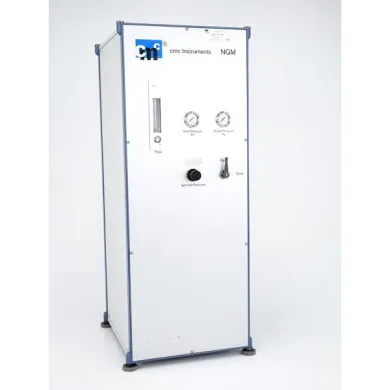
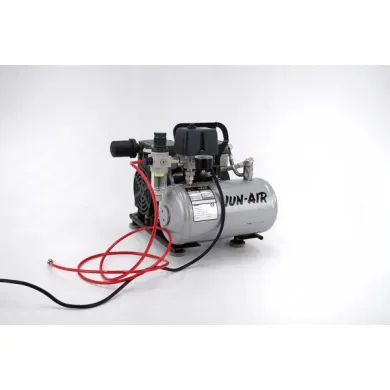
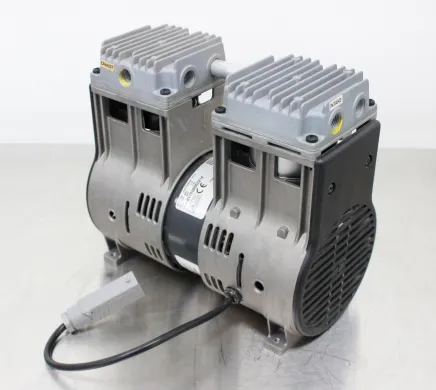


Not the exact instrument you need?
Tell our scientists what you are after. We track it down, including off-market supply.
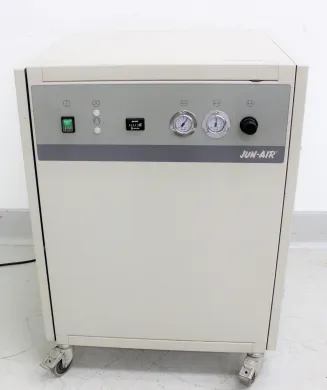
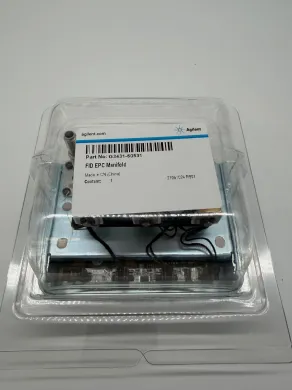
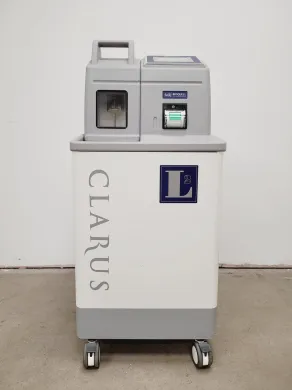
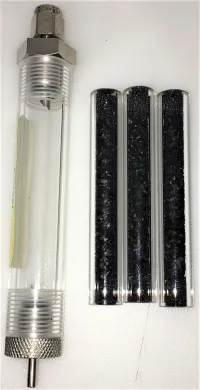
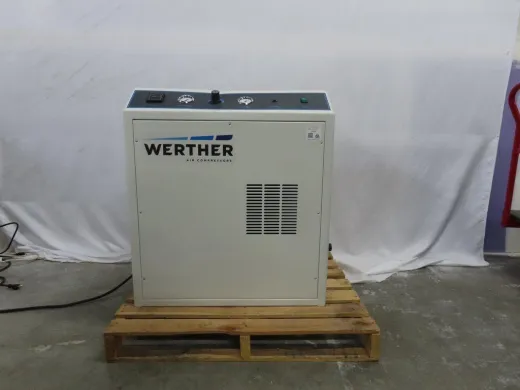
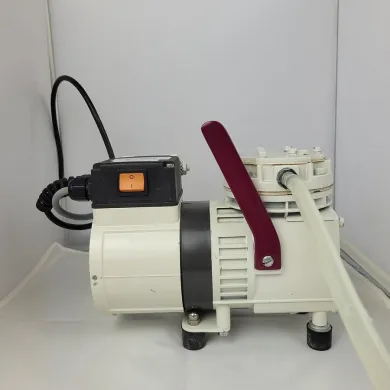
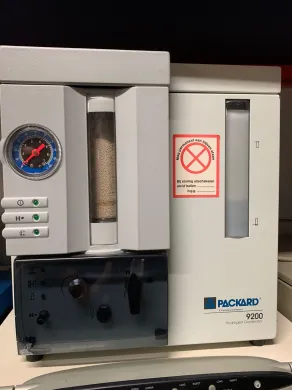
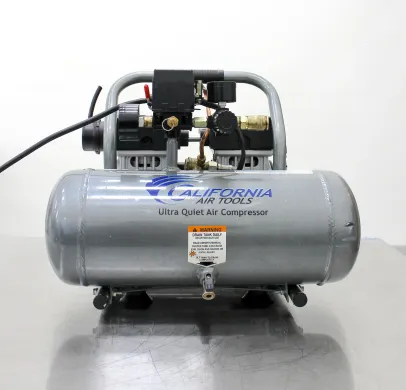
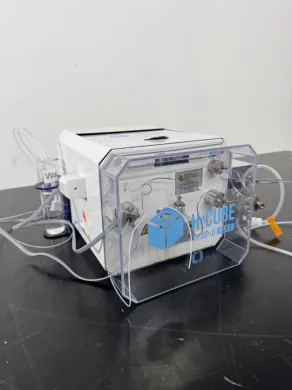
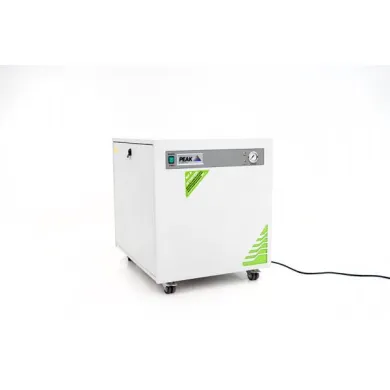
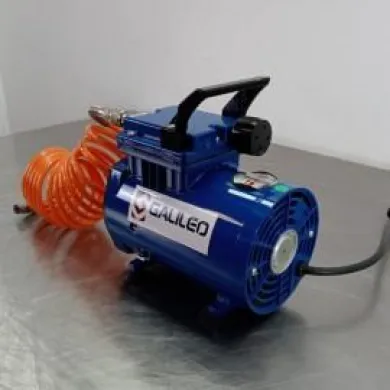
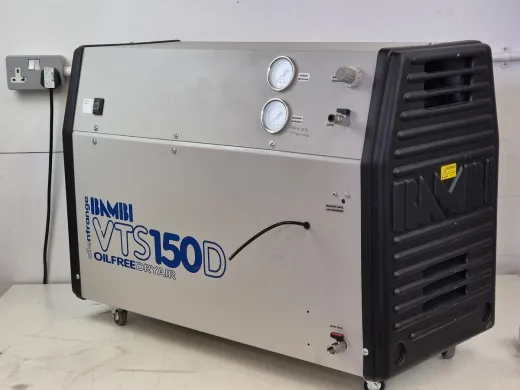
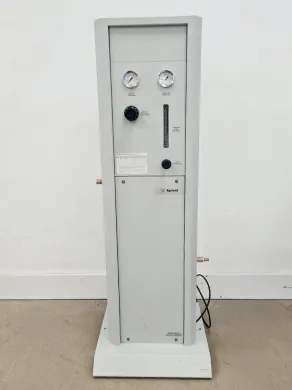
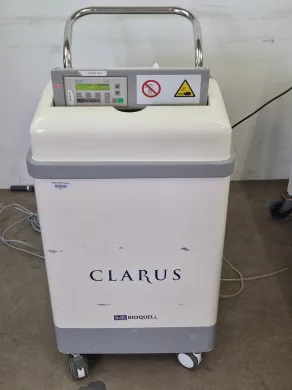
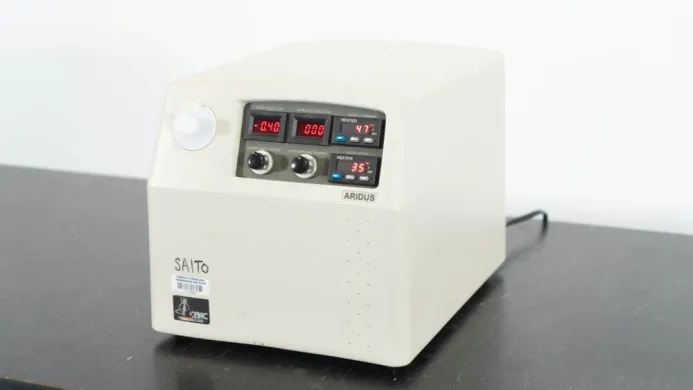
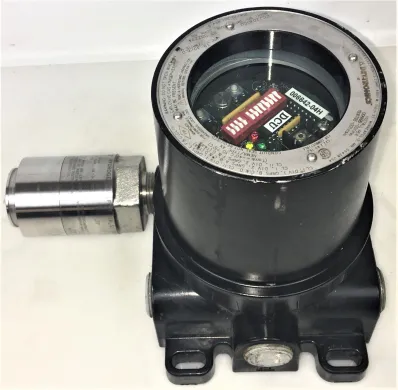
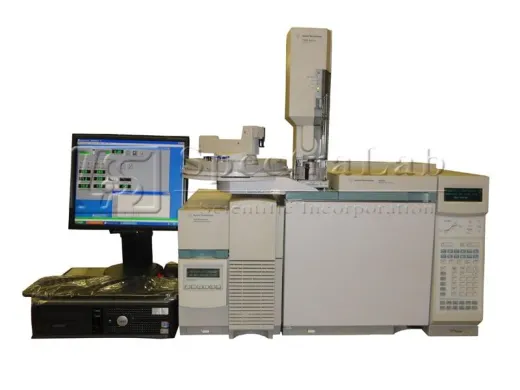
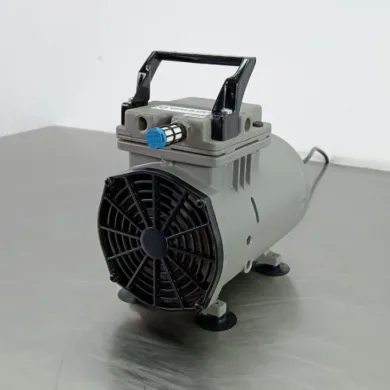
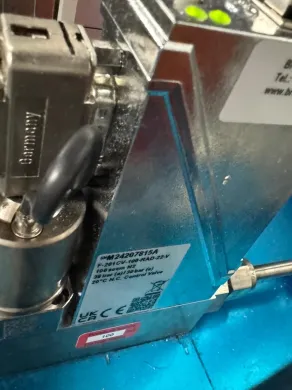
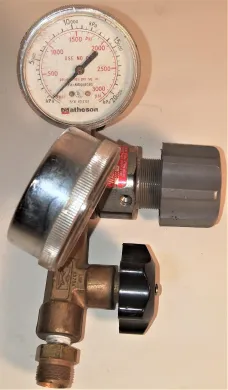
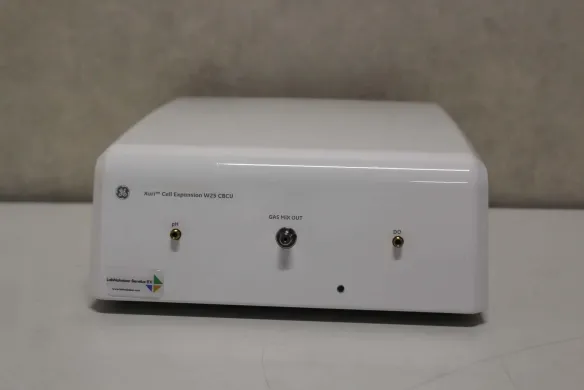
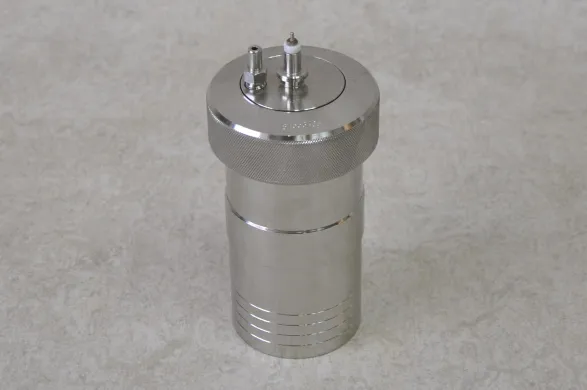
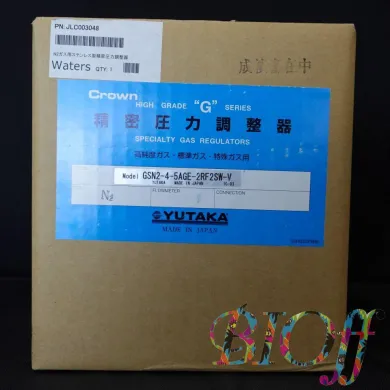
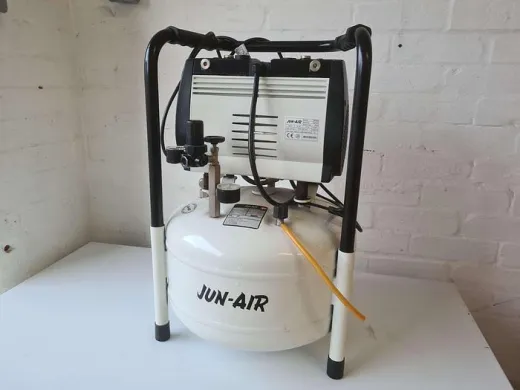
YUTAKA GSN2-4-5AGE-2RF2SW-V Precision Pressure Regulator
- Category
- Gas generator
- Suppliers
- 1 verified
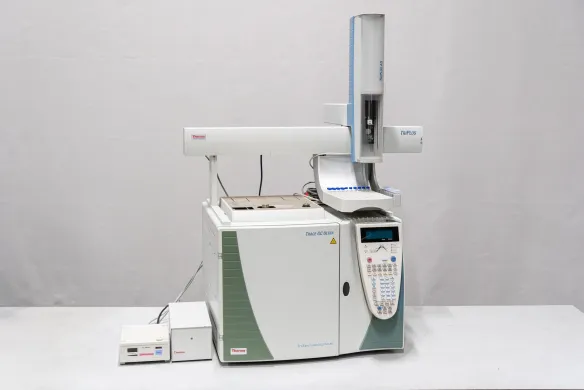
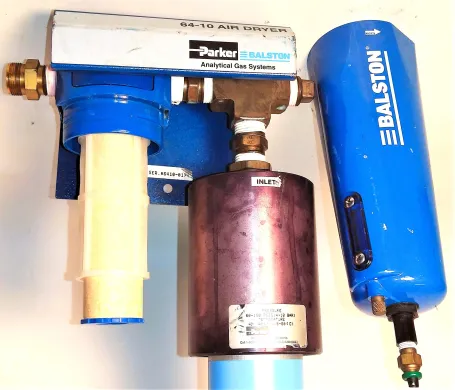
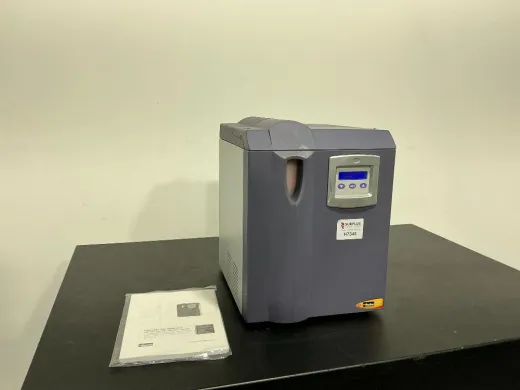
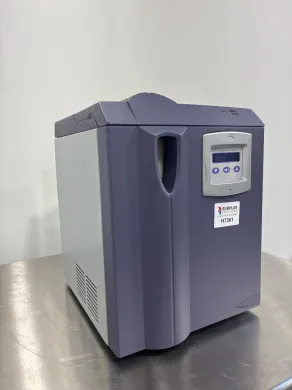
Not the exact instrument you need?
Tell our scientists what you are after. We track it down, including off-market supply.
Showing 1–40 of 262 listings
Show 40 more listingsBuying guide
The output specification settles most of these purchases before anything else is considered, because a generator is bought to feed a named instrument and that instrument fixes the flow, the pressure and the purity it needs. A gas chromatograph with a flame ionisation detector wants hydrogen at a defined flow and a nitrogen or zero air carrier; an LC-MS source wants high-flow nitrogen at a nitrogen purity the vendor states in percent. Reading the detector or source manual first, then matching a generator to the flow in litres per minute and the purity grade, is the order that avoids an underspecified unit sitting idle. A regulator or a purification system is chosen the same way, from the downstream requirement rather than from the generator alone.
Condition carries more weight here than the datasheet suggests, because a used gas generator is a machine with a running history. The membrane or PSA bed in a nitrogen unit degrades with hours of use, a hydrogen generator's electrolytic cell and desiccant have a service life, and a laboratory air compressor's duty cycle and noise level change as seals wear. What to verify on a used unit is the accumulated run time if the controller logs it, the state of any consumable filters and dryers, and whether the purity still meets the stated grade under load rather than at rest. A compressor can be run and listened to; a generator's output purity is harder to confirm without the instrument it feeds, so the listing detail and the supplier's description matter.
The price band runs from EUR 6 to EUR 154.960, and that spread covers two different things a buyer might be after. At the low end sit gas pressure regulators and individual components, where cost is a minor line in a budget. At the high end sit complete nitrogen or hydrogen generators and full gas supply systems, where the figure is a capital decision. The average listing sits at EUR 2.412. The brands that occupy these bands are Jun-Air, Peak Scientific, Linde, Agilent, Various: Jun-Air is known for laboratory air compressors, Peak Scientific and Agilent for instrument gas generators, and Linde for supply and purification. Where a budget is tight, refurbished and used units are listed for sale at prices below new, and 603 of the current listings are used, so the comparison a buyer makes is mostly between used examples rather than against new stock. Warranty is arranged in consultation for the specific listing.
Types of Gas generator
Which gas generator types are listed?
Among the listings that specify a type, the catalogue divides into a few recognisable groups. Laboratory gas generators and the broader gas generator entries are the instruments that synthesise a gas on demand: nitrogen units that strip oxygen from compressed air, hydrogen units that electrolyse water, and zero air units that oxidise hydrocarbons out of an air stream. These are the devices a chromatography or mass spectrometry bench depends on, and in molecular biology and proteomics laboratories they feed the LC-MS instruments used for protein identification and the GC-MS systems used in metabolomics. A hydrogen generator built for a flame ionisation detector is a different animal from one built as a carrier gas source, so the intended detector decides which a buyer reaches for.
Laboratory air compressors form the second group, supplying the clean, dry compressed air that both pneumatic instruments and many generators take as their input. They are also used for actuating valves and driving sample preparation equipment. Gas pressure regulators step a supply down to a working pressure at the point of use, and gas purification systems and gas supply systems sit either side of them, scrubbing moisture, oxygen and hydrocarbons from a line or routing gas from a source to several benches. Together these support the whole chain from a cylinder or a generator to the instrument inlet, and in a cell culture suite they also condition the carbon dioxide and nitrogen supplies feeding incubators.
The brands behind the gas generator listings
The brands that recur are Jun-Air, Peak Scientific, Linde, Agilent, Various. For a buyer, that mix tells you where to look for parts and how easy a comparison will be. Jun-Air compressors are widely enough installed that seals, filters and service parts are straightforward to source, and parts can be sourced via Questpair. Peak Scientific and Agilent generators are tied closely to the chromatography and mass spectrometry instruments they were designed around, so a model name usually maps cleanly onto a known flow and purity figure, which makes two listings easy to compare. Linde appears on the supply and purification side. The "Various" entry covers the long tail of regulators and components where the maker matters less than the fitting and the pressure rating.
What a used gas generator costs here
New, used and refurbished units all appear, and the catalogue leans heavily towards used: 603 of the listings are used. Prices range from EUR 6 to EUR 154.960. That spread is the distance between a single regulator and a complete supply installation rather than a measure of quality, and the average of EUR 2.412 sits well toward the lower end, which reflects how many of the entries are components and compressors rather than full generators. Used and refurbished units are listed below new prices, so for most of these the practical comparison is between one used example and another.
Frequently asked questions
What is a gas generator?
A gas generator is a laboratory instrument that produces a specific gas on site, drawing from ambient air or an input feed rather than from a pressurised cylinder. Laboratory gas generators cover nitrogen, hydrogen and zero air units that feed detectors, mass spectrometers and sample preparation lines.
What does gas generator mean in a laboratory context?
It means an on-site source that synthesises a gas on demand instead of relying on a delivered cylinder. The category on Questpair also includes the regulators, compressors and purification systems that condition and route that gas to the instrument inlet.
How do gas generators work?
A nitrogen unit strips oxygen from compressed air using a membrane or a pressure swing adsorption bed, a hydrogen unit electrolyses water, and a zero air unit oxidises hydrocarbons out of an air stream. Each produces a continuous supply at a flow and purity set by the design.
What types of gas generator are there?
The catalogue divides into laboratory gas generators and broader gas generator entries, laboratory air compressors, gas pressure regulators, gas purification systems and gas supply systems. The generators synthesise the gas, the compressors supply input air, and the regulators, purifiers and supply systems condition and route it to the instrument.
What is a gas generator used for?
It feeds the named instrument it was bought for, such as a gas chromatograph with a flame ionisation detector that needs hydrogen and a nitrogen or zero air carrier, or an LC-MS source that needs high-flow nitrogen. In cell culture suites, the supply and purification components also condition carbon dioxide and nitrogen feeds for incubators.
How do I choose a gas generator?
Start from the detector or source manual, then match the generator to the flow in litres per minute and the purity grade that instrument requires. A regulator or purification system is chosen the same way, from the downstream requirement rather than from the generator alone.
What is the difference between refurbished and used units?
A used unit is sold in its current running condition, while a refurbished unit has been reconditioned before listing. Both appear here below new prices, and the exact scope of any refurbishment is stated in the individual listing.
How much does a gas generator cost?
Prices range from EUR 6 to EUR 154.960, with an average of EUR 2.412. That spread is the distance between a single bench regulator and a complete gas supply installation rather than a measure of quality.
What brands of gas generator are listed?
The recurring names are Jun-Air, Peak Scientific, Linde, Agilent and a Various entry. Jun-Air sits on the compressor side, Peak Scientific and Agilent on instrument gas generators, and Linde on supply and purification.
Is there a warranty on refurbished units?
A warranty is often possible and is arranged in consultation for the specific listing. Check the listing detail and raise the question with the supplier before purchase.
Can I get parts for a gas generator?
Parts can be sourced via Questpair. For Jun-Air compressors in particular, seals, filters and service parts are widely available because the units are common.
How long does a gas generator last?
Lifespan depends on the consumable at the heart of the unit: the membrane or PSA bed in a nitrogen generator degrades with hours of use, a hydrogen generator's electrolytic cell and desiccant have a service life, and a compressor's seals wear with its duty cycle. On a used unit, check the accumulated run time if the controller logs it and the state of the filters and dryers.
New versus refurbished, which should I buy?
Used and refurbished units are listed at lower prices than new, which is the main practical difference here. Because 603 of the listings are used, the comparison is often between one used example and another, so weigh the condition detail in each listing and confirm warranty in consultation.
Where can I buy a gas generator?
Questpair lists 621 items from 16 verified suppliers and distributors across 9 countries. New, used and refurbished units all appear in the catalogue.
What are the lead time and shipping like?
Lead time and shipping depend on the individual supplier and the unit, since a bench regulator and a full supply installation are not handled the same way. The listing and the supplier confirm the timing for that specific item.
How is a gas generator calibrated and maintained?
Maintenance centres on the consumables: replacing filters and dryers, servicing the electrolytic cell or membrane, and confirming output purity still meets the stated grade under load. A compressor can be run and listened to, while a generator's output purity is harder to confirm without the instrument it feeds.
Which types in this category are listed most, and who reaches for which?
Laboratory gas generators and the broader generator entries are what a chromatography or mass spectrometry bench depends on, with hydrogen built for a flame ionisation detector being different from hydrogen built as a carrier source. Laboratory air compressors, regulators, purification systems and supply systems support the chain either side of the generator, from input air to the instrument inlet.
Which brands dominate this category, and what does that mean for a buyer?
Jun-Air, Peak Scientific, Linde, Agilent and a Various entry recur across the listings. Peak Scientific and Agilent generators map cleanly onto a known flow and purity figure because they are tied to the instruments they were designed around, which makes two listings easy to compare, while the Various entry covers regulators and components where the fitting and pressure rating matter more than the maker.
What separates the bottom of the price band from the top here?
At the low end sit gas pressure regulators and individual components, where cost is a minor budget line. At the high end sit complete nitrogen or hydrogen generators and full gas supply systems, where the figure is a capital decision, which is why the prices stretch from EUR 6 to EUR 154.960.