

Laboratory furniture
We personally find you the right used, refurbished and new laboratory furniture instruments & equipment from verified suppliers.
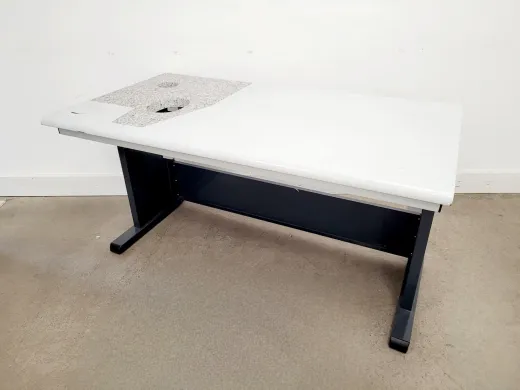
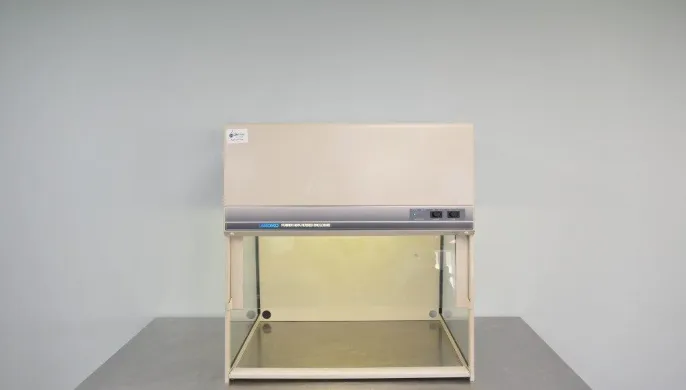
Laboratory furniture is the fixed and freestanding infrastructure a lab is built on: workbenches, storage and safety cabinets that hold instruments, reagents and samples at a safe and workable height. It spans bench surfaces chosen for chemical resistance, cabinets ventilated for solvent storage, and cabinets rated to contain a fire. Of the 2578 listings in this Questpair category, 95 percent are used. New and used laboratory furniture is offered by 16 verified suppliers and distributors across 8 countries, and refurbished benches and cabinets are listed below the price of new ones. Prices run from EUR 1 to EUR 171.102.
Updated:
Laboratory furniture product list
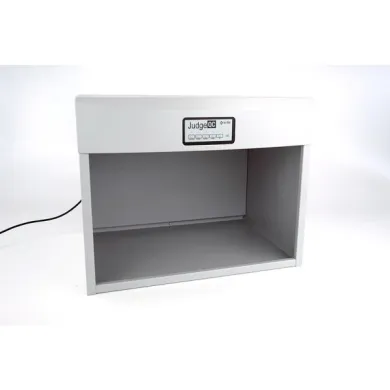
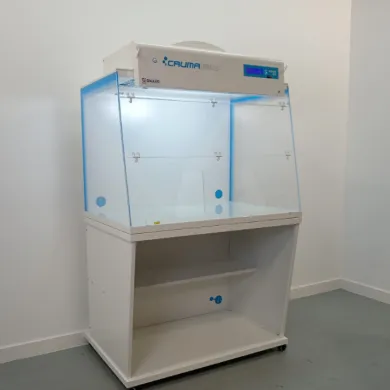
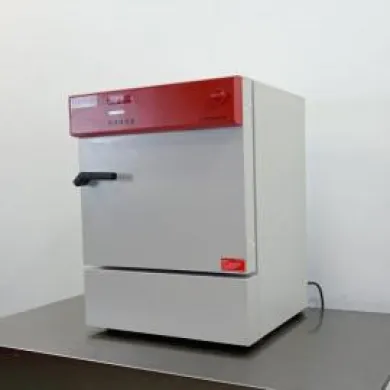
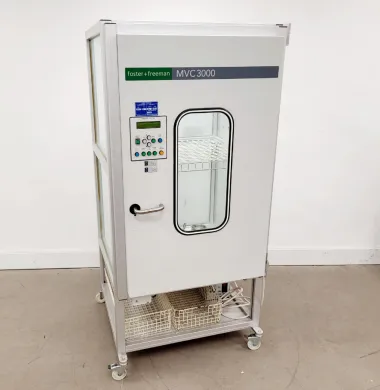


Not the exact instrument you need?
Tell our scientists what you are after. We track it down, including off-market supply.
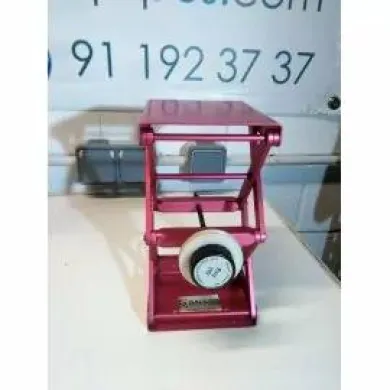
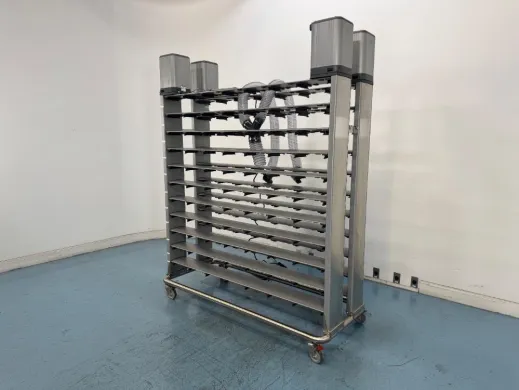
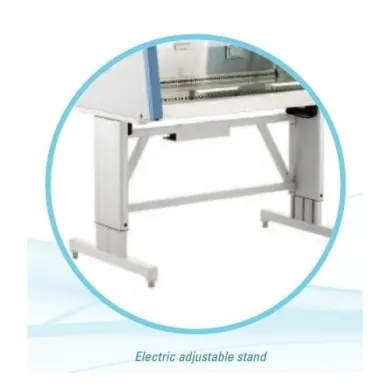
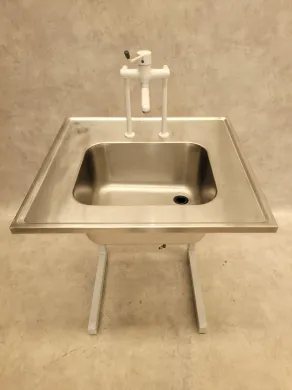
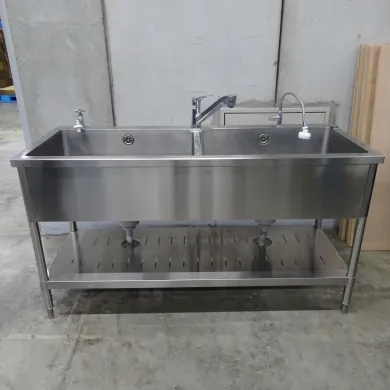
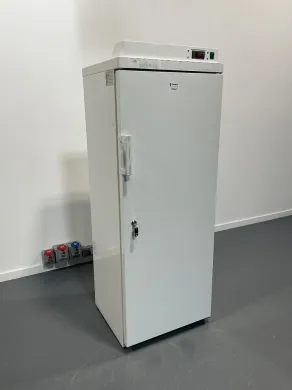
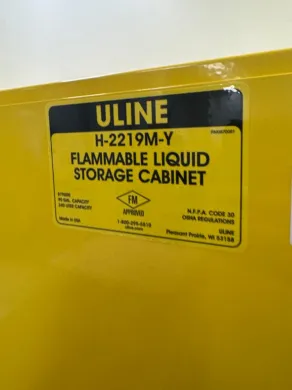
Not the exact instrument you need?
Tell our scientists what you are after. We track it down, including off-market supply.
Showing 1–40 of 891 listings
Show 40 more listingsBuying guide
What settles a laboratory furniture purchase first is the chemical and physical load the surface has to take, because everything else is built around it. A bench top for an analytical balance needs only to be flat, rigid and vibration-damped; one for a wet chemistry station has to shrug off acids, solvents and the occasional spill of something that eats laminate. Epoxy resin, phenolic resin, stainless steel and high-pressure laminate each sit at a different point on that scale, and the right one depends on what gets poured on it rather than on price. Decide the surface, and the frame, the under-bench storage and the sink cut-out follow from it.
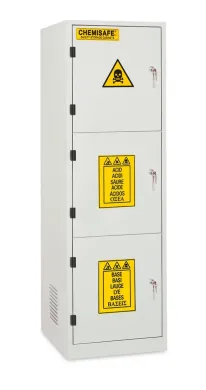
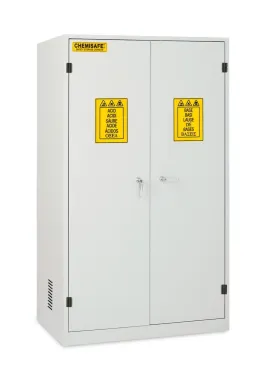
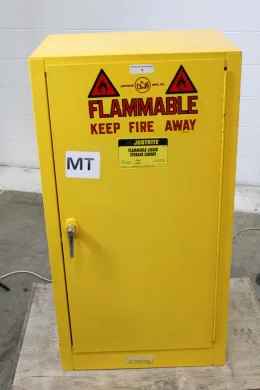
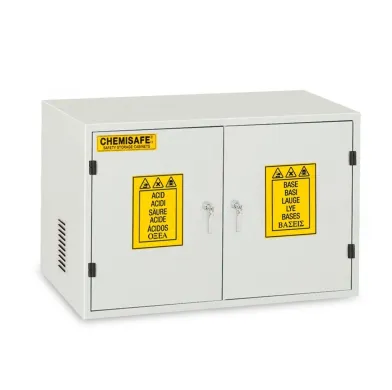
Storage and safety cabinets carry a second specification that matters just as much: ventilation and fire rating. A chemical storage cabinet for corrosives needs a liner and extraction that an ordinary laboratory storage cabinet does not, and a safety storage cabinet for flammables is rated by how long it holds back a fire, a number written into the cabinet and into local regulation. A buyer matching a cabinet to a solvent inventory is reading that rating first.
On a used bench or cabinet, the surface and the structure are where condition shows. Check the bench top for burns, etch marks and swelling at the edges, the frame for corrosion where water has pooled, and a ventilated cabinet for a working extraction path and intact seals. A safety cabinet's fire rating depends on its door closing and sealing as designed, so that mechanism is worth testing before anything is stored in it.
Where the price band sits is wide here, because the category runs from a single stool to a fully fitted fume-ready bench. Across the listings the cost spans EUR 1 to EUR 171.102, with an average around EUR 1.051. For a buyer on a budget, the used stock is where the value is, and refurbished benches and cabinets for sale list below new. The familiar names here, Various, Unknown, ULINE, VWR, Justrite, cover both ends of that range, from storage and safety specialists to general lab outfitters.
Types of Laboratory furniture
Which laboratory furniture types are listed?
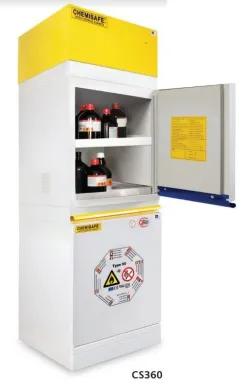
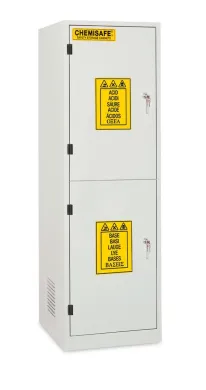
Among the listings that specify a type, the common ones are laboratory workbench, chemical storage cabinet, laboratory storage cabinet, laboratory furniture, safety storage cabinet, lab furniture. A laboratory workbench is the work surface itself, chosen for a flat, chemical-resistant top and a frame rigid enough for the instruments and samples it carries. A chemical storage cabinet is a ventilated enclosure for reagents and solvents, with a liner and extraction path suited to corrosives or volatiles; a laboratory storage cabinet is its general-purpose cousin, for glassware, consumables and non-hazardous stock. A safety storage cabinet is the fire-rated class, built to contain flammables for a specified time. These are fixtures rather than instruments, so their work is to hold the reagents and samples of other fields at a safe, workable station: a bench outfitted for cell culture, protein purification or histology, a ventilated cabinet storing the stains and solvents of a microbiology or immunoassay workflow. Lab furniture equipping a molecular biology bench is specified around electrophoresis rigs, pipettes and sample racks rather than around any process of its own.
The brands behind the laboratory furniture listings
The names that recur here are Various, Unknown, ULINE, VWR, Justrite. A large share of the catalogue carries a generic or unidentified maker, which is normal for furniture: a bench top or a cabinet is often sold on its specification, its material and its fire rating, rather than on a badge. Where a named maker does appear, two things follow for a buyer. Storage and safety specialists such as ULINE and Justrite make models whose ratings and dimensions are documented and easy to compare like for like, which matters most for anything fire-rated. General laboratory outfitters such as VWR cover benches and non-hazardous storage, where parts, fittings and matching units are easier to source. Either way, a documented model is one you can match a replacement shelf, door or liner to later.
What used laboratory furniture costs here?
Of the 2578 listings, 95 percent are used. Prices span EUR 1 to EUR 171.102. That range reflects a catalogue running from a single stool or shelf at one end to a fully fitted, ventilated bench or a large fire-rated cabinet at the other, with an average near EUR 1.051. The used stock is where a budget stretches furthest, and used benches and cabinets list below the price of new.
Frequently asked questions
What is laboratory furniture?
Laboratory furniture is the fixed and freestanding equipment that structures a working lab: the benches work is carried out on, the cabinets that hold reagents and samples, and the storage built to contain hazards. It is the infrastructure around instruments rather than the instruments themselves.
What does laboratory furniture mean in practice?
In practice it means the work surfaces and storage a lab is built around: workbenches, chemical and safety cabinets, general storage, shelving, sink units and trolleys. Each piece is chosen for the chemistry, load and fire protection the room demands, not for a general-purpose finish.
How does laboratory furniture work?
A workbench provides a chemical-resistant, load-rated surface for handling and preparation, while storage cabinets contain specific hazards through liners, ventilation and fire-rated construction. None of it performs an assay; the furniture supports the workflow and keeps reagents and samples safely held between tasks.
What types of laboratory furniture are there?
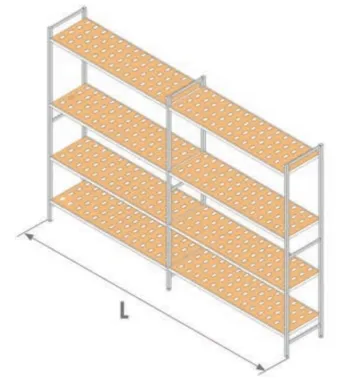
The listings sort into two families: work surfaces and storage. Work surfaces are laboratory workbenches, and storage splits into general laboratory storage cabinets for inert stock, chemical storage cabinets for reagents, and safety storage cabinets rated against a fire standard. Fittings like shelving, sink units and trolleys fall under the general lab furniture label.
What is laboratory furniture used for?
It provides the surfaces where sample preparation, plate loading and setup happen, and the storage that holds consumables, solvents and fixatives feeding molecular biology, microbiology, histology and protein work. The furniture is specified to the workflow it supports rather than to a single task.
How do I choose laboratory furniture?
Start with the chemistry the surface or cabinet sits next to. Match the bench top material to what gets spilled on it, and specify a chemical or safety cabinet against the fire standard and liner it needs, not against dimensions or shelf count. Hazard match settles the purchase before drawer count or finish does.
What is the difference between refurbished and used laboratory furniture?
Used furniture is sold in its existing condition, while refurbished units have been reconditioned before listing. Both are listed below the price of new, and because furniture holds no calibration that can drift, a sound used or refurbished piece functions the same as new.
How much does laboratory furniture cost?
Prices across the catalogue range from EUR 1 to EUR 171.102, with the average at EUR 1.051. The low end covers small fittings and parts, and the high end covers turnkey fume-grade cabinetry and multi-bay benching.
Which brands make laboratory furniture?
The names that recur in the listings are ULINE, VWR and Justrite, alongside a large share of stock filed as Various or Unknown. Generic and unbranded units are common here because a bench is judged on its surface and frame more than its badge.
Is there a warranty on refurbished laboratory furniture?
A warranty is often possible and is arranged in consultation for the specific listing. Terms are not set centrally, so check the individual listing to see what is offered.
Can I get replacement parts like shelves, liners or hinges?
Parts such as shelves, liners and hinges can be sourced via Questpair. A named model is generally easier to match than an unbranded cabinet, since its parts are documented.
How long does laboratory furniture last?
Lifespan depends on the surface material and the chemistry it meets: an epoxy resin top resists solvents and acids that would etch a laminate within a term, while phenolic sits between the two. A square frame, sound door seals and a holding sump extend a cabinet's working life well beyond a single project.
Should I buy new or refurbished laboratory furniture?
Refurbished and used units are listed at lower prices than new, and because this class of equipment does not drift out of calibration, the gap between a sound used bench and a new one is almost entirely price. Where warranty matters, check the individual listing, since it is arranged in consultation.
Where can I buy laboratory furniture?
The Questpair catalogue lists 2578 items from 16 verified suppliers and distributors across 8 countries. That spread covers both work surfaces and the full range of storage cabinetry.
What are the lead time and shipping like for laboratory furniture?
Lead time and shipping depend on the individual listing and the supplier handling it, which varies with item size from a benchtop fitting to multi-bay benching. The specifics are confirmed through the listing itself.
Does laboratory furniture need calibration or maintenance?
Furniture holds no calibration that can drift, so there is nothing to recalibrate. Maintenance is practical: check work surfaces for burns and delamination, and check cabinets for seized hinges, worn door seals and a sump that still holds.
Which laboratory furniture types are listed most, and who reaches for each?
The recurring types are laboratory workbenches, chemical storage cabinets, laboratory storage cabinets, safety storage cabinets and general lab furniture. A lab fitting out bench space reaches for workbenches, while a lab handling solvents or flammables reaches for chemical and safety cabinets specified against a standard.
Which brands dominate this category, and what does that mean for a buyer?
ULINE, VWR and Justrite recur among the branded listings, while much of the stock is unbranded or filed as Various or Unknown. For a buyer this means unbranded workbenches keep the entry price low but must be compared on surface and frame, while branded safety and chemical cabinets are bought on certification that a known maker makes easier to trust.
What separates the cheapest laboratory furniture from the most expensive?
The price band runs from EUR 1 to EUR 171.102, and the material mix explains the spread. The low end is small fittings, parts and unbranded benches; the high end is fire-rated cabinetry, fume-grade construction and multi-bay benching specified to a standard. The gap is the hazard the piece is built to handle, not a difference in seller grade.