53k+ listingsShips to NLResponse within one hour+31 73 711 4717info@questpair.com

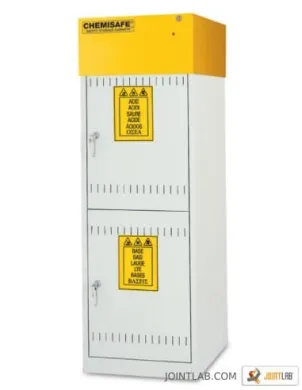
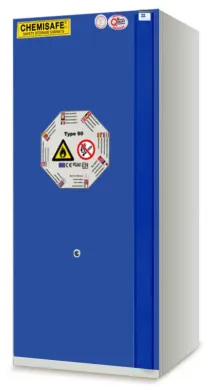
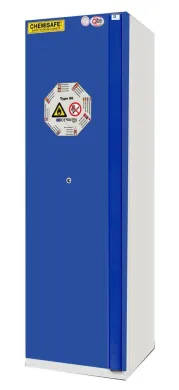
CSB63 MULTIRISK Chemisafe Chemical Storage Safety Cabinet

From€1,755excl. VAT

In stock

Can't find what you're looking for?

Internal capacity
210 lt (90x3)
Series
Chemicals - MULTIRISK
Weight kg
73
All 5 specifications
  • Ships to NL
  • Response within 1 hour
  • Warranty available. Buy without worry
  • Support from a scientist

Specifications 5

Brands
Chemisafe
New/Used
New
Internal capacity
210 lt (90x3)
Series
Chemicals - MULTIRISK
Weight kg
73

Product description

Electrogalvanized steel safety cabinet for chemical storage with multiple compartments and compliance to EN61010 & EN16121.

The CSB63 MULTIRISK by Chemisafe is a high-quality safety cabinet designed for secure chemical storage, fully compliant with:

  • EN61010: safety requirements for electrical equipment in labs
  • EN16121: professional furniture safety, durability, and stability standards

Construction and Materials:

  • Electrogalvanized sheet steel, 15/10 mm thick, cold bent
  • External acid-resistant finish: 90 micron epoxy resin cured at 200 °C
  • Monocoque structure with level adjustable feet
  • Corrosion-resistant plastic external zipper
  • Swing doors opening at 110° with locking system
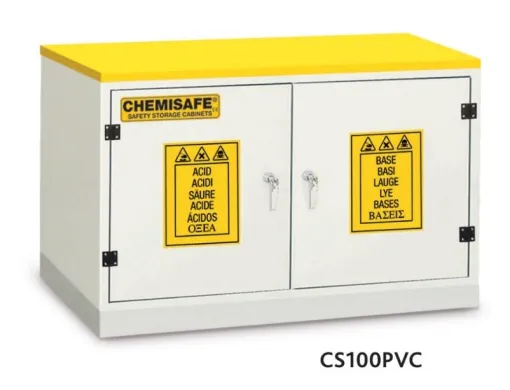
  • Compartments divided into 2, 3 or 4 sections to segregate non-flammable chemical families
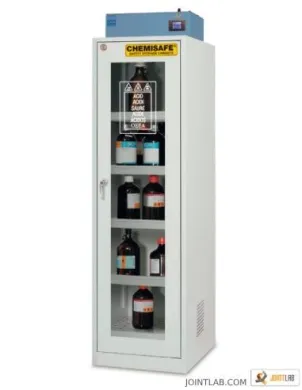
  • Fixed retention shelves made of plasticized, painted steel, or stainless steel with adjustable heights
  • Connection collar diameter: Ø 125 mm
  • Standardized ISO 3864 safety pictograms

Supplied Configuration for CSB63:

  • Acid compartment: 2 plasticized steel shelves
  • Bases compartment: 2 stainless steel shelves
  • Toxic substances compartment: 2 painted steel shelves
  • Maximum load: 40 kg evenly distributed per shelf

Variants and Accessories:

  • Glass door suffix: 'G' (e.g., CSB60G)
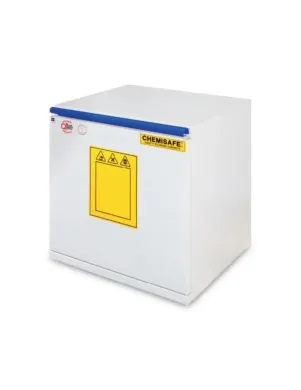
  • Undercounter and under-hood models: suffix 'UB' (no glass door)
  • Additional fixed shelves in plastic-coated or stainless steel available for 1 to 4 door wardrobes (CSB60R, CSB60RI, CSB120R, CSB120RI, CSB124R, CSB124RI)
  • Optional alarm and timer systems (TIM24, ALARM)
  • Electric aspirator and filtration accessories for ventilation systems (DIAM125BP, RSOLCA, F125FC, RE1000, GFKIT125)
  • Fresh air and molecular filtration systems with alarm options (CFN series, CFNL, CFNCO, CFNUB, CFNUBL)
  • Carbon filters specific for solvents, acids, and combined use with prefilters (CSAS, CSBE, CSMP, CSPF)

This cabinet is engineered to ensure chemical segregation, user safety, and durability in demanding laboratory environments.

Why Questpair exists

Lab equipment markets are fragmented. Buyers spend weeks calling distributors, comparing quotes, and verifying supplier reliability. Sellers struggle to reach global research labs.

We built Questpair to fix this. Every supplier on the platform is verified before listing. Every quote you receive comes from a real, vetted seller. AI prepares your case in minutes, then a real specialist takes over.

We're an independent team based in The Netherlands, working with research labs and procurement teams across Europe and worldwide.

Frequently asked questions

How long does laboratory equipment typically last?

With a service contract, ten to fifteen years is normal for most benchtop instruments. Detectors and pumps are the parts that wear first.

Can I get service for older equipment?

Often, yes. Verified suppliers frequently work with service partners converting the instrument. If applicable, we can list servicing options alongside the offer.

Where can I buy parts?

Ask a scientist through the request button. Parts are often available even when the instrument itself is discontinued.

What is the typical lead time for refurbished equipment?

Two to six weeks, depending on refurbishment scope and whether calibration is included.

Does laboratory equipment ship internationally?

We ship to 38 countries. Crating and customs handling are quoted with the instrument.

Reply in one hour

Can't find the exact configuration?

Tell us what you need and a scientist finds it for you, usually within the hour.

Last updated 3 November 2026