

Refrigerators
We personally find you the right used, refurbished and new refrigerators instruments & equipment from verified suppliers.
Laboratory refrigerators are temperature-controlled storage units built to hold reagents, samples, vaccines and biological material at a stable set point, typically between 2 and 8 degrees Celsius, with tighter uniformity than a domestic appliance provides. They differ from household models in forced-air circulation, calibrated temperature control, alarm systems and spark-free interiors for flammable contents. The Questpair catalogue lists 4370 units in new, used and refurbished condition, of which 94 percent are used and the remainder new. Those listings come from 18 verified suppliers and distributors across 11 countries. Prices run from EUR 9 to EUR 25.706, with an average around EUR 2.039, a spread that reflects everything from a single under-counter unit to a walk-in cold storage system.
Updated:
Refrigerators product list



Not the exact instrument you need?
Tell our scientists what you are after. We track it down, including off-market supply.
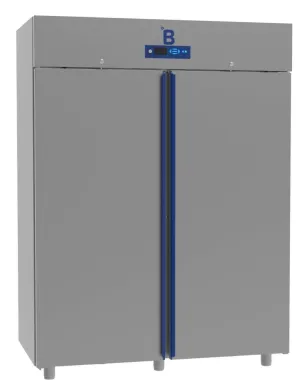
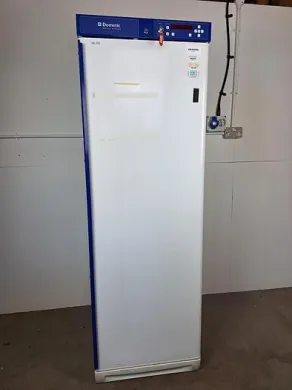
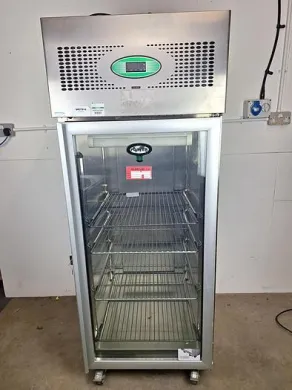
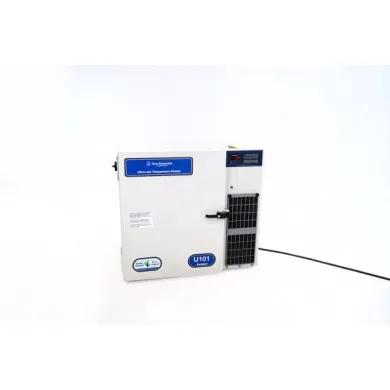
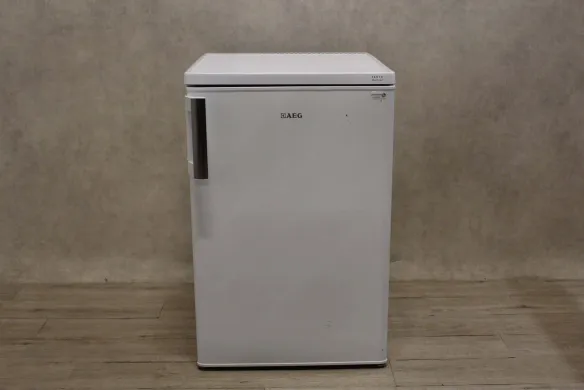
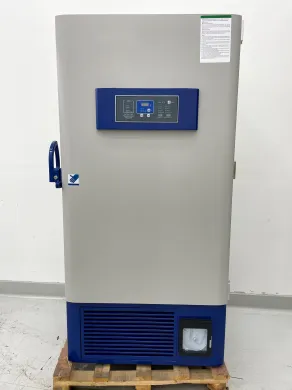
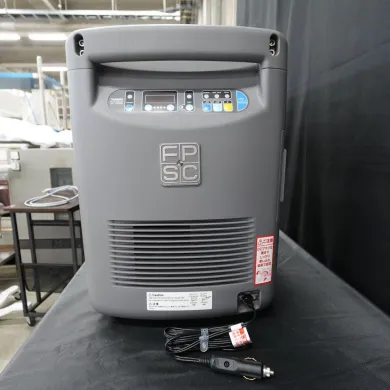
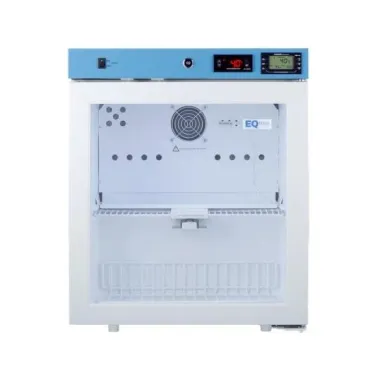
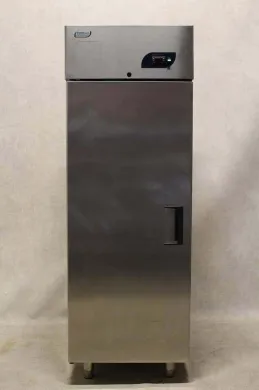
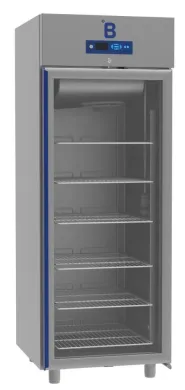
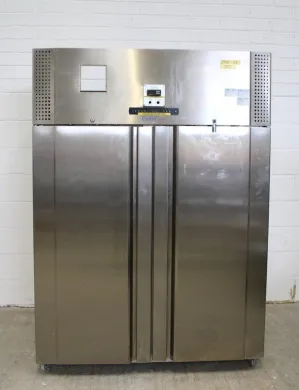
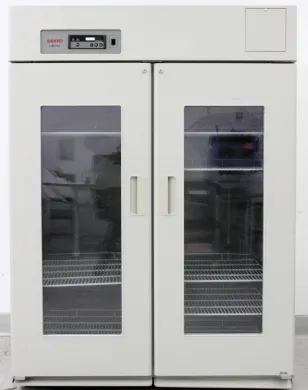
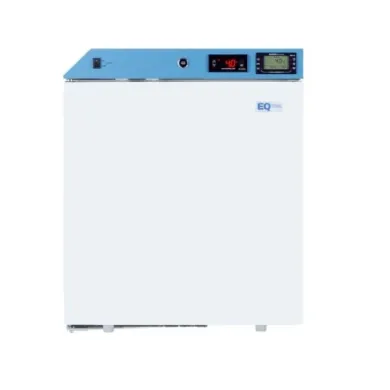
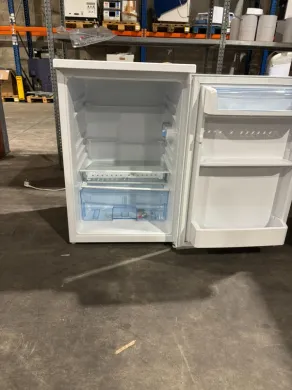
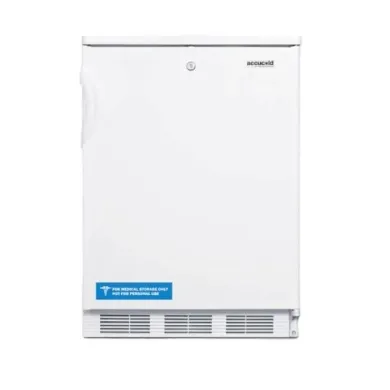
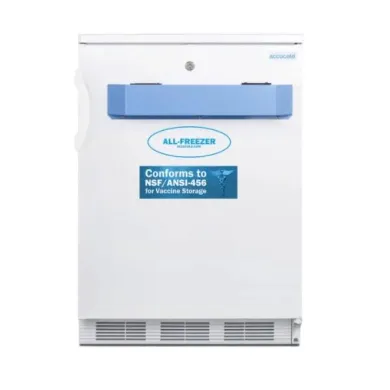
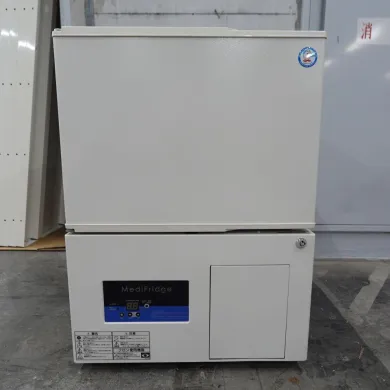
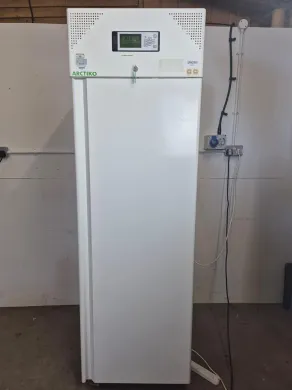
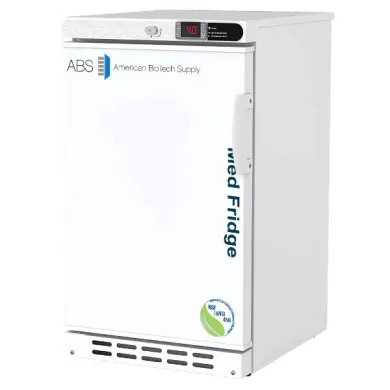
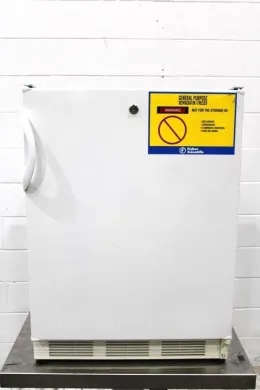
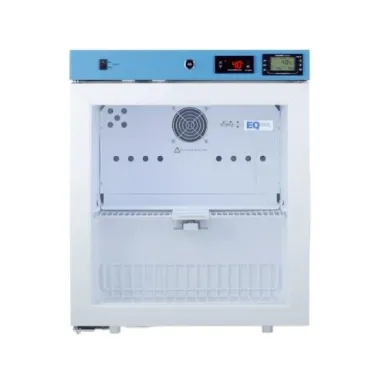
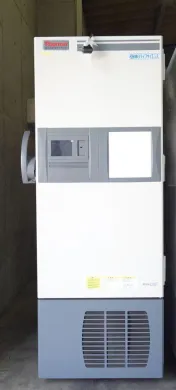
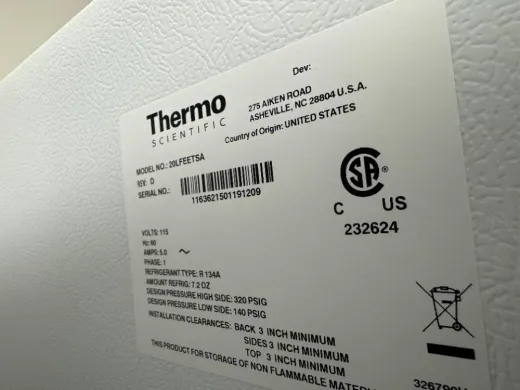
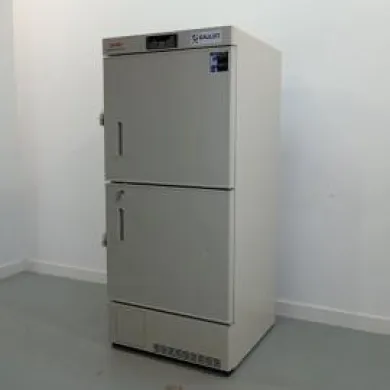
Sanyo Biomedical MDF-U537 Upright Freezer
- Category
- Freezers
- Brand
- Sanyo
- Suppliers
- 1 verified
Not the exact instrument you need?
Tell our scientists what you are after. We track it down, including off-market supply.
Showing 1–40 of 1,907 listings
Show 40 more listingsBuying guide
The set point and its uniformity decide this purchase before anything else. A unit that holds 2 to 8 degrees for general reagent storage is a different machine from a biomedical refrigerator validated for vaccines, and that from a minus 80 ultra-low freezer for cell lines. Read the specified uniformity across the chamber, not just the headline temperature: a cheap cabinet can hit an average set point while the top shelf runs several degrees warmer than the bottom, which is the difference between viable samples and a ruined batch. Match the control type to the contents. Electronic PID control with a digital display is standard for anything that has to be documented; a simple thermostat dial belongs to media and buffer storage where a degree or two does not matter.
On a used unit, the compressor and the door seal are what to verify, because they are what wear and what cost most to replace. Ask how many running hours the compressor has and whether it has been retrofitted; a refrigeration circuit is serviceable but a tired one short-cycles and loses uniformity. Check that the gasket seats cleanly around the whole door and that the hinges have not dropped, since a seal that leaks defeats every other specification. For anything that will store documented material, confirm the unit can be recalibrated and that the alarm, the probe and any data logging port still function. Used and refurbished units are listed below new prices, and a mechanically sound older cabinet with a fresh calibration is often the better value than a budget new import.
The price band here is wide. A small benchtop or under-counter cold storage unit sits near the bottom of the range, a validated biomedical refrigerator in the middle, and a large ultra-low freezer or a multi-door pharmacy cabinet near the top. What fits a budget depends far more on volume and validation grade than on brand: a lab that needs certified vaccine storage pays for the monitoring and the documentation, while a lab storing buffers does not. The names that dominate the listings, Accucold, Thermo Fisher Scientific, VWR, Thermo Scientific, Fisherbrand, span that whole spread, so a buyer can compare a compact Accucold against a validated Thermo Fisher Scientific cabinet within the same catalogue. Refurbished units offered for sale at the lower end of the band make it practical to add cold storage capacity without new-equipment cost.
Types of Refrigerators
Which refrigerator and freezer types are listed?
Among the listings that specify a type, the catalogue splits along temperature range and intended contents. A laboratory refrigerator holds the 2 to 8 degree band for reagents, media and routine samples, and is the general workhorse of the group. A laboratory freezer extends down to roughly minus 20 or minus 30 for longer-term storage of enzymes, aliquots and nucleic acid preparations. A biomedical freezer is a validated, alarmed machine built to documented standards for clinical and pharmaceutical material, where a temperature excursion has to be recorded and defended. An ultra-low temperature freezer reaches minus 70 to minus 86 and is the standard for cell lines, bacterial stocks and long-term biobanking. Cold storage units and refrigerated storage units cover the larger-format and reach-in designs that sit between a cabinet and a walk-in. The distinction a buyer actually chooses on is not the label but the temperature the contents require and whether that temperature has to be proven.
These units underpin a great deal of molecular biology and life sciences work. An ultra-low temperature freezer is where a cell culture laboratory keeps its frozen cell stocks and where a genomics or proteomics facility archives extracted DNA, RNA and protein. A biomedical freezer holds the reagents and samples that move through molecular diagnostics and immunoassay workflows, and a validated biomedical refrigerator is the standard cold chain store for vaccine and biologic material in biomanufacturing. The field spans every discipline that works with temperature-sensitive reagents, so the same cabinet classes serve microbiology, bioprocessing and clinical histology alike, each needing a different combination of range, uniformity and documentation.
The brands behind the refrigerator listings
The names that recur across the catalogue are Accucold, Thermo Fisher Scientific, VWR, Thermo Scientific, Fisherbrand. For a buyer, that concentration is useful: the Thermo Fisher Scientific and Thermo Scientific cabinets are widely enough deployed that spare parts, shelving and service manuals are easy to source, and models are easy to compare across sellers. Accucold occupies the compact and under-counter end, where price is lower and the specification simpler. VWR and Fisherbrand sit across the general-purpose middle. Because these makes appear in volume rather than as one-off listings, a buyer can line up the same class of unit from several verified suppliers and distributors and compare condition and price directly rather than guessing at a model with no reference point.
What a used laboratory refrigerator costs here
The condition mix is weighted heavily toward used stock: 4106 of the listings are used against 262 new. Prices run from EUR 9 to EUR 25.706. That range covers the full span from a small benchtop cold storage unit to a large ultra-low freezer, so the figure a given buyer meets depends almost entirely on volume and temperature class rather than on condition alone. Used and refurbished units are listed below new prices, which is why the bulk of the catalogue, and most of the practical capacity on offer, sits in that lower band.
Frequently asked questions
What is a laboratory refrigerator?
It is a temperature-controlled storage unit built to hold reagents, samples, vaccines and biological material at a stable set point, usually between 2 and 8 degrees Celsius. It differs from a domestic fridge in its forced-air circulation, calibrated control, alarms and tighter temperature uniformity across the chamber.
What does laboratory refrigerator mean compared to a regular fridge?
The term refers to a unit engineered for stable, documented temperature rather than general food cooling. The practical difference is calibrated control, chamber uniformity, alarm systems and often a spark-free interior for flammable contents.
How do laboratory refrigerators work?
A compressor-driven refrigeration circuit removes heat while forced-air circulation keeps the temperature even across the whole chamber instead of just near the cooling element. An electronic controller reads one or more probes and adjusts the system to hold the set point, with alarms triggering if the temperature drifts out of range.
What types of laboratory refrigerators and freezers are there?
The main classes are the laboratory refrigerator for the 2 to 8 degree band, the laboratory freezer reaching roughly minus 20 to minus 30, the biomedical freezer built to documented standards, the ultra-low temperature freezer at minus 70 to minus 86, and larger cold storage units and refrigerated storage units. The choice depends on the temperature the contents require and whether that temperature has to be proven.
What are laboratory refrigerators used for?
They store temperature-sensitive reagents, media, samples, vaccines and biological material across molecular biology, clinical, microbiology and bioprocessing work. The range chosen follows the contents: 2 to 8 degrees for reagents and vaccines, minus 20 for aliquots and nucleic acids, and minus 80 for cell lines and long-term biobanking.
How do I choose a laboratory refrigerator?
Start with the set point your contents require and the uniformity specified across the chamber, not just the headline temperature, since a cheap cabinet can run several degrees warmer on the top shelf. Then match the control type to the contents: electronic PID control with a digital display for documented material, a simple thermostat dial for buffers and media where a degree or two does not matter.
What is the difference between refurbished and used units?
A used unit is sold in its existing condition, while a refurbished unit has been checked and brought back to working order before listing. Both are listed below new prices, and for documented storage a refurbished cabinet with a fresh calibration is often the more dependable of the two.
How much does a laboratory refrigerator cost?
In the Questpair catalogue prices range from EUR 9 to EUR 25.706, with an average around EUR 2.039. Where a unit falls depends mostly on volume and temperature class, from a small under-counter cold storage unit at the bottom to a large ultra-low freezer at the top.
Which brands are listed for laboratory refrigerators?
The names that recur are Accucold, Thermo Fisher Scientific, VWR, Thermo Scientific and Fisherbrand. Accucold sits at the compact and under-counter end, Thermo Fisher Scientific and Thermo Scientific across validated and general cabinets, and VWR and Fisherbrand across the general-purpose middle.
Is there a warranty on a refurbished unit?
A warranty is often possible and is arranged in consultation for the specific listing. Check the individual listing for its terms rather than assuming a blanket policy across the catalogue.
Can I get spare parts for these refrigerators?
Parts can be sourced via Questpair. For widely deployed makes such as Thermo Fisher Scientific and Thermo Scientific, shelving and common service parts are generally easier to locate because the same models appear across many listings.
How long does a laboratory refrigerator last?
Lifespan depends chiefly on the compressor and the door seal, which are the parts that wear and cost most to replace. A refrigeration circuit is serviceable, so a mechanically sound older cabinet with a sound compressor and gasket can remain in service for many years.
Should I buy new or refurbished?
Used and refurbished units are listed at lower prices than new, which is the clear difference between them. A mechanically sound older cabinet with a fresh calibration often serves documented storage as well as a budget new import, so weigh the specific listing and confirm the warranty arranged in consultation.
Where can I buy a laboratory refrigerator?
The Questpair catalogue lists 4370 units from 18 verified suppliers and distributors across 11 countries. That lets you line up the same class of unit from several sellers and compare condition and price directly.
What is the lead time and shipping on these units?
Lead time and shipping depend on the individual seller and the unit's size, since a walk-in cold storage system ships differently from an under-counter cabinet. The specific listing and the supplier handling it set the arrangements.
How are these refrigerators calibrated and maintained?
For documented material, confirm the unit can be recalibrated and that the alarm, probe and any data logging port still function. On a used unit the key maintenance checks are the compressor running hours and a door gasket that seats cleanly around the whole door, since a leaking seal defeats every other specification.
Which types in this category are listed most, and who reaches for which?
The laboratory refrigerator at 2 to 8 degrees is the general workhorse, while ultra-low temperature freezers serve cell culture and genomics facilities storing frozen stocks and extracted DNA, RNA and protein. Biomedical freezers and validated biomedical refrigerators go to clinical, pharmaceutical and vaccine cold chain work where a temperature excursion has to be recorded and defended.
Which brands dominate this category and what does that mean for a buyer?
Accucold, Thermo Fisher Scientific, VWR, Thermo Scientific and Fisherbrand recur across the listings. Because these makes appear in volume rather than as one-off entries, a buyer can compare the same class of unit from several verified suppliers and distributors and source spare parts and shelving against a known reference point.
What separates the bottom of the price band from the top here?
At the bottom sit small benchtop and under-counter cold storage units with simple thermostat control; in the middle, validated biomedical refrigerators that carry monitoring and documentation; at the top, large ultra-low freezers and multi-door pharmacy cabinets. The difference is driven far more by volume and validation grade than by brand, since certified vaccine storage pays for the monitoring and documentation that buffer storage does not need.