

Robotics
We personally find you the right used, refurbished and new robotics instruments & equipment from verified suppliers.
Laboratory robotics are programmable systems that carry out repetitive bench tasks without a human operator, most often the transfer and dispensing of liquids across microplates. The field covers automated liquid handling, plate movement and sample preparation, and ranges from a single pipetting arm to a fully integrated workcell. On Questpair, new, used and refurbished units are listed across the laboratory robotics catalogue, with 99 percent of the listings used. Current stock runs to 188 items from 14 verified suppliers and distributors across 7 countries. Prices span a wide band, from EUR 86 for a component or accessory to EUR 103.307 for a complete automation platform, which reflects how broadly this class is defined.
Updated:
Robotics product list


Not the exact instrument you need?
Tell our scientists what you are after. We track it down, including off-market supply.
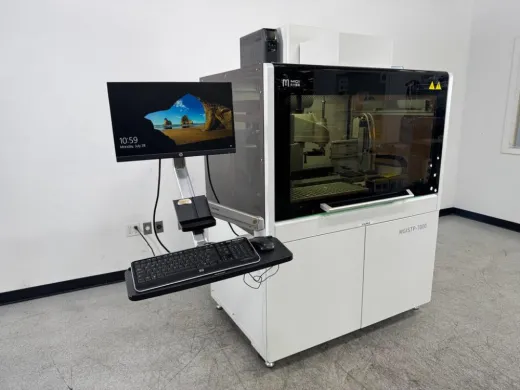
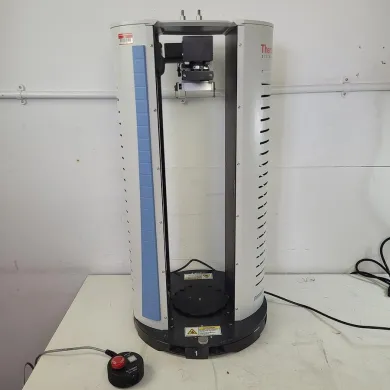
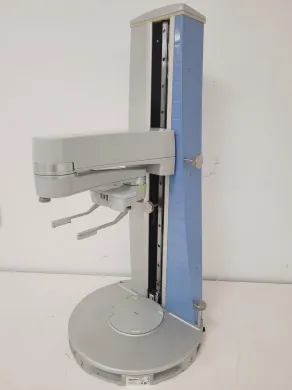
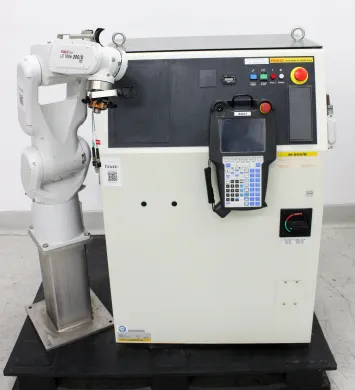
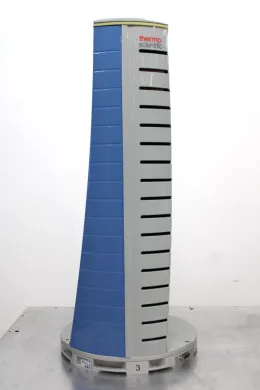
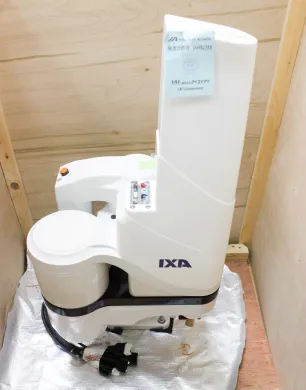
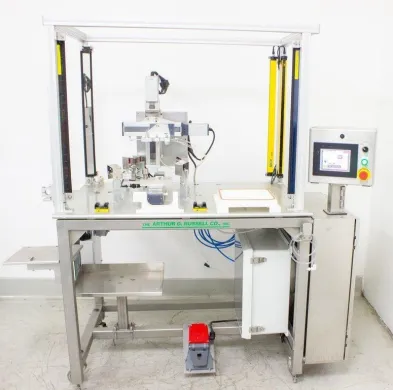
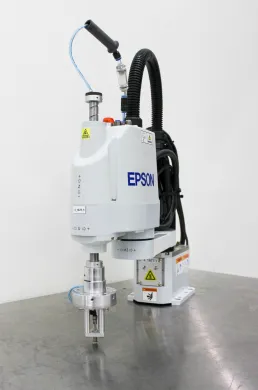
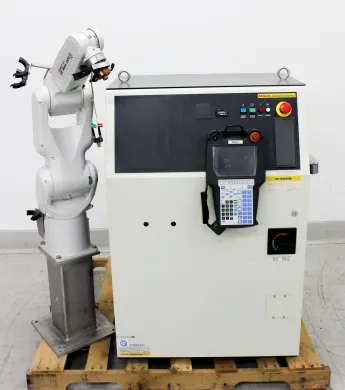
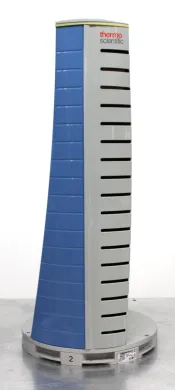
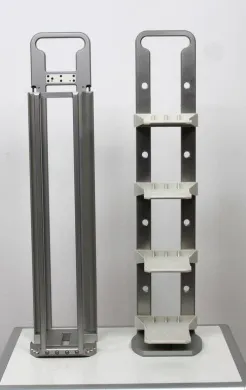
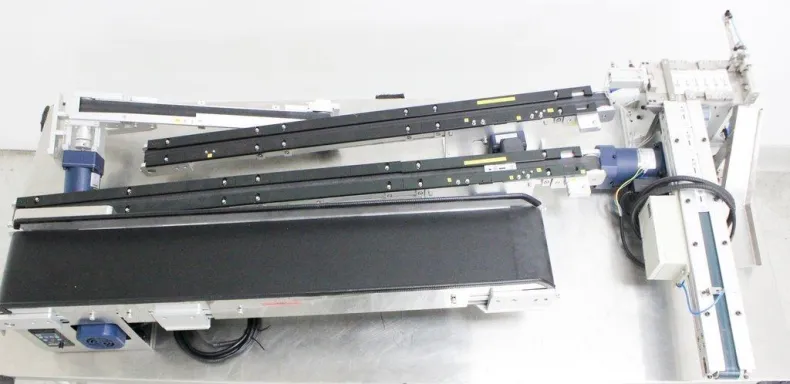
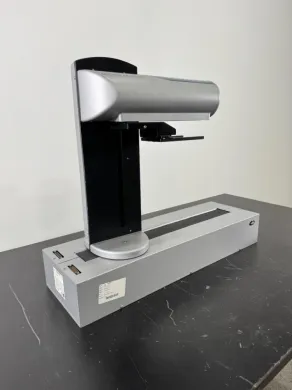
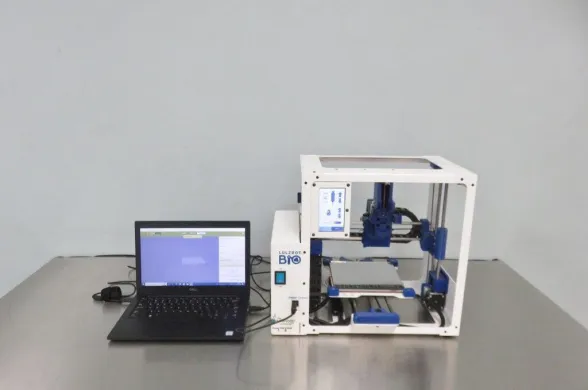
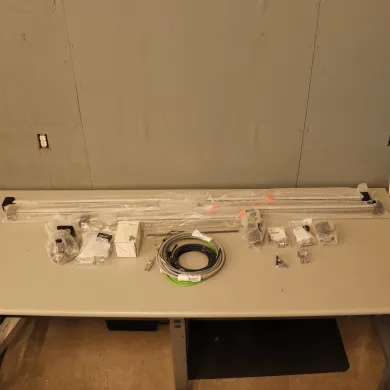
Not the exact instrument you need?
Tell our scientists what you are after. We track it down, including off-market supply.
Showing 1–40 of 109 listings
Show 40 more listingsBuying guide
What settles a laboratory robotics purchase before anything else is throughput: how many samples the system has to process in a run, and how fast. A deck that holds eight tips and two plates suits a protocol of a few dozen reactions; a high-density platform running 384 or 1536 wells with on-deck incubation and plate stacking is a different machine entirely, and the price gap between them is most of the spread you see in this catalogue. Decide the daily volume first, because it fixes the deck size, the number of positions, and whether an integrated arm to shuttle plates between stations is worth paying for. A buyer who sizes the robot to the actual workload, rather than to the busiest week imagined, avoids both the under-capacity that forces manual top-up and the over-capacity that sits idle.
Once the format is settled, the question on a used unit is what it was built around. Liquid handlers are configured for a specific tip type, a specific plate geometry and often a specific assay, and a deck set up for one laboratory's workflow may need reconfiguration for another. Verify that the tips and labware the seller's deck expects are still available and affordable, that the software licence transfers or can be relicensed, and that the pipetting channels have been checked for volume accuracy. These systems depend on calibration far more than most benchtop equipment: a channel that dispenses a few percent off ruins an assay silently. Ask what the unit last ran and whether its dispensing was verified before listing. Parts for older platforms can be sourced via Questpair.
The price band here is unusually wide because the category spans single arms, pipetting modules and whole workcells. Most of what a buyer looks at falls well below the top of the range, and the average listing sits far closer to the floor than the ceiling, so budget against the configuration you actually need rather than the headline maximum. Refurbished and used automation is listed for sale at prices below new, which is where the value sits for a laboratory that wants capacity without a capital-project timeline. The brands that occupy this catalogue, Beckman Coulter, Thermo Scientific, Epson, FANUC, Thermo Fisher Scientific among them, cover both the dedicated liquid-handling houses and the industrial-arm makers, so the cost of a given model is easy to compare across several suppliers before you commit.
Types of Robotics
Which robotic systems are listed here?
Among the listings that specify a type, the catalogue is dominated by liquid handling. Automated liquid handling systems and automated pipetting systems do the same core job, moving measured volumes between wells, reservoirs and tubes, and the two names mostly reflect how different makers label the same class. A liquid handling robot is the self-contained unit that performs this on a fixed deck, while a laboratory automation system is the broader assembly that links such a unit to incubators, readers and plate stores under one scheduler. A laboratory automation robot usually means the articulated arm that passes plates between those stations. The one distinction worth holding onto as a buyer is scale: a pipetting system is a single instrument, an automation system is an integrated line, and the second costs and commits far more than the first.
This equipment is the workhorse of several life-sciences fields. Automated liquid handling is the backbone of high-throughput screening and of the sample-preparation stages ahead of genomics and proteomics, where a run may need thousands of identical pipetting steps that no hand can do reproducibly. Pipetting systems are also used for nucleic acid extraction and PCR setup in molecular diagnostics, for plating and dilution in microbiology, and for the reagent transfers behind an immunoassay. In cell culture and cell imaging work they handle media changes and plate seeding at a consistency manual pipetting cannot match, and in protein purification they automate the repetitive loading and elution steps. These are the research applications a buyer is usually sizing the robot against, and they are what makes throughput, rather than any single specification, the deciding factor.
The brands behind the robotics listings
The makers that recur in this catalogue, Beckman Coulter, Thermo Scientific, Epson, FANUC, Thermo Fisher Scientific among them, fall into two camps. The dedicated liquid-handling and instrument houses supply purpose-built pipetting decks with their own labware and software, which makes parts and consumables easier to find and models straightforward to compare against one another. The industrial-arm makers bring general-purpose robots adapted to the laboratory, which widens what the deck can reach but ties support to a different parts ecosystem. For a buyer, a brand that appears often across several of the verified suppliers and distributors here means more than one unit to weigh, and a better chance of finding the exact configuration without waiting for it. Compatibility of tips, plates and software follows the maker, so it is worth settling on one or two names early and comparing within them.
What a used robotics system costs here
Condition is the clearest fact in this catalogue: 99 percent of the listings are used. Prices run from EUR 86 to EUR 103.307. That spread is not a measure of quality but of what counts as a listing, from a single accessory at the floor to a complete integrated workcell at the ceiling, with the typical unit sitting much nearer the lower end than the average alone suggests. Used and refurbished automation is listed below new pricing, which for this class of equipment is where most of the available capacity actually is. Where a buyer wants a warranty on a specific unit, that is arranged in consultation for the listing in question.
Frequently asked questions
What is laboratory robotics?
Laboratory robotics are programmable systems that perform repetitive bench tasks without a human operator, most commonly transferring and dispensing liquids across microplates. The category covers automated liquid handling, plate movement and sample preparation, from a single pipetting arm to a fully integrated workcell.
What does robotics mean in a lab context?
It refers to automation that replaces manual pipetting and plate handling with a machine that runs a defined protocol. The term spans both the self-contained pipetting unit and the larger assembly that links such a unit to incubators, readers and plate stores under one scheduler.
How do lab robotics systems work?
A liquid handler moves measured volumes between wells, reservoirs and tubes using one or more pipetting channels mounted on a motorised deck, following a programmed sequence of positions and volumes. In a larger automation system an articulated arm passes plates between stations while a scheduler coordinates the timing.
What types of robotics are listed here?
The catalogue is dominated by liquid handling: automated liquid handling systems, automated pipetting systems, liquid handling robots, laboratory automation systems and laboratory automation robots. The distinction that matters is scale, since a pipetting system is a single instrument while an automation system is an integrated line that costs and commits far more.
What are lab robotics used for?
They handle high-throughput screening, sample preparation ahead of genomics and proteomics, nucleic acid extraction and PCR setup, plating and dilution in microbiology, reagent transfers for immunoassays, and media changes in cell culture. The common thread is a run that needs many identical pipetting steps no hand can do reproducibly.
How do I choose a lab robotics system?
Start with throughput: how many samples a run must process and how fast, because that fixes the deck size, the number of positions, and whether an integrated plate-shuttling arm is worth paying for. Size the robot to the actual daily workload rather than the busiest week imagined to avoid both under-capacity and idle over-capacity.
What is the difference between refurbished and used robotics?
Used describes a unit sold in its current working condition, while refurbished implies it has been checked and brought back toward working order before listing. For either, ask what the unit last ran and whether its pipetting channels were verified for volume accuracy before it was listed.
How much does a lab robotics system cost?
Listings range from EUR 86 for a component or accessory to EUR 103.307 for a complete automation platform, with the average at EUR 7.694. The band is wide because the category spans single arms, pipetting modules and whole workcells, and the typical unit sits far nearer the floor than the average alone suggests.
Which brands make the robotics listed here?
Names that recur include Beckman Coulter, Thermo Scientific, Epson, FANUC and Thermo Fisher Scientific. They split into dedicated liquid-handling and instrument houses that supply purpose-built pipetting decks, and industrial-arm makers whose general-purpose robots are adapted to the laboratory.
Is a warranty available on a refurbished robotics unit?
A warranty is often possible and is arranged in consultation for the specific listing. Because terms depend on the individual unit and seller, check them against the listing you are considering.
Can I still get parts for an older robotics platform?
Parts for older platforms can be sourced via Questpair. Before buying a used deck, confirm that the tips and labware it expects are still available and affordable, since consumable availability follows the maker.
How long does a lab robotics system last?
Service life depends on how heavily the pipetting channels and moving parts were used and how well calibration was kept up. These systems depend on calibration far more than most benchtop equipment, so a unit whose dispensing has been maintained can keep running long after purchase.
Should I buy new or refurbished robotics?
Used and refurbished automation is listed at lower prices than new, which for this class of equipment is where most available capacity sits. Weigh a specific used unit by its verified dispensing accuracy and labware availability, and arrange any warranty in consultation for that listing.
Where can I buy lab robotics?
The Questpair catalogue lists new, used and refurbished units from 14 verified suppliers and distributors across 7 countries. Current stock runs to 188 items spanning single accessories to complete platforms.
What are the lead time and shipping on these systems?
Lead time and shipping depend on the individual listing and its supplier, since an in-stock accessory ships differently from a complete integrated workcell. The terms for a specific unit can be confirmed through the listing before you commit.
How are robotics systems calibrated and maintained?
The key maintenance point is pipetting channel calibration, because a channel dispensing a few percent off ruins an assay silently. Before buying a used unit, ask what it last ran and whether its dispensing was verified; note that Questpair lists equipment but does not perform servicing.
Which robotics types are listed most, and who reaches for which?
Liquid handling dominates the listings, with automated liquid handling systems and automated pipetting systems doing the same core job of moving measured volumes between wells. Screening and genomics labs reach for high-density pipetting decks, while a lab linking that deck to incubators and readers needs the broader laboratory automation system.
Which brands dominate this category and what does that mean for a buyer?
Dedicated liquid-handling houses supply purpose-built decks with their own labware and software, which makes parts and consumables easier to find and models straightforward to compare. Industrial-arm makers such as Epson and FANUC bring general-purpose robots that widen reach but tie support to a different parts ecosystem, so settle on one or two names early and compare within them.
What separates the cheapest robotics listings from the most expensive?
At the floor sit single components and accessories; at the ceiling sit complete integrated workcells with high-density decks, on-deck incubation, plate stacking and an articulated arm. The gap is driven by throughput and integration rather than quality, so budget against the configuration you actually need rather than the headline maximum.