

Hot plates
We personally find you the right used, refurbished and new hot plates instruments & equipment from verified suppliers.
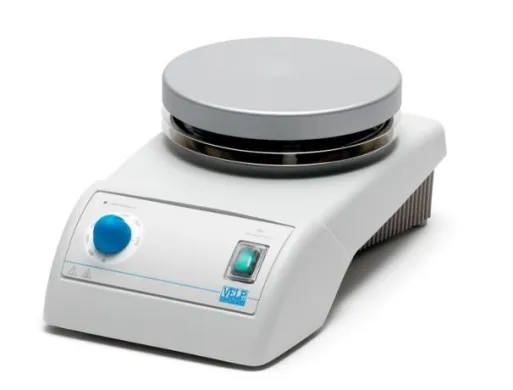
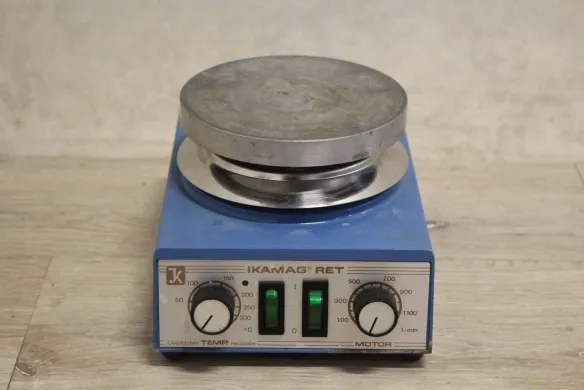
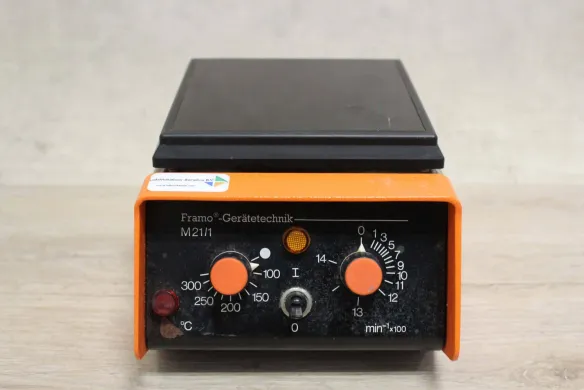
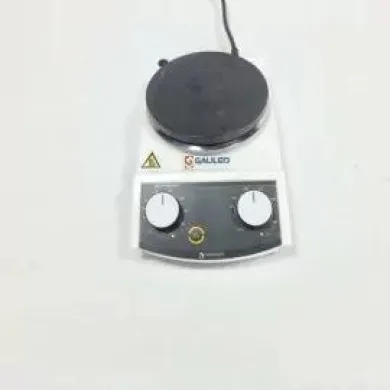
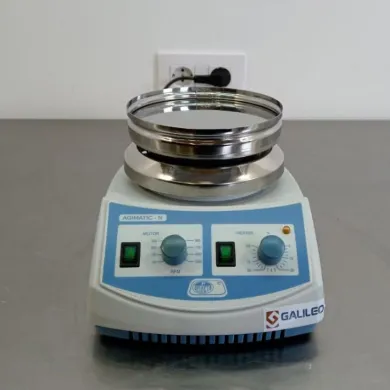
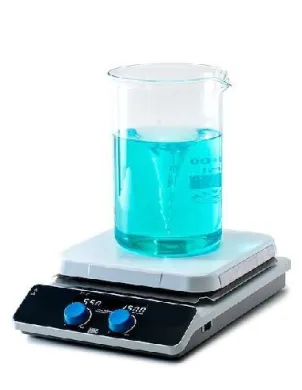
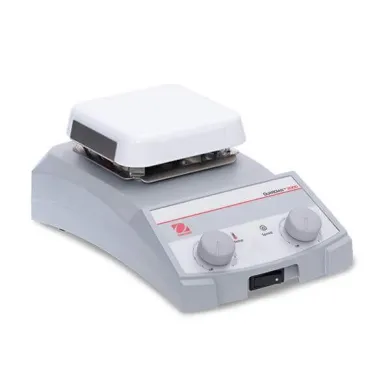
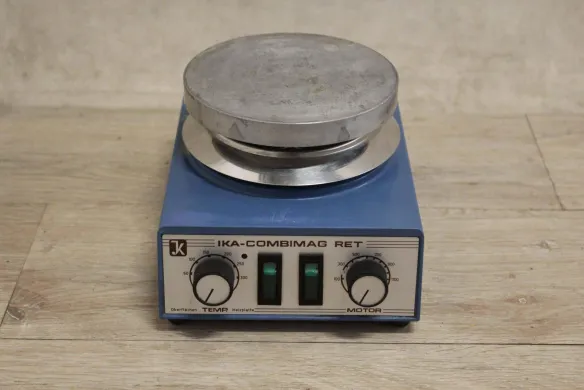
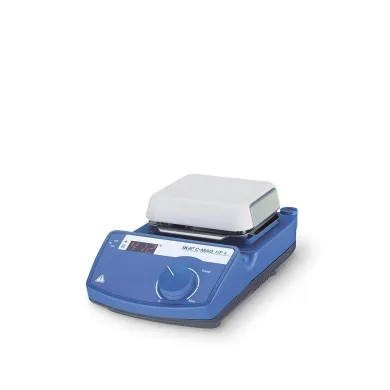
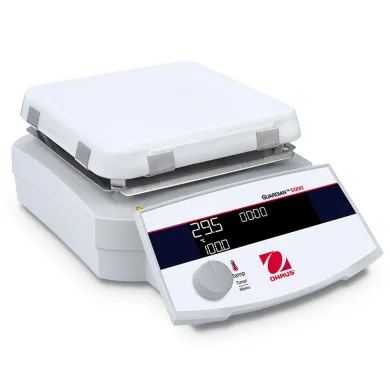
Hot plates are laboratory heating devices that warm vessels from below through a flat, electrically heated surface, used to raise and hold sample temperature for dissolving, reacting, boiling and evaporating. Many combine the heated surface with a magnetic stirrer, so a single unit both heats and mixes. On Questpair, 789 hot plate listings are offered by 18 verified suppliers and distributors across 9 countries. New, used and refurbished units are all listed. 89 percent of the listings are used. Prices run from EUR 1 to EUR 10.326, so the catalogue reaches from a bare secondhand plate to a high-end digital laboratory model with closed-loop control.
Updated:
Hot plates product list
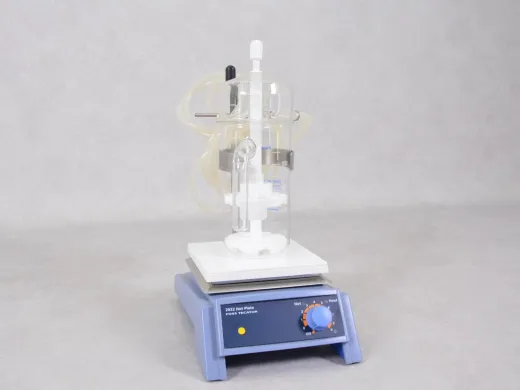
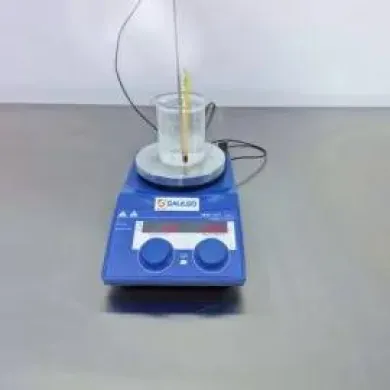
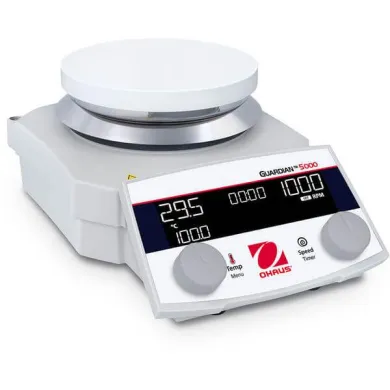
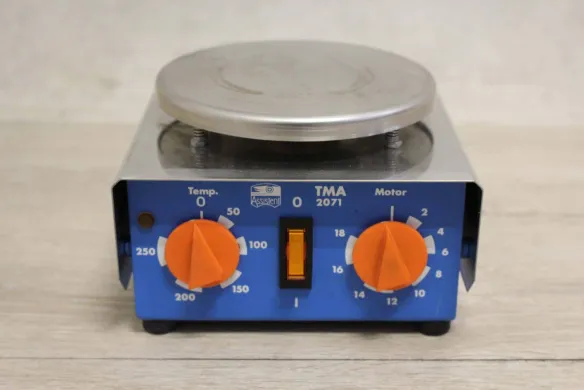


Not the exact instrument you need?
Tell our scientists what you are after. We track it down, including off-market supply.
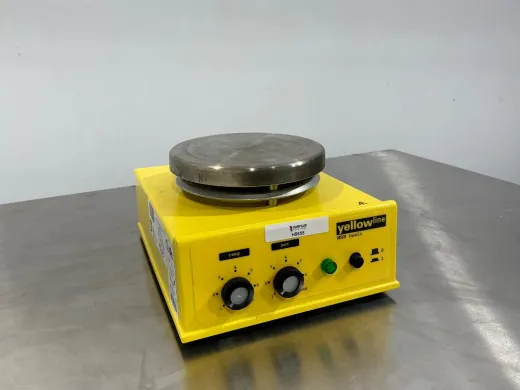
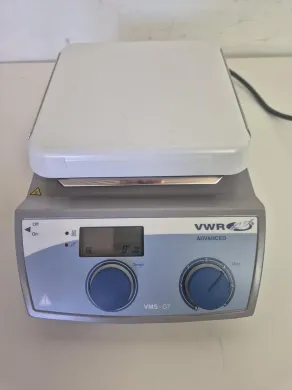
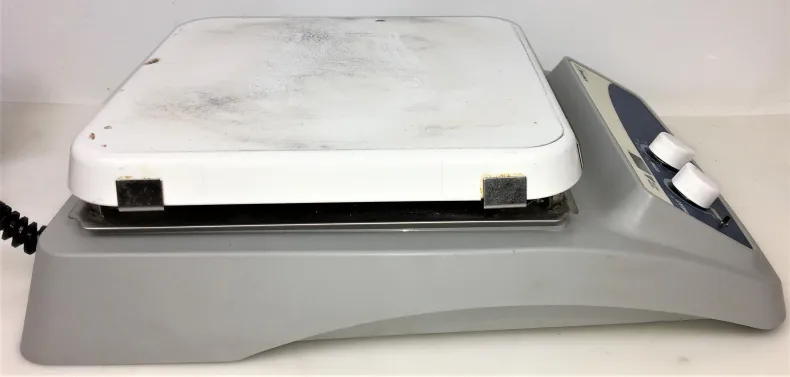
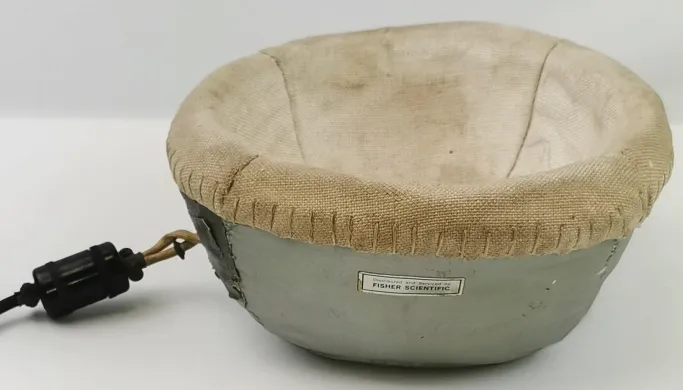
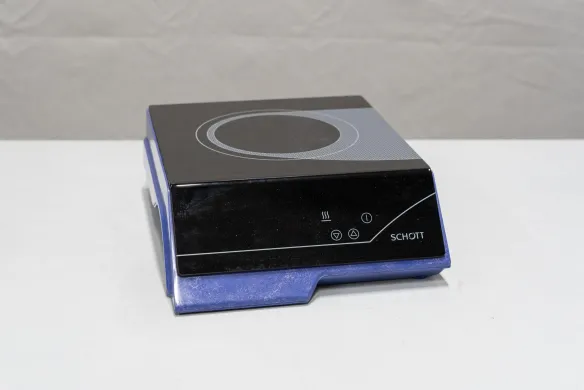
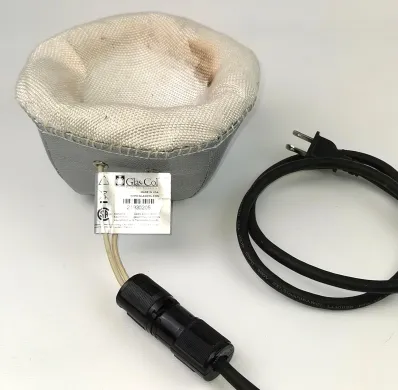
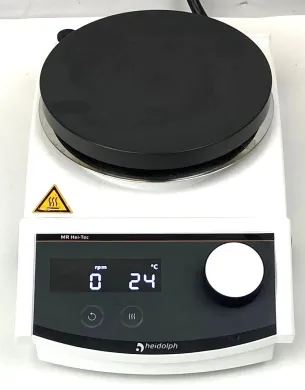
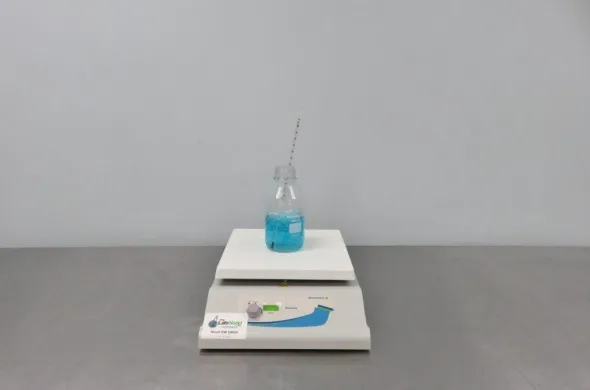
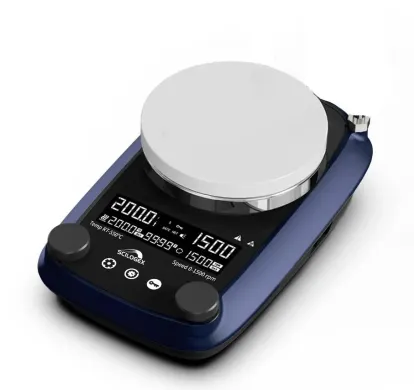
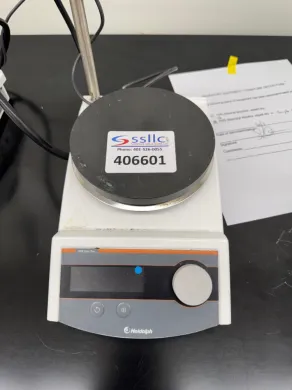
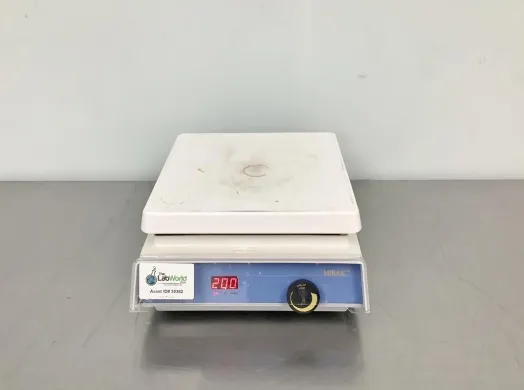
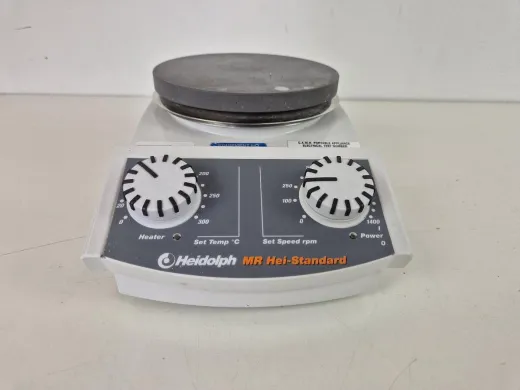
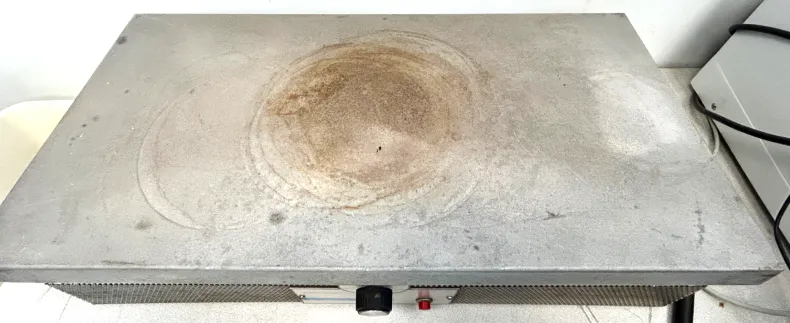
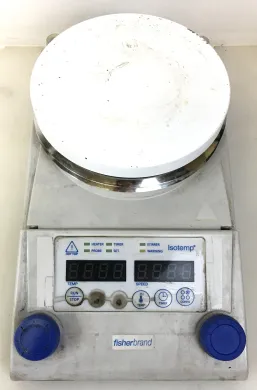
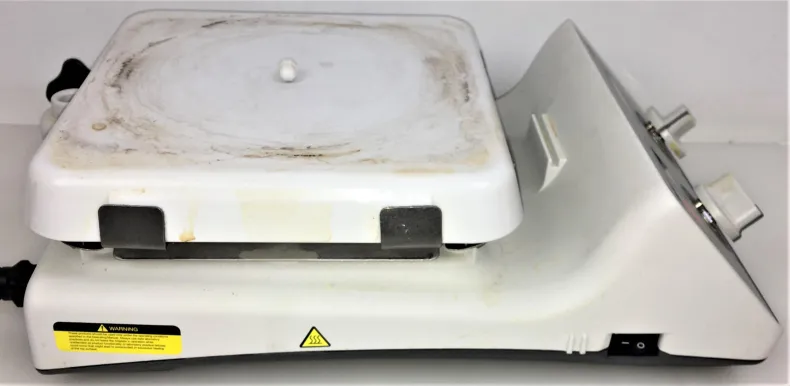
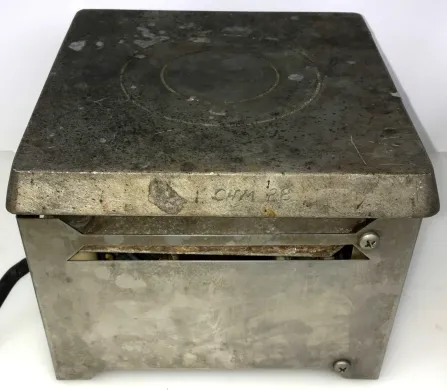
Not the exact instrument you need?
Tell our scientists what you are after. We track it down, including off-market supply.
Showing 1–40 of 347 listings
Show 40 more listingsBuying guide
Matching heated surface temperature to the work
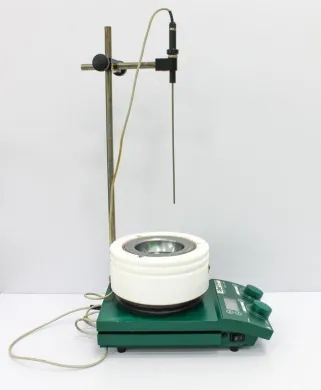
What settles a hot plate purchase is the maximum surface temperature and how tightly it is held, because that single figure decides which solvents and procedures a unit can run. A plate rated to around 300 degrees handles routine aqueous and low-boiling work; digestion, high-boiling solvents and sand-bath use need a ceramic or aluminium top rated higher. Read the rating as surface temperature, not setpoint display, and check whether control is open-loop on the plate or closed-loop through an external probe in the liquid, since the probe is what keeps a reaction at temperature rather than overshooting as the vessel cools the surface. For stirred work the magnetic drive matters alongside the heat: the torque and speed range determine how large a volume and how viscous a medium the bar will still turn without decoupling.
Condition carries more weight here than on most instruments, because a hot plate ages in ways a datasheet does not show. On a used unit, verify that the heating surface is flat and uncracked, that a ceramic top has no chips that expose the element, and that the temperature holds steady rather than cycling wide. Ask whether the stirrer bearing is quiet and the speed stable at low settings, where a worn drive stalls first. A unit that reads correctly on the display but overshoots the set value points to a failed controller or probe, and that is the check worth insisting on before purchase.
Price spans a wide band. Across the catalogue listings run from EUR 1 to EUR 10.326, with an average near EUR 406. The low end holds simple used stirring plates and basic analogue heaters, affordable enough to fit a teaching budget or a second bench; the top end is occupied by digital, probe-controlled laboratory models from makers such as IKA, VWR, Corning, Ohaus, Thermo Fisher Scientific. A used unit for sale from an established brand often costs a fraction of its new equivalent while keeping the same heated top and drive, which is why so much of this catalogue is secondhand. What a unit costs tracks closely with the control it offers rather than with raw wattage, so weigh the band against the precision the work actually demands.
Types of Hot plates
Which hot plate types are listed?
Among the listings that specify a type, the common forms are magnetic stirrer, hotplate stirrer, laboratory hotplate, laboratory hot plate, digital hotplate, temperature-controlled stirrer. A magnetic stirrer drives a stir bar in the vessel without a heated surface, for mixing alone; a hotplate stirrer adds the heated top, so one unit both warms and stirs, and this is the general workhorse for dissolving reagents and running stirred reactions. A laboratory hotplate, also written laboratory hot plate, heats without stirring, chosen where a sample must not be agitated or where an overhead stirrer does the mixing. A digital hotplate carries a setpoint display and tighter control, while a temperature-controlled stirrer closes the loop through a probe in the liquid so the medium, not the plate, is held at temperature. These classes separate on how much control the operator needs and whether heating and mixing happen in one place.
Hotplate stirrers do much of the day-to-day work of molecular biology and biochemistry, holding buffers, growth media and reagent solutions at temperature while a stir bar keeps them homogeneous. Temperature-controlled stirrers support protein purification and crystallisation, where a reaction must sit at a defined temperature for hours, and they feature in cell culture media preparation and in formulation and sample preparation across life sciences laboratories. A stirring hot plate for buffer preparation and a temperature controlled stirrer for protein work are the configurations a buyer most often searches for by name. The stirring also serves electrophoresis gel casting and the agar work of microbiology, warming and mixing before the pour.
The brands behind the hot plate listings
The recurring makers are IKA, VWR, Corning, Ohaus, Thermo Fisher Scientific. For a buyer, a crowded field of known brands means stir bars, ceramic tops and replacement probes are easier to match, and that models can be compared on like terms rather than guessed at. IKA and Ohaus sit toward the controlled, digital end; VWR and Corning appear across the general-purpose range. Parts for these makers can be sourced via Questpair, which matters more for a heating device than for passive glassware, since the element and controller are the parts that wear.
What a used hot plate costs here
89 percent of the listings are used. Prices run from EUR 1 to EUR 10.326, averaging near EUR 406, and that spread covers everything from a bare analogue stirring plate to a probe-controlled digital laboratory unit. Used and refurbished plates are listed below new, which is what pulls the catalogue toward secondhand; where warranty matters on a given unit, it is arranged in consultation for that listing.
Frequently asked questions
What is a hot plate?
A hot plate is a flat-surfaced laboratory heating device that warms vessels placed on top of it, used for tasks that need steady heat below the risk of an open flame. Many combine the heating surface with a magnetic stirrer so a single unit holds temperature while a stir bar mixes the contents.
What does hot plate mean in a laboratory context?
It refers to a benchtop instrument with a heated plate on which flasks, beakers or vessels sit for warming. In the laboratory the term almost always implies controlled, adjustable heat rather than a domestic cooking surface.
How do hot plates work?
An electrical heating element under the plate surface warms the top, and the vessel on it receives heat by conduction. On a stirring model, a rotating magnet in the base drives a stir bar inside the vessel, and a digital or analog control sets the surface temperature.
What types of hot plates are there?
The listings here cover plain laboratory hotplates that warm and nothing more, magnetic stirrers and hotplate stirrers that combine heating with mixing, digital hotplates that read and hold a set figure, and temperature-controlled stirrers that use an external probe in the liquid. Analog models rely on a dial and operator judgement rather than a readout.
What is a hot plate used for?
Common uses are sample preparation, dissolution, evaporation and reactions that need a held temperature. In cell culture, molecular biology and formulation work, the heating and stirring combination prepares buffers, dissolves reagents and keeps media homogeneous.
How do I choose a hot plate?
Decide first whether you need stirring, since a plain plate suits a wash step or simple evaporation while most benchtop heating also wants mixing. Then weigh digital versus analog control, whether your protocol names a specific temperature to hold, and the plate size against the vessels you run.
What is the difference between refurbished and used hot plates?
A used unit is sold in its existing condition, while a refurbished unit has been checked and brought back toward working order before listing. Both are listed below the price of new, and the exact condition is described on the individual listing.
How much does a hot plate cost?
Across the catalogue prices range from EUR 1 to EUR 10.326, with the average listing at EUR 406. The low end is consumables and accessories such as stir bars and spare tops, and the high end is programmable multi-position stirring systems.
Which brands make hot plates?
The names that recur in these listings are IKA, VWR, Corning, Ohaus and Thermo Fisher Scientific. IKA and Ohaus run deep stirring ranges, while VWR, Corning and Thermo Fisher Scientific plates turn up across general laboratory and life sciences settings.
Can I get a warranty on a refurbished hot plate?
A warranty is often possible and is arranged in consultation for the specific listing. Check the listing you are interested in, since terms vary by unit and seller.
Are parts available for these hot plates?
Parts can be sourced via Questpair. Within an established brand line such as IKA or Ohaus, stir bars and ceramic tops are often interchangeable between models, which widens what fits.
How long does a hot plate last?
Lifespan depends on use and maintenance rather than a fixed figure, but the heating element and the stirring motor are the parts that wear. A well-kept unit from a brand with available parts can stay in service for many years, which is why so many used plates circulate.
Should I buy a new or a used hot plate?
Used and refurbished units are listed at lower prices than new, so the choice often comes down to budget against the condition described on the listing. Where you need to weigh the two, compare the specific listing and arrange warranty in consultation for that unit.
Where can I buy a hot plate?
The Questpair catalogue holds 789 hot plate listings from 18 verified suppliers and distributors across 9 countries. New, used and refurbished units all appear, with 89 percent of the listings used.
What are the lead time and shipping like?
Lead time and shipping depend on the individual seller and the unit's location, so they are stated or arranged per listing. With suppliers across 9 countries, the distance and timing vary from one listing to the next.
How do I calibrate and maintain a hot plate?
Verify the surface or probe temperature against a reference thermometer periodically, keep the plate clean of spills, and inspect the stirring mechanism for wear. For a temperature-controlled stirrer, confirm the external probe reads the liquid accurately since it corrects the lag between the plate and the sample.
Which hot plate types are listed most, and who reaches for each?
Magnetic stirrers and hotplate stirrers dominate the listings because most benchtop heating also wants mixing. A plain laboratory hotplate suits a wash or evaporation where stirring adds nothing, a digital hotplate serves a protocol that names a temperature, and a temperature-controlled stirrer suits work where the sample must hit an exact figure despite the lag at the plate.
Which brands dominate these listings, and what does that mean for a buyer?
IKA, VWR, Corning, Ohaus and Thermo Fisher Scientific recur across the listings. A brand that appears often means its models can be compared against each other, its stir bars and tops are interchangeable within a line, and its replacement parts are easier to source through Questpair.
What separates the cheapest hot plates here from the most expensive?
The low end of the range at EUR 1 is consumables and accessories, stir bars and spare tops rather than complete instruments. The high end at EUR 10.326 is programmable multi-position stirring systems built for a production bench, and condition shifts the price as much as capability does.