

Shakers
We personally find you the right used, refurbished and new shakers instruments & equipment from verified suppliers.
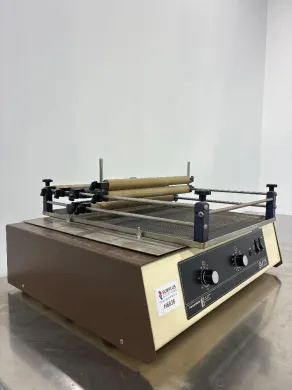
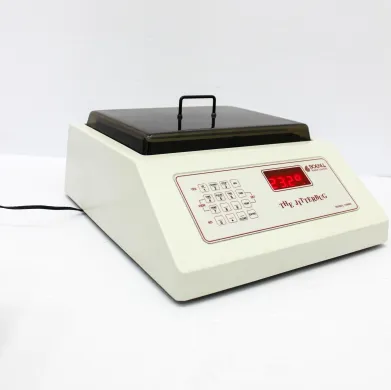
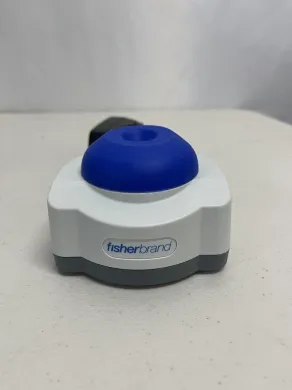
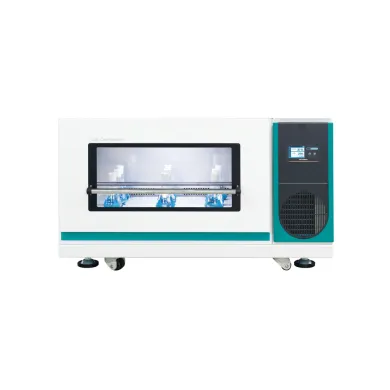
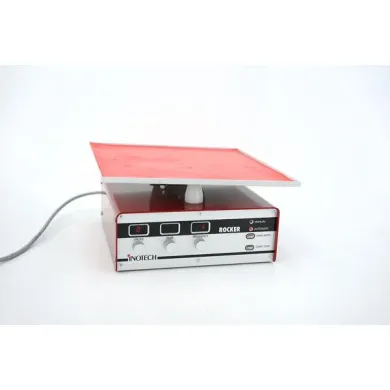
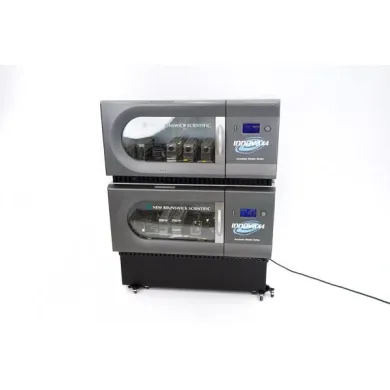
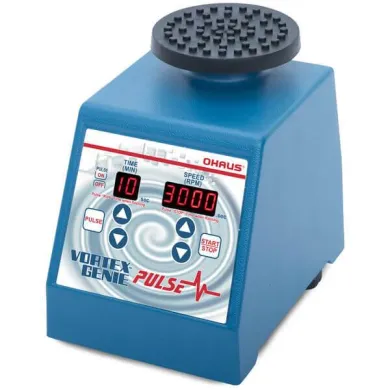
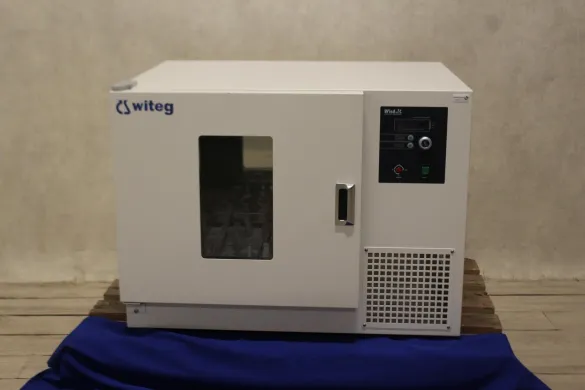
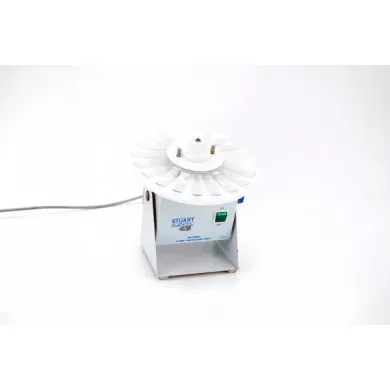
Shakers are laboratory instruments that agitate liquid or suspended samples through controlled orbital, reciprocating, or rocking motion, keeping cultures aerated, reagents mixed, and solid phases in suspension. On Questpair, 2579 shaker listings are available from 19 verified suppliers and distributors across 9 countries. Of those, 89 percent of the listings are used, the remainder new, so a buyer working to a budget has a deep second-hand pool to draw from. The catalogue spans new, used and refurbished laboratory shakers, from compact benchtop units to temperature-controlled incubator models. Prices run from EUR 7 to EUR 47.349.
Updated:
Shakers product list
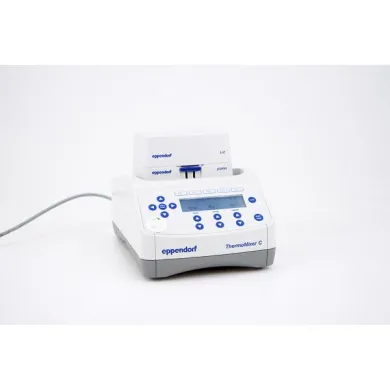
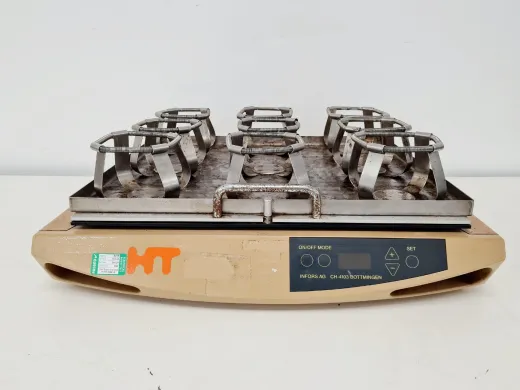
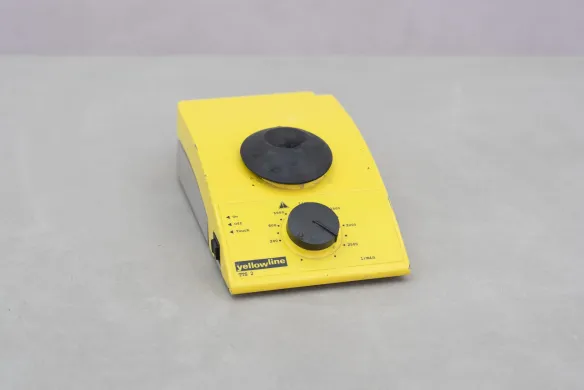
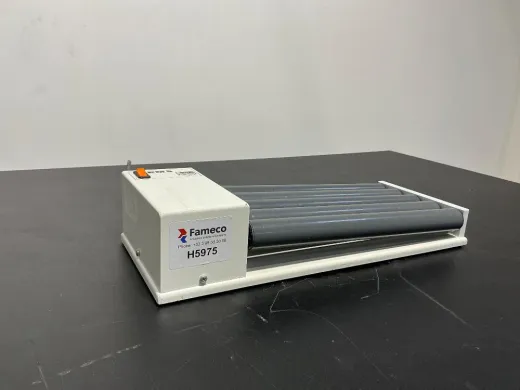


Not the exact instrument you need?
Tell our scientists what you are after. We track it down, including off-market supply.

Not the exact instrument you need?
Tell our scientists what you are after. We track it down, including off-market supply.
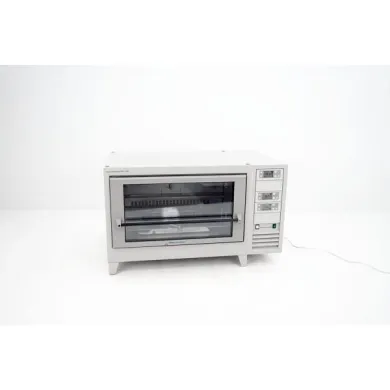
Showing 1–40 of 1,379 listings
Show 40 more listingsBuying guide
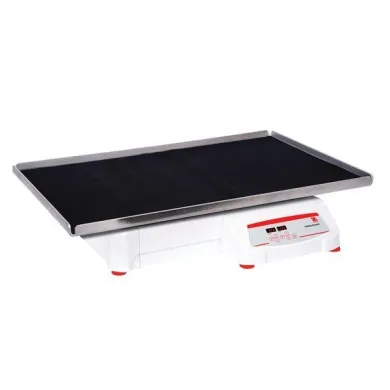
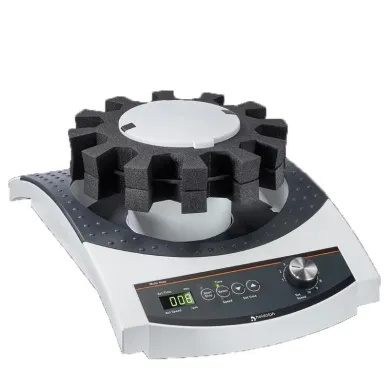
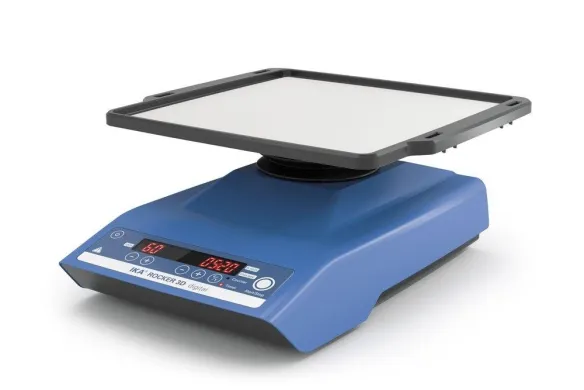
The motion type settles most shaker purchases before any other spec is read, because it decides what the instrument can physically do with a sample. Orbital shakers trace a circular path and suit flasks, plates and open vessels where a swirling vortex keeps contents aerated and mixed; reciprocating shakers move back and forth in a straight line and favour separatory work and extractions; rocking and see-saw platforms deliver the gentle tilt that staining, blotting and cell washing need. Pick the wrong motion and no amount of speed or capacity rescues the fit, so start here, then let platform size and tube-rack compatibility follow from the vessels you actually run.
Speed range and the stability of that speed under load come next. A shaker rated to a high orbit may lose grip once a full rack of two-litre flasks sits on it, so the orbit diameter and the maximum load matter as much as the top speed printed on the datasheet. Where the work involves living cultures, an incubator shaker that holds a set temperature alongside the agitation removes the need for a separate warm room, and the temperature uniformity across the chamber is the figure worth checking.
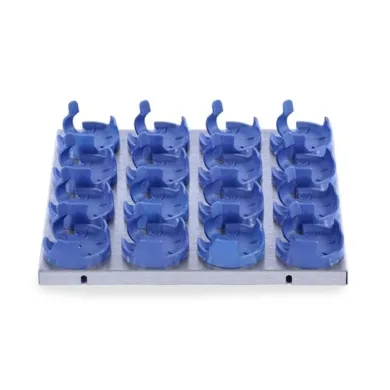
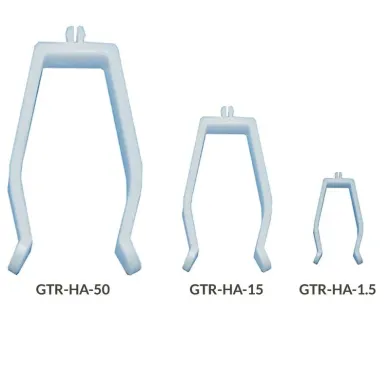
On a used shaker the mechanism is where attention belongs. The drive bearing and the eccentric that generates the orbit wear with hours of service, and a unit that runs rough or drifts off its set speed points to a tired drive. Ask what the platform has carried and for how long, confirm that clamps, racks or adhesive mats are present, and on an incubator model verify that the heater and controller still hold temperature. A missing platform or rack is often harder to replace than the instrument is worth.
On price, the catalogue runs from EUR 7 to EUR 47.349, with an average around EUR 2.268. That spread covers everything from a bare benchtop orbital shaker to a floor-standing temperature-controlled incubator shaker with full flask racks. Since 89 percent of the listings are used, a buyer watching cost will find the affordable end populated, where refurbished and used units for sale sit well below new pricing. Brands such as VWR, Ohaus, IKA, Thermo Scientific, Thermo Fisher Scientific appear across the range, which keeps models easy to compare on like-for-like capacity.
Types of Shakers
Which shaker types are listed?
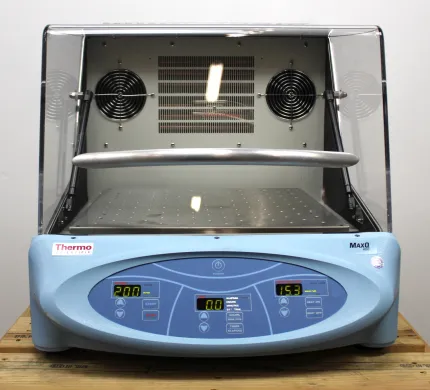
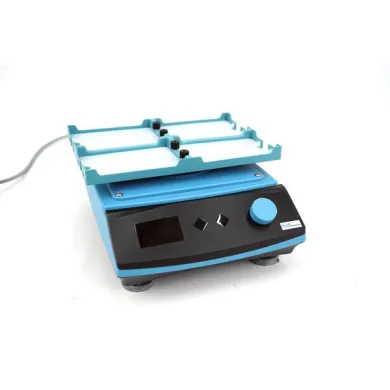
Among the listings that specify a type, the orbital shaker is the most common. Its circular platform motion suits the broadest set of routine tasks, from dissolving reagents to keeping suspension cultures in motion, and it is the default choice for flask and microplate work. The broader laboratory shaker and laboratory mixer entries cover the general-purpose benchtop machines that handle everyday agitation without a specialised motion profile. Benchtop shakers are the compact, fixed-footprint units built to sit beside a working area where space is limited.
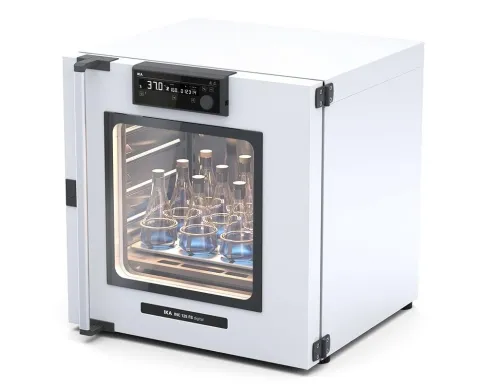
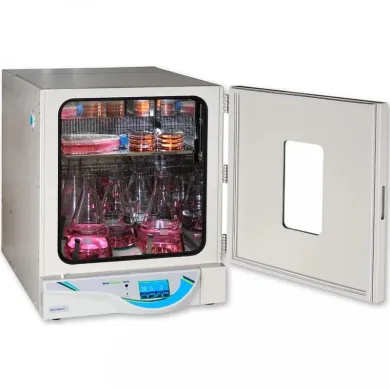
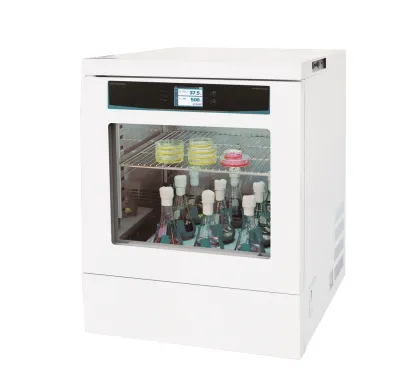
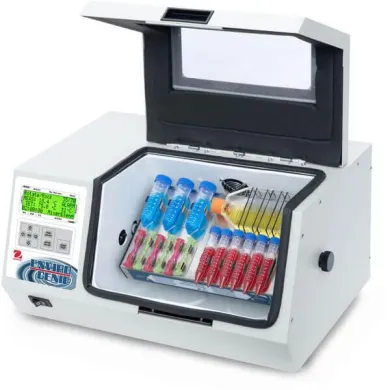
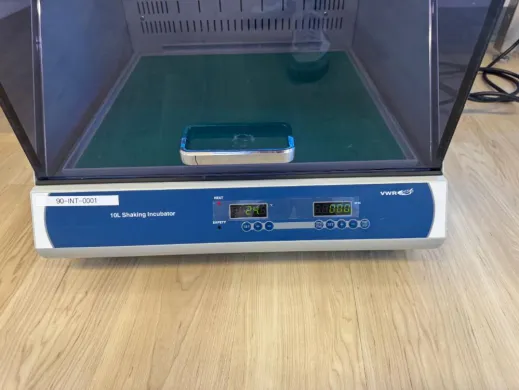
Two types carry a clear life-sciences role. Incubator shakers combine agitation with a controlled chamber temperature, the standard configuration for microbial and bacterial culture growth, where steady warmth and aeration together drive biomass yield; they are also used for induction and expression runs in molecular biology. Cell culture shakers extend the same idea to mammalian and insect lines, holding gentle, even motion for suspension cell culture and for the scale-up work that feeds bioprocessing and biomanufacturing. A buyer running protein purification upstream, or growing cells for cell imaging and assay preparation, is typically searching for an incubator shaker or a cell culture shaker specifically, since the temperature control is what separates them from a plain orbital unit. The same chamber-and-motion pairing serves fermentation development and the early stages of synthetic biology workflows.
The brands behind the shaker listings
The names that recur here are VWR, Ohaus, IKA, Thermo Scientific, Thermo Fisher Scientific. Their presence shapes a purchase in practical ways. A platform from a widely-stocked maker is easier to pair with replacement racks, clamps and adhesive mats, and spare parts for a common model turn up more readily when something wears. It also makes comparison straightforward: two orbital shakers from established manufacturers can be weighed against each other on orbit diameter, speed range and platform load without guesswork, because the specifications are published and consistent. The range of makers also spreads the price band, so a buyer can find both the budget general-purpose unit and the temperature-controlled instrument without leaving the catalogue.
What a used shaker costs here
The split runs heavily to pre-owned stock: 2278 of the listings are used against 293 new, which is 89 percent used. Prices cover a wide spread. The range runs from EUR 7 to EUR 47.349. That gap reflects the distance between a simple second-hand benchtop mixer and a full floor-standing incubator shaker with a complete set of flask racks. The average sits near EUR 2.268. For a buyer weighing new against used, the individual listing carries the condition detail, and a warranty is arranged in consultation for the specific unit.
Frequently asked questions
What is a shaker?
A shaker is a laboratory instrument that agitates liquid or suspended samples through controlled orbital, reciprocating, or rocking motion. It keeps cultures aerated, reagents mixed, and solid phases in suspension.
What does the term shaker mean in a lab context?
It refers to a motorised platform that moves samples in a repeated pattern rather than any device that simply vibrates. The motion profile, whether circular, back-and-forth, or tilting, defines what kind of mixing the machine delivers.
How do shakers work?
A drive motor turns an eccentric mechanism that moves the platform in a set path, orbital, reciprocating, or rocking, at a speed the user sets. Vessels are held on the platform by clamps, racks, or adhesive mats so they move with it.
What types of shakers are there?
The listings here cover orbital shakers, general laboratory shakers and mixers, benchtop shakers, incubator shakers, and cell culture shakers. Orbital units cover the broadest routine work, while incubator and cell culture models add chamber temperature control.
What are shakers used for?
They dissolve reagents, keep suspension cultures in motion, support extractions and separations, and handle staining, blotting, and cell washing depending on the motion type. Incubator and cell culture models grow microbial, bacterial, or mammalian cultures under controlled warmth and agitation.
How do I choose a shaker?
Start with the motion type, since it decides what the instrument can physically do with a sample, then confirm the platform size, speed range, and tube-rack compatibility against the vessels you actually run. If you work with living cultures, a temperature-controlled incubator or cell culture shaker removes the need for a separate warm room.
What is the difference between a refurbished and a used shaker?
A used unit is sold in its existing condition, while a refurbished unit has been checked and brought back toward working order before listing. The individual listing carries the condition detail, so read it for the specific machine.
How much does a shaker cost?
Prices in the Questpair catalogue range from EUR 7 to EUR 47.349, with an average near EUR 2.268. The spread reflects the distance between a bare benchtop mixer and a floor-standing incubator shaker with a full set of flask racks.
Which brands make shakers?
The names that recur in these listings are VWR, Ohaus, IKA, Thermo Scientific, and Thermo Fisher Scientific. A platform from a widely-stocked maker is easier to pair with replacement racks, clamps, and mats, and specifications are published consistently for comparison.
Is a warranty available on a refurbished shaker?
A warranty is often possible and is arranged in consultation for the specific listing. Check the listing and ask about the particular unit you are considering.
Can I get parts for a shaker?
Parts can be sourced via Questpair. Spare parts for a common model from a widely-stocked maker tend to turn up more readily when a component wears.
How long does a shaker last?
The drive bearing and the eccentric that generates the orbit wear with hours of service, so lifespan depends heavily on how much load the platform has carried and for how long. A unit that runs rough or drifts off its set speed points to a tired drive.
Should I buy a new or used shaker?
Used and refurbished shakers are listed at lower prices than new, and the affordable end of the catalogue is well populated since 89 percent of listings are used. For a specific unit, read the listing for its condition and arrange warranty in consultation.
Where can I buy a shaker?
Shakers are listed on Questpair from 19 verified suppliers and distributors across 9 countries, with 2579 listings in total. The catalogue spans new, used, and refurbished units.
What is the lead time and shipping for a shaker?
Lead time and shipping depend on the individual listing and the supplier holding the unit. The listing carries the specifics, and Questpair specialists respond within an hour if you need to confirm details.
How do I calibrate and maintain a shaker?
Routine checks cover the speed holding steady under load, the drive running smoothly, and on an incubator model the heater and controller holding their set temperature. Confirm clamps, racks, or adhesive mats are present and secure, since a loose or missing platform affects both safety and mixing.
Which shaker types are listed most, and who reaches for which?
Orbital shakers are the most common among listings that specify a type, and they are the default for flask and microplate work. Buyers running protein purification upstream or growing cells typically search for an incubator shaker or a cell culture shaker specifically, because the temperature control is what separates them from a plain orbital unit.
Which brands dominate this category, and what does that mean for a buyer?
VWR, Ohaus, IKA, Thermo Scientific, and Thermo Fisher Scientific recur across these listings. Their presence spreads the price band from budget general-purpose units to temperature-controlled instruments, and published, consistent specifications make two orbital shakers easy to weigh on orbit diameter, speed range, and platform load.
What separates the cheapest shakers here from the most expensive?
The low end is a bare benchtop orbital shaker or a simple second-hand mixer, while the high end is a floor-standing temperature-controlled incubator shaker with a complete set of flask racks. Temperature control, chamber size, platform load, and included racks are the features that move a unit up the price band from EUR 7 to EUR 47.349.