

Freeze dryers
We personally find you the right used, refurbished and new freeze dryers instruments & equipment from verified suppliers.
A freeze dryer is a laboratory instrument that removes water from a frozen sample by sublimation under vacuum, leaving the solid structure intact. The process, called lyophilization, is used to preserve biological material, pharmaceuticals and food samples that would degrade under heat. The Questpair catalogue holds 236 freeze dryer listings from 15 verified suppliers and distributors across 7 countries. Of those, 77 percent of the listings are used. New, used and refurbished units all appear, with prices running from EUR 37 to EUR 120.525. Capacity, condenser temperature and shelf area separate a benchtop unit from a pilot-scale system, and those specifications settle most purchases long before brand does.
Updated:
Freeze dryers product list
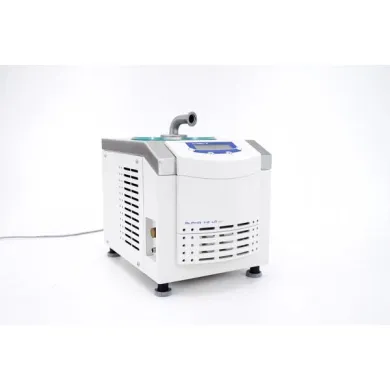
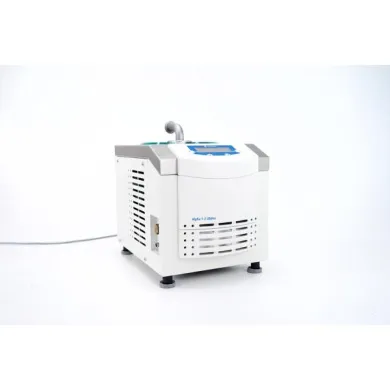
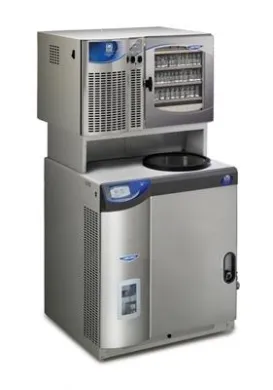


Not the exact instrument you need?
Tell our scientists what you are after. We track it down, including off-market supply.
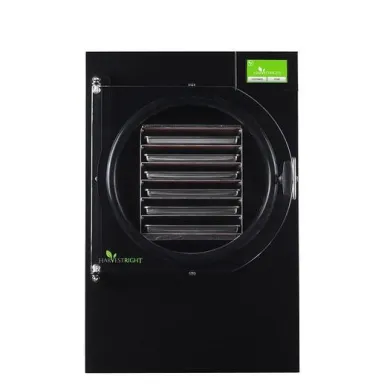
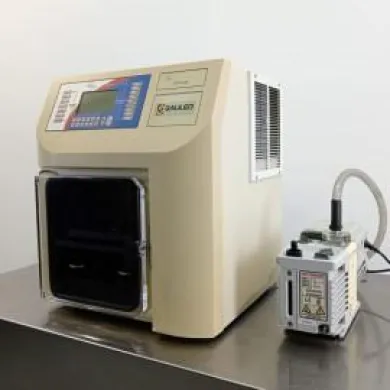
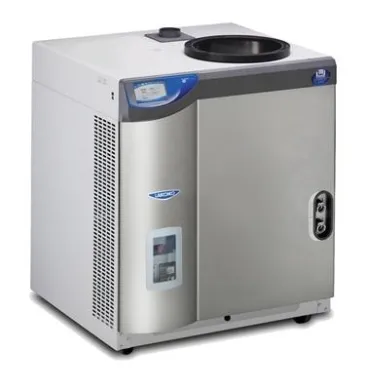
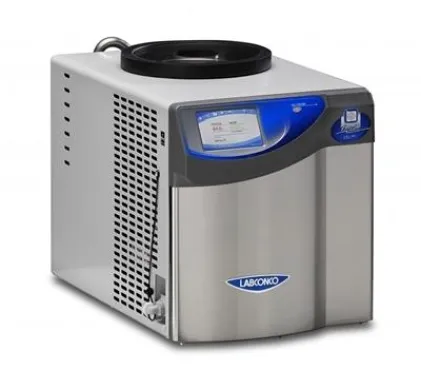
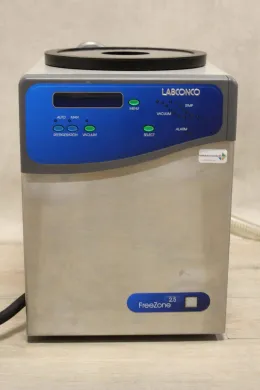
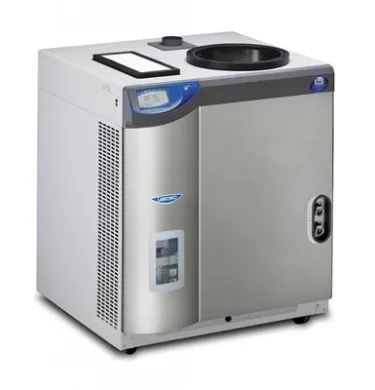
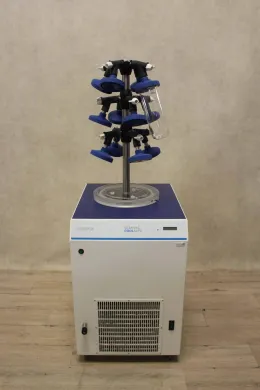
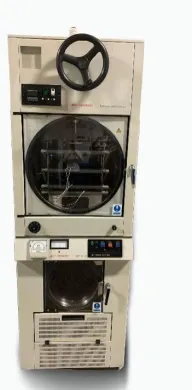
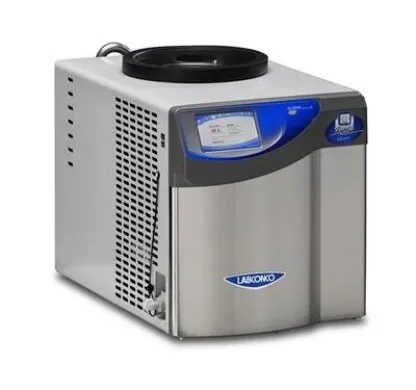
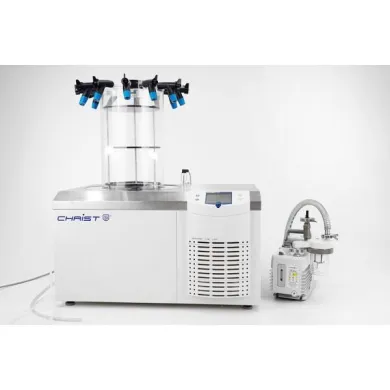
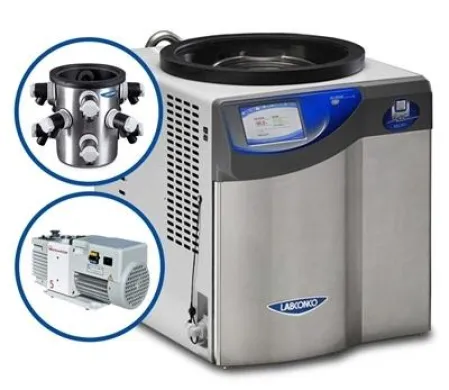
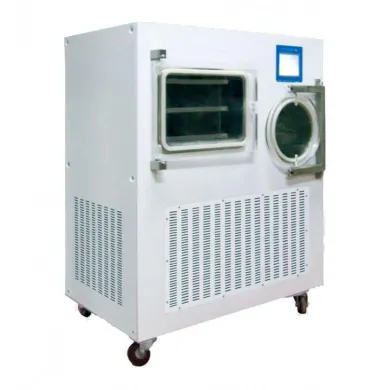
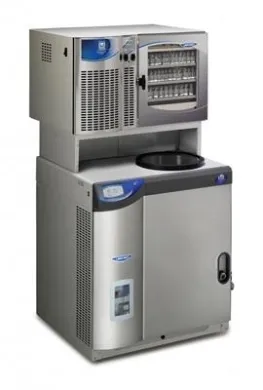
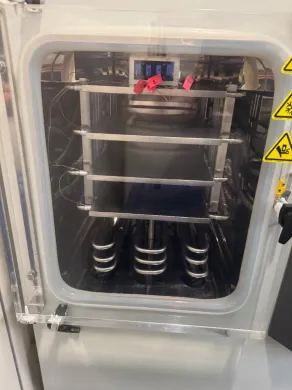
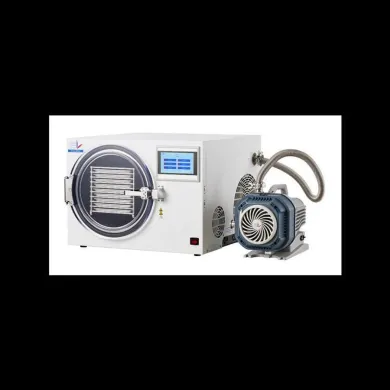
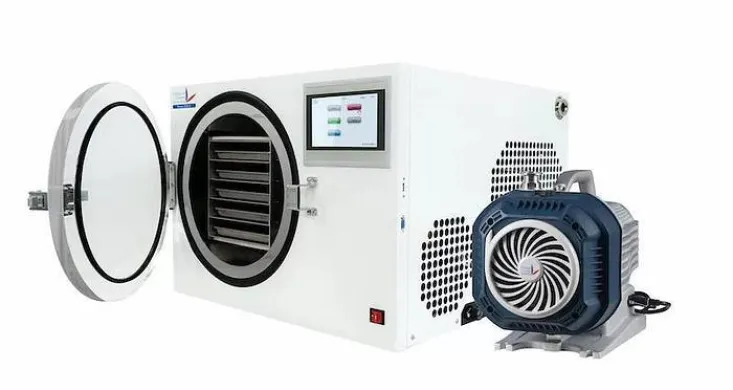
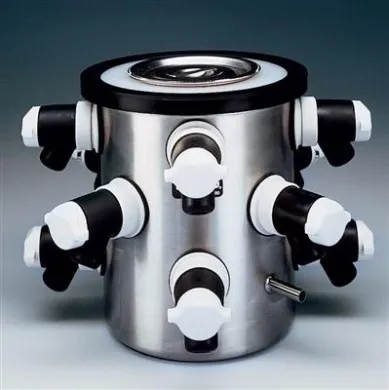
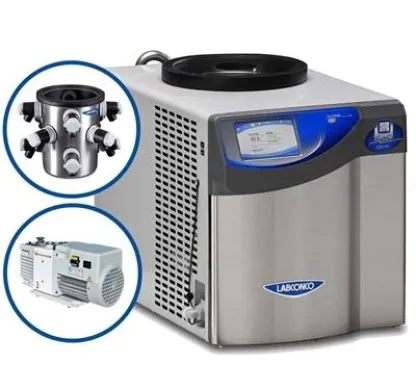
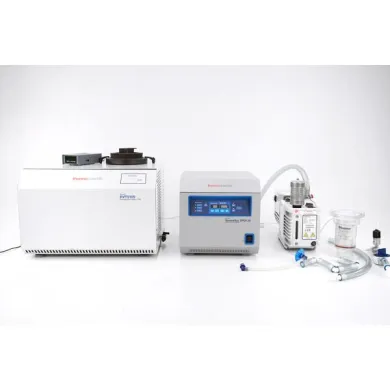
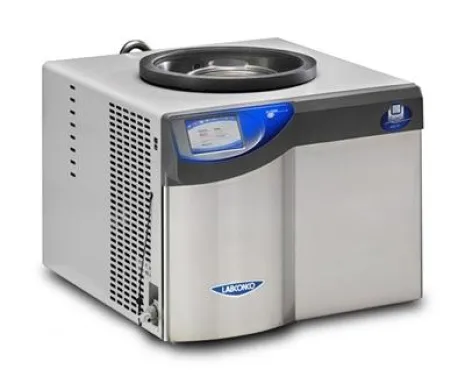
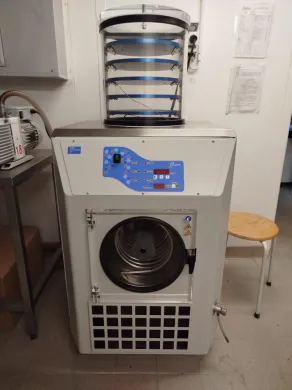
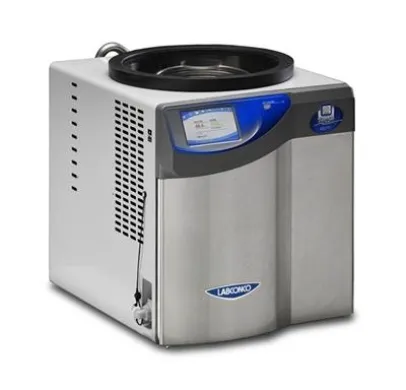
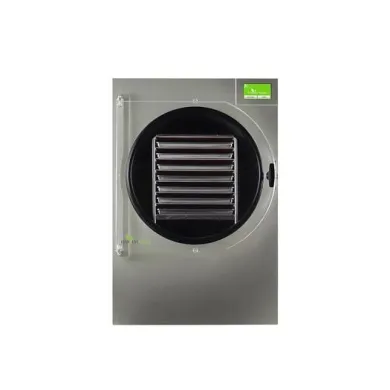
Harvest Right XL Home Pro Freeze Dryer
- Category
- Freeze dryers
- Brand
- Harvest right
- Suppliers
- 1 verified
Not the exact instrument you need?
Tell our scientists what you are after. We track it down, including off-market supply.
Showing 1–40 of 118 listings
Show 40 more listingsBuying guide
The specification that decides a freeze dryer purchase is the condenser temperature, because it sets which solvents the system can handle. A standard unit reaching around minus 50 degrees Celsius will dry aqueous samples, but material containing ethanol, acetonitrile or other low-eutectic solvents needs a condenser closer to minus 80. Match that figure to the lowest eutectic point in your sample set, not to the water alone, or runs will stall and the batch will collapse.
Condenser capacity and shelf area follow from it. The condenser has to trap more ice than the sample releases, so a unit sized for 2 litres of water per batch is wasted on milligram vials and overwhelmed by a full tray load. Shelf area and the number of ports or trays then decide throughput: a benchtop lyophilizer with a manifold suits a handful of flasks, while a stoppering shelf system suits vialled pharmaceuticals that must be sealed under vacuum before exposure to air.
On a used unit the condition that matters most is the vacuum integrity and the compressor. A refrigeration system that no longer pulls the rated condenser temperature cannot be corrected by the operator, and worn door seals or a tired vacuum pump show up as long pull-down times rather than outright failure. Ask for a recent pull-down record and the achieved condenser temperature under load, verify the pump has been serviced, and confirm the shelves and any stoppering mechanism move freely. A unit that has sat idle for a year often needs the pump oil changed and the seals inspected before it holds vacuum.
Price covers a wide span here, which is why the specification has to come first. Listings run from EUR 37 to EUR 120.525, with an average near EUR 15.944, and that range reflects the gap between a bare benchtop manifold and a pilot-scale shelf dryer with programmable cycles. Used and refurbished units sit below new at every capacity, so a buyer working to a budget can often find a system that fits the budget by accepting an older control package on sound refrigeration. The brands behind the listings, Labconco, SP Scientific, Labconco Corporation, Harvest Right, Millrock Technology among them, occupy recognisable points on that scale, and knowing where a model sits makes a unit easier to compare across the catalog when several are for sale at once.
Types of Freeze dryers
Which freeze dryer types are listed?
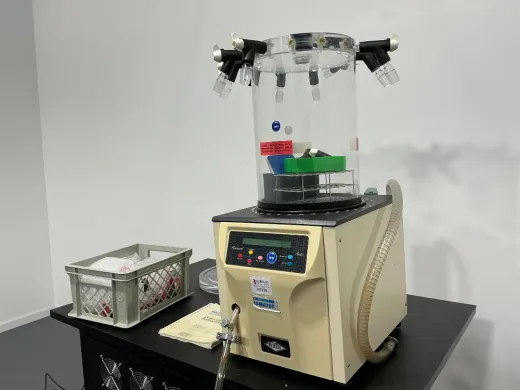
Among the listings that specify a type, the catalogue sorts into freeze dryer, lyophilizer, laboratory freeze dryer, benchtop freeze dryer, vacuum freeze dryer, benchtop lyophilizer. A benchtop freeze dryer, or benchtop lyophilizer, is the compact workhorse: a condenser and vacuum pump sized to sit on a bench and dry flasks or small trays, favoured by research groups processing samples in the millilitre to low-litre range. A vacuum freeze dryer is the same principle described by its mechanism, the vacuum that drives sublimation, and the term tends to appear on larger or industrial listings. Laboratory freeze dryer is the general catalogue term that spans both, used where a seller does not specify format. What separates them in practice is condenser capacity and whether the unit carries a manifold for individual flasks or temperature-controlled shelves for trays and vials.
Lyophilization does protein purification work, drying purified proteins and peptides into a stable powder, and it is central to molecular diagnostics, where reagents and assay kits are freeze dried for shelf stability. In genomics and proteomics laboratories a freeze dryer concentrates nucleic acid and protein samples by removing solvent without heat. These systems are also used for preserving cell culture supernatants, microbiology reference strains, and immunoassay standards that lose activity in solution. In bioprocessing and biomanufacturing a freeze dryer for pharmaceutical lyophilization finishes vialled biologics under vacuum, and a laboratory freeze dryer for antibody formulation holds the structure of sensitive proteins through storage.
The brands behind the freeze dryer listings
The names that recur across the catalogue include Labconco, SP Scientific, Labconco Corporation, Harvest Right, Millrock Technology. Their presence matters to a buyer for practical reasons rather than reputation: an established brand with a long production history means replacement shelves, seals and pump parts are easier to source, and it means more comparable units when several appear for sale at once. A model from a widely sold line can be checked against its published condenser temperature and capacity, which makes a used purchase less of a gamble than an obscure unit with no reference point.
What a used freeze dryer costs here
77 percent of the listings are used. Prices run from EUR 37 to EUR 120.525, averaging near EUR 15.944. That spread covers the distance between a small benchtop manifold and a pilot-scale shelf system with programmable cycles and stoppering. Used and refurbished units are listed below new at comparable capacity, so the condition mix is where a buyer working to a budget finds room.
Frequently asked questions
What is a freeze dryer?
A freeze dryer is a laboratory instrument that removes water from a frozen sample by sublimation under vacuum, leaving the solid structure intact. The process is called lyophilization and preserves material that would degrade under heat.
What does lyophilization mean?
Lyophilization is the drying process a freeze dryer performs: a frozen sample is held under vacuum so its ice converts directly to vapour without passing through a liquid phase. The terms freeze drying and lyophilization describe the same operation.
How do freeze dryers work?
The sample is frozen, then placed under vacuum while a cold condenser traps the water vapour released as the ice sublimes. Heat is applied gently to drive sublimation without melting the sample, so the solid structure stays intact.
What types of freeze dryers are there?
The catalogue sorts into freeze dryer, lyophilizer, laboratory freeze dryer, benchtop freeze dryer, vacuum freeze dryer and benchtop lyophilizer. The practical split is between compact benchtop units with a manifold for flasks and larger shelf systems for trays and vials.
What is a freeze dryer used for?
It dries purified proteins and peptides into stable powders, freeze dries reagents and assay kits for shelf stability, and concentrates nucleic acid and protein samples by removing solvent without heat. In bioprocessing it finishes vialled biologics under vacuum.
How do I choose a freeze dryer?
Start with condenser temperature, since it sets which solvents the system can handle: around minus 50 degrees Celsius for aqueous samples, closer to minus 80 for ethanol or acetonitrile. Then match condenser capacity and shelf area or port count to your batch size and sample format.
What is the difference between a refurbished and a used freeze dryer?
A used unit is sold in its existing condition, while a refurbished unit has been serviced or reconditioned before sale. For either, ask for a recent pull-down record and the achieved condenser temperature under load, since refrigeration performance cannot be corrected by the operator.
How much does a freeze dryer cost?
Listings range from EUR 37 to EUR 120.525, averaging near EUR 15.944. The spread reflects the distance between a bare benchtop manifold and a pilot-scale shelf dryer with programmable cycles and stoppering.
Which freeze dryer brands are worth considering?
Names that recur across the catalogue include Labconco, SP Scientific, Labconco Corporation, Harvest Right and Millrock Technology. A model from a widely sold line can be checked against its published condenser temperature and capacity, which makes a used purchase less of a gamble.
Can I get a warranty on a refurbished freeze dryer?
A warranty is often possible and is arranged in consultation for the specific listing. Check the individual listing and ask before purchase.
Can I get parts for a freeze dryer?
Parts can be sourced via Questpair. An established brand with a long production history means replacement shelves, seals and pump parts are easier to find.
How long does a freeze dryer last?
The limiting components are the refrigeration system and the vacuum pump, both of which can be serviced over the instrument's life. A unit that has sat idle for a year often needs the pump oil changed and the seals inspected before it holds vacuum again.
Should I buy a new or a used freeze dryer?
Used and refurbished units are listed below new at comparable capacity, so a buyer working to a budget can often find a system that fits by accepting an older control package on sound refrigeration. Compare the individual listing on condenser temperature and pump condition, and arrange any warranty in consultation.
Where can I buy a freeze dryer?
The Questpair catalogue holds 236 freeze dryer listings from 15 verified suppliers and distributors across 7 countries. New, used and refurbished units all appear.
What are the lead time and shipping on a freeze dryer?
Lead time and shipping depend on the individual listing and the supplier's location, which spans 7 countries. Check the specific listing or contact Questpair for details on a given unit.
How are freeze dryers calibrated and maintained?
Maintenance centres on vacuum integrity and the refrigeration system: change the pump oil, inspect and replace worn door seals, and verify the condenser reaches its rated temperature under load. A long pull-down time usually signals a tired pump or leaking seal rather than outright failure.
Which freeze dryer types are listed most and who reaches for which?
Benchtop freeze dryers and benchtop lyophilizers suit research groups processing samples in the millilitre to low-litre range through a manifold. Vacuum freeze dryer appears on larger or industrial listings, and shelf systems with stoppering suit vialled pharmaceuticals that must be sealed under vacuum.
Which brands dominate this category and what does that mean for a buyer?
Labconco, SP Scientific, Labconco Corporation, Harvest Right and Millrock Technology recur across the listings. Their presence means more comparable units appear at once and published condenser temperature and capacity figures are available to check a used unit against.
What separates the cheapest freeze dryers here from the most expensive?
At the low end sits a bare benchtop manifold with a basic condenser and vacuum pump sized for flasks. At the high end is a pilot-scale shelf dryer with temperature-controlled shelves, programmable cycles and a stoppering mechanism, which is what carries the price from EUR 37 toward EUR 120.525.